
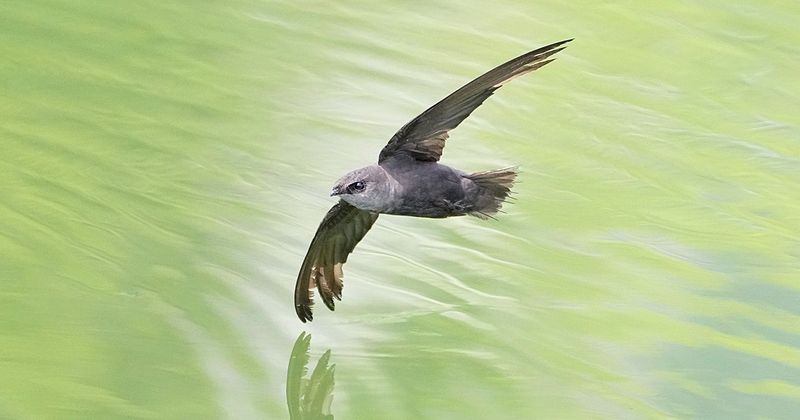
Gnats and midges can turn a nice Florida evening into a swatting contest. Chimney Swifts are fast little birds that feed on flying insects, often high over yards, streets, and ponds.
You cannot make them visit with one plant alone, but the right native plants can build the kind of insect-rich yard they hunt above. Start with plants that handle Florida soil, heat, rain, and wildlife needs without making your yard harder to care for.
1. Walter’s Viburnum
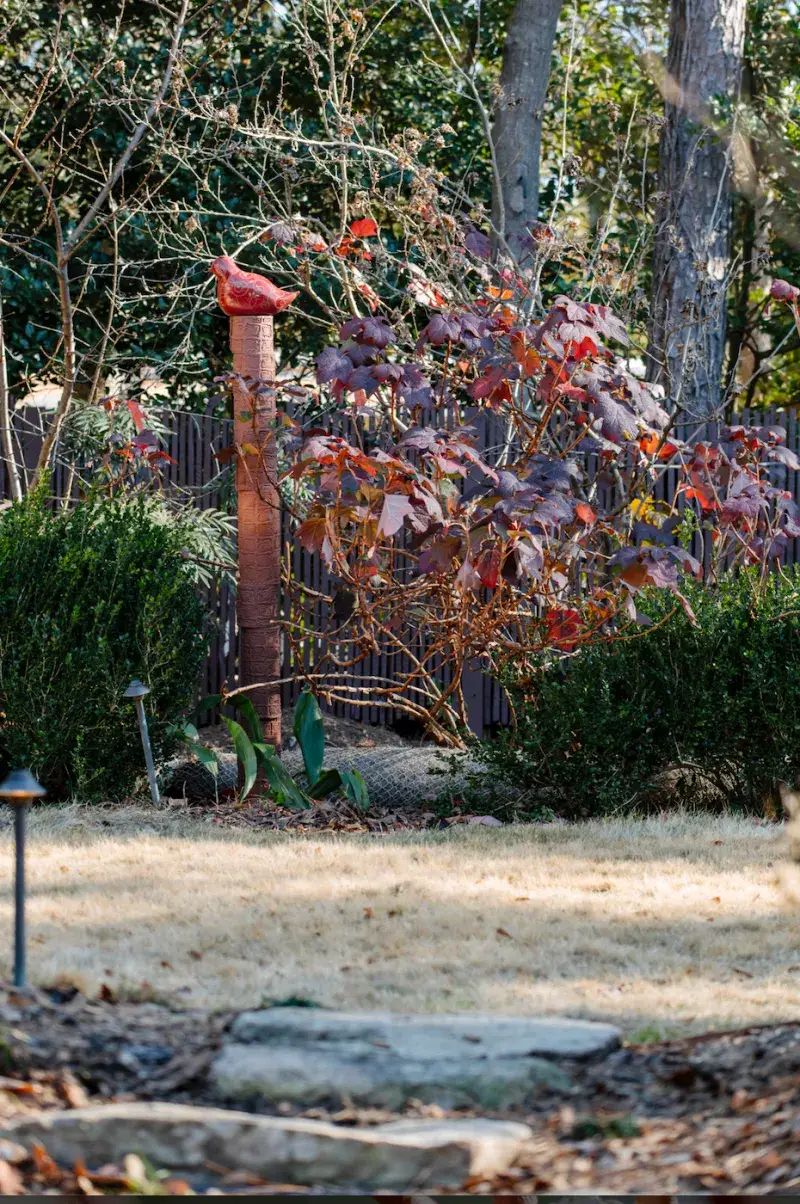
A tidy hedge that also feeds the air above your yard is hard to beat. Walter’s viburnum is a Florida native shrub that can be clipped for a neater look or allowed to grow into a looser wildlife screen, which makes it useful for front yards, side fences, and patio edges.
Its small white flowers draw many tiny insects in spring, and those insects become part of the food web that supports aerial hunters like Chimney Swifts. The plant also offers berries for songbirds, so it helps more than one layer of backyard wildlife at the same time.
For homeowners dealing with sandy soil, Walter’s viburnum is a practical choice once established, especially in areas with sun to part shade. Use it where you want structure, privacy, and a native replacement for bland hedges that do little for insects.
Give it room to breathe and avoid heavy pesticide use around it. A yard with steady insect life is far more useful to swifts than a sterile landscape with perfect leaves and no flying meals.
2. Firebush
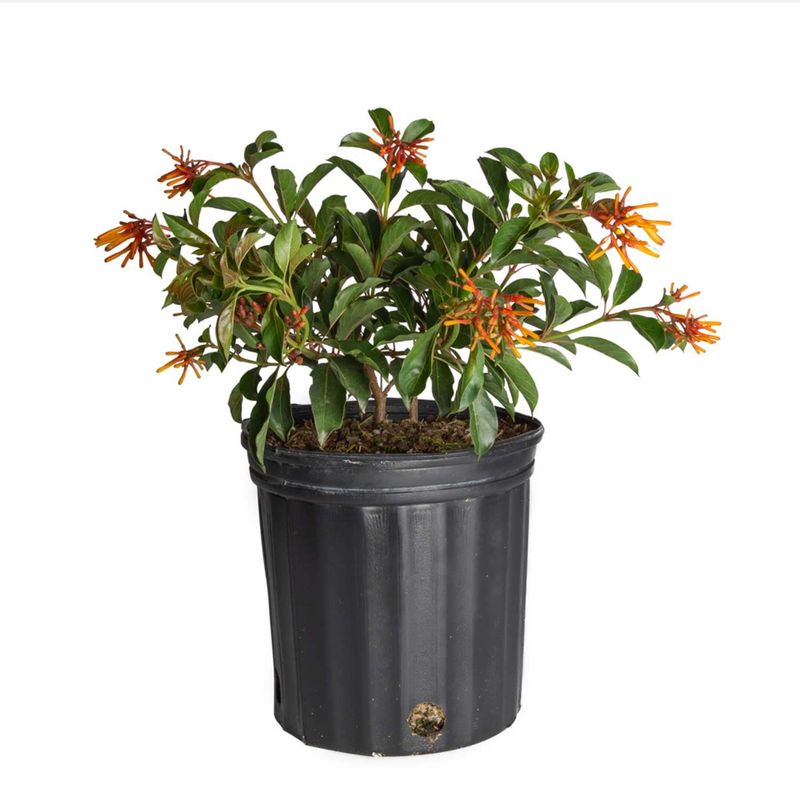
By late warm season, firebush looks like someone plugged a sunset into the garden. Its orange-red blooms keep a border lively through heat that makes many softer plants fade, which is exactly why Florida gardeners often lean on it for color that does not quit easily.
Firebush is famous for hummingbirds and butterflies, but its real value for swifts is the busy cloud of small insects that gathers around a thriving, nectar-rich planting. Chimney Swifts do not come down to sip nectar, but they hunt the flying insects that rise from active yards, especially near dusk and after warm, humid weather.
Plant firebush in full sun to part sun where it has space to arch naturally. It can work near a back patio, along a sunny fence, or in a mixed native bed with grasses and shrubs that keep the landscape layered.
In colder parts of North Florida, frost may knock it back, while much of Central and South Florida can enjoy a longer show. Skip routine spraying for minor leaf damage, because the small bugs you erase may be part of what brings the swift buffet overhead.
3. Buttonbush
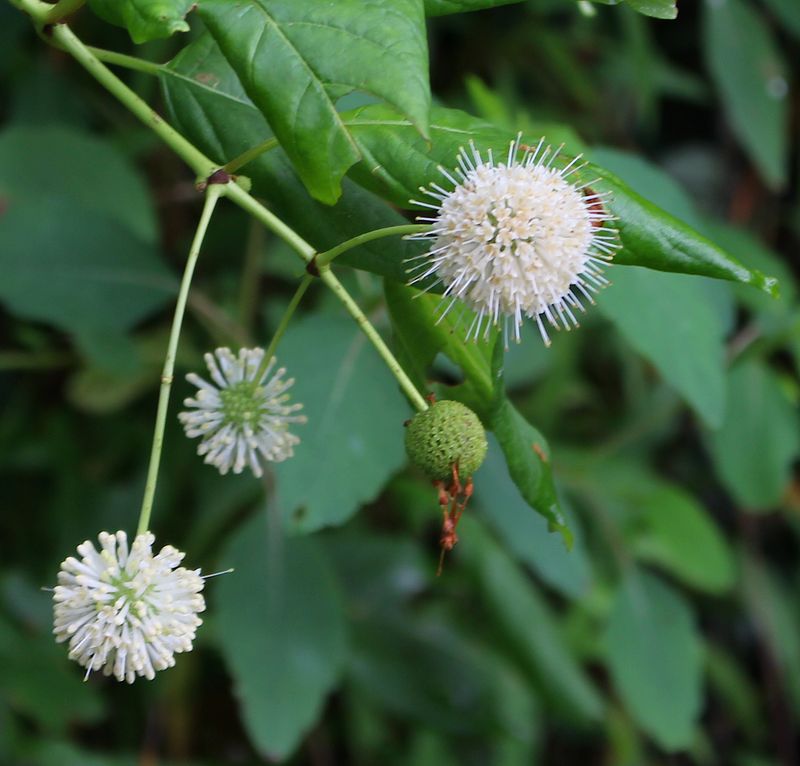
Got a soggy corner that never behaves after summer storms? Buttonbush can turn that problem spot into one of the most wildlife-rich places in the yard.
Round, white, pincushion-like flowers make this native shrub easy to recognize, and they pull in bees, butterflies, flies, and other small insects. Because Chimney Swifts feed on flying insects, a damp native planting that keeps insect activity humming can make the airspace over your yard more attractive for hunting.
Buttonbush belongs in moist soil, rain gardens, pond edges, swales, or low areas that hold water after Florida downpours. It is not the pick for a bone-dry strip beside hot pavement unless you plan to water, but in the right spot it can feel almost custom-made for Florida’s wet season.
Its wildlife value is different from a dryland hedge or flower bed. By supporting insects near water, it helps create the kind of moving, living yard that aerial insect eaters notice as they sweep through the neighborhood.
4. Frogfruit
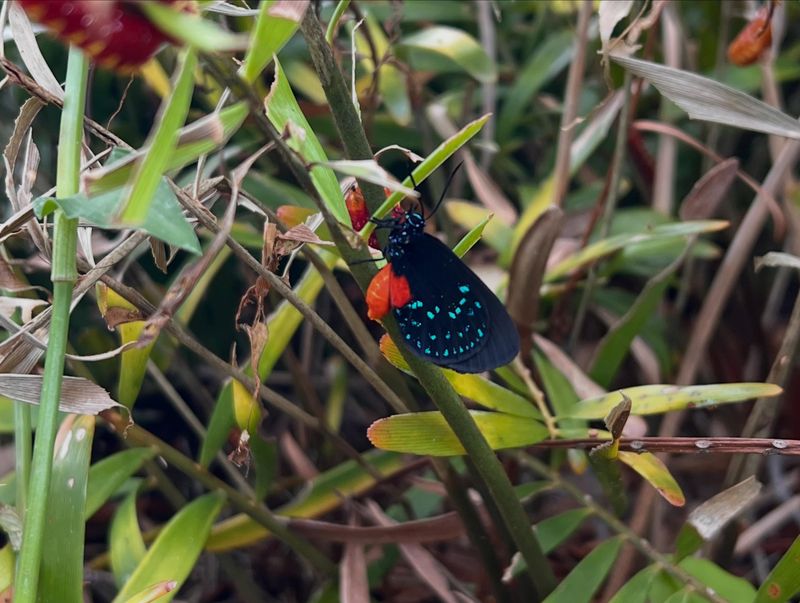
Low, tough, and a little wild in the best way, frogfruit is the native groundcover for gardeners who are tired of babying thirsty turf. It creeps along the ground, blooms with tiny flowers, and brings life to spaces that might otherwise be plain grass or bare sand.
Frogfruit supports small pollinators and is known as a host plant for several butterfly species. Those small insects and the habitat around them can help build a more active feeding zone for Chimney Swifts as they patrol overhead for gnats, midges, and other airborne prey.
Use it between stepping stones, along bed edges, in sunny lawn-alternative patches, or in areas where a lower plant makes more sense than another shrub. It can take foot traffic better than many flowering plants, though it still appreciates being treated like a living groundcover rather than a sports field.
For Florida yards with sandy, fast-draining soil, frogfruit offers a practical shift from insect-poor turf toward a more useful native carpet. Keep mowing high or only trim as needed so it has time to flower and do its quiet work.
5. Seaside Goldenrod
When many yards start looking tired, seaside goldenrod steps forward with bright yellow plumes that feel made for late-season Florida light. It is especially useful because it blooms when insects still need food and homeowners want color that can handle heat, sun, and sandy soil.
Goldenrods are insect magnets, supporting small bees, wasps, flies, beetles, and other tiny creatures. Chimney Swifts are not picky about your flower color, but they do benefit when a yard produces steady waves of small flying insects instead of relying on a few short bloom bursts.
Seaside goldenrod is a strong fit for sunny, well-drained areas, including coastal-influenced gardens and relaxed meadow-style borders. Pair it with muhly grass or other native perennials to keep it from looking like a random clump in the middle of the lawn.
One useful clarification: goldenrod is often blamed for allergies, but windblown ragweed pollen is usually the real troublemaker. Goldenrod pollen is heavier and mainly carried by insects, which is exactly why it earns a place in a yard built for wildlife activity.
6. Wax Myrtle
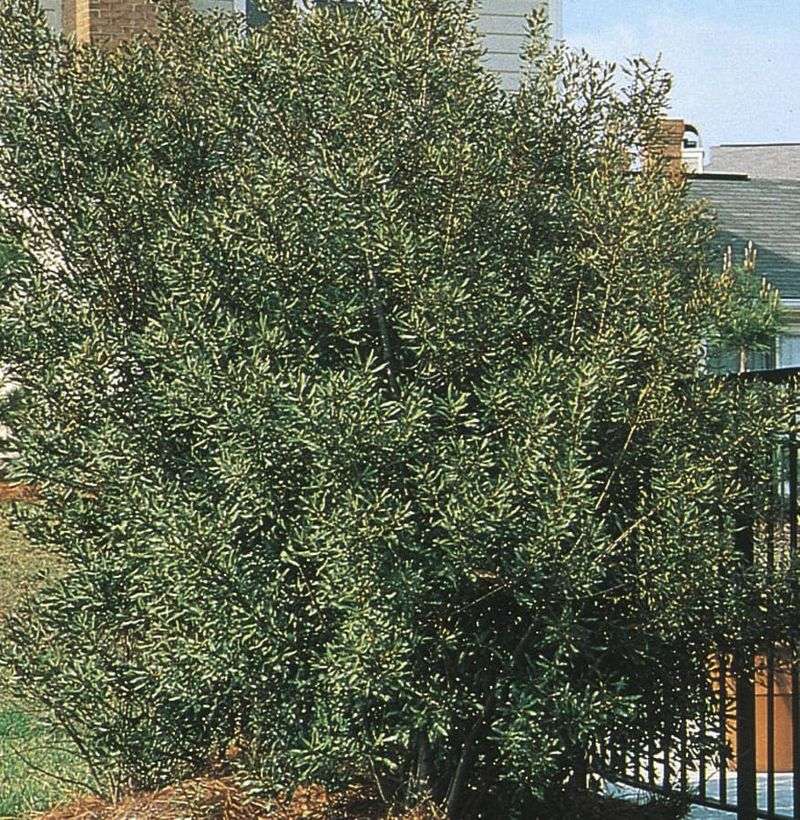
Some plants are the backbone of a yard, not the flashy centerpiece. Wax myrtle fills that role beautifully in Florida, forming a fast-growing native screen that can soften fences, hide utility areas, and give the whole landscape a more settled look.
Its flowers are not showy, but the plant supports insects and produces waxy berries that many birds use. For Chimney Swifts, the key benefit is not the berries themselves, but the healthier, layered habitat that keeps insect life present around shrubs, leaf litter, and nearby planting beds.
Wax myrtle handles sun to part shade and can tolerate a range of Florida conditions, including sandy soil once established. It is also a smart choice where wind and storms are part of normal garden planning, since a flexible native screen often fits better than brittle, high-maintenance ornamentals.
Give wax myrtle enough space, because it can become a large shrub or small tree. Underplanting it with native groundcovers or flowers adds another insect layer, turning a plain privacy screen into a living edge that helps feed the sky above your yard.
7. Elderberry
There is an old-fashioned charm to elderberry, the kind of plant that looks right near a fence, shed, ditch edge, or relaxed backyard border. Big creamy flower clusters appear before the dark berries, giving wildlife two different reasons to visit.
The flowers attract many small insects, including flies and tiny pollinators that help charge the yard with movement. Chimney Swifts hunt on the wing, so a native shrub that supports small airborne insects can be part of a bigger plan to make your property worth passing over again and again.
Elderberry prefers sun and does especially well where soil stays moderately moist, though it can adapt in many Florida landscapes if it is not left to bake dry when young. It suits informal spaces better than tightly clipped foundation beds, so place it where its loose shape will look intentional.
Birds may beat you to the berries, which is usually a sign the plant is doing its job. If your goal is fewer gnats and midges through natural predators, elderberry helps by feeding the small-life side of the web that attracts swift activity overhead.