
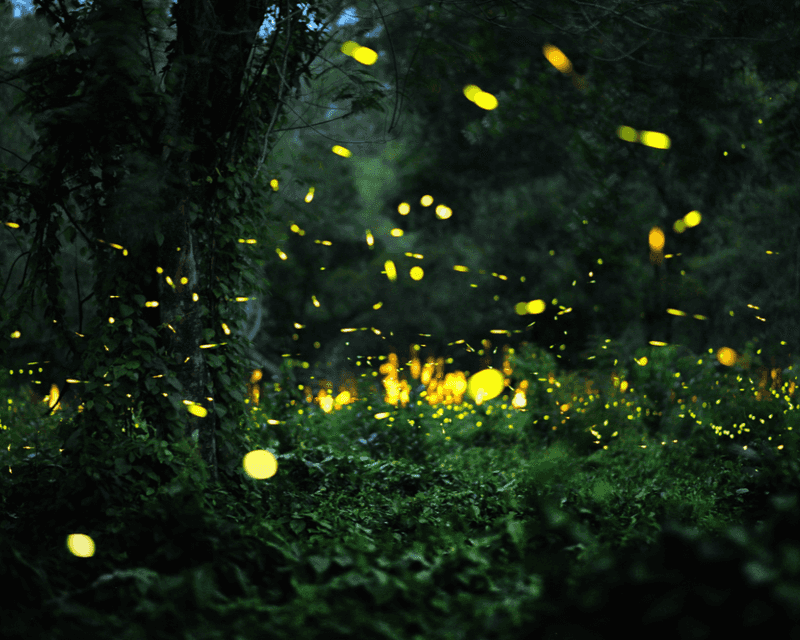
Fireflies do not vanish from a yard for no reason. They need damp hiding places, safe soil, leaf litter, and dark corners where their tiny lights can be seen.
Florida native plants can help rebuild that kind of yard without turning it into a high-maintenance project. Start with plants that fit your soil, give insects cover, and make evenings feel alive again.
1. Muhly Grass
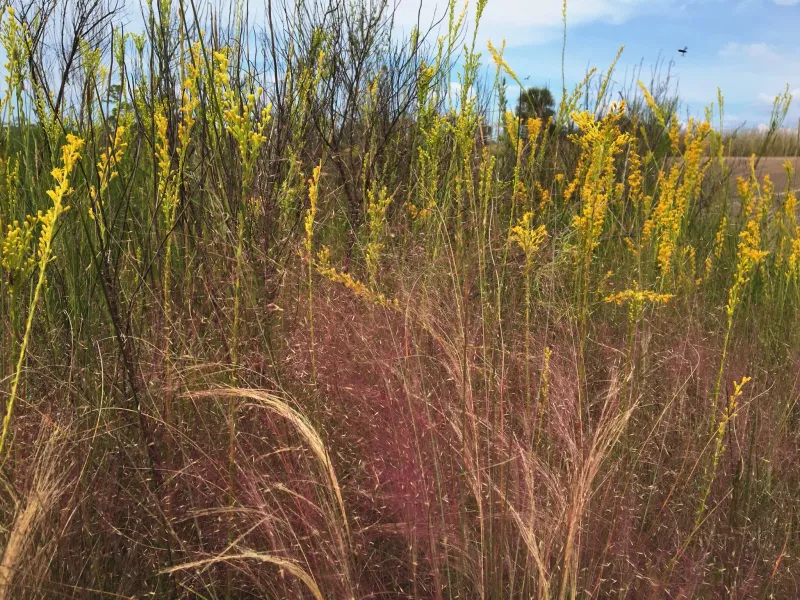
A patch of muhly grass can make a plain Florida yard look like it caught a sunset and held onto it. In fall, its pink clouds of bloom bring curb appeal, but the real firefly value sits closer to the ground.
Native grasses give adult fireflies and other small insects a place to rest during the day. The clumping base also helps shade the soil, which matters in sandy Florida yards that dry out fast after rain.
Firefly larvae spend much of their lives near the soil surface, so cooler, covered ground is far better than bare mulch baked by afternoon sun.
Muhly grass works best in full sun and well-drained soil, which makes it a strong choice for much of Florida. It does not want constant irrigation once established, and it handles heat without looking fussy.
Plant several in a loose drift instead of one lonely clump, leaving fallen leaves around the base when possible.
For homeowners who want wildlife help without a messy look, muhly is a friendly starting point. It looks intentional from the street while quietly adding shelter where a firefly life cycle can begin again.
2. Fakahatchee Grass
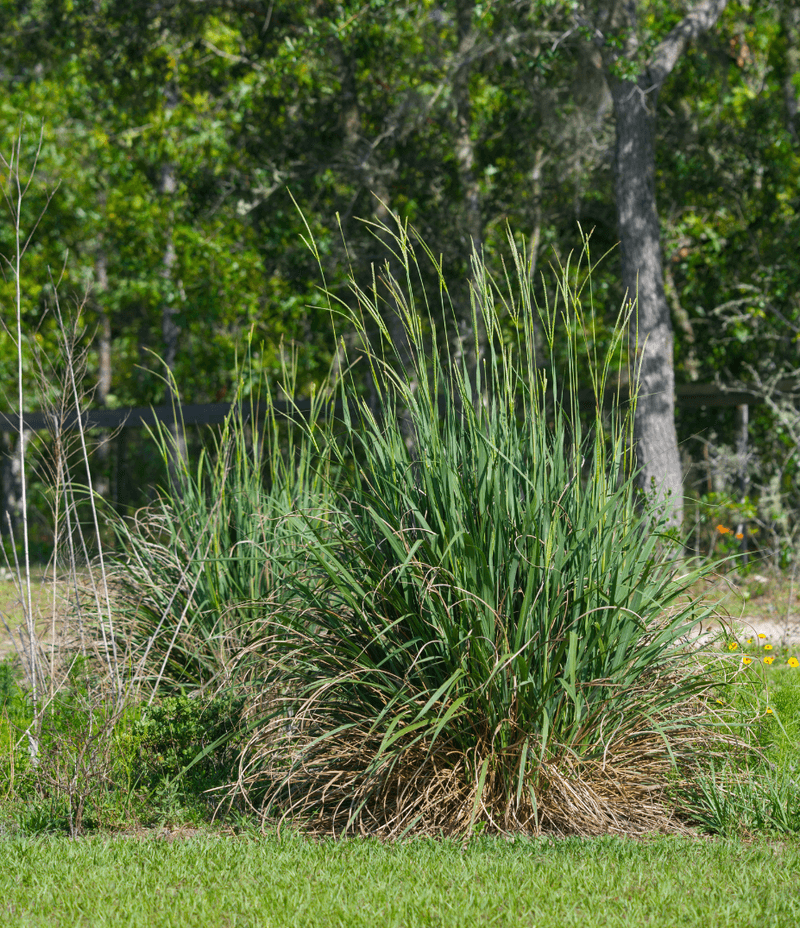
Big, bold, and a little wild, Fakahatchee grass feels like the plant version of a backyard refuge. It is not shy, so use it where you want structure along a fence, pond edge, swale, or the back of a native bed.
Fireflies are often linked to damp, protected places, and this grass can help create that mood fast. Its dense clumps hold moisture near the base, catch leaf litter, and give small creatures a break from heat and wind.
In Florida yards with low spots that stay damp after storms, Fakahatchee grass can turn a problem corner into habitat.
Give it room. Mature plants can become large, so they are better for wider borders than tight foundation beds.
In wetter parts of the yard, they usually look fuller with less pampering than many ornamental grasses sold for generic landscapes.
Fakahatchee grass is especially useful when a yard went dark after too much mowing, trimming, and clearing. A few strong clumps can bring back the layered cover that fireflies and their prey need.
Keep nearby outdoor lights low or off at night, and the grass becomes part of a safer evening zone rather than just a pretty screen.
3. Soft Rush
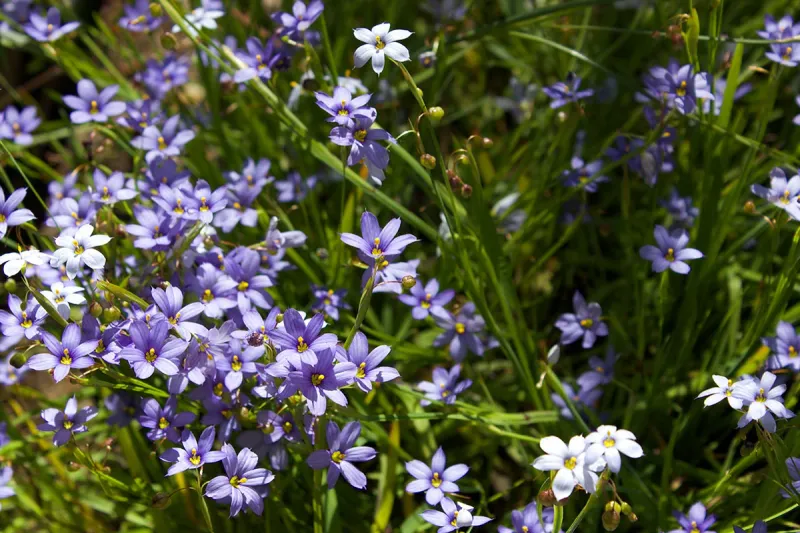
That soggy strip near the downspout may be more useful than it looks. Soft rush is a Florida native that likes moisture, making it a smart pick for rain gardens, pond margins, drainage swales, and low lawn edges that never behave like the rest of the yard.
Fireflies need more than flowers. Their larvae are hunters that often live in damp soil, wet leaf litter, or moist grassy edges where small prey such as snails, slugs, and soft-bodied insects can be found.
Soft rush helps make those wet edges feel less like wasted space and more like a living nursery.
The plant has upright, rounded green stems that bring a clean, modern texture to native beds. It can take sun, but in hotter inland spots, a little afternoon relief may keep it fresher.
In coastal or storm-prone Florida yards, it is also helpful because it suits places that briefly flood better than many standard landscape plants.
Use soft rush in groups instead of scattering single plants. A small colony slows water, shades the ground, and gives the yard a wilder edge without looking abandoned.
If you have been fighting a wet patch with turf, this plant may be the peace treaty.
4. Lizard’s Tail
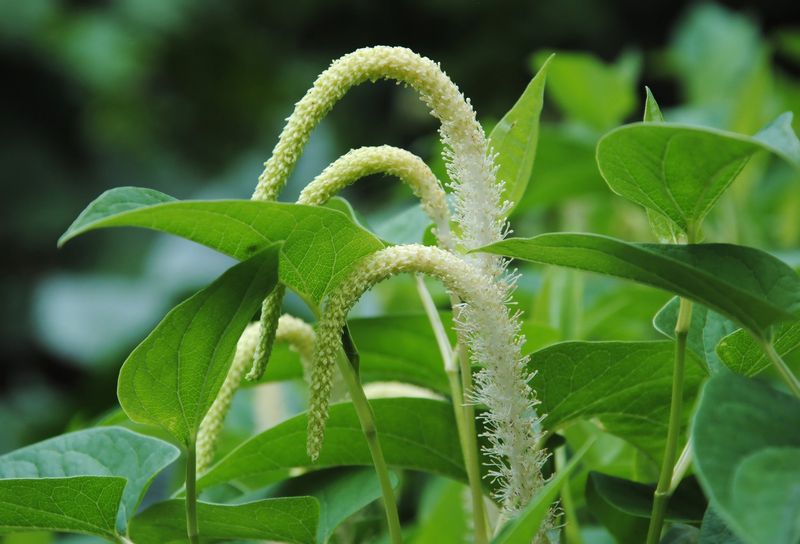
White flower spikes that curl like tiny tails make lizard’s tail one of the more charming natives for wet shade. It brings a woodland feel to places where turf thins out and many flowering plants give up.
In a firefly-friendly yard, lizard’s tail earns its spot by loving the kind of moisture that firefly larvae often favor. Plant it near a pond, seep, rain garden, ditch edge, or shaded low spot where the soil stays damp.
Its broad leaves help cover the ground, and that cover can protect the tiny world of insects, worms, snails, and other life below.
Unlike showy bedding plants that demand constant replacing, lizard’s tail is more about building a small ecosystem. It spreads where happy, so place it where a natural patch is welcome.
In formal yards, edge it with stones, logs, or a defined bed line so it looks planned instead of accidental.
Because many Florida homes have irrigation, runoff, and stormwater quirks, this plant can solve a real design problem. It turns a wet, shady corner into a cool pocket where evening light shows have a better chance of returning.
Pair it with leaf litter and fewer pesticides for the strongest benefit.
5. Buttonbush
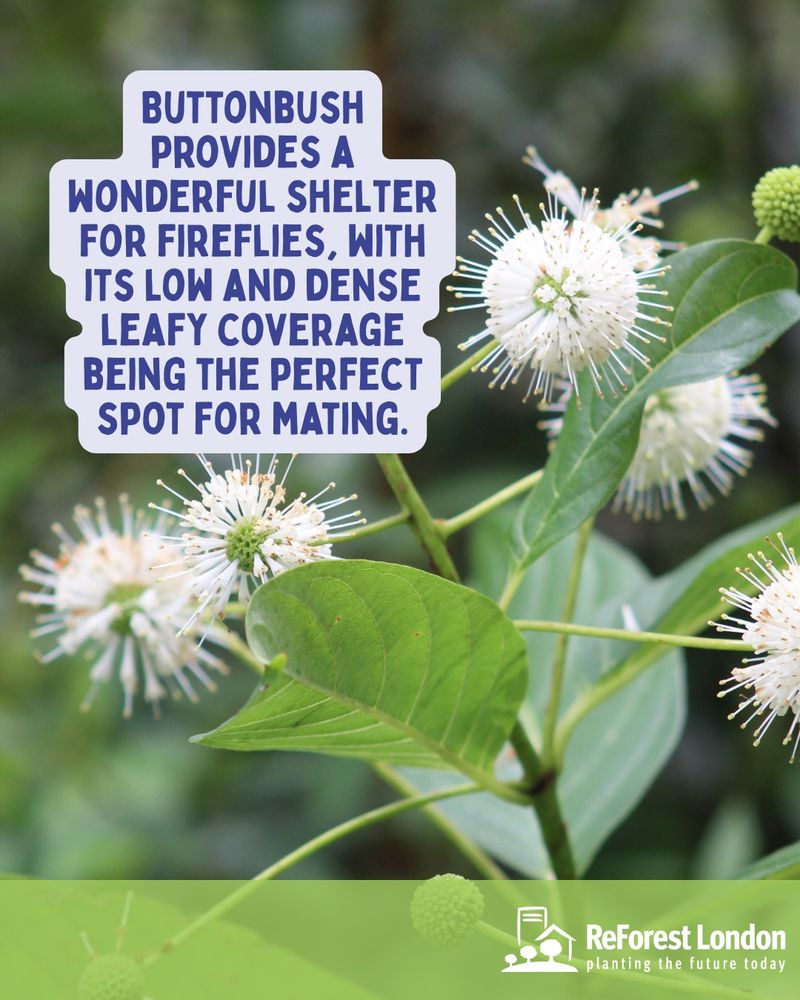
Buttonbush looks like someone decorated a shrub with little white pincushions. Those round blooms are fun to see up close, and they also pull in pollinators, which adds more movement and life around wet areas of the yard.
For fireflies, buttonbush is valuable because it belongs near moisture. It thrives along ponds, ditches, wetland edges, and rain gardens, all places where firefly habitat can improve when chemical use is low.
The shrub adds height, shade, and leaf drop, giving the ground below a cooler, richer layer than open lawn.
Florida gardeners should give buttonbush enough space and water access. It can become a sizable shrub, so it fits best in backyard wildlife corners, pond borders, or larger side-yard beds.
If your soil is sandy and dry, place it where roof runoff or regular moisture reaches the roots.
There is also a simple visual payoff. Buttonbush makes a wet edge look deliberate, not neglected.
Birds may visit later for seeds, butterflies work the flowers, and the damp shade below becomes better habitat for the small creatures that support firefly larvae. It is a plant for yards that want to feel alive from afternoon through nightfall.
6. Beautyberry
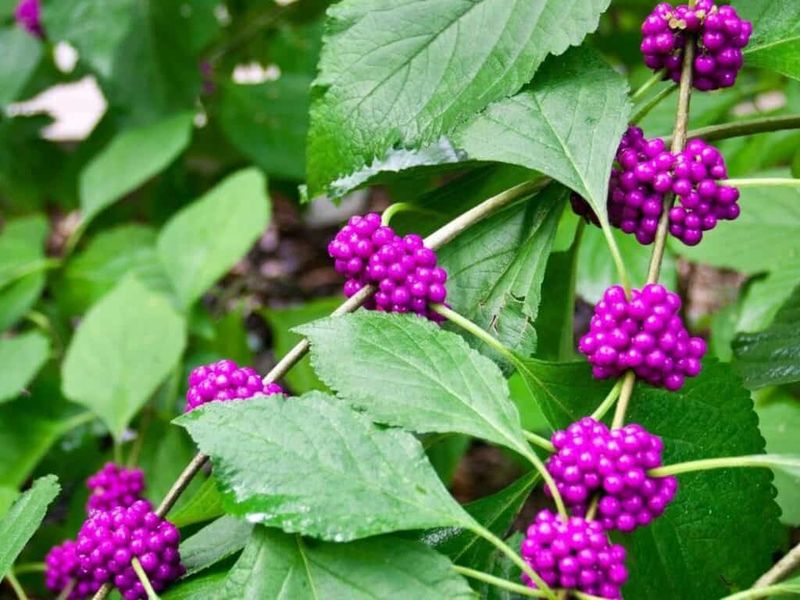
Few native shrubs stop people mid-walk like beautyberry when its purple berries appear. The color looks almost too bright to be real, especially in a lightly shaded Florida border where the plant can stretch into its relaxed, arching shape.
Beautyberry helps fireflies in a different way than wetland plants do. It creates a soft shrub layer, drops leaves, and gives the yard a less sterile structure.
Adult fireflies need protected daytime resting spots, and a loose native shrub border offers more shelter than clipped hedges surrounded by bare ground.
This shrub is also practical for Florida homeowners who want wildlife value without constant fuss. It tolerates part shade and can handle many typical yard conditions once established, though it looks best with some moisture.
Birds relish the berries, so the plant adds daytime wildlife interest while you wait for evening flashes.
Let the leaves collect under it when you can. That thin, natural litter layer is not trash, it is habitat.
Firefly larvae and their prey benefit from soil that is not scraped clean every week. Place beautyberry along a fence, near a patio edge, or behind lower native plants where it can make a sheltered pocket without taking over the whole scene.
7. Wax Myrtle
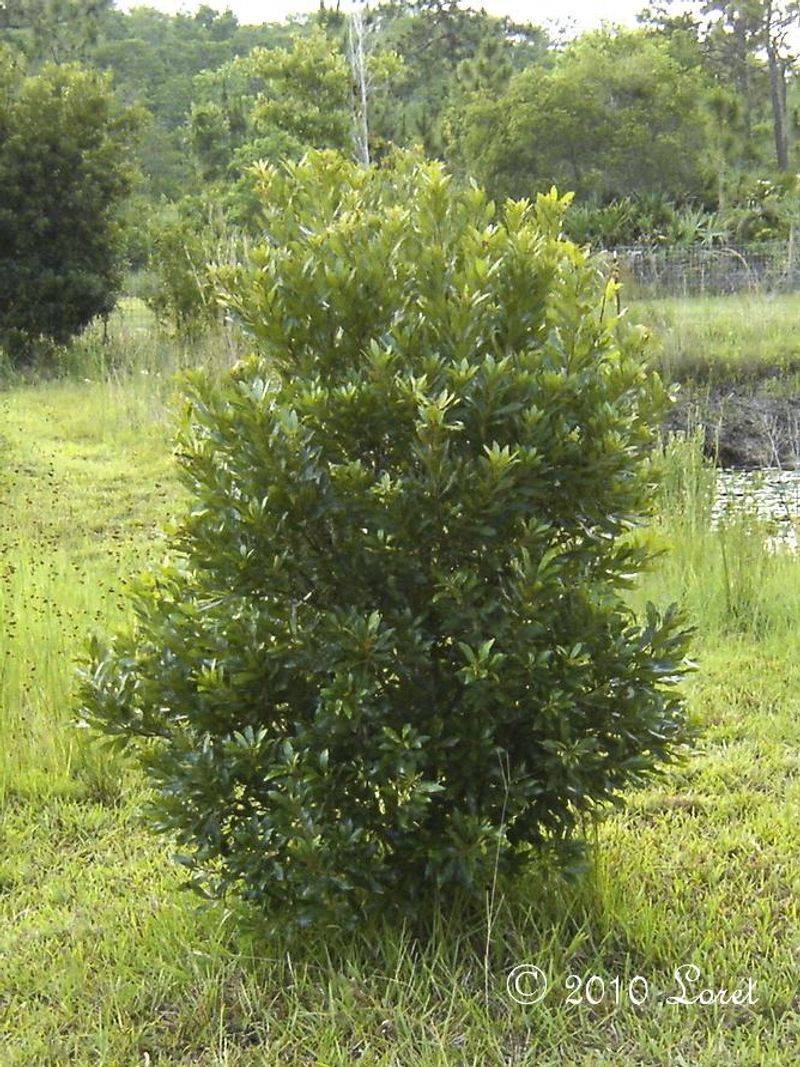
If your backyard feels too exposed for wildlife, wax myrtle can change the whole mood. It grows into a leafy screen that softens fences, blocks harsh views, and gives small creatures a place to disappear during the heat of the day.
Fireflies do not perform well in yards that are bright, bare, and constantly disturbed. Wax myrtle helps by adding a living wall where shade, dropped leaves, and calmer air collect.
Its evergreen to semi-evergreen cover, depending on conditions, makes it useful for privacy and habitat at the same time.
Florida gardeners often use wax myrtle because it handles sandy soil, heat, and tough sites better than many fancier shrubs. It can be pruned as a hedge, but for wildlife, a looser shape is better.
Avoid stripping the ground underneath. A modest layer of leaves and pine needles keeps the soil cooler and supports the tiny prey firefly larvae may hunt.
For the best firefly payoff, plant wax myrtle away from bright security lights or use warm, shielded fixtures nearby. The plant can create the dark edge your yard has been missing.
With one good screen, a plain lawn starts to feel more like a safe nighttime room for fireflies, birds, and beneficial insects.