
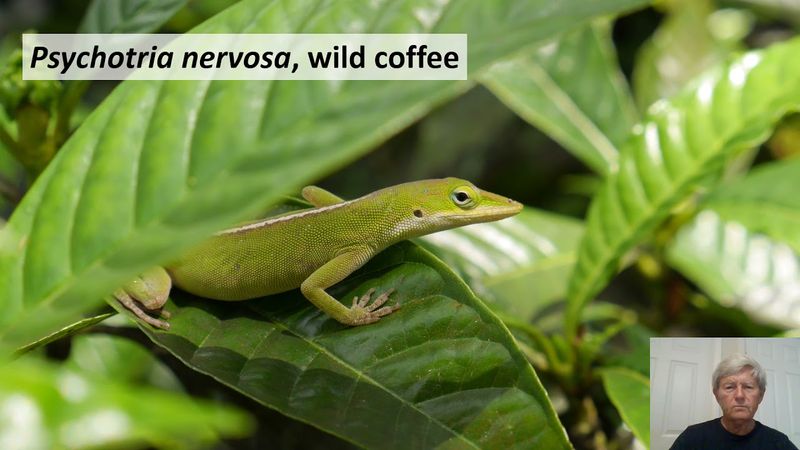
Geckos show up where tiny insects gather, and the right plants can make your walls and porch lights a better hunting spot. In Florida yards, native plants are a smart choice because they handle sandy soil, heat, heavy rain, and local wildlife better than many fussy ornamentals.
Planting near patios, fences, and foundation beds can support moths, beetles, flies, and other small prey that geckos chase after dark. Here are seven Florida natives that can make your home landscape more lively while helping nature do some pest patrol.
1. Coral Honeysuckle
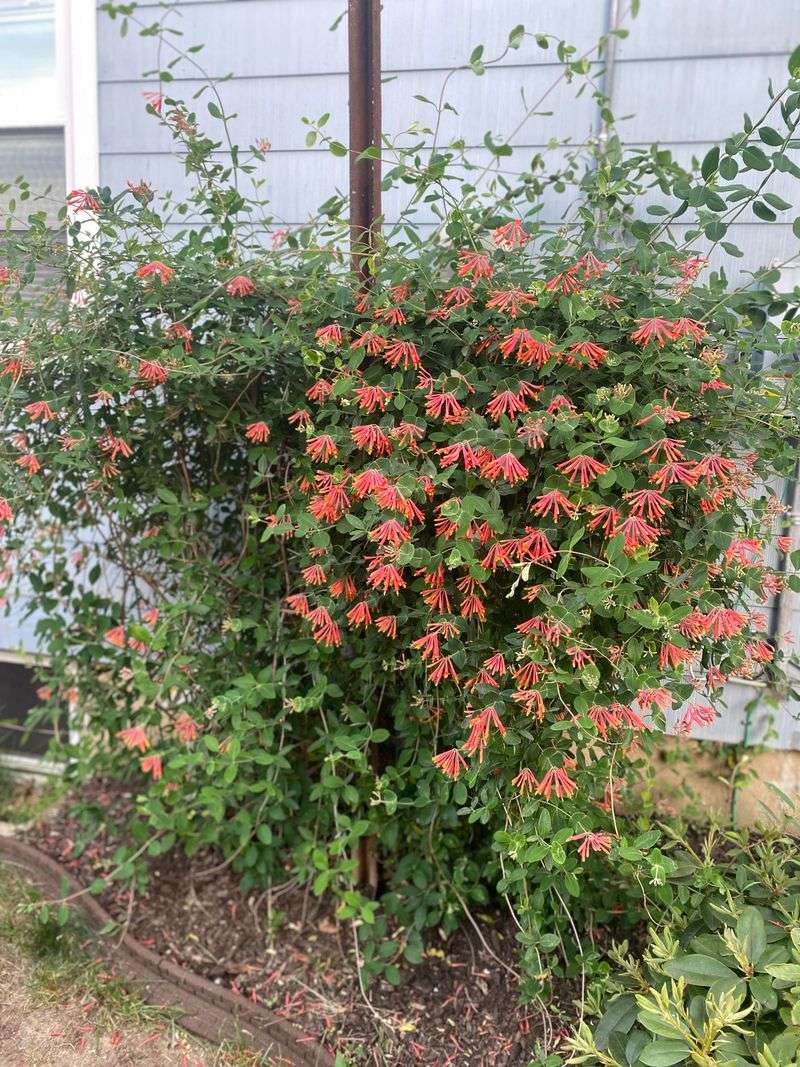
A porch post wrapped in coral honeysuckle can feel like a tiny wildlife tower by sunset. Its red-orange tubular flowers bring hummingbirds and pollinators during the day, while the leafy growth gives small insects places to rest and move around after dark.
That activity matters because geckos do not come for the plant itself. They come for the buffet.
When coral honeysuckle grows near a wall, fence, arbor, or screened porch, it can help concentrate small flying insects close to the hard surfaces where geckos like to hunt.
Florida gardeners also get a plant that behaves better than many aggressive vines. Coral honeysuckle is native, does well in sun to part shade, and can handle typical Florida sandy soil once established.
Give it a trellis or rail instead of letting it sprawl into nearby shrubs.
For best results, place it near outdoor living areas but not so close that vines trap moisture against siding. A few feet of breathing room keeps the wall easier to maintain while still giving night-hunting geckos a reason to patrol nearby.
2. Firebush
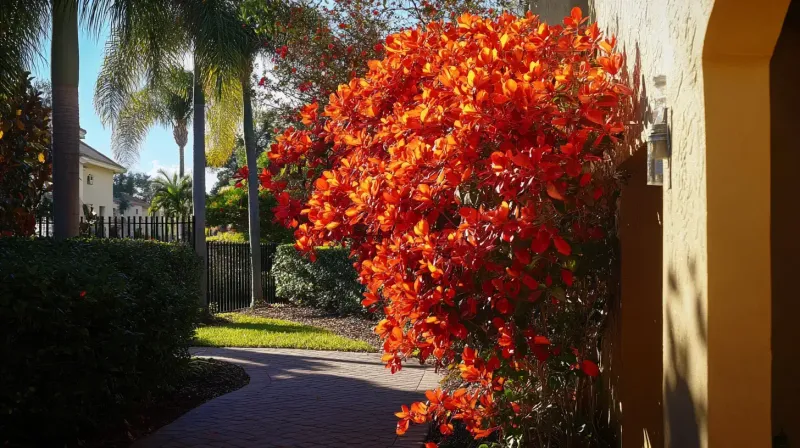
Few shrubs look as alive in a Florida yard as firebush on a warm afternoon. Orange-red blooms keep pulling in butterflies, bees, and other small visitors, and that steady insect traffic can spill into the evening around nearby walls and lights.
Firebush earns its place on this list because it is a bold, medium-to-large shrub that can anchor a bug-rich planting zone without needing pampering. In much of Florida, it tolerates heat, humidity, and sandy soil better than many showy landscape plants.
Once established, it is often a low-fuss choice for gardeners who want color and wildlife value in the same spot.
Near a patio or house corner, firebush can create a living edge where insects gather before geckos begin their nightly rounds. Keep the shrub trimmed back from walls so air can move freely, especially in stormy or humid weather.
That spacing also makes it easier to spot geckos using the wall as a hunting lane.
Firebush is especially useful for homeowners who want a plant that looks intentional, not messy. It brings curb appeal, bird and pollinator activity, and a practical pest-web effect that fits Florida yards beautifully.
3. Frogfruit
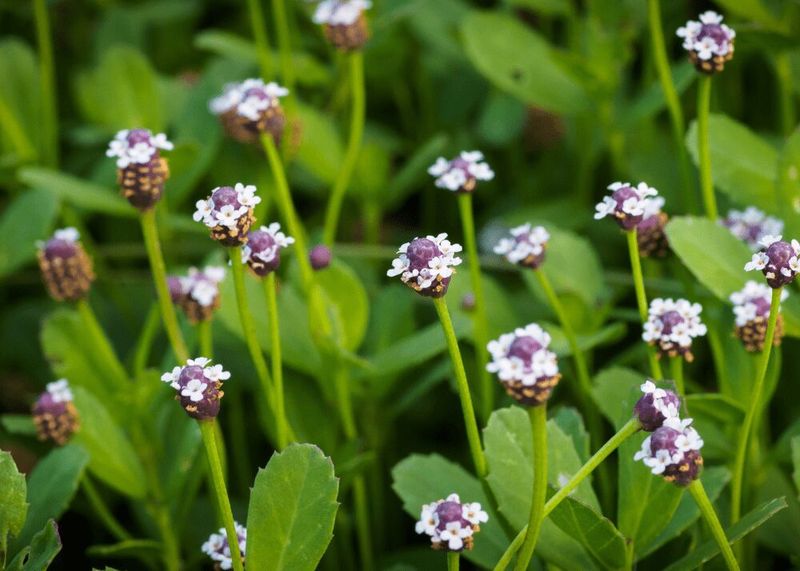
Look down near the walkway and you may miss frogfruit at first, but insects rarely do. This low native groundcover makes tiny flowers that attract small pollinators, especially in warm Florida weather when lawns and beds can look tired.
Frogfruit is different from the taller plants here because it works at ground level. It fills edges, softens paver borders, and can replace bare sandy patches where weeds usually sneak in.
Around porches and foundation beds, that low mat can support the kind of small insect movement that draws geckos toward walls, steps, and lighted entry areas.
For Florida homeowners, frogfruit is also practical. It handles foot traffic better than many flowering groundcovers, spreads without looking too formal, and fits nicely in sunny spots where turf struggles.
It can be especially handy beside a path leading to a porch, where insects naturally drift toward warm surfaces and lights.
Give frogfruit room to knit together, and avoid heavy pesticide use around it. Spraying away every insect also removes the food source that makes geckos useful.
A living edge of frogfruit can turn a plain strip of soil into a small hunting ground for night patrols.
4. Beautyberry
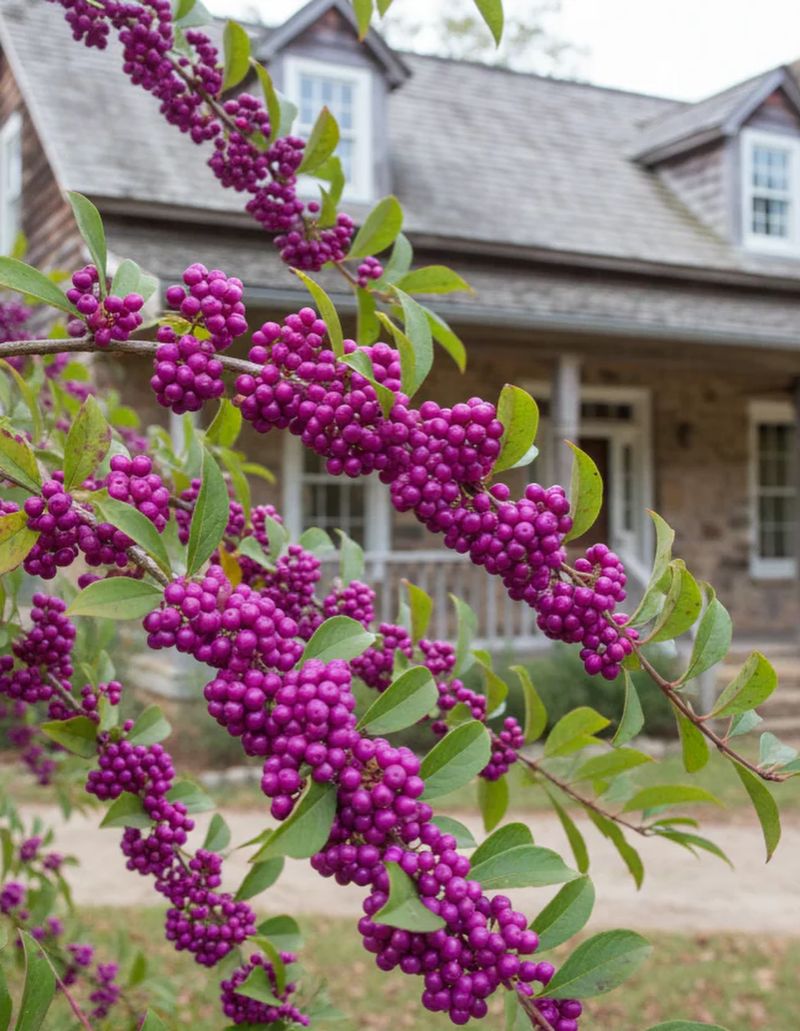
Beautyberry is the shrub that makes neighbors slow down and ask what you planted. Those bright purple berry clusters are the showpiece, but the plant also supports insects in its flowers and foliage, which can make the nearby wall more interesting to hungry geckos.
Unlike nectar-heavy bloomers, beautyberry adds value across seasons. Small spring and summer flowers attract pollinators, then the berries feed birds later in the year.
That layered wildlife use gives a Florida yard more life without turning the bed into a high-maintenance project.
Place beautyberry along a side wall, back fence, or loose foundation border where it has space to arch naturally. It can get wide, so avoid jamming it into a narrow strip by the front door.
With room, it becomes a soft screen that shelters insects and gives lizards more nearby cover as they move between plants and walls.
Florida sandy soil is usually not a deal breaker once the plant is established, though regular water helps young shrubs settle in. Prune lightly if needed, but do not shear it into a stiff ball.
A relaxed shape keeps more flowers, fruit, and hiding places in the mix.
5. Coontie
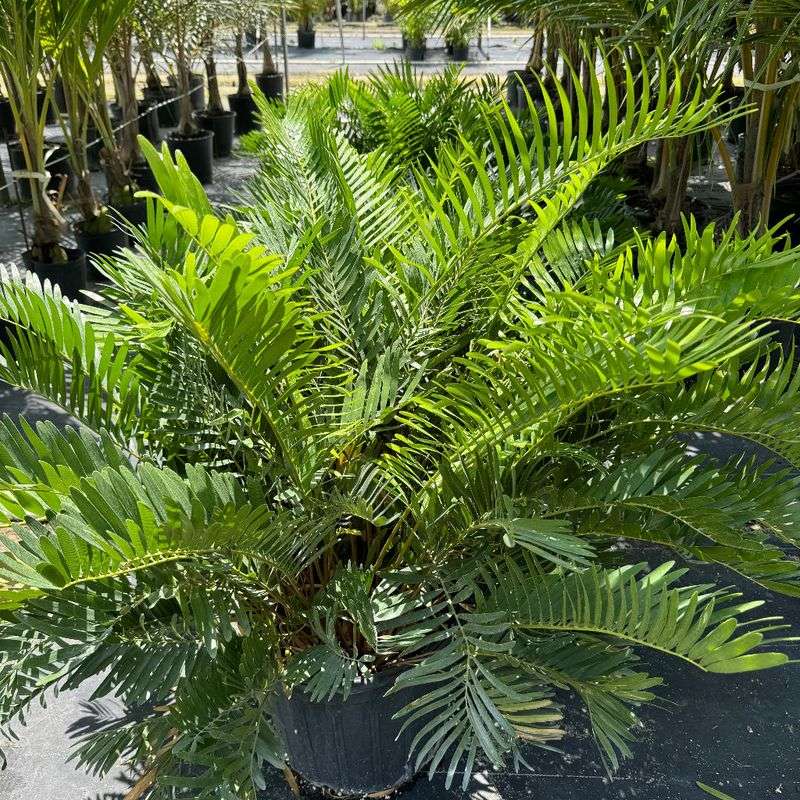
Coontie brings an old-Florida look without asking for much attention. Its glossy, fernlike leaves stay neat in tight spaces, which makes it useful near walls, porch steps, and entry beds where many shrubs grow too big.
The special reason to plant coontie is structure. It creates low, dense cover where small insects and other tiny creatures can hide, while still keeping the bed tidy enough for a front yard.
Geckos often hunt on vertical surfaces, but they benefit from nearby planted areas where prey is active and where the lizards can retreat during the day.
Coontie is also the host plant for the atala butterfly, a Florida conservation success story that many gardeners love. While geckos are not chasing butterflies as a main food source, a yard that supports native insect life tends to have more overall movement in the food web.
That is what helps make walls and porch corners more active after dark.
Use coontie in part shade to sun, especially in sandy, well-drained beds. It is drought tolerant once established and holds up well in clean, low-maintenance landscapes.
Leave leaf litter or mulch around the base rather than bare soil for better habitat.
6. Simpson’s Stopper
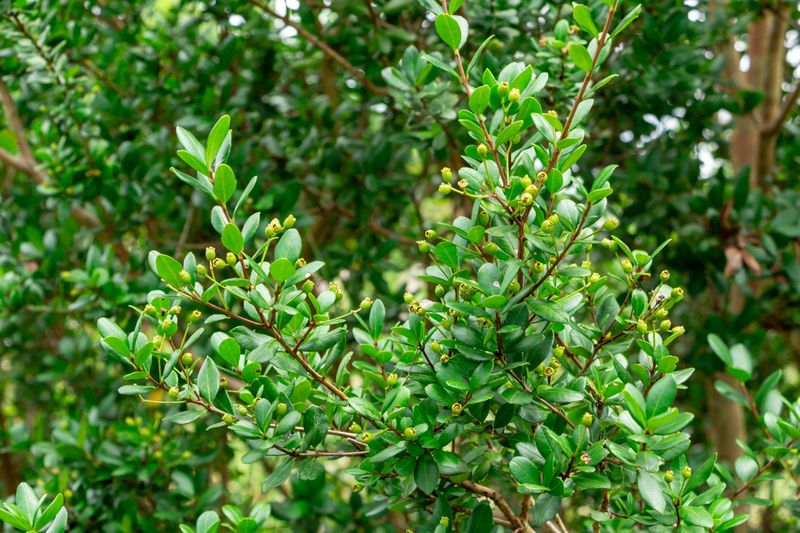
If your yard needs something more polished than wild and sprawling, Simpson’s stopper is a strong pick. It can be grown as a handsome shrub or small tree, with glossy leaves, fragrant white flowers, and colorful berries that fit well in front-yard landscapes.
Its advantage is balance. Simpson’s stopper looks refined enough for an entry planting, yet it still supports pollinators and birds.
The flowers bring small insects close to the house during bloom periods, and a dense shrub placed near a wall or patio can help create the kind of edge habitat where geckos search for prey.
Florida gardeners often like it because it tolerates heat, coastal conditions, and sandy soils once established. It can also handle pruning, so you can keep it sized for a foundation bed without fighting it every month.
That makes it a practical alternative to nonnative hedge plants that offer less wildlife benefit.
Plant it where it gets sun to part shade and enough space for airflow. A loose hedge along a patio wall, driveway, or side yard can become a quiet insect corridor.
At night, geckos may use the nearby stucco, brick, or fence surfaces as their hunting route.
7. Dune Sunflower
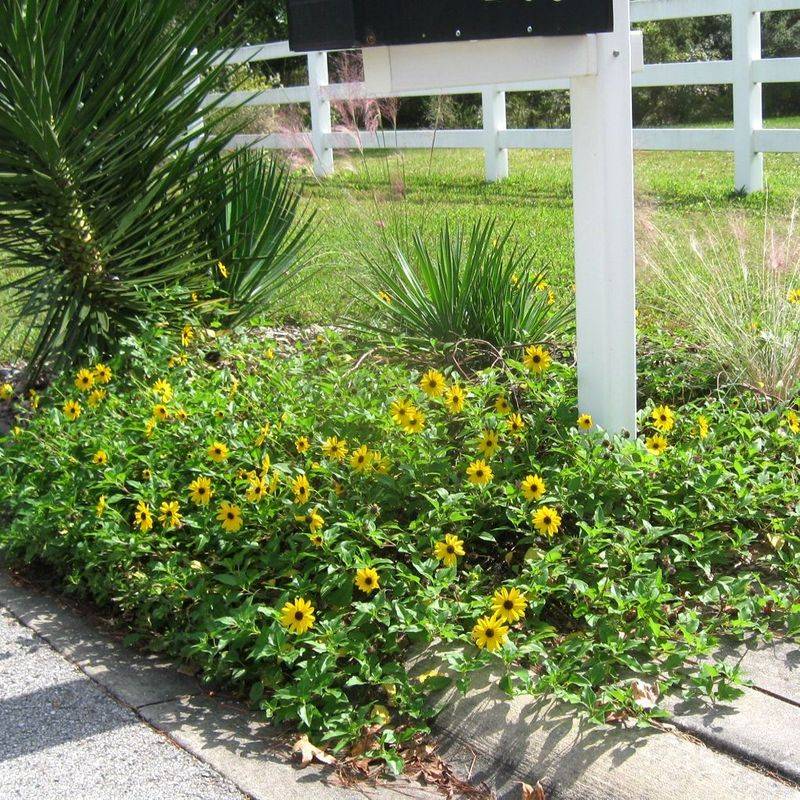
Sunny, sandy, and a little cheerful, dune sunflower is made for Florida yards that cook in the afternoon. Its bright yellow blooms look casual and beachy, but they also pull in small pollinators that help feed the wider backyard food chain.
Dune sunflower stands out because it thrives where many bedding plants fade. Hot strips along driveways, mailbox beds, and open areas near patios are all good candidates if drainage is sharp.
In those tough spots, the plant can spread into a flowering patch that keeps insect activity close to the ground and near nearby hard surfaces.
That setup can help geckos by placing prey near walls, porch columns, pavers, and foundation edges. The goal is not to create a swarm of bugs.
It is to support enough small life that geckos have a reason to stick around and pick off insects naturally, especially near outdoor lights.
Trim dune sunflower when it gets leggy, and give it room to roam without covering vents or crowding walkways. It suits relaxed Florida landscapes, coastal gardens, and low-water beds.
Paired with mulch and a few taller natives, it can turn a bare sandy corner into a lively evening hunting zone.