
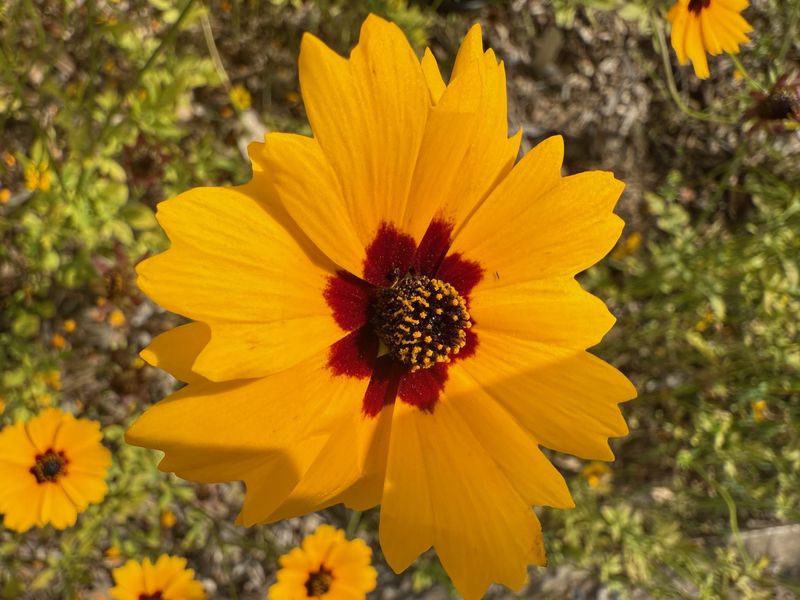
Chinch bugs can turn a green Florida lawn into a patchy mess fast, especially in hot, dry weather. Ladybugs are one of the helpful insects that feed on small soft-bodied pests and can support a healthier yard when you give them the right plants nearby.
The trick is planting Florida natives that offer nectar, pollen, shelter, and a steady insect buffet without demanding fussy care. Here are seven native plants that can make your lawn edges, borders, and sunny beds more inviting to ladybugs.
1. Frogfruit
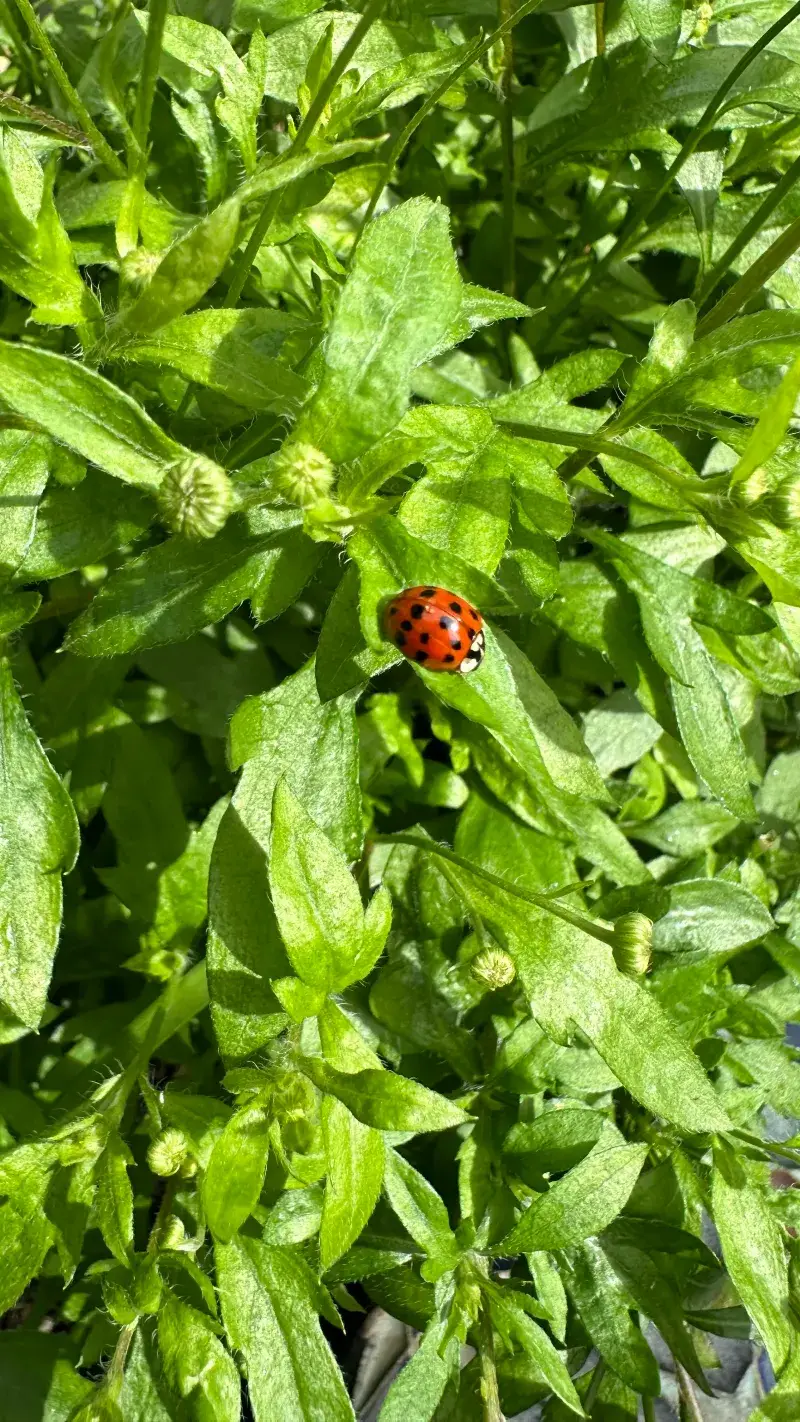
A low, blooming mat along the lawn can do more pest-control work than a bare strip of mulch. Frogfruit is a Florida native groundcover that stays close to the soil, blooms for long stretches, and gives ladybugs a place to hunt right where chinch bugs often cause trouble, near warm lawn edges.
Its tiny flowers supply nectar for adult ladybugs, while the dense stems create cover from heat, wind, and hungry birds. In Florida yards with sandy soil, frogfruit is especially useful because it handles lean conditions once established and does not need the pampering that many bedding plants demand.
Use it along walkways, around patio borders, or beside St. Augustinegrass where chinch bug damage often shows up as yellowing patches. It can take some foot traffic, but it performs best where people are not constantly walking across it.
Frogfruit also supports small native bees and butterflies, so it does more than call in ladybugs. If you want a lawn-friendly plant that feels practical instead of ornamental-only, this one earns its spot by working at ground level where the pest problem starts.
2. Spotted Beebalm
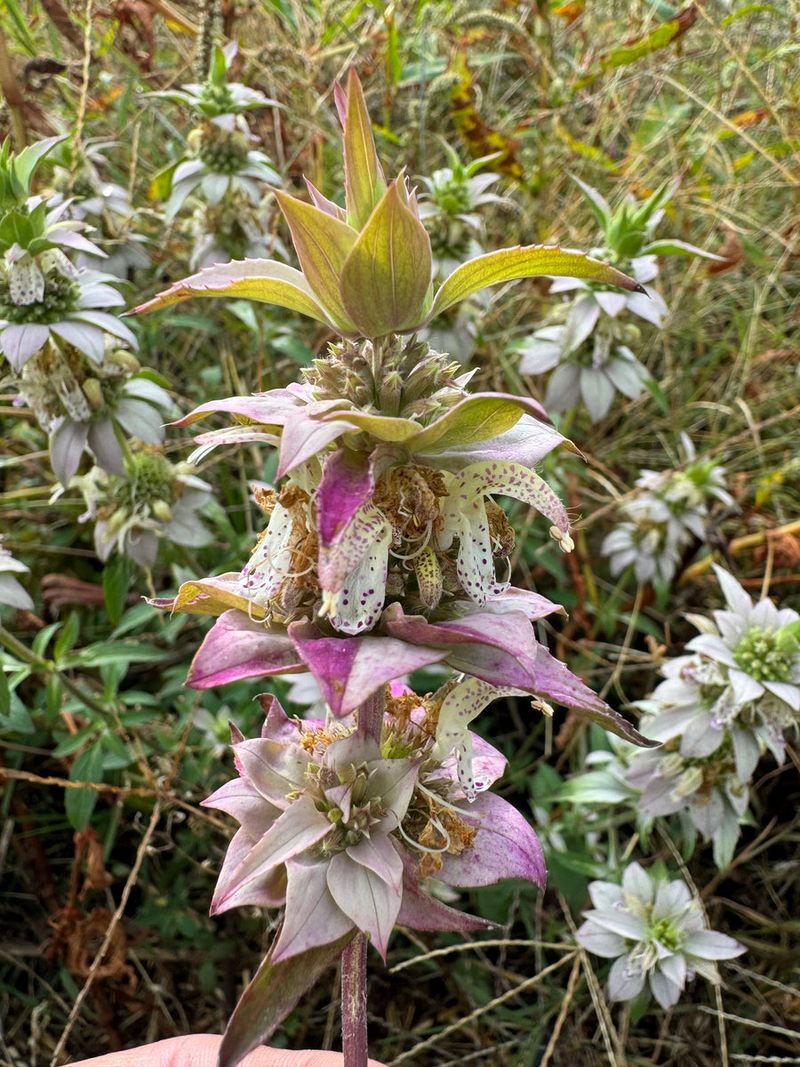
Spotted beebalm looks a little wild in the best possible way, like a plant that showed up ready to run its own tiny insect café. Its stacked blooms and spotted petals attract a mix of beneficial insects, including ladybugs looking for nectar and nearby prey.
For Florida gardeners fighting chinch bugs, the big advantage is timing. Spotted beebalm thrives in sunny, sandy spots and can bloom during the warm months when lawn pests are active and homeowners are watching brown patches spread.
Plant it in a border close to turf, not in the middle of the lawn. That gives ladybugs a landing zone near the problem area without making mowing awkward or crowding grass that already feels stressed.
Its aromatic foliage is another perk in hot Southern yards. Many gardeners appreciate plants that smell herbal when brushed, and the fragrance adds a lively feel near paths, mailbox beds, or sunny side yards.
Spotted beebalm may reseed when happy, so give it a spot where a relaxed, natural look is welcome. In return, it brings height, bloom power, and a steady stream of beneficial-insect traffic.
3. Goldenrod
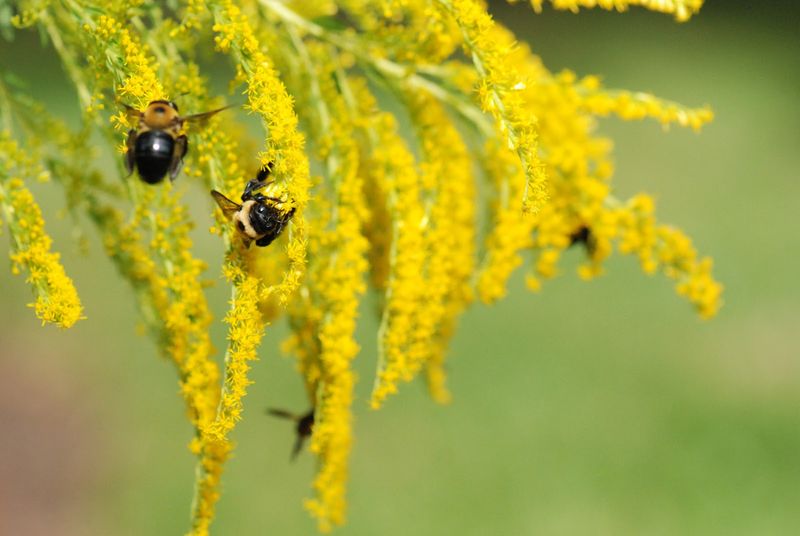
Goldenrod often gets blamed for allergies it does not deserve, while quietly feeding some of the best helpers in the garden. In Florida, native goldenrods can be excellent late-season nectar plants for ladybugs, lacewings, hoverflies, and tiny wasps that help keep pest populations in check.
Ladybugs need more than prey to stick around. Adult beetles also use nectar and pollen, especially when pest numbers dip, and goldenrod offers that food at a time when many summer flowers are fading.
Place goldenrod in a back border, fence line, or sunny bed near the lawn rather than right against a narrow walkway. Some types can grow tall and spread, so it is best for gardeners who have room for a slightly wilder native patch.
Near turf, goldenrod acts like a beneficial-insect rest stop. Ladybugs can shelter in the foliage, feed on the blooms, and move into nearby grass when small pests become available.
For a neat Florida yard, cut back spent stems after flowering and keep the patch defined with edging. You still get the wildlife value without letting the bed look forgotten.
4. Partridge Pea
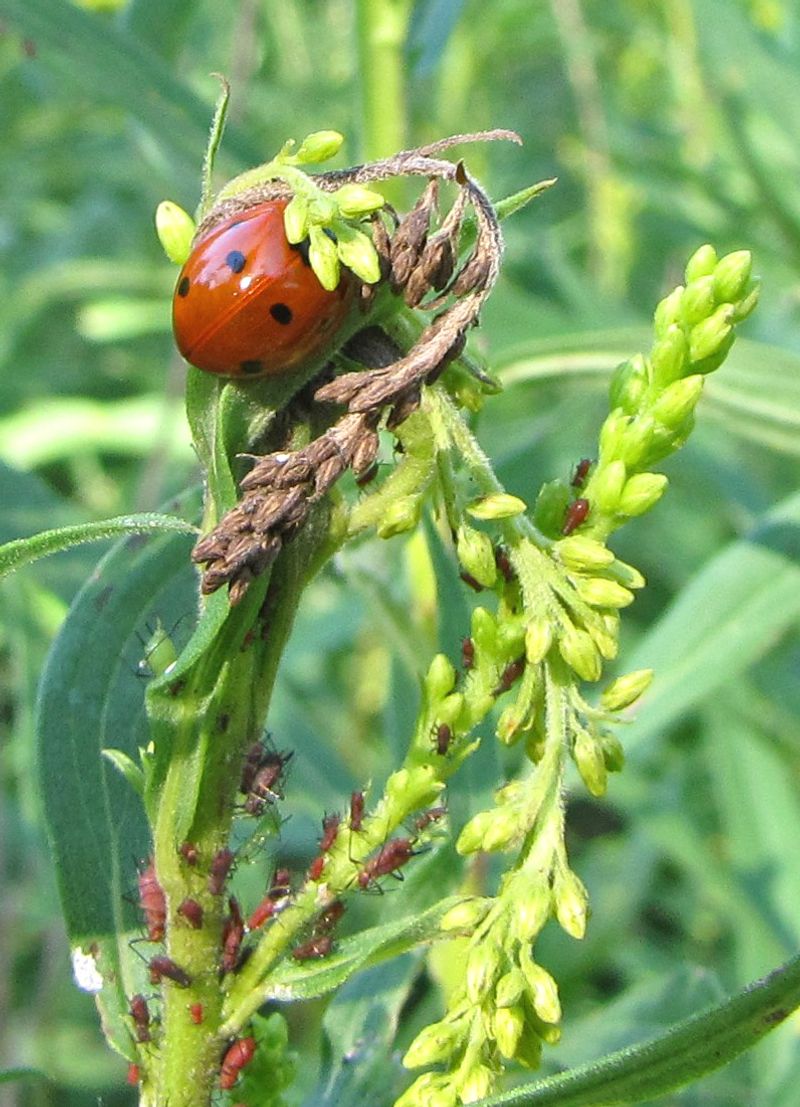
Few plants look as cheerful while doing hard work as partridge pea. Its bright yellow flowers, delicate leaves, and ability to grow in poor sandy soil make it a smart pick for Florida homeowners who want a useful native without constant watering or feeding.
Partridge pea is a legume, which means it has a relationship with soil bacteria that can help it thrive in lean ground. That matters in Florida, where sandy yards often drain fast and leave many plants struggling by afternoon.
Ladybugs are drawn to the insect activity that gathers around partridge pea, along with nectar from its flowers. The plant can host small sap-feeding insects, and that may sound bad at first, but a modest prey supply helps keep ladybugs nearby instead of passing through.
Use partridge pea in a sunny strip beyond the mower line, near a vegetable garden, or along a property edge where a natural meadow look fits. It is usually grown as an annual or short-lived perennial, but it often reseeds when conditions suit it.
Because it can pop up from seed, avoid placing it where you need a formal, polished bed. Give it a practical wildlife corner, and it becomes a low-cost support plant for beneficial insects.
5. Seaside Goldenaster
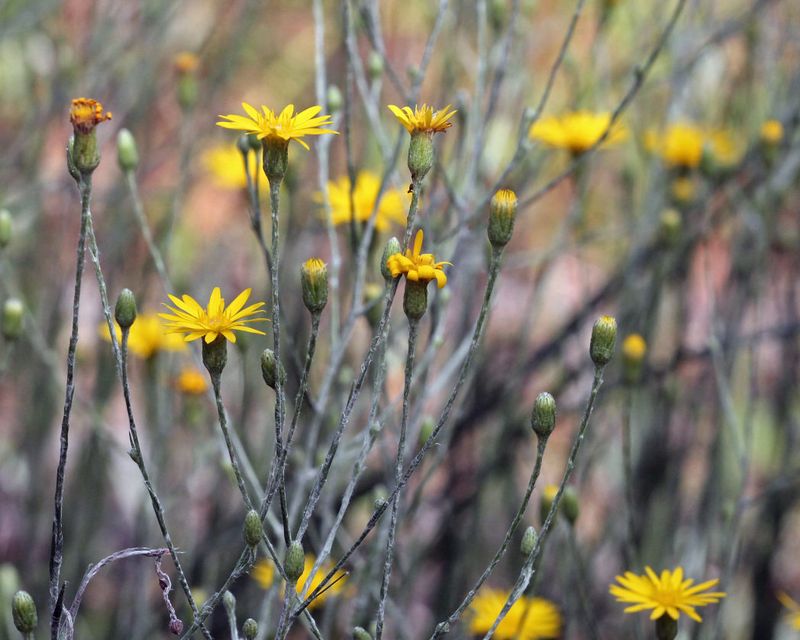
Salty air, sandy soil, and blazing sun do not scare seaside goldenaster. That toughness makes it especially useful for Florida yards near the coast, but inland gardeners with dry, sunny beds can appreciate it too.
The daisy-like yellow flowers offer easy access to nectar and pollen for ladybugs and other beneficial insects. Unlike deep tubular flowers that favor long-tongued pollinators, these open blooms are friendly to small insects that need a simple landing pad.
Seaside goldenaster works well as a tidy native addition near turf, especially where irrigation does not reach evenly. A strip of it beside a driveway, sidewalk, or mailbox bed can soften hard edges while giving ladybugs a reason to patrol nearby lawn.
Its compact habit is what sets it apart from taller, rangier natives. Homeowners who want wildlife value but still care about curb appeal may find it easier to place than larger wildflowers.
As with many Florida natives, good drainage is key. Plant it high rather than in a soggy low spot, mulch lightly, and avoid smothering the crown.
Once settled, it can handle heat with a calm, no-drama style that suits busy yards.
6. Blanketflower
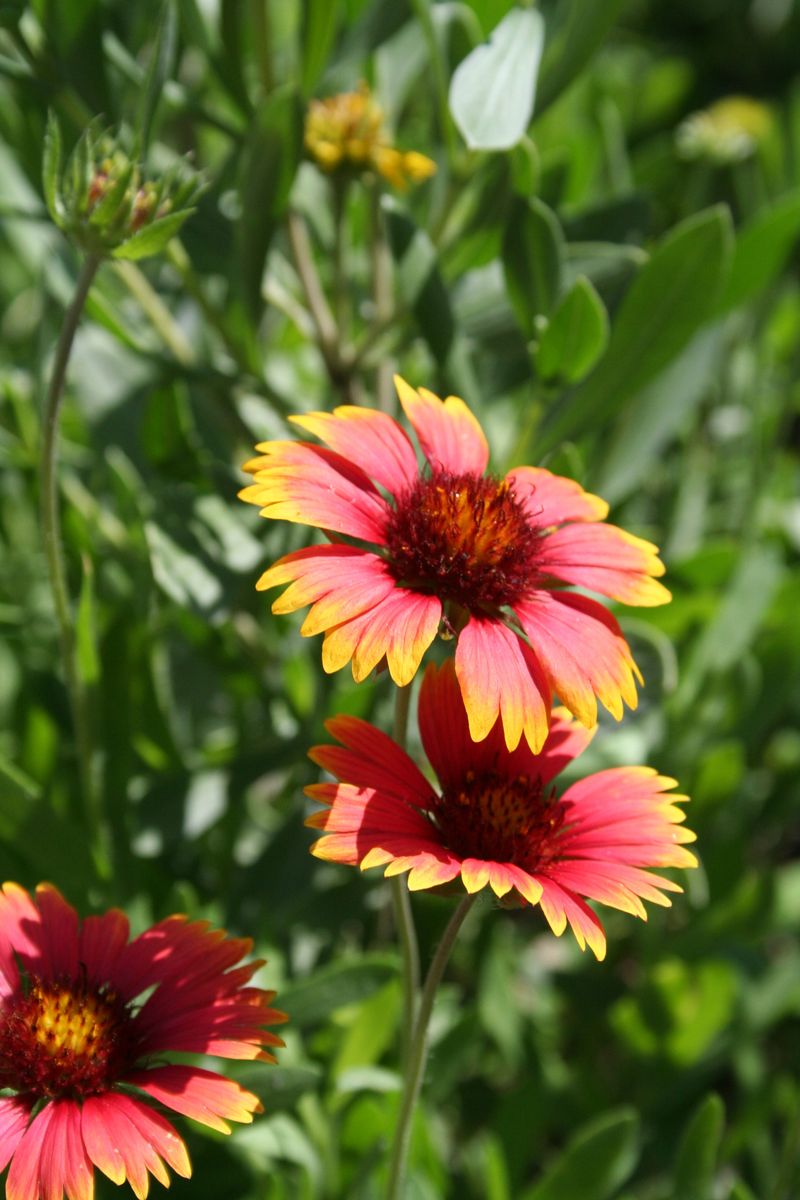
Blanketflower brings the color of a beach sunset to a problem-solving lawn border. With red, orange, and yellow blooms, it earns attention from people first, then keeps working by feeding ladybugs and other helpful insects through long stretches of warm weather.
Florida gardeners like blanketflower because it handles sun, heat, and sandy soil with less fuss than many showier annuals. It is especially good for open, bright spots where tender plants wilt or need constant irrigation.
For chinch bug pressure, the goal is not to plant blanketflower in the lawn itself. Instead, place it in clusters near turf so adult ladybugs have food and shelter close to the grass where pests may be active.
Deadheading can keep the display cleaner, but leaving some seed heads supports birds and reseeding. That balance lets you decide whether the bed should look crisp or a bit more natural.
Blanketflower is also a strong choice for front-yard visibility. If you are trying to make a pest-smart planting look intentional rather than messy, its bold flowers help the whole border read as planned, colorful, and useful.
7. Coreopsis
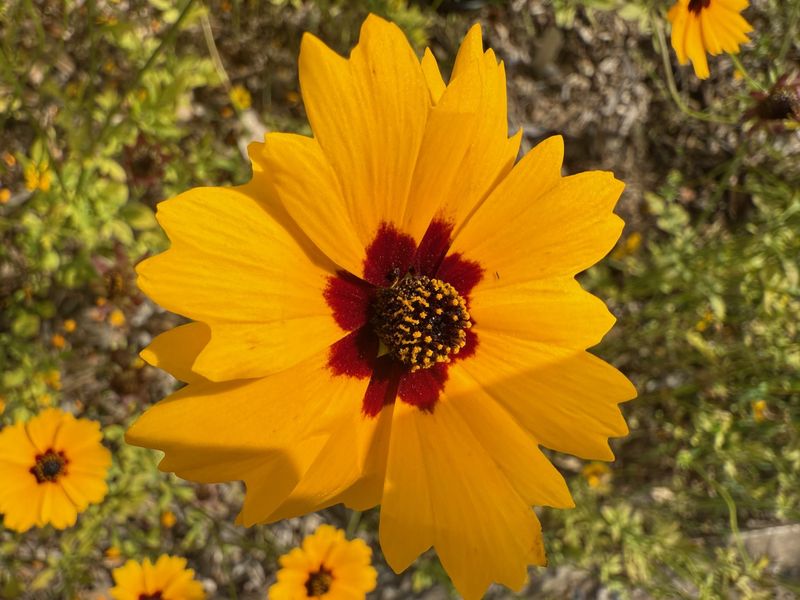
Coreopsis has a cheerful, front-yard-friendly look that makes beneficial-insect planting feel easy to sell to the whole neighborhood. As Florida’s state wildflower, it also carries a built-in sense of place that fits native beds, pollinator strips, and sunny lawn edges.
The open yellow flowers are useful for ladybugs because they provide simple access to pollen and nectar. When planted near turf, coreopsis can help create a bridge between ornamental beds and the lawn area where chinch bugs may be feeding.
Different native coreopsis species vary in moisture needs, so match the plant to the site. Some prefer drier sandy conditions, while others tolerate damp spots better, which is helpful in Florida yards that can swing from droughty to flooded after heavy rain.
Plant coreopsis in drifts for the best visual payoff. A few scattered plants may disappear in the landscape, but a small patch near the driveway, porch walk, or backyard lawn edge looks bright and deliberate.
Its biggest strength is approachability. Coreopsis does not look strange or overly wild, yet it still supports the insect life that makes a yard more balanced.
For homeowners easing away from plain turf and chemical-first pest control, it is a friendly place to start.