
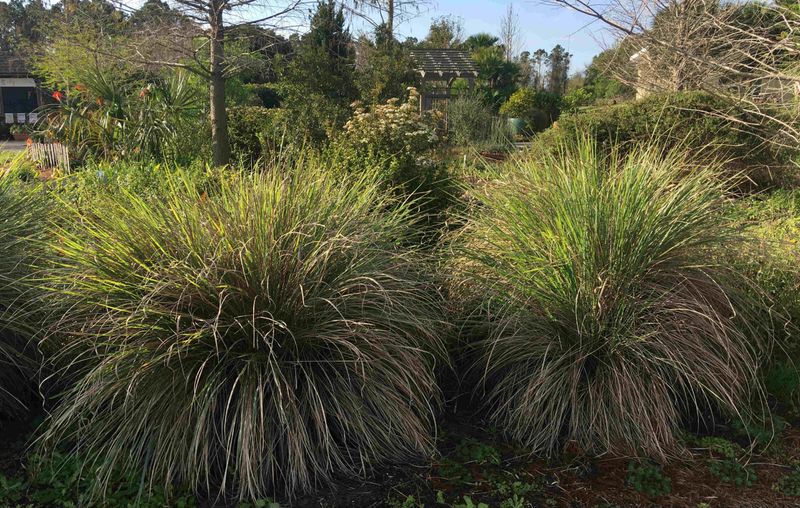
Florida sand can feel like a hungry sponge. Water runs through it, nutrients vanish fast, and store-bought fertilizer becomes a repeat chore.
The good news is that the right native plants can help rebuild soil naturally while making your yard tougher, prettier, and better for wildlife. Plant them in the right spots, let their leaves and roots do the work, and your garden can start feeding itself.
1. Sunshine Mimosa
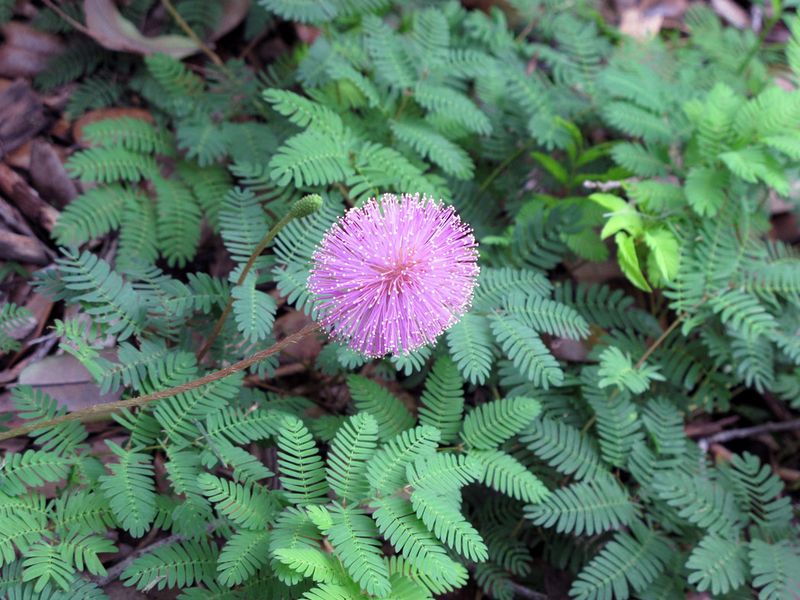
A bare sandy strip beside a driveway can look tired for years, then sunshine mimosa shows up and turns it into a living carpet. This Florida native groundcover, also called powderpuff, spreads low across the soil and brings cheerful pink blooms that bees notice quickly.
Its big soil-building trick is that it belongs to the legume family, which means it works with soil bacteria to capture nitrogen from the air. That does not mean it replaces every garden need overnight, but it can steadily add fertility where plain turf or mulch alone does very little.
Use it in sunny, well-drained areas where foot traffic is light to moderate. It is especially useful along lawn edges, between stepping stones, or in places where rain washes fertilizer away before plants can use it.
Once established, sunshine mimosa handles drought better than many thirsty ornamentals and helps shade the sand, keeping the surface cooler. Leave some of its fallen leaves in place instead of raking everything bare, because that small litter layer breaks down into organic matter your soil badly needs.
2. Partridge Pea
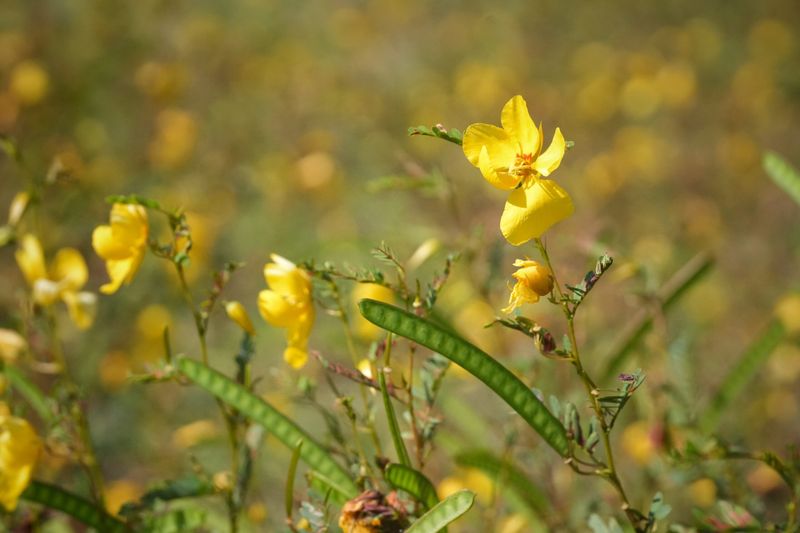
Gardeners who like fast results should give partridge pea a look. It often grows, flowers, feeds insects, sets seed, and improves a weak patch of sand in a single warm season.
Partridge pea is another native legume, and that makes it useful in sandy Florida yards where nitrogen disappears quickly. Its fine roots help hold loose soil, while the plant residue left at the end of the season can be chopped and dropped as a simple green mulch.
The yellow flowers are more than decoration. Native bees visit them often, and several butterflies use partridge pea as a host plant, so it builds life above ground while helping the soil below.
Plant it in sunny borders, meadow-style areas, or open spots you are transitioning away from high-input lawn. It may reseed where it is happy, which is a gift in a loose natural planting but something to manage in a very formal bed.
For best soil payoff, resist the urge to clean it up too early. Let some seed mature, then cut tired stems into short pieces and leave them on the bed as a nutrient-rich layer that slowly melts back into the sand.
3. Blanket Flower
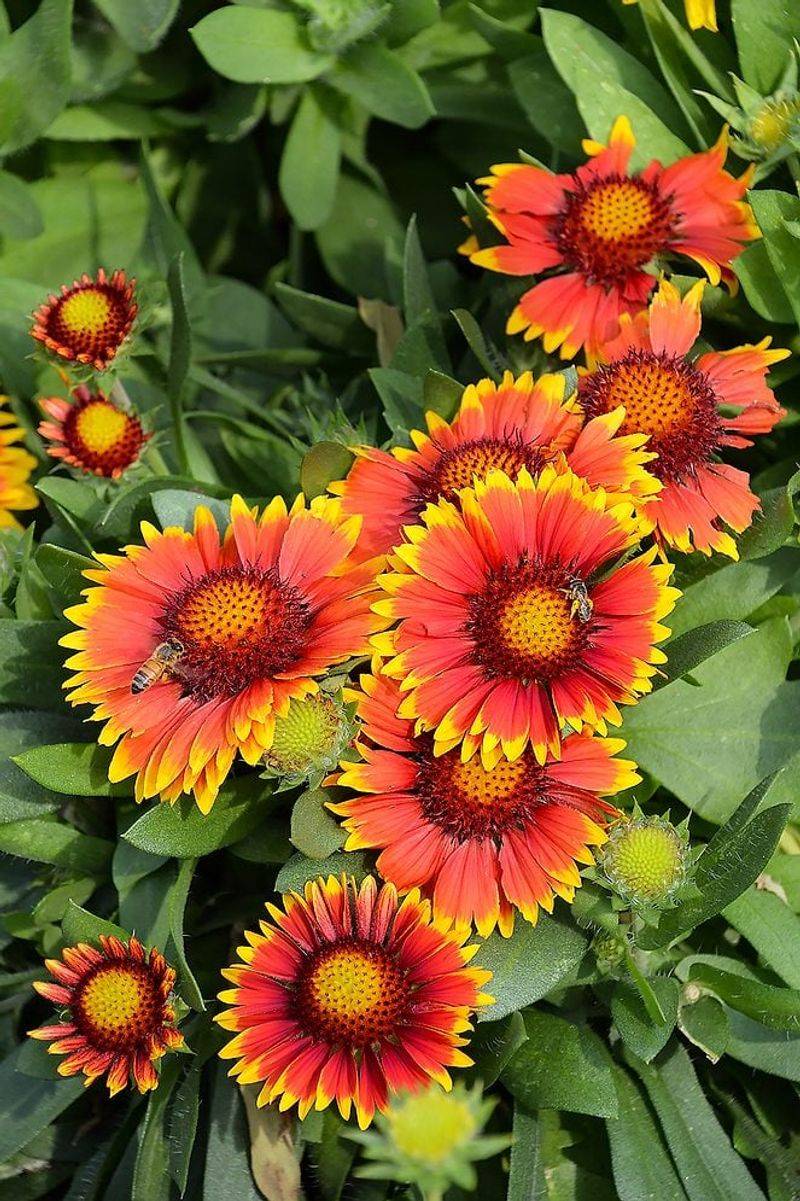
Hot sand, salty breezes, and full sun would make many bedding plants sulk, but blanket flower seems to grin at the challenge. Its red, orange, and yellow blooms give a tired Florida bed the look of a tiny sunset.
Blanket flower earns its place because it thrives where fertilizer-heavy annuals often fail. Instead of asking you for constant feeding, it puts down roots in lean soil and keeps blooming through tough conditions when drainage is sharp.
Its soil-building role is quieter than a nitrogen-fixing plant, but still valuable. The roots help knit loose sand in place, and the spent flowers, leaves, and stems become organic matter when allowed to decompose in the bed.
Use blanket flower along sidewalks, mailbox gardens, coastal yards, and sunny pollinator strips. It pairs well with grasses and other drought-tolerant natives because it likes open air, bright light, and soil that does not stay soggy.
Deadheading can keep blooms coming, but leave some seed heads for birds and natural reseeding. A planting that renews itself from seed saves money, reduces soil disturbance, and keeps your sandy bed covered instead of exposed to heat and runoff.
4. Muhly Grass
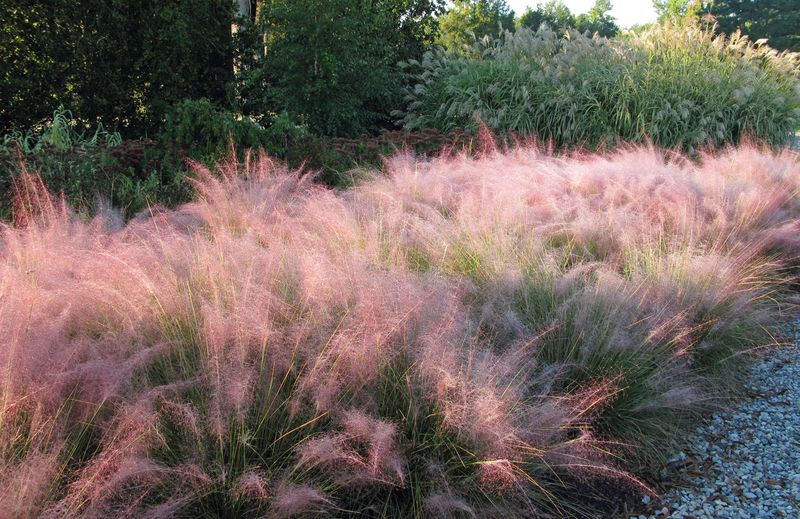
Few plants make a Florida yard look polished with so little fuss like muhly grass. In fall, its pink cloud of plumes can make even a plain sandy corner look planned and cared for.
The real work happens below the show. Muhly grass forms a dense root system that helps stabilize sandy soil, slow erosion, and create tiny channels where water can soak in instead of racing away.
As older blades die back, they add carbon-rich material to the bed. That steady supply of plant matter feeds fungi, microbes, and small soil creatures, which are the hidden crew that turns sterile sand into something closer to living soil.
Plant muhly grass in full sun with good drainage, especially along slopes, driveway edges, rain-splashed beds, and open borders. It is a strong choice for gardeners who want structure without constant trimming, watering, or feeding.
Skip the heavy fertilizer, because too much richness can make native grasses floppy. A light haircut in late winter, with the clippings chopped and left as mulch if they are disease-free, keeps the cycle going and returns part of the plant back to the ground.
5. Fakahatchee Grass
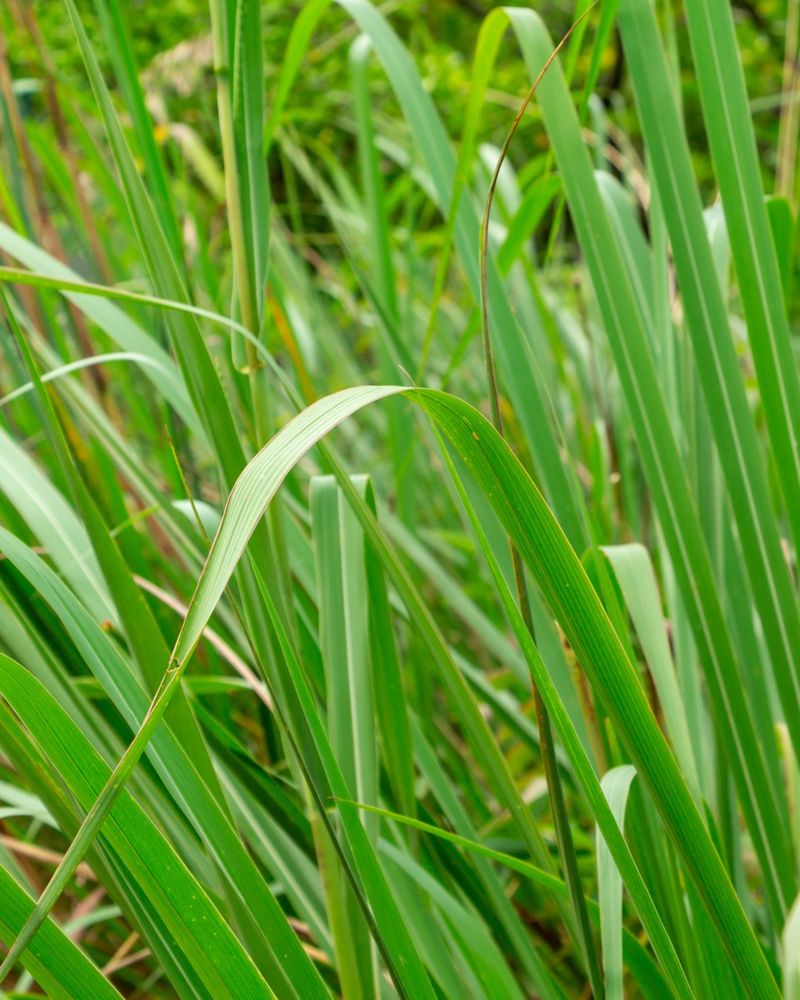
When a yard has one spot that floods after storms and dries out later, many plants give up. Fakahatchee grass is built for that kind of Florida mood swing.
This bold native clumping grass is useful because it handles wetter conditions than many dry-sand natives, while still tolerating periods of drought once established. That makes it a smart plant for rain garden edges, swales, pond margins, and low places where nutrients may wash through the soil.
Its large root mass helps grip loose ground and slow moving water during heavy rains. Slower water drops more sediment and organic bits into the planting area, which can gradually improve the soil instead of sending everything down the street drain.
The tall leaves also create habitat. Small wildlife can shelter near the base, and birds may use the cover while hunting insects or moving through the yard.
Give Fakahatchee grass room, because it is not a tiny border plant. Cut back older foliage as needed, then use clean chopped leaves around the clump as mulch so the plant helps feed the same sandy pocket it is protecting.
6. Coontie
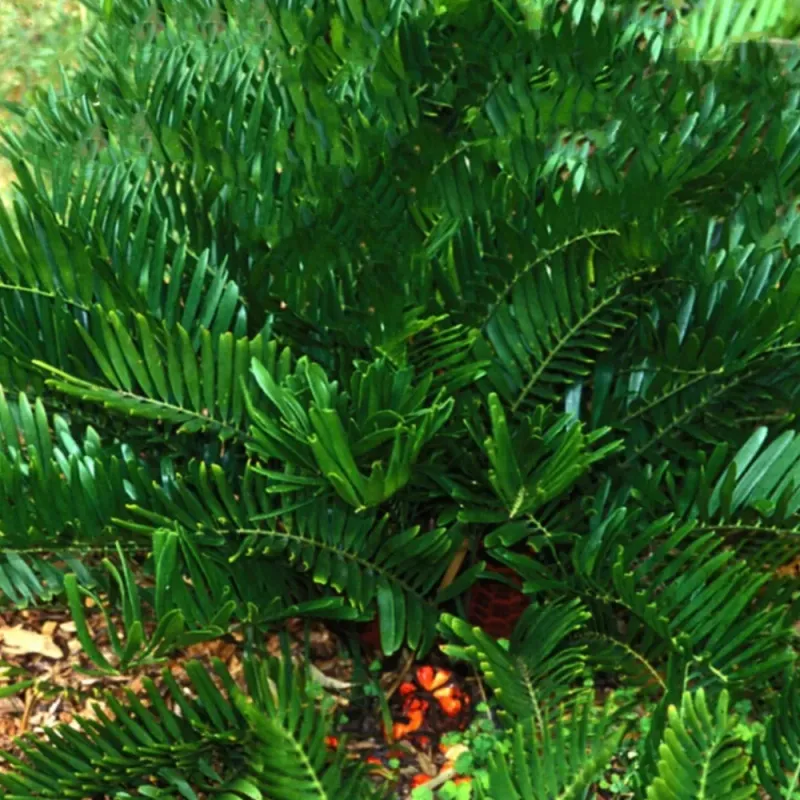
Under oaks, palms, or porch overhangs, sandy soil can be dry and gloomy at the same time. Coontie brings a deep green, almost fern-like look to those tricky places without acting like a fragile houseplant.
Coontie stands out because it is a tough native cycad that slowly builds a permanent, low-maintenance planting layer. Its sturdy roots and long-lived crown help keep soil covered year after year, which is one of the simplest ways to protect Florida sand from baking and washing away.
Leaf litter matters here. When coontie is planted with a natural mulch of pine needles, oak leaves, or chopped yard leaves, the bed begins to develop a richer top layer instead of staying bare and powdery.
Wildlife value adds another reason to plant it. Coontie is the host plant for the Atala butterfly, a Florida conservation success story that many gardeners love to support, especially in South and Central Florida.
Use coontie in part shade to sun, depending on local conditions, and avoid soggy planting holes. It grows slowly, so think of it as a long-term soil cover that rewards patience with fewer weeds, less exposed sand, and a more finished-looking native bed.
7. Seagrape
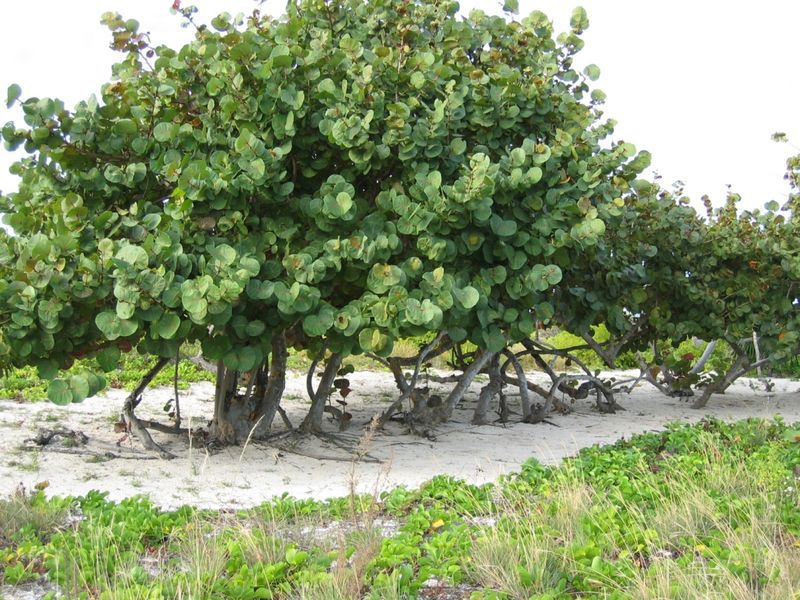
A coastal yard needs plants that can take wind, salt, glare, and sand without begging for help every weekend. Seagrape has that sturdy, beach-town confidence that makes it feel right at home in tough Florida sites.
Unlike the smaller plants on this list, seagrape builds soil through shade, leaf drop, and long-term structure. Its broad leaves fall and break down into a coarse organic layer that protects sand from sun, slows evaporation, and gives microbes something to work on.
Seagrape is especially useful as a screen, windbreak, or informal hedge in coastal and warm parts of Florida where it is appropriate. By slowing wind, it can reduce the sandblasting effect that dries beds and stresses nearby plants.
The plant also supports birds and wildlife with fruit, though homeowners should place it where fallen fruit will not create a walkway mess. Give it space, because seagrape can become a large shrub or small tree if left unpruned.
For soil improvement, treat the area beneath it like a woodland edge, not a swept patio. Let clean leaves remain as mulch, add compatible native understory plants, and you create a self-feeding pocket that asks far less from the fertilizer bag.