
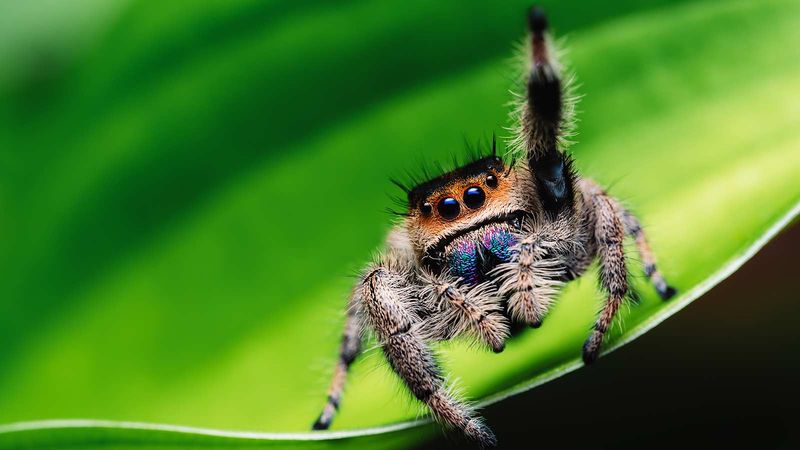
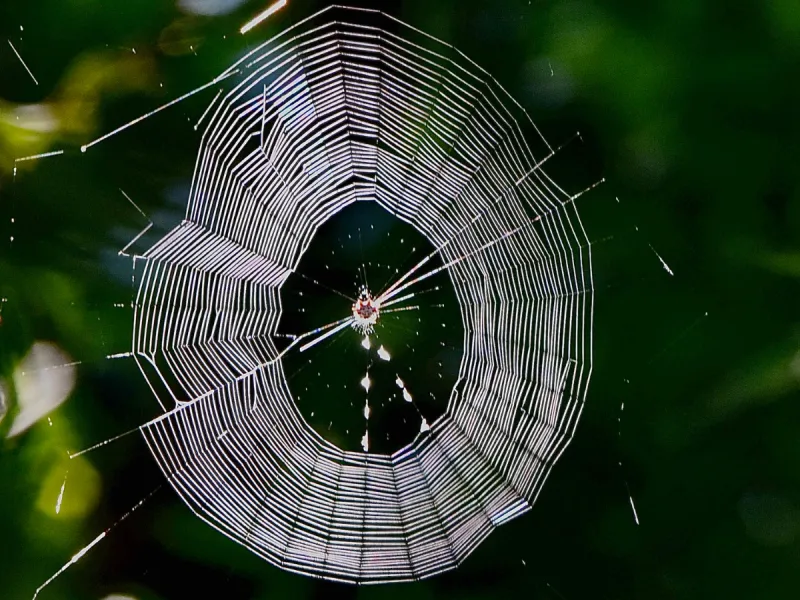
Golden silk spiders can look a little scary, but they are helpful neighbors in a Florida yard. Their big, strong webs catch flying insects, including mosquitoes, gnats, and flies that bother you near the porch.
The right native plants can make your yard more welcoming by bringing insect prey, shelter, and web-friendly spaces. Here are seven Florida natives that can turn a plain porch edge into a more balanced, bug-fighting garden.
1. Simpson’s Stopper
A glossy Simpson’s stopper near the porch feels like the kind of plant that quietly does a lot of work while asking for very little. Its dense branching gives golden silk spiders a sturdy place to anchor those wide, golden-tinted webs, especially along a walkway, fence corner, or porch rail.
Small white flowers attract many tiny insects, and the red-orange berries bring birds later in the season. More insect traffic around the shrub can mean more chances for web-spinning spiders to settle nearby, although no plant can promise a spider will move in on command.
Florida gardeners like Simpson’s stopper because it handles heat, sandy soil, and occasional dry spells once established. It can be shaped as a hedge or allowed to grow more naturally, which makes it useful beside screened porches, patios, and entry beds.
For mosquito help, place it where its branches create a loose corridor between taller plants and porch structures. Avoid heavy pruning into a tight green wall, since a little open branching gives spiders better web space and helps air move through the plant.
2. Firebush
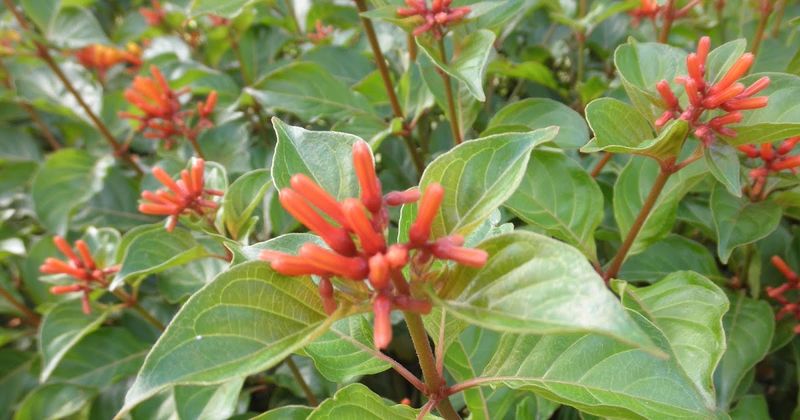
Few native shrubs make a sunny Florida porch feel alive as quickly as firebush. The orange-red flowers are a magnet for hummingbirds, butterflies, and small flying insects, so the plant creates the kind of busy feeding zone where orb-weaving spiders can find steady meals.
Golden silk spiders often build where flying insects pass through again and again. A firebush planted near a porch corner, gate opening, or side-yard path can help create that traffic, especially during Florida’s long warm season when mosquitoes stay active.
Firebush also brings a different strength than a clipped hedge. Its loose, arching stems make a natural scaffold, and the plant grows fast enough to fill an empty hot spot without needing fussy care.
In frost-free parts of Florida, it can become a large shrub, while farther north it may die back and return from the roots.
Give it sun to part sun and enough room so it does not crowd the porch steps. If you want spider help without webs right at face level, plant firebush a few feet off the sitting area so webs form along the garden edge instead of across your doorway.
3. Beautyberry
Bright purple beautyberry clusters can stop visitors mid-step, but the plant’s real value near a porch is its open, graceful shape. Those long, arching stems leave pockets of space where a golden silk spider can stretch a web without fighting a tangle of tiny branches.
Beautyberry flowers are small and easy to overlook, yet pollinators notice them. Later, the berries feed birds and add color when many other shrubs look tired from heat, rain, or sandy Florida soil.
For homeowners who do not want a formal landscape, beautyberry has a relaxed woodland-edge look. It works well along the back of a porch bed, under high pine shade, or near a fence where spiders can connect web lines between shrubs, posts, and nearby trees.
Old garden lore often links crushed beautyberry leaves with insect-repelling properties, and researchers have studied compounds in the plant. In a home landscape, though, the best use is not rubbing leaves around the porch.
Let the shrub build habitat, draw insect activity, and support the small predators that help reduce flying pests.
Prune in late winter if it gets leggy. New growth brings the best shape and berry show, while a looser outline keeps it useful for web builders.
4. Seagrape
Big, round seagrape leaves bring a coastal vacation mood to a Florida yard, even when the porch is miles from the beach. For golden silk spiders, the plant offers something more practical: strong woody growth and broad gaps between leaves where larger webs can hang.
Seagrape is especially useful for homeowners dealing with salt spray, wind, sandy soil, or bright reflected heat. Once established in the right part of Florida, it can be tough enough for exposed corners where softer plants struggle.
Unlike smaller flowering perennials, seagrape acts like a living windbreak and web frame. A spider may use it with a porch post, fence, palm trunk, or nearby shrub to create a web across a natural insect flight path.
That matters because mosquitoes often move through shaded, protected edges rather than blasting across wide-open lawn.
Use seagrape where it has room, since it can become large if left untrimmed. Coastal and South Florida gardeners can train it as a screen, hedge, or small tree, but regular light pruning is easier than trying to shrink an overgrown plant later.
Place it beside outdoor sitting areas rather than directly over chairs. You get the tropical look, the habitat value, and fewer surprise webs at eye level.
5. Walter’s Viburnum
A neat porch bed does not have to feel wild to help wildlife. Walter’s viburnum is the tidy, dependable choice on this list, especially for gardeners who want a native shrub that can look polished in front of the house.
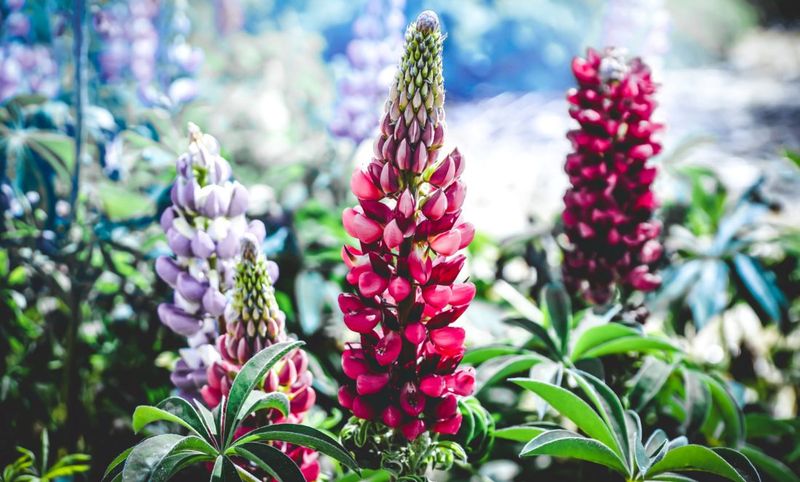
Clusters of small white flowers bring pollinators and other little insects, giving nearby spiders a reason to patrol the area. The branching is fine but sturdy, so it can support smaller web anchor points along porch foundations, fence lines, and mixed shrub borders.
Walter’s viburnum stands out because it can be clipped more formally than many native shrubs. That makes it a good swap for common nonnative hedge plants when you still want curb appeal, screening, and a clean edge along the entry path.
For golden silk spiders, avoid shearing every surface into a hard box all season. A slightly softer outline, especially on the side facing the garden, leaves more web-friendly structure and creates better insect movement through the planting.
Plant it in sun to part shade with room for air circulation, and water it during establishment. Once settled, it fits the low-maintenance Florida style many homeowners want: attractive, native, and useful without needing constant attention.
6. Coral Honeysuckle
Got a bare porch post or a plain trellis that looks unfinished? Coral honeysuckle can turn that empty vertical space into a living insect highway, and that is exactly the kind of spot a golden silk spider may investigate.
The coral-red tubular flowers are loved by hummingbirds, but the vine also draws small insects around the blooms and foliage. When trained on a trellis, arbor, or fence panel, it creates built-in web supports without needing a large shrub bed.
Coral honeysuckle earns its place here because it works upward instead of outward. That helps small yards, townhouse patios, and narrow side porches where there is not enough room for a wide hedge or spreading screen.
Give it sun to part sun and a sturdy support. In much of Florida, it can flower for a long stretch, with heavier bloom at certain times depending on weather and pruning.
It is also better behaved than invasive honeysuckle vines, which is a big win for native-minded gardeners.
To keep webs helpful instead of annoying, guide the vine up a side trellis rather than directly across the main doorway. A little planning lets spiders work the porch perimeter while you keep the walking path clear.
7. Spanish Needle
Butterflies treat Spanish needle like a roadside diner that never seems to close. Florida gardeners sometimes argue with this plant because it spreads easily, but in the right spot, that constant bloom can support a lively food web near the porch.
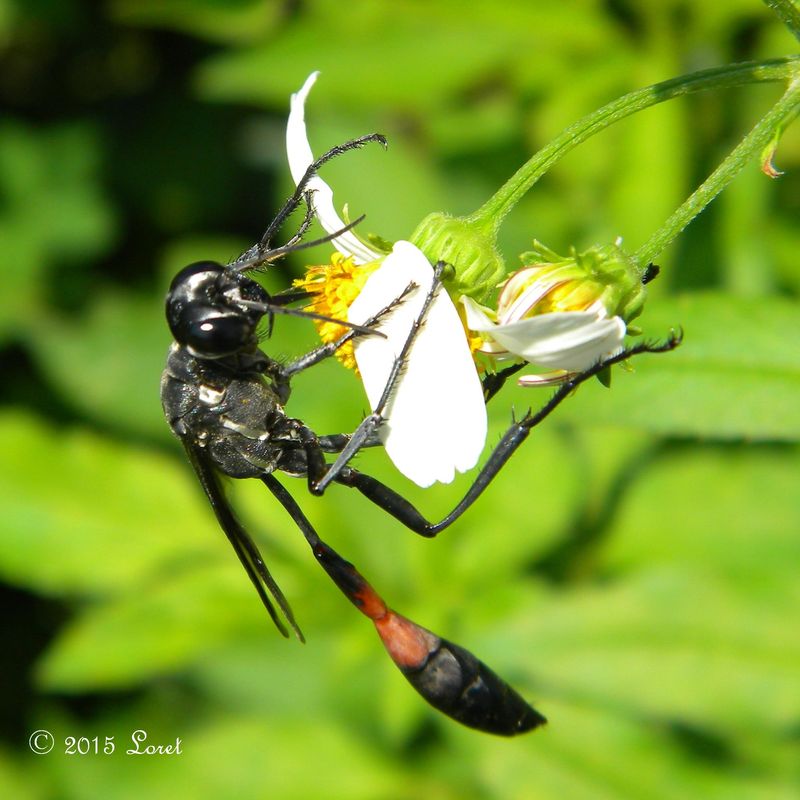
Spanish needle attracts butterflies, bees, tiny flies, and other small insects through much of the warm season. That insect traffic can help feed web-building spiders stationed along nearby shrubs, fences, or porch posts.
What makes Spanish needle different from the shrubs on this list is speed. It can fill a sunny, sandy patch fast, which is handy if you are building a native insect-friendly strip along a patio or side yard and do not want to wait years for structure.
The tradeoff is management. Seeds cling to clothing and pets, so avoid planting it where people brush past every day.
A back edge of a porch bed, a pollinator corner, or a sunny fence line is a smarter choice than the front step.
Cut it back before it gets too rangy or before seed becomes a nuisance. Used with intention, Spanish needle gives your spider-friendly planting a steady supply of small flying insects while larger natives provide the web anchors.