
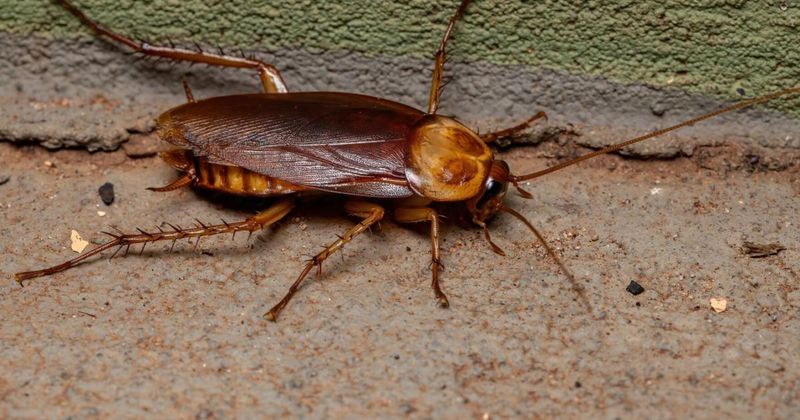
Roaches love damp, messy hiding places near the house, and Florida gives them plenty of chances to settle in. The right front-yard plants can make your beds look polished while keeping the area drier, brighter, and less inviting to pests.
Native plants are a smart place to start because they are built for Florida sand, heat, storms, and sudden rain. Here are seven good-looking choices that help your yard work with nature instead of against it.
1. Wild Coffee
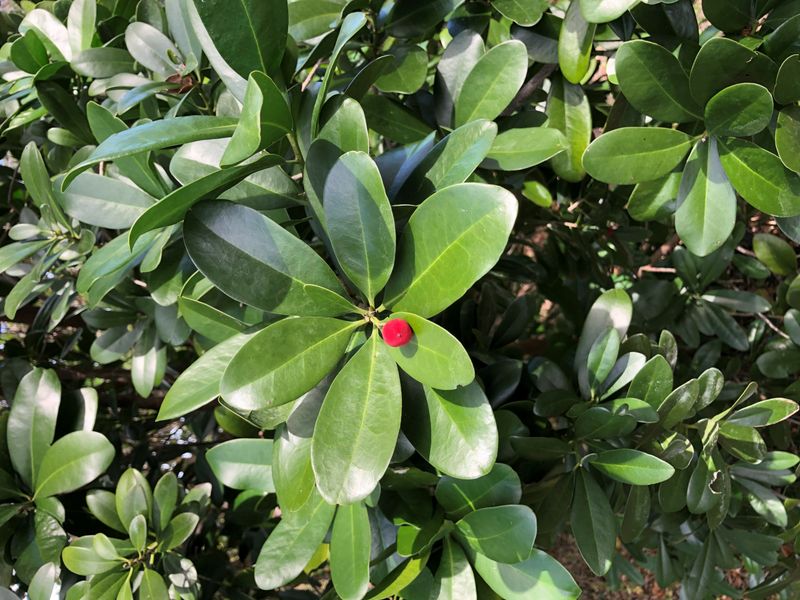
Shady front beds can turn into roach hotels when they stay damp, crowded, and full of leaf litter. Wild coffee gives you that lush, finished look without needing constant fuss, which makes it a strong pick for north-facing entries and spots under live oaks.
Its glossy leaves look almost tropical, but this is a Florida native shrub that handles the state’s sandy soil better than many thirsty ornamentals. Clusters of red berries also feed birds, adding a wildlife bonus without planting something invasive or high-maintenance.
For roach prevention, the real value is structure. Wild coffee can be kept airy with light pruning, so you avoid the tangled, wet groundcover effect pests love.
Plant it a little away from the wall, leave space for air movement, and use a thin mulch layer instead of piling mulch against the house.
It is best for partial shade, not blasting afternoon sun. In the right spot, it gives your front bed a calm, green backbone while helping you keep the area clean, open, and less roach-friendly.
2. Beautyberry
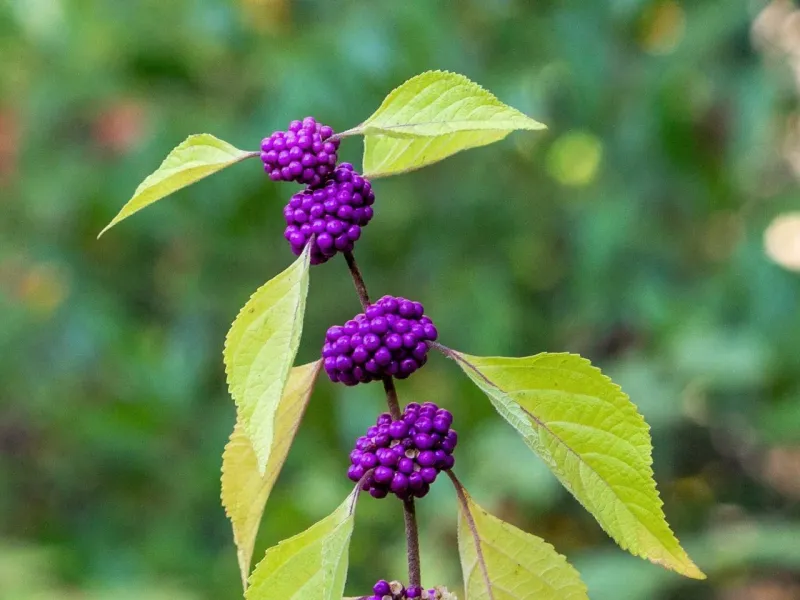
Those bright purple berries look like something a kid would invent with markers, and that is part of beautyberry’s charm. In a Florida front yard, it brings color at the exact time many tired beds start looking worn out.
Beautyberry is native, bird-friendly, and surprisingly forgiving once established. It can take sandy soil and short dry spells, though it looks best with a little room to spread.
Because the branches arch naturally, it works well near a walkway corner or mailbox bed where you want a softer shape instead of a stiff hedge.
The pest angle comes from smart placement and easy cleanup. Beautyberry is deciduous in many parts of Florida, so it drops leaves seasonally, but the open branching makes raking simple.
That matters because roaches often use thick, hidden debris as cover during humid weather.
Give beautyberry space rather than cramming it against siding. A light annual trim can keep it full without creating a damp thicket.
As a bonus, its crushed leaves have a history of being used in folk practices to discourage biting insects, though you should treat that as a helpful side note, not a full pest-control plan.
3. Muhly Grass
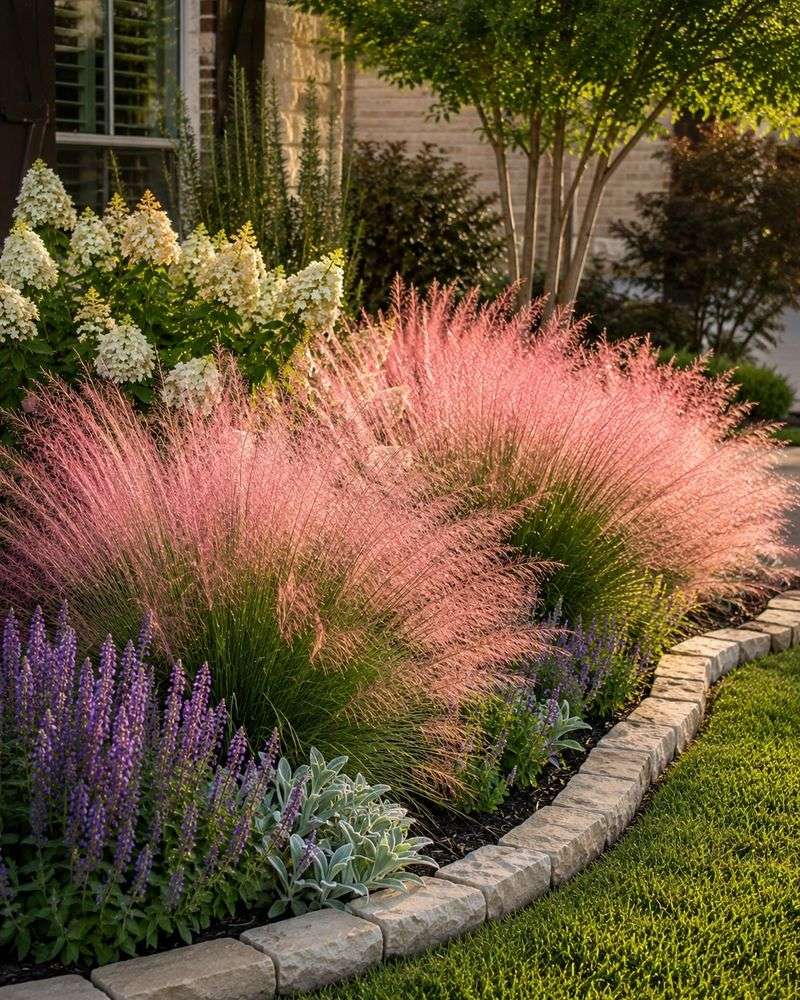
Few plants clean up a front bed faster than muhly grass in bloom. The pink cloud of fall flowers looks delicate, but the plant itself is tough enough for hot driveways, sandy strips, and bright Florida sun.
Muhly grass earns its place on this list because it brings movement without creating a damp hiding zone. Unlike thick groundcovers that trap leaves and moisture, its narrow blades grow in clumps with space around the base when planted correctly.
That open habit helps the soil dry after storms, which is useful when you are trying to make roaches less comfortable near the house.
Use muhly in groups of three or five along a walkway or across the front of a sunny bed. Keep each clump separated instead of packing them tightly together.
In late winter, cut the old growth back before the new flush begins, and remove the trimmings right away.
Another perk for Florida gardeners is storm resilience. Muhly bends in wind instead of snapping like brittle shrubs.
It is a polished, low-water choice that gives your front yard a soft look while keeping the bed open and easy to inspect.
4. Coontie
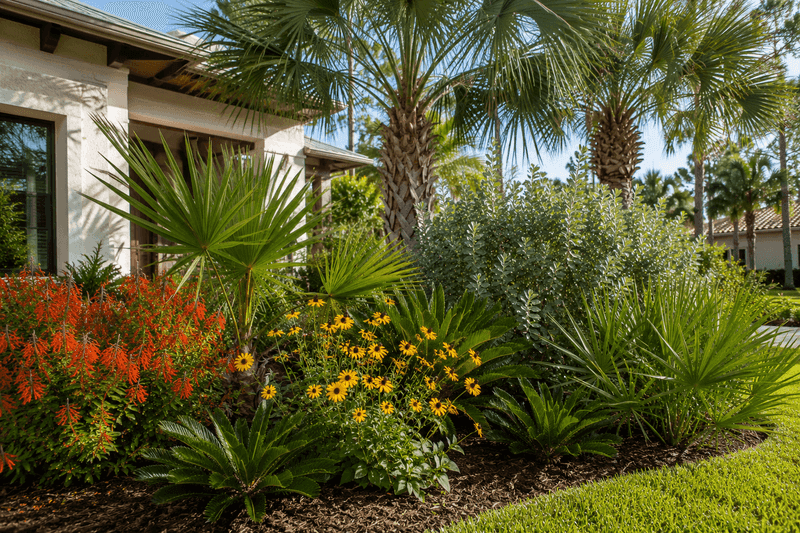
A coontie near the front door feels a little prehistoric in the best way. Its stiff, fernlike fronds bring texture without the floppy mess that can make a bed hard to clean.
This Florida native cycad is especially useful in small foundation beds because it stays compact and tidy. It tolerates sandy soil, handles dry periods once established, and fits both coastal and inland landscapes when drainage is good.
Coontie is also the host plant for the atala butterfly, a Florida conservation success story that gives this plant extra meaning.
Roaches prefer dark, moist shelter with lots of decaying material. Coontie helps you avoid that problem because it does not need heavy watering or thick mulch to look presentable.
Its slow growth also means fewer constant clippings left behind as pest cover.
Plant coontie where it has room for air around the crown, and do not bury the base under mulch. Pair it with gravel edging, pine straw used lightly, or bare sandy gaps between plants.
The result is a crisp, Florida-appropriate bed that supports butterflies while staying less inviting to roaches.
5. Walter’s Viburnum
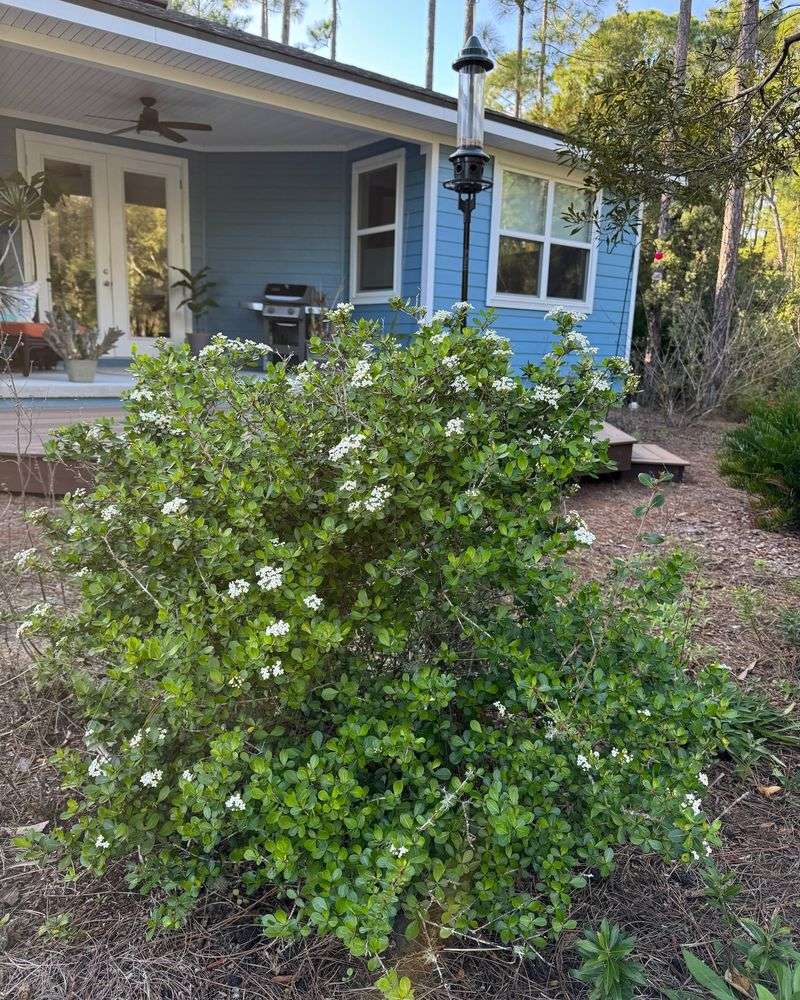
If your front bed needs a hedge but you do not want a wall of pest-hiding greenery, Walter’s viburnum is a smart Florida native to know. It can be shaped neatly, yet it still supports birds and pollinators with spring flowers and small fruit.
The best thing about Walter’s viburnum is its flexibility. It can become a clipped hedge, a loose screen, or a small specimen shrub depending on the cultivar and pruning style.
Many Florida gardeners use it as a native alternative to more overused hedge plants, especially where they want a cleaner, more wildlife-friendly foundation planting.
For keeping roaches out of beds, pruning style matters as much as plant choice. Lift the lower branches slightly so light and air reach the soil surface.
Avoid shearing it into a dense green box that traps humidity and hides fallen leaves.
Walter’s viburnum likes moist to average soil but should not sit in a soggy pocket after summer downpours. In sandy Florida yards, mulch lightly and water during establishment, then let the plant settle into a more moderate routine.
Done right, it gives you curb appeal without turning the foundation into a dark, wet tunnel.
6. Fakahatchee Grass
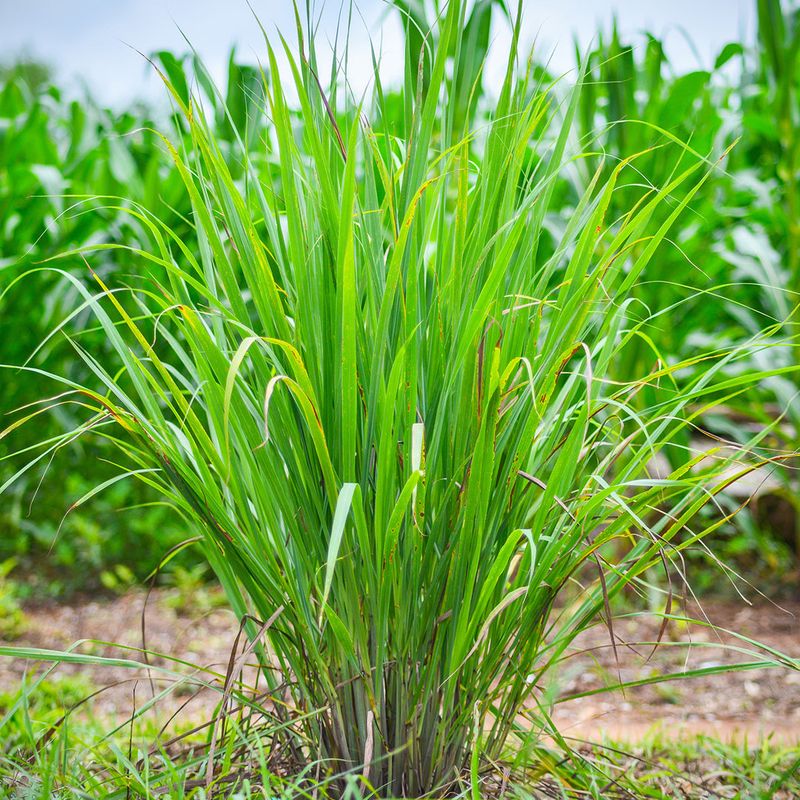
After a hard Florida rain, some front yards hold water just long enough to cause trouble. Fakahatchee grass is useful for those tricky edges where a bed gets soaked during storms but dries out later.
This native bunchgrass has a bolder look than muhly, with wider blades and a strong upright shape. It works well in rain-garden edges, swales, and larger front beds where you need roots that help stabilize soil.
That can be handy in hurricane season, when runoff and mulch washout make foundation beds messy fast.
Roach pressure often rises when beds stay wet and cluttered. Fakahatchee grass can help manage that by using moisture and holding soil in place, but it needs enough room.
If you squeeze it into a narrow strip by the wall, it may become too dense for easy cleanup.
Place it several feet from the foundation, then keep the base visible by removing dead blades once or twice a year. Dwarf forms are better for smaller yards.
With the right spacing, Fakahatchee grass gives a strong native look, helps with stormwater, and keeps front beds from becoming soggy piles of mulch and debris.
7. Southern Wax Myrtle
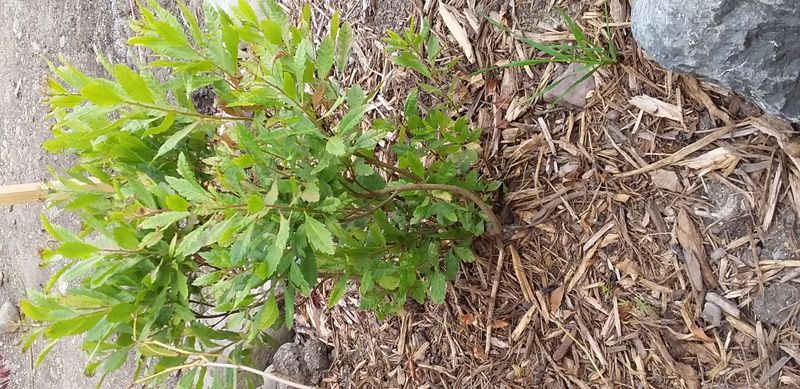
Need a screen that does not feel like a fortress? Southern wax myrtle brings a relaxed, coastal Florida look while giving birds cover and food.
Its fragrant, gray-green leaves are one reason homeowners like it near entries and property lines. The plant is fast-growing, salt-tolerant in many coastal areas, and adaptable to sandy soils as long as it gets established with care.
Female plants can produce small waxy berries that birds use, which adds wildlife value to a practical screening shrub.
Because wax myrtle can grow quickly, it belongs on this list with one clear warning: do not let it become a neglected thicket against the house. Roaches benefit when shrubs grow tight to siding and trap damp leaves underneath.
Keep wax myrtle limbed up, thinned, and set back from the foundation so breezes can pass through.
Used along a driveway edge, side yard, or front corner, it can frame the house beautifully without crowding your beds. Think of it as a living screen that needs occasional editing, not constant pampering.
That balance makes it a strong native option for Florida gardeners who want privacy, curb appeal, and fewer pest-friendly hiding spots.