
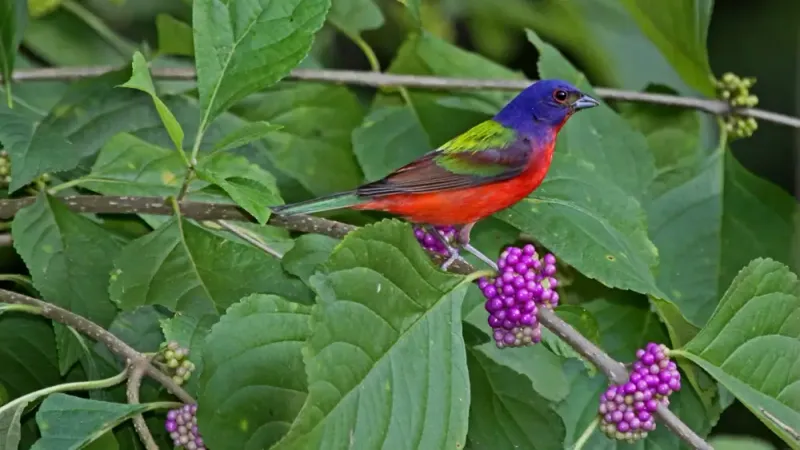
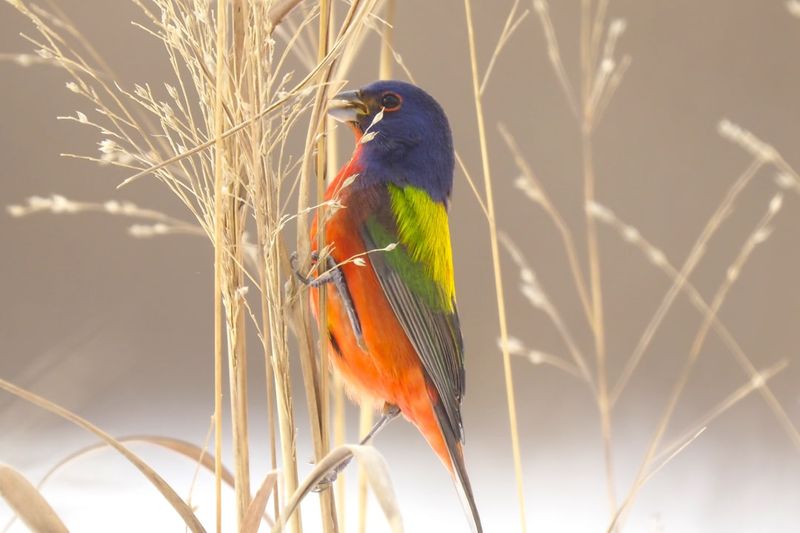
Painted Buntings can make a Florida yard feel like it suddenly gained a tiny flying rainbow. The trick is giving them the kind of food, cover, and quiet edges they already look for in wild places.
With the right native plants, even a simple backyard can become a safer stop for these shy seed-loving birds.
1. Muhly Grass
A soft cloud of pink in fall can do more than make neighbors slow down at the curb. Muhly grass gives a Florida yard the fine texture and seed-rich cover that small birds often explore when they are feeding close to the ground.
Painted Buntings eat many small seeds, especially outside the nesting season, and native grasses are one of the easiest ways to offer that food without hanging another feeder. Muhly grass is especially useful because it handles Florida sun, sandy soil, and dry spells once established.
It does not need pampering, heavy fertilizer, or constant watering to look good.
Plant it in loose groups along a fence, driveway edge, or back corner where birds can move through the clumps without feeling exposed. The airy plumes are beautiful, but the real value comes when you resist cutting everything down too early.
Leave the seed heads standing through fall and winter so buntings and other small birds can work through them at their own pace.
For a first-time bunting yard, muhly grass is a friendly starting point because it looks polished while still acting like habitat. It suits homeowners who want wildlife value without turning the yard into something messy or hard to explain.
2. Beautyberry
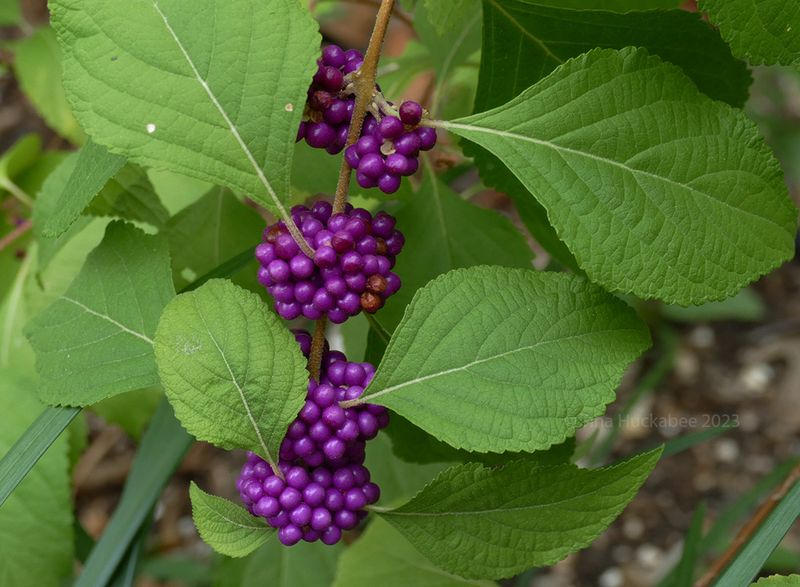
Those bright purple berry clusters look almost too bold to be real, which is probably why beautyberry earns a spot in so many Florida wildlife gardens. It brings color at a time when many yards are starting to look tired, and birds notice the fruit.
Painted Buntings are best known for eating seeds, but a yard that supports insects and seasonal fruit can feel more alive and safer to them. Beautyberry helps build that layered food web.
Its small flowers attract pollinators, the leaves host native insects, and the berries feed many birds that share the same sheltered edges buntings like.
Use beautyberry where you need a loose, natural-looking shrub rather than a tight hedge. It works well along a back fence, near a pine or oak edge, or beside a lightly wooded area.
In Florida, it often handles sandy soil better than fussy ornamental shrubs, especially with mulch and a little water while it gets established.
Prune in late winter if it gets leggy, then let it grow into its relaxed shape during the warm months. A small group of three can create a better sense of cover than one lonely plant, giving shy birds a reason to move through your yard instead of passing over it.
3. Coral Honeysuckle
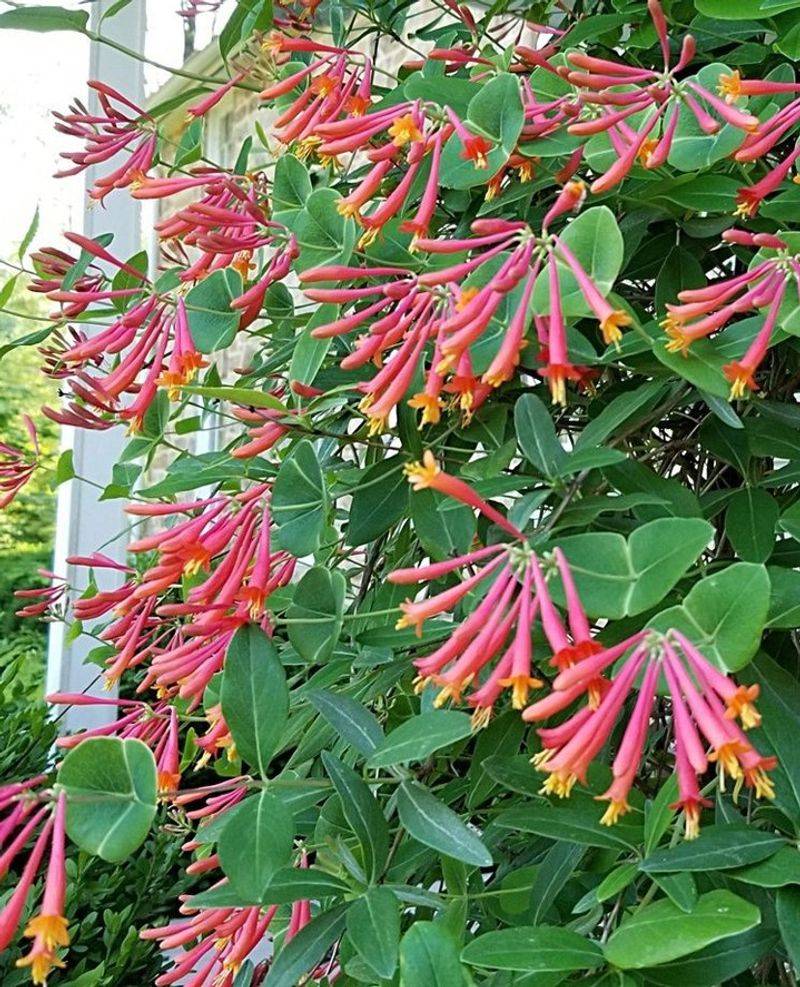
A plain fence can turn into a bird-friendly wall when coral honeysuckle starts weaving through it. Unlike invasive Japanese honeysuckle, this Florida native vine plays a helpful role without taking over the whole neighborhood.
Painted Buntings are shy, so vertical cover matters. A vine on a trellis, arbor, or fence gives them a place to pause before dropping lower to feed.
Coral honeysuckle also draws hummingbirds, bees, and small insects, which adds movement and life to the garden. While adult buntings often focus on seeds, a healthy insect population supports the wider backyard food chain.
Give coral honeysuckle sun to part shade and something sturdy to climb. It is a smart choice near a patio edge or side yard where you want flowers, screening, and wildlife value in the same footprint.
In warmer parts of Florida, it may keep some foliage through mild winters, which helps your yard feel less bare during bunting season.
The red-orange blooms add a tropical look without asking for tropical care. Keep the vine trimmed enough to stay tidy, but avoid shearing it into a flat green sheet.
Birds use the twists, stems, and small openings, so a little natural looseness is part of the magic.
4. Simpson’s Stopper
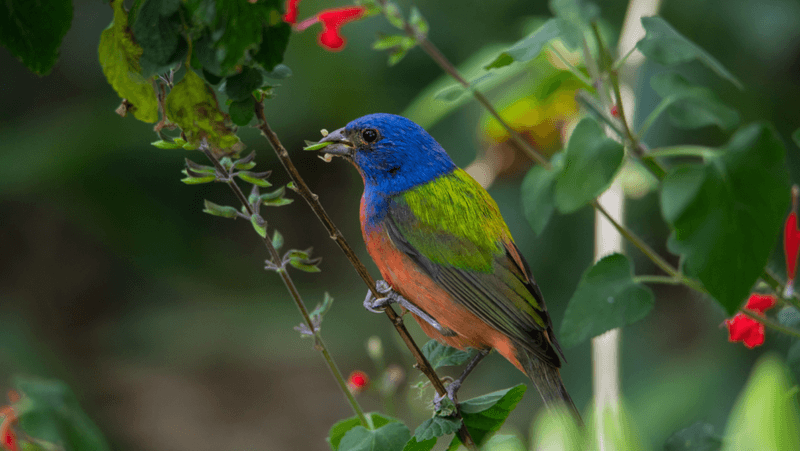
For gardeners who want habitat but still like a neat yard, Simpson’s stopper is the quiet overachiever. It can look polished near a walkway or property line while giving small birds the dense, leafy shelter they need.
Painted Buntings often avoid wide-open lawns because they are easy targets there. A thick evergreen shrub gives them a protected place to wait, watch, and slip down to seeds.
Simpson’s stopper is useful because it can form a living screen without feeling harsh or formal. Its fragrant white flowers attract pollinators, and its small red to orange fruits feed birds.
In Florida landscapes, this shrub fits especially well in sandy soils when planted correctly and watered during establishment. It tolerates sun to part shade, though part shade can be helpful in very hot inland yards.
Use it as a loose hedge, a corner anchor, or a soft backdrop behind native grasses and seed plants.
One smart design move is to plant Simpson’s stopper near a feeding area, but not directly under a feeder. That way buntings have nearby cover, yet seed mess and pests stay easier to manage.
If your yard feels too exposed, this plant can be the missing piece that makes birds brave enough to visit.
5. Fakahatchee Grass
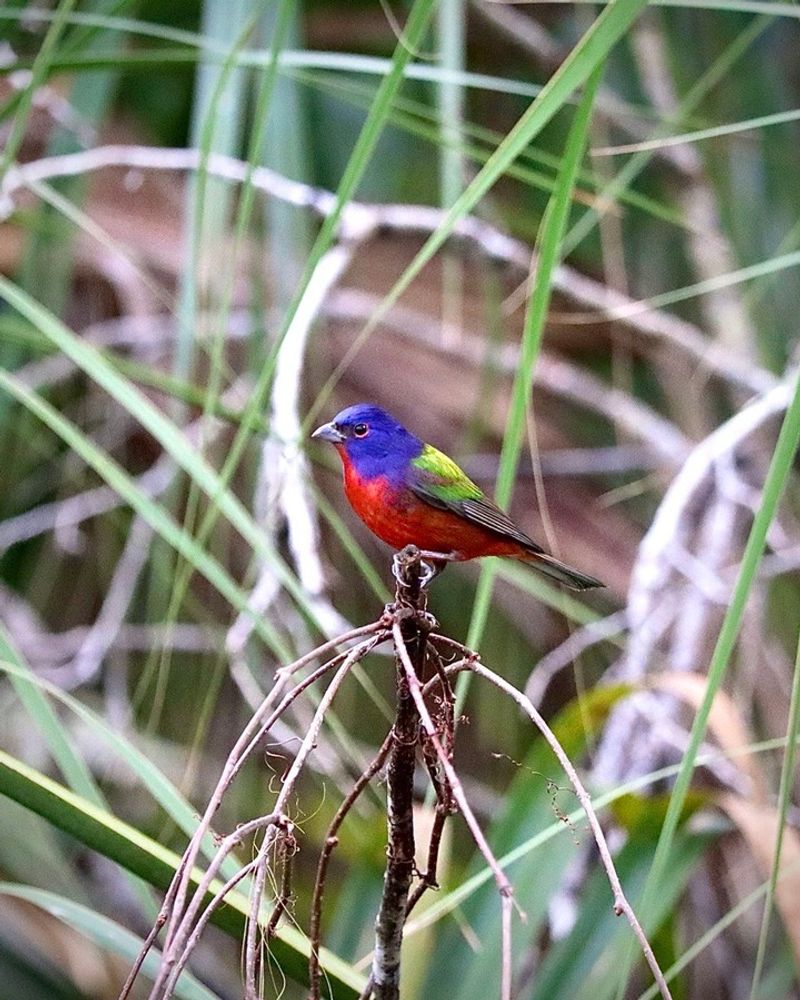
Big, bold, and a little wild around the edges, Fakahatchee grass is the plant for gardeners who have room to make a real habitat statement. It creates the kind of low, protective structure that tiny birds can disappear into when they feel nervous.
Painted Buntings like edges, not empty spaces. A clump of Fakahatchee grass can help build that edge between lawn, shrub bed, and natural area.
Its seed stalks may interest seed-eating birds, and the dense base offers cover for insects and other small wildlife. In a Florida yard, that mix of food and shelter is often more valuable than one decorative plant standing alone.
This grass is larger than muhly grass, so placement matters. Use it in a back border, beside a drainage swale, near a pond edge, or in a wide bed where it will not crowd a sidewalk.
It can handle moist conditions better than many ornamental grasses, yet it also fits many low-maintenance native landscapes once established.
Give it space and avoid cutting it too often. If you trim, do it thoughtfully, leaving enough structure for wildlife during the cooler months when Painted Buntings are most likely to show up in many Florida yards.
It is not the smallest choice, but it can make a yard feel much more welcoming to birds.
6. Firebush
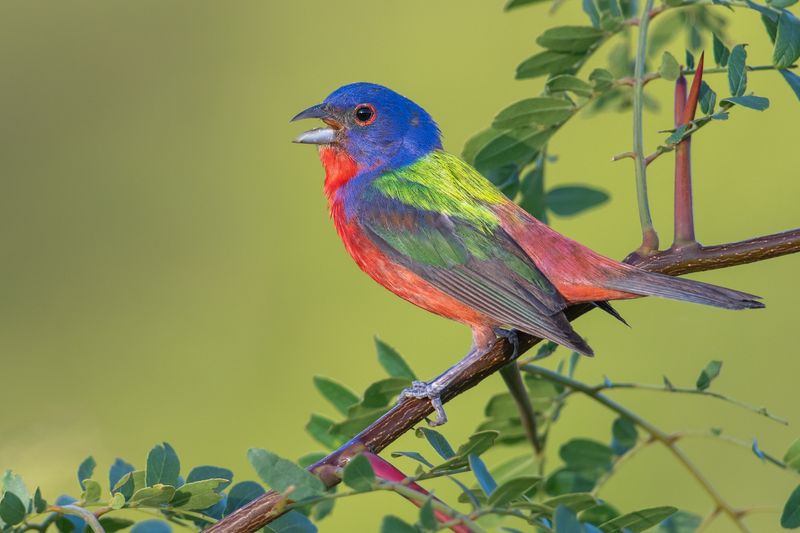
Few native shrubs say Florida quite like firebush, with its orange-red blooms glowing through the warm season. It turns a sunny bed into a busy wildlife stop, especially when butterflies and hummingbirds start working the flowers.
Firebush earns its place on a Painted Bunting list because it adds a different layer to the yard. It is not mainly about grass seed or berry clusters.
Instead, it creates a lively shrub zone filled with flowers, insects, and leafy hiding spots. That matters because buntings are more likely to explore yards that feel protected and active, not bare and sterile.
Plant firebush in full sun to part shade, giving it enough room to grow into a rounded shrub. In North and Central Florida it may freeze back in colder winters, then return from the roots when warm weather comes back.
In South Florida, it can become a more permanent, substantial shrub.
Firebush works beautifully near patios, back fences, and pollinator beds, but try not to over-prune it into a stiff ball. A natural shape offers more perches and cover.
Pair it with native grasses nearby, and you create a simple feeding-and-shelter zone that looks colorful to you and useful to birds.
7. Partridge Pea
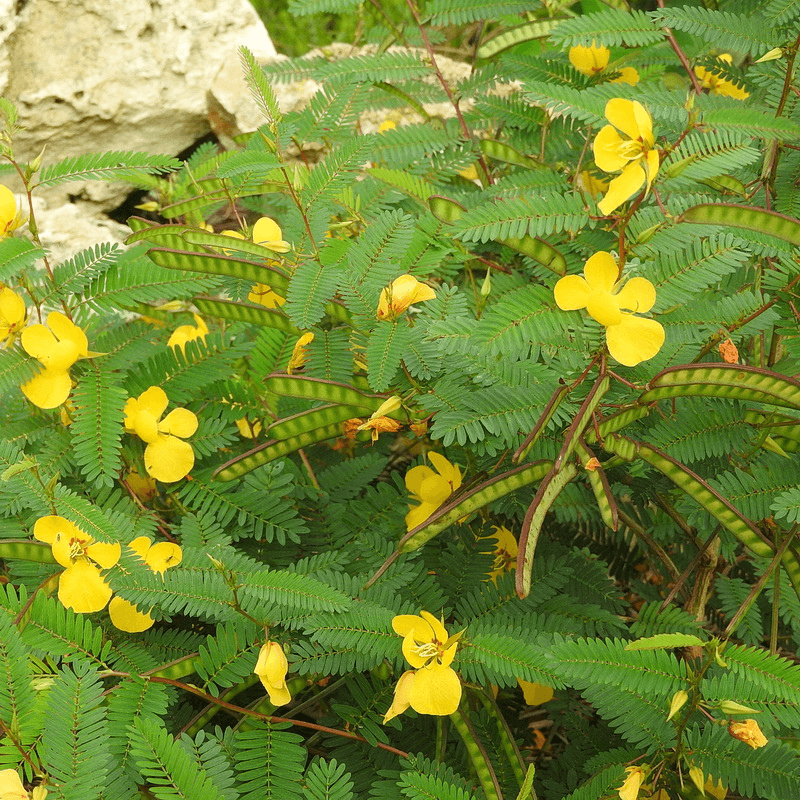
A packet of native seed can sometimes do what a pricey shrub cannot. Partridge pea brings fast color, pollinator action, and the small seeds that make a sunny Florida bed more interesting to birds.
Painted Buntings are seed eaters, and partridge pea is one of the best native choices for gardeners who want that meadow-like food source without waiting years. Its yellow flowers attract bees and butterflies, then the plant forms pods that add seed value later in the season.
It is especially helpful in sunny, sandy spots where more delicate flowers struggle.
Because partridge pea is an annual or short-lived perennial in many situations, it behaves differently from the shrubs and grasses on this list. That is its advantage.
It can fill open gaps while slower native plants mature, and it often reseeds where conditions suit it. Use it in a strip along a fence, a sunny pocket near grasses, or a small backyard meadow patch.
Leave some spent plants standing long enough for seeds to mature. A perfectly cleaned bed may look tidy for a weekend, but it removes the food you planted in the first place.
If your yard is new to native planting, partridge pea is a cheerful, low-cost way to start offering buntings something real.