
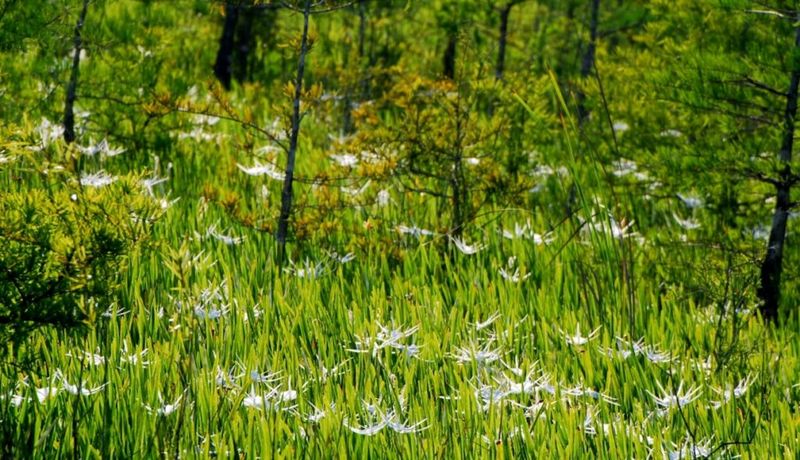
Liriope is tidy, tough, and everywhere, but it does very little for Florida wildlife. If your border looks like a green stripe and never seems to buzz, flutter, or change, native plants can do more with the same space.
These Florida-friendly choices can frame a walkway, soften a driveway, or edge a bed while feeding bees, butterflies, birds, and other helpful yard visitors. The best part is that many handle sandy soil, heat, and real Florida weather once they are settled in.
1. Frogfruit
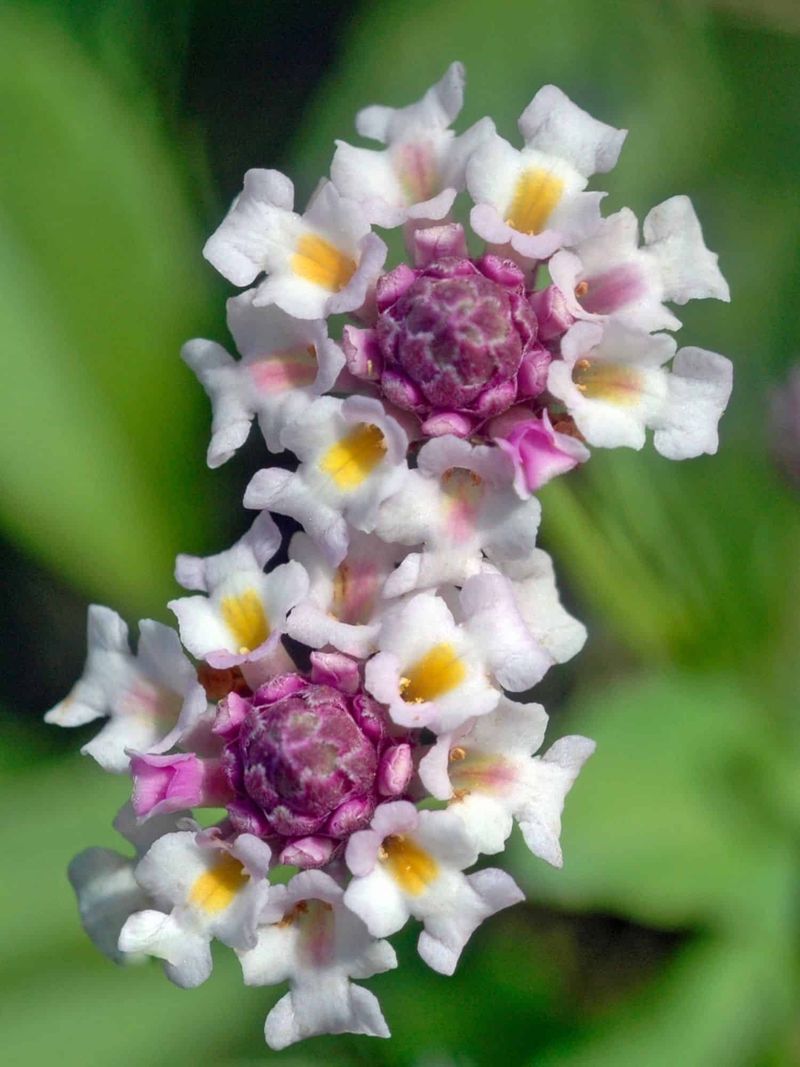
A bare strip beside a sidewalk can turn into a tiny butterfly buffet with frogfruit. Instead of sitting there like a stiff green border, this low native creeps, blooms, and quietly keeps pollinators busy through much of Florida’s warm season.
Frogfruit, also called Phyla nodiflora, stays short enough to work where liriope is usually planted, especially along paths, driveway edges, and sunny bed fronts. Its small flower heads may look modest from a distance, but close up they are packed with nectar for native bees, skippers, and small butterflies.
Wildlife value is where frogfruit pulls far ahead of liriope. It is a host plant for several butterfly species, including the phaon crescent, so it supports the life cycle, not just a quick sip of nectar.
Give it sun to part sun and well-drained soil, and expect it to spread into a living mat. In a very formal yard, edge it now and then to keep the line crisp, but in a relaxed Florida landscape it can become one of the easiest swaps for a flat, lifeless border.
2. Sunshine Mimosa
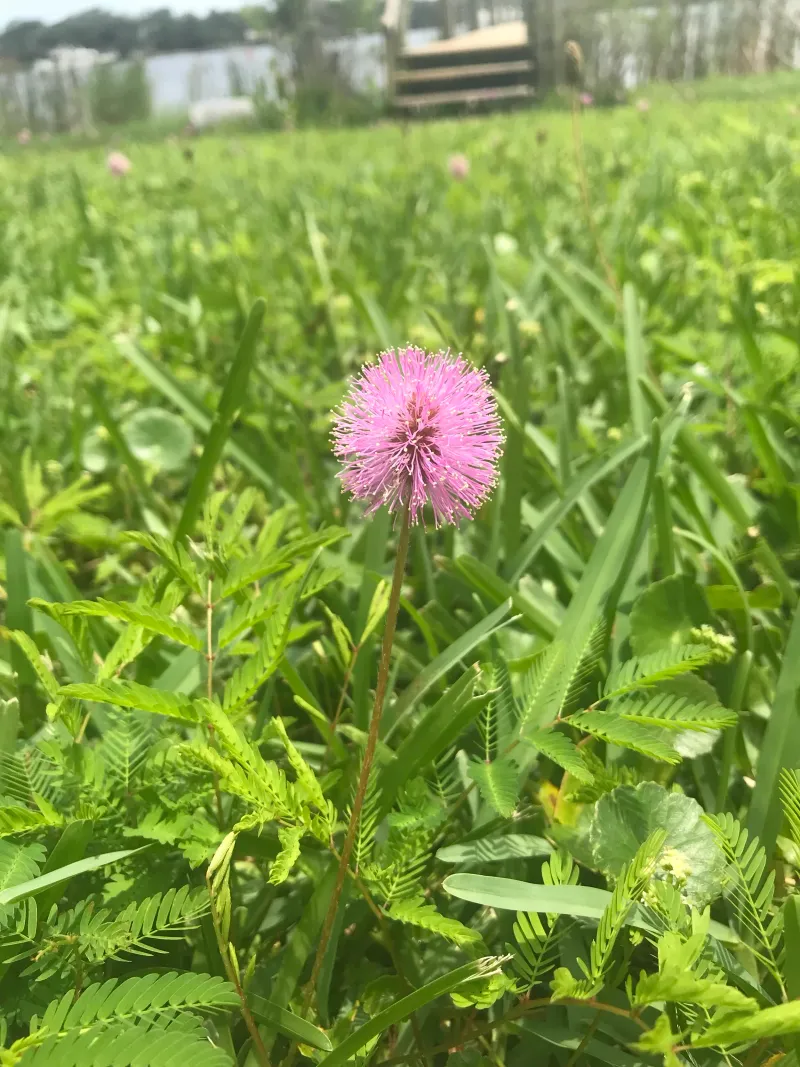
Brush your fingers over sunshine mimosa and the leaves fold up like a tiny green magic trick. That bit of movement makes it fun, but the real reason to plant it is the soft pink bloom that turns a plain border into pollinator real estate.
Sunshine mimosa, Mimosa strigillosa, is a Florida native groundcover that can replace liriope where you want a lower, looser edge. Its powderpuff flowers sit just above the foliage and draw bees, butterflies, and other small beneficial insects.
For homeowners tired of mowing or trimming around hard edges, sunshine mimosa can soften the transition between lawn and bed without looking weedy when managed well. It handles heat, sandy soil, and foot traffic better than many flowering plants, which makes it useful near patios and informal paths.
Plant it in sun for the best flowering and give it room to wander. It is not the right pick for a razor-straight, corporate-looking border, but it shines in Florida yards that want a friendlier, more alive edge with very little fuss after establishment.
3. Dune Sunflower
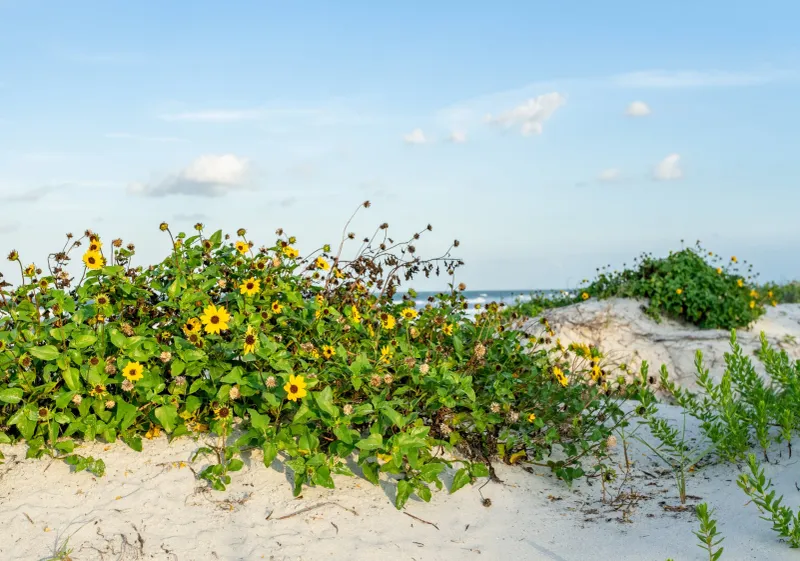
Nothing wakes up a tired bed edge faster than a ribbon of yellow flowers. Dune sunflower brings that bright, beachy Florida look while doing a job liriope never manages, feeding pollinators in hot, sandy spots.
Helianthus debilis is especially useful in coastal and inland yards with fast-draining soil. It forms a spreading, low mound of green leaves topped with cheerful daisy-like flowers that attract bees, butterflies, and other nectar-seeking insects.
The plant has a casual style, so use it where a sunny border can be a little breezy rather than clipped to perfection. Along driveways, mailbox beds, fence lines, and open front-yard islands, it gives you color that reads clearly from the street.
Dune sunflower likes full sun and good drainage, two things many Florida yards already have in abundance. Trim it back when it gets leggy, and it usually rebounds with fresh growth and more flowers.
Compared with liriope, the payoff is immediate and easy to see. Instead of a dark green band that mostly disappears, you get color, movement, and a food source for insects that help support the larger backyard food web.
4. Coontie
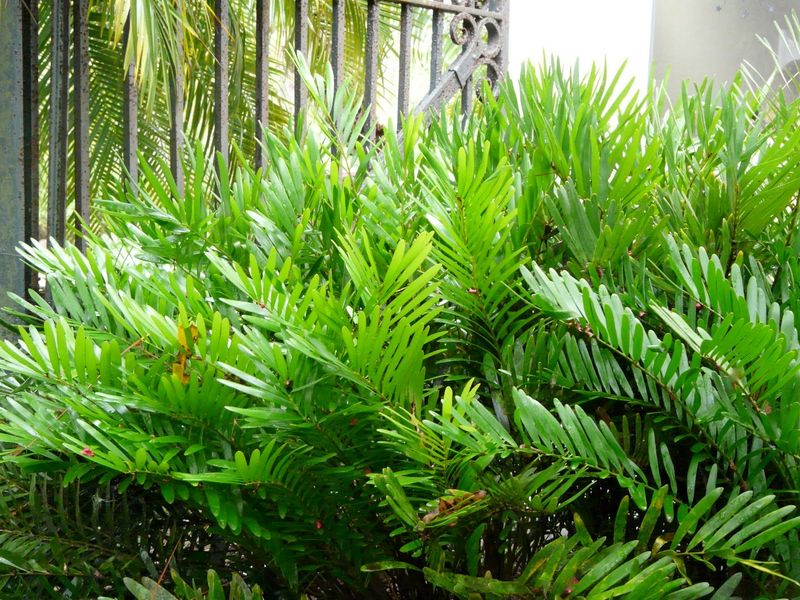
For gardeners who like liriope because it looks neat, coontie may be the most satisfying native upgrade. It has structure, evergreen presence, and a polished look, but it also supports one of Florida’s most eye-catching butterflies.
Coontie, Zamia integrifolia, is a cycad native to Florida with stiff, glossy, fernlike leaves. It works beautifully as a low border around foundations, entry walks, pool cages, and shaded-to-partly-sunny beds where you want order without constant trimming.
The wildlife connection is special. Coontie is the host plant for the atala butterfly, a small dark butterfly with bright blue and orange accents that was once thought to be nearly gone from Florida.
Unlike softer groundcovers, coontie gives a border a strong shape even when it is not flowering. That makes it a smart swap for homeowners who want the clean look of liriope but do not want to settle for a plant that offers little food value.
Plant coontie in well-drained soil and avoid overwatering once it is established. It is slow compared with some groundcovers, but that slower pace is part of its charm in tight spaces where runaway growth would become another chore.
5. Lyreleaf Sage
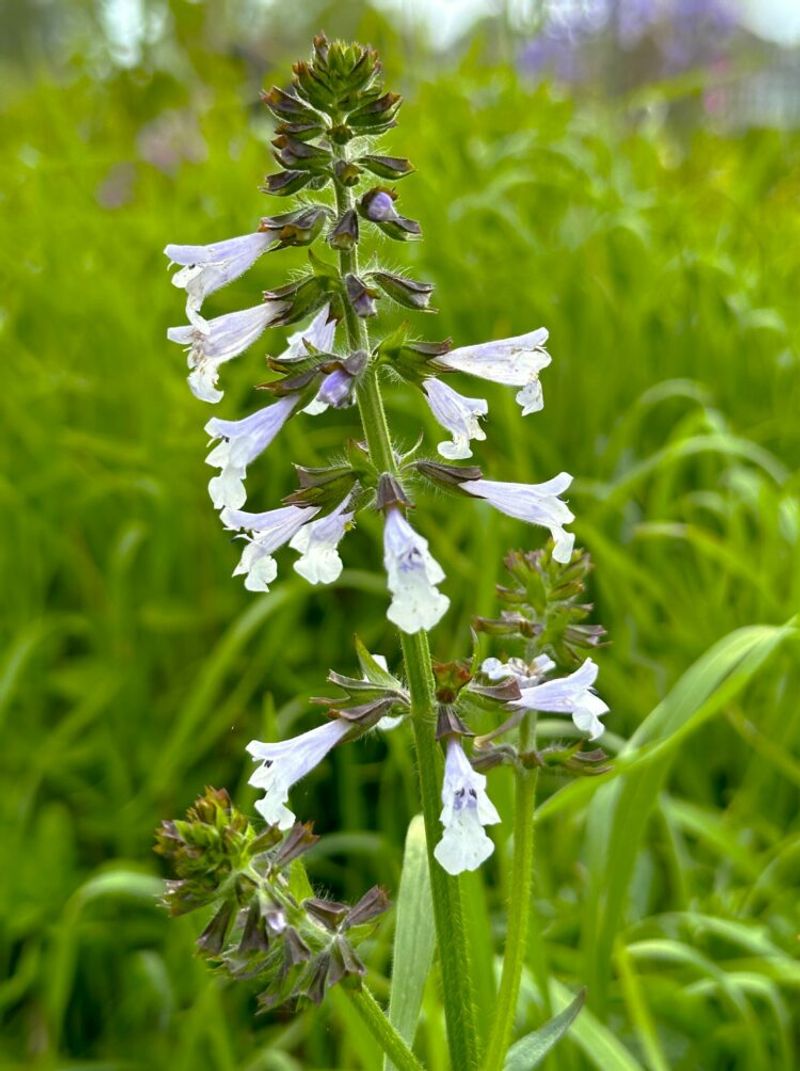
Shady edges are often where boring borders go to stay boring. Lyreleaf sage changes that by adding spring flowers, textured leaves, and nectar for small pollinators in places where many sun-loving natives sulk.
Salvia lyrata grows as a low rosette most of the year, then sends up slender spikes of bluish-purple flowers. The look is lighter and more natural than liriope, which makes it a good fit for woodland edges, oak-shaded paths, rain garden margins, and informal front beds.
Native bees visit the flowers, and the plant can gently self-seed when it likes the spot. That is useful if you want a border that fills in over time without buying flat after flat of replacements.
Lyreleaf sage does best in part shade to filtered sun, though it can take more sun with enough moisture. In dry, harsh exposure it may look thinner, so save it for areas with a bit of shelter or seasonal dampness.
Its personality is quiet rather than flashy, but that is exactly why it belongs on this list. It gives Florida gardeners a native option for those half-shady strips where liriope is often planted by default.
6. Blue-eyed Grass
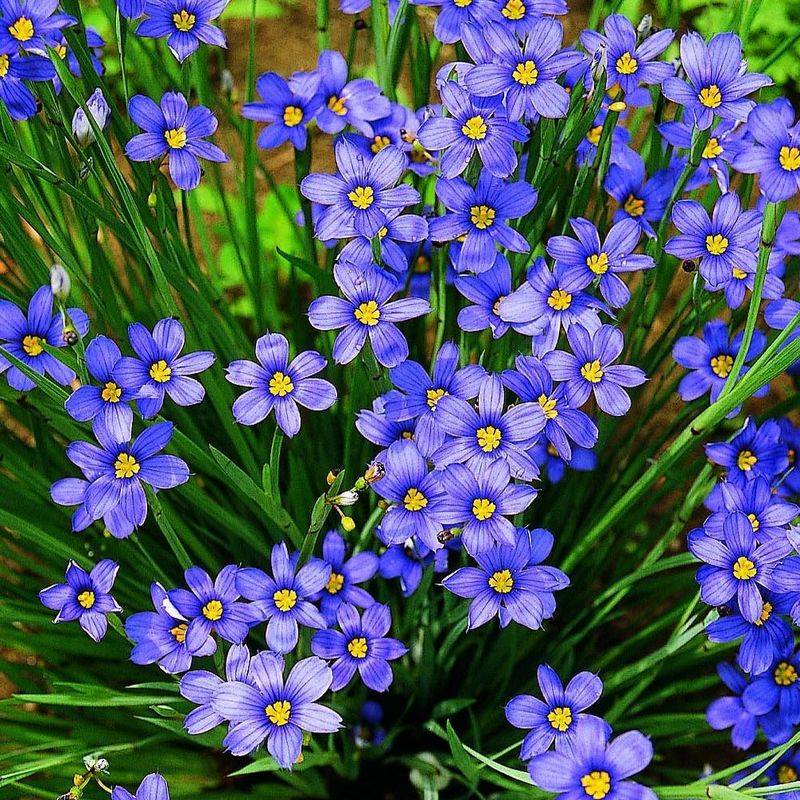
At first glance, blue-eyed grass looks like the sensible cousin of liriope. Then the flowers open, and the whole border suddenly has tiny blue stars scattered through it.
Despite the name, Sisyrinchium species are not true grasses. They are iris relatives with narrow leaves and small blue to violet flowers that bring a refined, meadow-like feel to bed edges and walkway borders.
Blue-eyed grass is a strong choice when you want a native replacement that still feels tidy. It can tuck into narrow spaces, mix well with other low natives, and provide nectar for small bees and other pollinators during bloom.
Use it in sun to part sun with soil that drains well but does not stay bone dry forever. In Florida’s sandy yards, a light layer of mulch and occasional water during establishment can help it settle in.
The best effect comes from planting it in groups rather than as one lonely clump here and there. A repeated line of blue-eyed grass gives you the familiar rhythm of a liriope border, but with seasonal flowers and real wildlife value woven into the design.
7. Twinflower
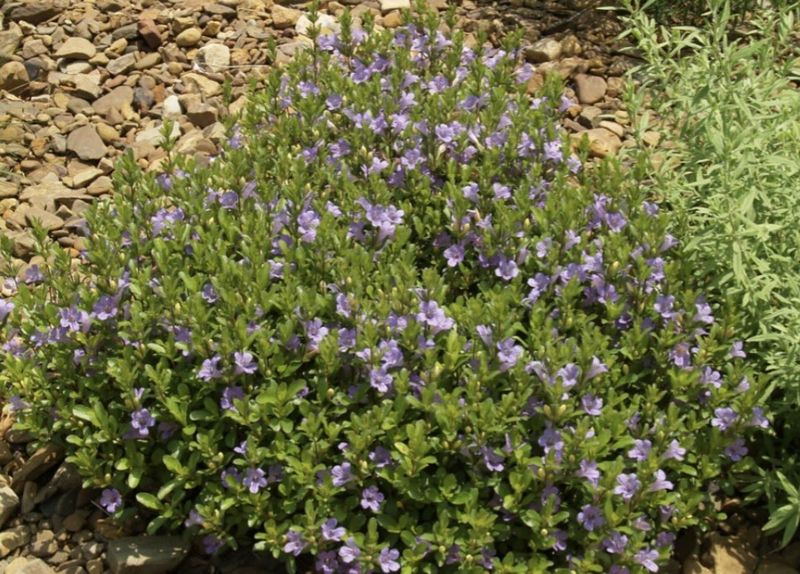
Some border plants shout, but twinflower hums along close to the ground. Its paired lavender blooms are small, sweet, and easy to miss until you notice how often little pollinators stop by.
Twinflower, Dyschoriste oblongifolia, is a Florida native groundcover that works well at the front of beds, under open shrubs, or along lightly shaded paths. It has a softer look than liriope, spreading into a low carpet rather than forming stiff clumps.
The flowers provide nectar for small bees and butterflies, and the plant helps cover bare soil that would otherwise invite weeds. In a wildlife-aware yard, that living cover matters because it creates a cooler, more useful surface than exposed sand or plain mulch alone.
Twinflower is especially handy for gardeners who want a native border that does not dominate the whole design. It can weave around stepping stones, soften the base of shrubs, and blend with coontie, blue-eyed grass, or lyreleaf sage for a layered Florida edge.
Give it part sun to light shade and water it during establishment. Once it settles, it offers the kind of quiet, low-growing greenery people like about liriope, with far more benefit for the small wildlife that keeps a garden active.