
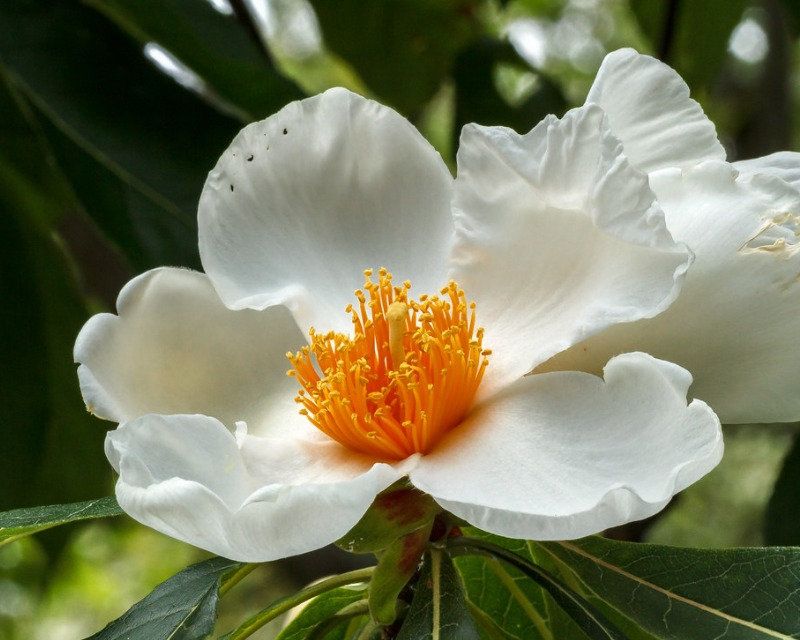
Crape myrtles can look great in late spring, then turn tired, mildewed, or stressed when Florida heat gets serious. If yours keeps fading by July, a Florida native may give you a stronger, more wildlife-friendly yard with less fuss.
These seven plants bring flowers, structure, shade, or pollinator value while handling sandy soil and steamy weather better than many overused ornamentals.
1. Simpson’s Stopper
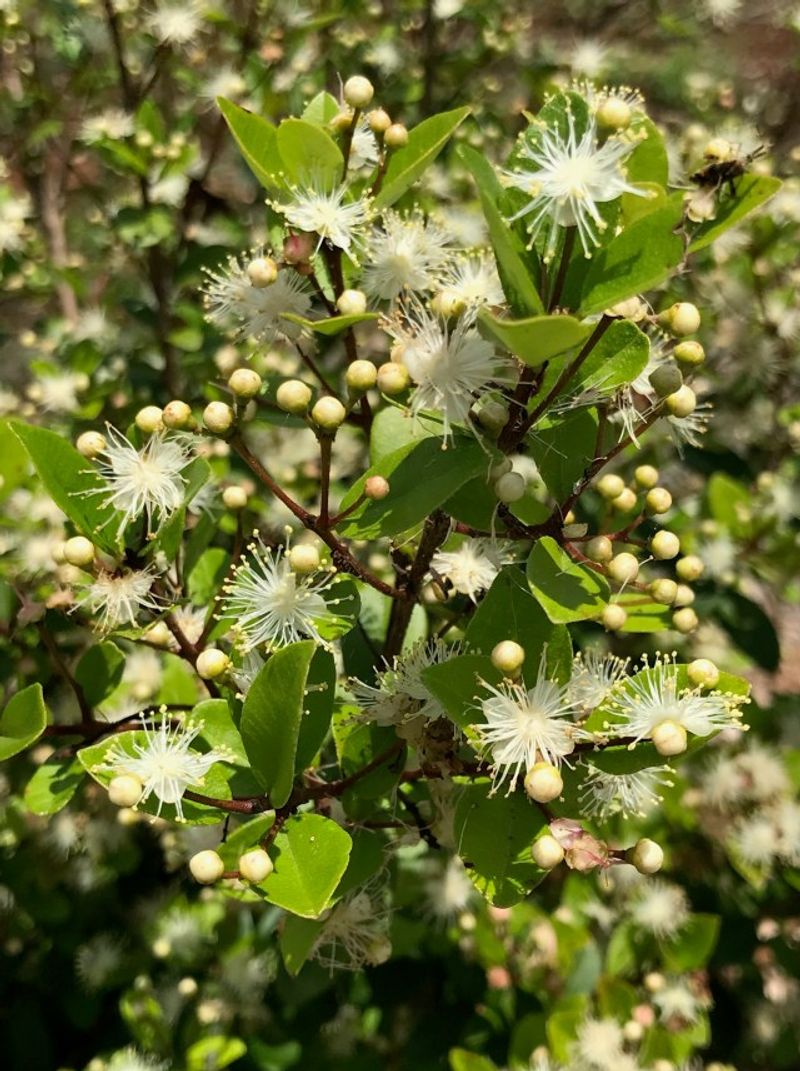
Walk past a healthy Simpson’s stopper after a rain and you may catch a light, spicy fragrance before you even notice the flowers. That quiet charm is exactly why it works so well as a crape myrtle replacement for Florida yards that need polish without constant rescue work.
Simpson’s stopper is a native evergreen shrub or small tree that can be clipped into a hedge, trained as a small specimen, or left a little loose for a more natural look. Unlike crape myrtle, it does not depend on a big summer flower show to earn its place.
Glossy leaves, pale blooms, and bright red to orange berries keep it useful across the year.
For homeowners dealing with sandy soil, this plant is a practical win once established. It handles heat, tolerates some drought, and fits nicely near patios, entries, and property lines where you want screening without a bulky tree.
Birds are another reason to plant it. The berries draw wildlife, while the dense branching gives small birds cover.
If your crape myrtle has become a high-maintenance stick with a few tired flowers, Simpson’s stopper offers a cleaner, calmer backbone for the Florida landscape.
2. Wild Lime
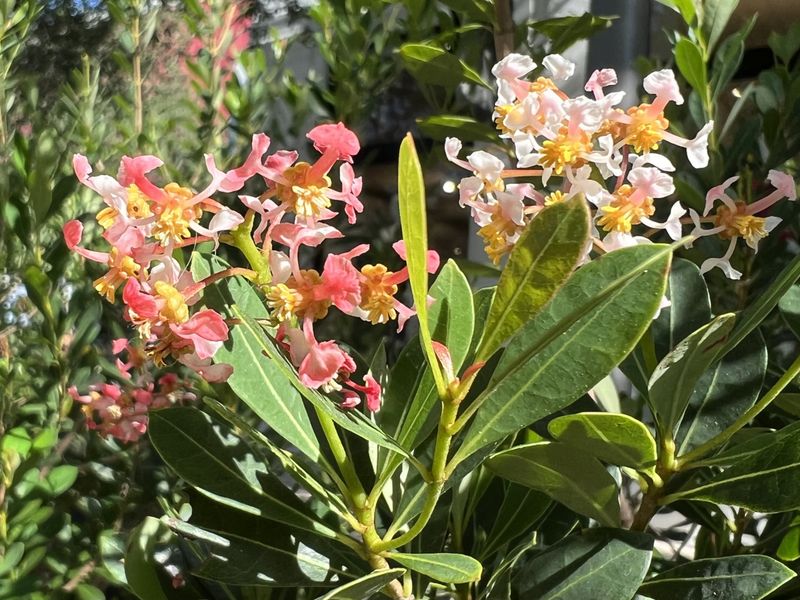
A butterfly garden does not have to look messy, and wild lime proves it. Tucked into a sunny border, this Florida native brings a fine-textured, airy look while quietly feeding some of the state’s most loved swallowtail butterflies.
Wild lime is not the same as the grocery-store lime tree. It is a native shrub or small tree with tiny leaflets, small flowers, and a natural shape that can be kept tidy with light pruning.
In many Florida yards, it works best as a loose screen, wildlife hedge, or background plant behind shorter flowers.
The standout value is its role as a larval host plant. Giant swallowtail caterpillars can use wild lime, so gardeners who want more butterflies get more than nectar.
They get part of the butterfly life cycle right in the yard.
Compared with crape myrtle, wild lime is less about one big blast of color and more about movement, texture, and habitat. Give it sun to part shade and well-drained soil, then place it where a slightly informal shape feels welcome.
It can have thorns, so avoid tight paths, pool edges, and spots where children run through the bed.
3. Firebush
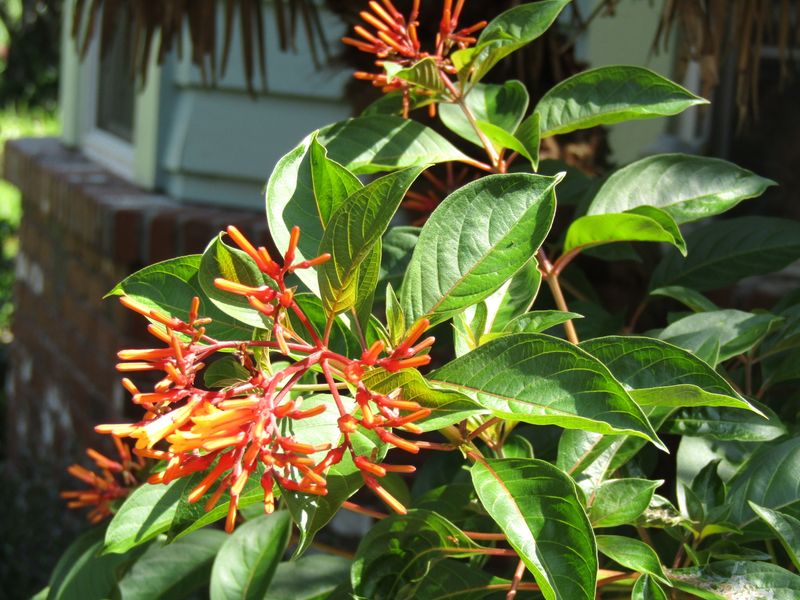
When the rest of the bed looks sleepy in deep summer, firebush can look like it missed the memo. Orange-red tubular blooms keep showing up through heat, humidity, and long Florida afternoons, which makes it one of the liveliest swaps for a fading crape myrtle.
Firebush is a Florida native shrub known for attracting hummingbirds, butterflies, and other pollinators. In warm parts of the state, it may stay evergreen or nearly evergreen.
In cooler areas, cold can knock it back, but it often returns from the roots when conditions improve.
Use it where you want color with a wilder, more tropical feel. It shines near fences, sunny back borders, mailbox beds, and informal foundation plantings with enough room to spread.
Regular moisture helps it look lush, but established plants can be tougher than their soft leaves suggest.
The key difference from crape myrtle is timing and energy. Firebush does not give you a bare trunk and a short flower window.
Instead, it offers steady nectar, warm color, and fast regrowth when the season is on its side.
For a clean look, prune lightly rather than shearing it into a hard box. Its natural shape is part of the appeal, especially when hummingbirds start treating it like a regular stop.
4. Walter’s Viburnum
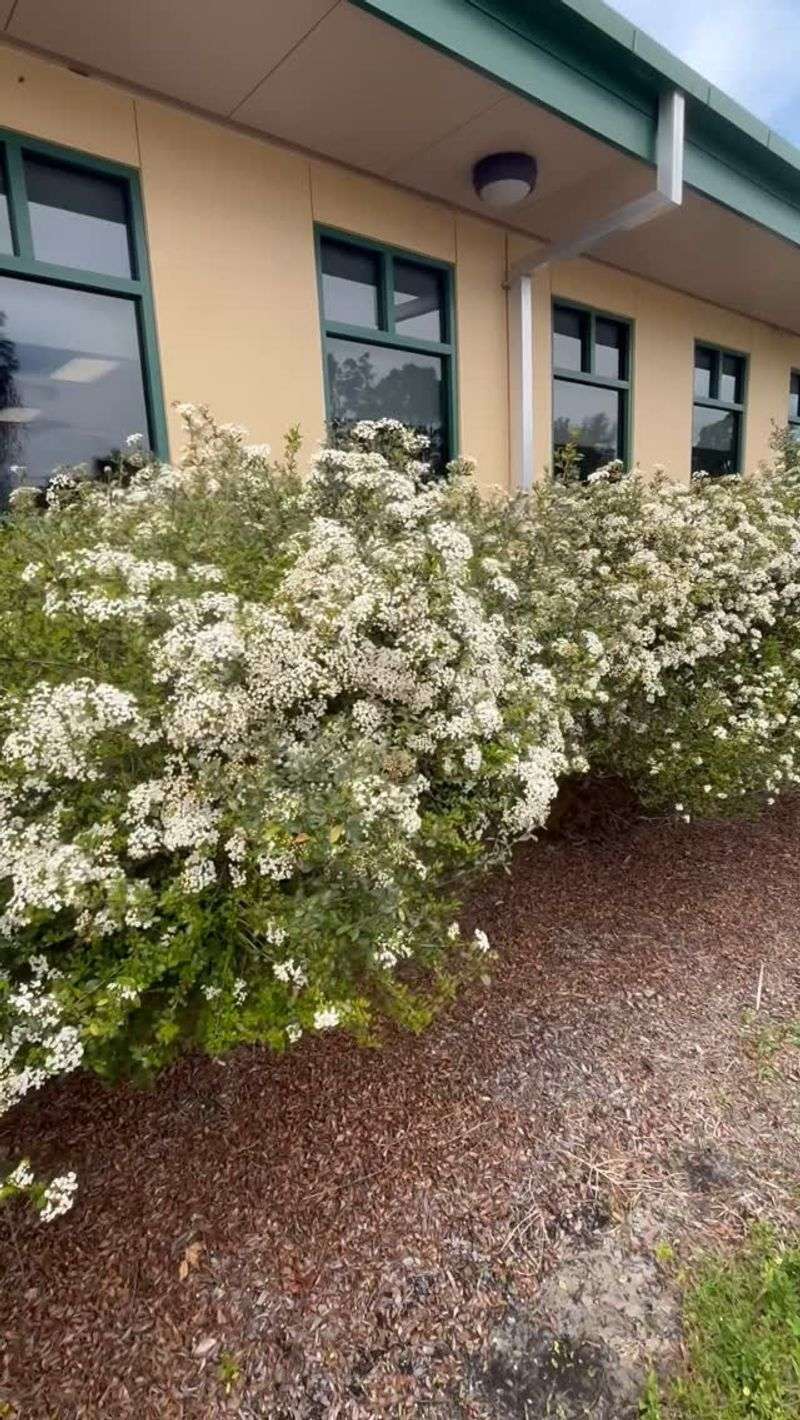
Some yards need a plant that behaves like a good neighbor. Walter’s viburnum fills space, makes a handsome screen, and brings spring flowers without demanding the spotlight every week.
This Florida native can grow as a shrub or small tree, depending on the variety and pruning style. Its small white flower clusters appear in late winter to spring, followed by berries that birds may visit.
The foliage can be dense enough for privacy, which makes it useful where a crape myrtle never quite blocked the view.
Walter’s viburnum is especially helpful for homeowners who want structure. Plant it along a property line, near an outdoor room, or behind a mixed border where it can act as the green wall that ties everything together.
Dwarf selections can fit smaller beds, while larger forms can become a substantial hedge or specimen.
Florida’s sandy soil is easier to manage when the right plant is in the right place. Walter’s viburnum prefers well-drained conditions, and once established, it is not as thirsty as many lush-looking landscape shrubs.
It also handles pruning better than many natives, so you can keep it formal or let it soften into a more natural outline.
If your crape myrtle looks bare, spotty, or awkward for much of the year, Walter’s viburnum gives the yard a steadier frame.
5. Red Buckeye
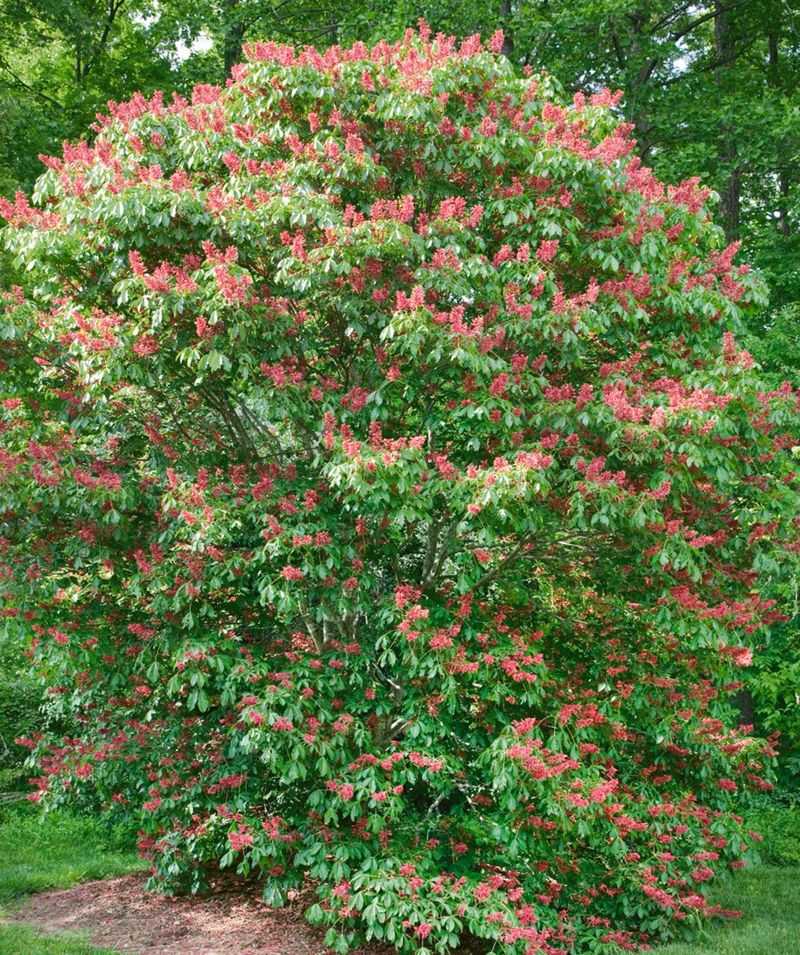
Red buckeye feels like a little surprise planted at the edge of the shade. While crape myrtle waits for summer to make its case, red buckeye lights up spring with upright red flower clusters that hummingbirds can find fast.
This native small tree or large shrub is a strong choice for gardeners who have part shade, woodland edges, or a spot under high pine canopy. It is not trying to be a glossy evergreen screen.
Its gift is early-season color, wildlife value, and a more natural Florida look.
One thing to know before planting: red buckeye can go dormant or look tired later in the hot season, especially in dry sites. That does not make it a failure.
It simply means it belongs in a layered bed where summer plants, grasses, or evergreen shrubs can carry the scene after its spring show ends.
Compared with crape myrtle, red buckeye offers a better fit for gardeners who want native habitat and seasonal rhythm rather than nonstop ornamental display. Place it where its spring flowers can be seen from a porch, kitchen window, or path.
Add mulch, avoid soggy soil, and give it room to form a graceful, open shape.
For a yard that feels more like Florida and less like a parking-lot planting, red buckeye brings character.
6. Chickasaw Plum
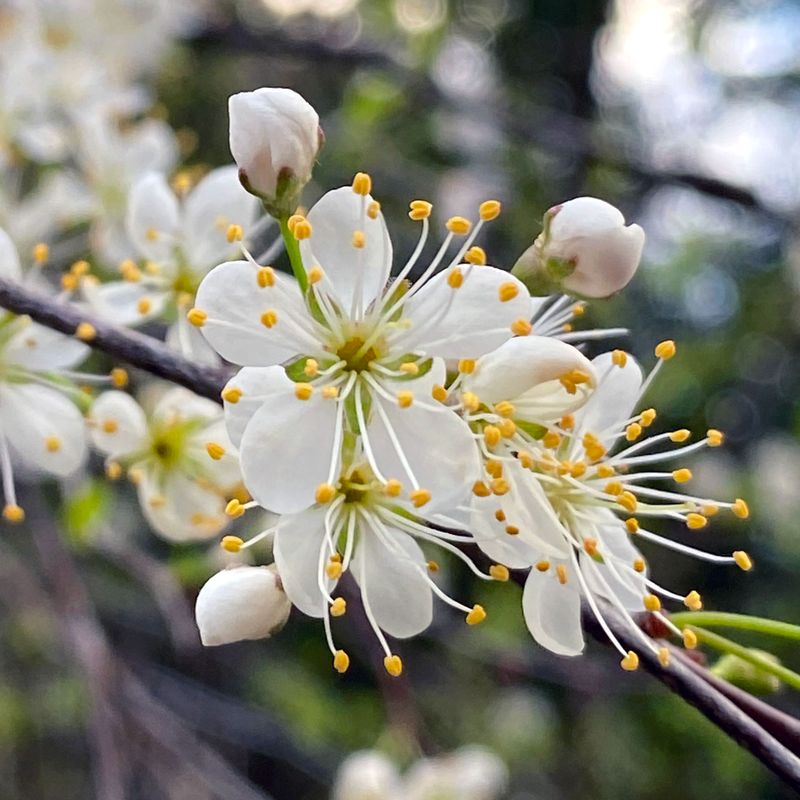
Before many landscapes wake up, Chickasaw plum can turn into a cloud of white blossoms. It has an old-fashioned, almost orchard-like feel, but it belongs in Florida far better than many fussy flowering imports.
Chickasaw plum is a native small tree or thicket-forming shrub that works well in sunny, informal spaces. It can produce small plums that wildlife enjoy, and people sometimes use the fruit for jelly when harvests are good.
Pollinators also visit the spring flowers, giving the plant value before summer color plants take over.
The personality here is different from a crape myrtle. Chickasaw plum is not the neatest choice for a narrow foundation bed or a tiny strip beside the driveway.
It may sucker and form a colony, which is either a problem or a feature depending on the site.
Use it where that habit helps you: along a back fence, in a wildlife corner, on the edge of a sunny lawn, or as part of a native hedgerow. In sandy soil, it can settle in well once established, especially if young plants get water during dry spells.
For gardeners who want spring beauty, bird activity, and a more edible landscape, Chickasaw plum gives more layers of usefulness than a crape myrtle that peaks once and sulks later.
7. Southern Wax Myrtle
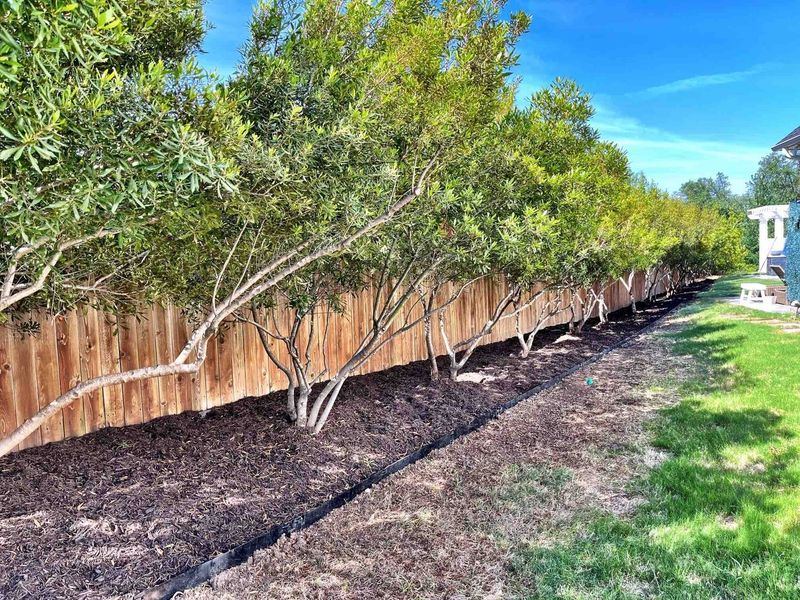
Need privacy in a hurry? Southern wax myrtle is the plant many Florida gardeners wish they had chosen before installing a row of struggling ornamentals.
This native evergreen shrub or small tree grows quickly and brings a relaxed, coastal look to the yard. Its narrow leaves create soft movement in the breeze, and female plants can produce waxy gray-blue berries that birds use as a food source.
It is especially useful for screening views, buffering wind, and filling large sunny spaces.
Southern wax myrtle is not a crape myrtle copy, and that is the point. Instead of bare lower trunks and a short flower season, it gives you year-round mass and coverage.
That makes it a smart pick beside patios, along fences, near utility areas, or anywhere you need a living backdrop.
Florida conditions suit it well when drainage is reasonable, though it can also tolerate moist sites better than many landscape shrubs. In storm-prone areas, thoughtful pruning matters.
Train young plants with a strong structure rather than letting crowded trunks become weak and tangled.
Give Southern wax myrtle enough room, because it is not a tiny accent plant. In the right spot, it becomes a set-and-forget screen with native wildlife value, saving you from replacing another stressed crape myrtle next summer.