
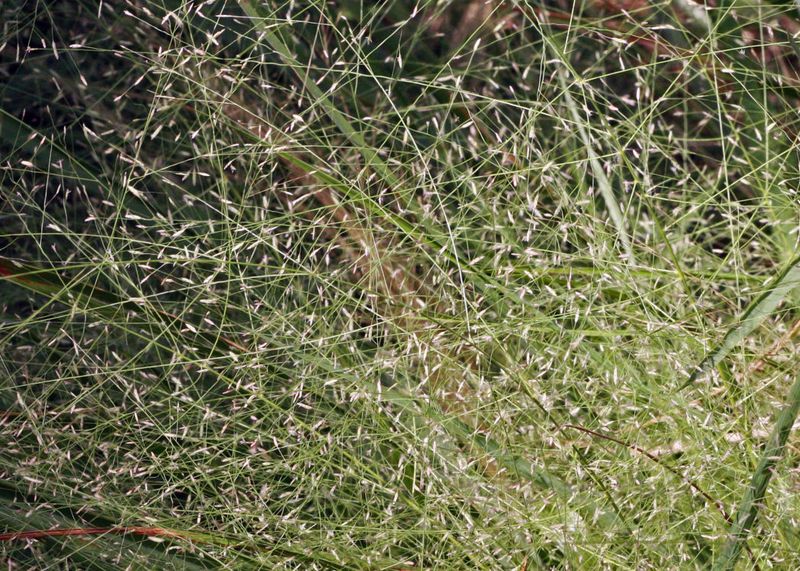
A flat lawn can look tidy, but in Florida it often asks for too much water, mowing, fertilizer, and weekend work. Native plants can cover ground, handle sandy soil, feed wildlife, and make the yard feel alive.
The right choices can turn a hard-to-maintain patch of grass into a useful part of your landscape. Here are seven Florida natives that earn their space in very different ways.
1. Sunshine Mimosa
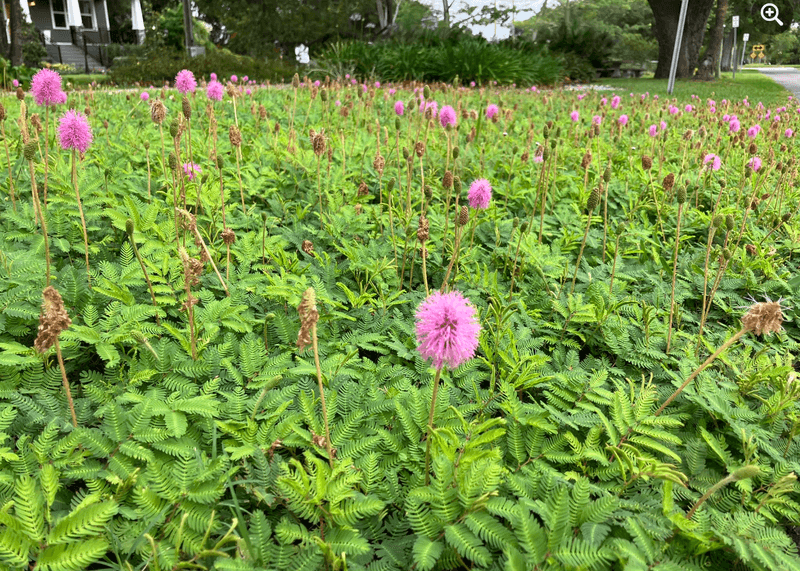
Step on a patch of sunshine mimosa and you get a tiny bit of yard magic. The ferny leaves fold when touched, which makes it fun near paths, patios, and places where kids notice small things.
For Florida homeowners tired of mowing thirsty turf, this native groundcover offers a soft, spreading carpet with pink puffball blooms during warm months. It works best in sunny spots with well-drained soil, which makes it a strong match for many sandy Florida yards.
Unlike plain lawn grass, sunshine mimosa brings pollinator value into the picture. Bees visit the blooms, and the plant can help stitch together bare patches where turf struggles, especially in informal lawn areas or along the edge of a driveway.
Give it room to spread, because that is part of its job. It is not the right pick for a crisp, formal putting-green look, but it shines in relaxed yards where low mowing, less irrigation, and more wildlife activity are the goal.
2. Frogfruit
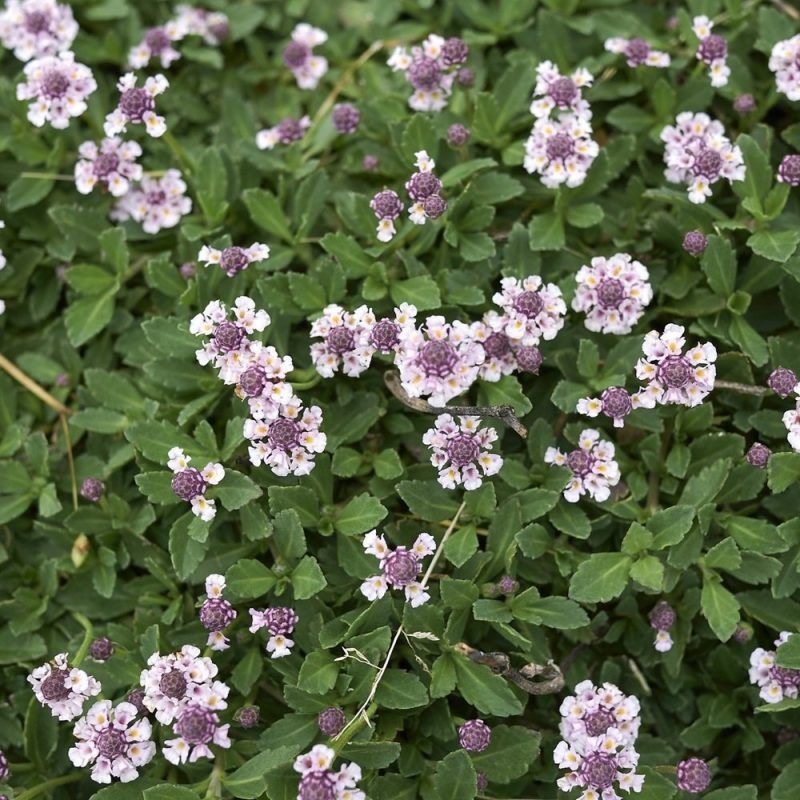
Butterflies do not need a giant flower bed to find your yard. A low patch of frogfruit can turn boring ground into a busy little feeding station without taking over the whole landscape visually.
Frogfruit, also called turkey tangle fogfruit, is a tough native groundcover that handles sun, part shade, and a range of Florida soil conditions once established. Its small white-to-lavender flower heads are not flashy from the street, but they are highly useful to small pollinators.
The big reason it earns a spot on this list is wildlife value in a short package. It can host caterpillars of several butterfly species and still stay low enough to read as a lawn substitute in casual areas.
Use frogfruit where you want a living ground layer between stepping stones, along bed edges, or in areas where traditional turf thins out. It may go a bit dormant or sparse in stressful periods, but it usually rebounds with warmth and moisture, making it a forgiving choice for practical Florida gardeners.
3. Twinflower
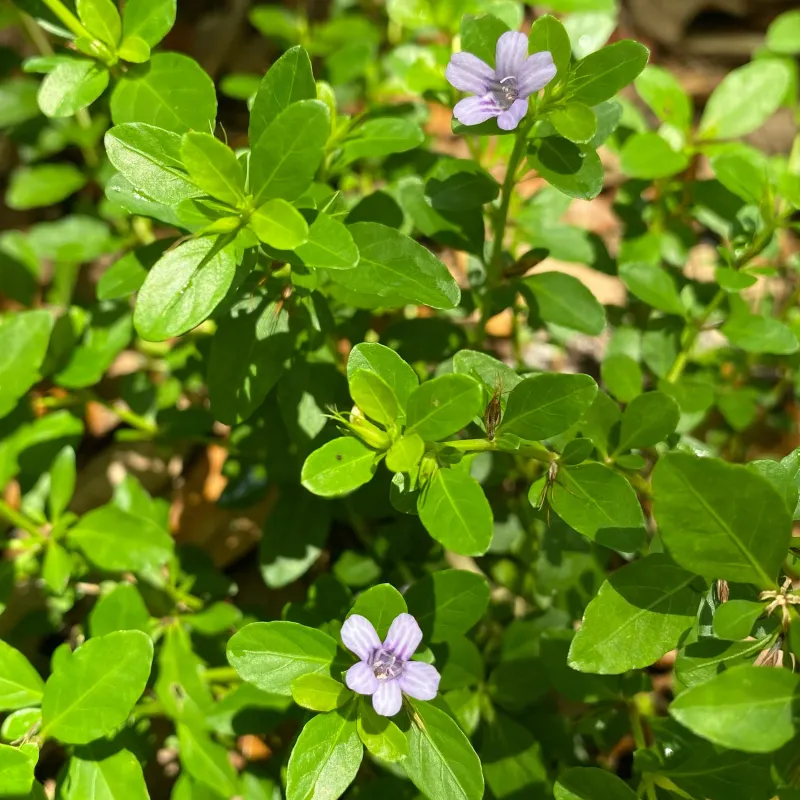
A shady strip under a small tree can become the sad corner of the lawn, thin, dusty, and always a little disappointing. Twinflower gives that kind of spot a better job.
This Florida native groundcover forms a low mat and produces small paired flowers, often in soft lavender or pinkish tones. It fits nicely in naturalistic yards, woodland edges, and lightly shaded areas where turfgrass often fails or demands extra attention.
Twinflower stands apart because it brings a quieter, more refined look than many rugged lawn alternatives. It does not shout for attention, but it helps cover bare soil, soften bed edges, and give pollinators another stop in the yard.
Plant it in part sun to light shade with soil that drains well. In hotter inland yards, a little afternoon shade can help it look fresher, while coastal or mild sites may support it in brighter exposures.
Think of twinflower as a living seam between lawn, path, and planting bed. It is especially useful when you want less mowing but still want the yard to feel cared for, not abandoned.
4. Beach Sunflower
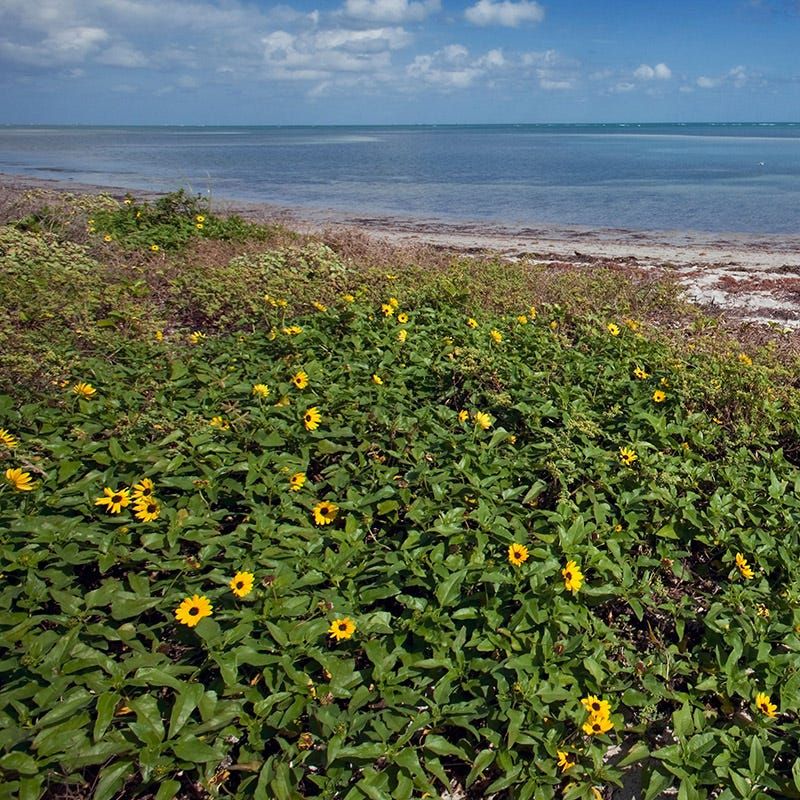
If your front yard bakes like a parking lot, beach sunflower is the cheerful overachiever that seems almost insulted by pampering. Hot sun, sandy soil, and salty air are exactly the conditions where it can look at home.
This Florida native spreads low and wide, sending up golden daisy-like flowers that brighten bare ground far better than tired turf. It is especially useful near coastal homes, mailbox beds, sunny slopes, and other dry areas where irrigation feels wasteful.
Beach sunflower earns its space by combining curb appeal with toughness. Many lawn substitutes are useful but visually quiet, while this one gives you a clear flower display that neighbors can spot from the street.
Pollinators appreciate the blooms, and birds may visit for seeds. To keep it looking tidy, trim it back as needed and allow fresh growth to fill in, rather than expecting it to behave like clipped grass.
Avoid soggy spots, since this plant is built for drainage. In the right sandy, sunny place, it can replace a patch of high-maintenance lawn with color, movement, and a much stronger Florida sense of place.
5. Railroad Vine
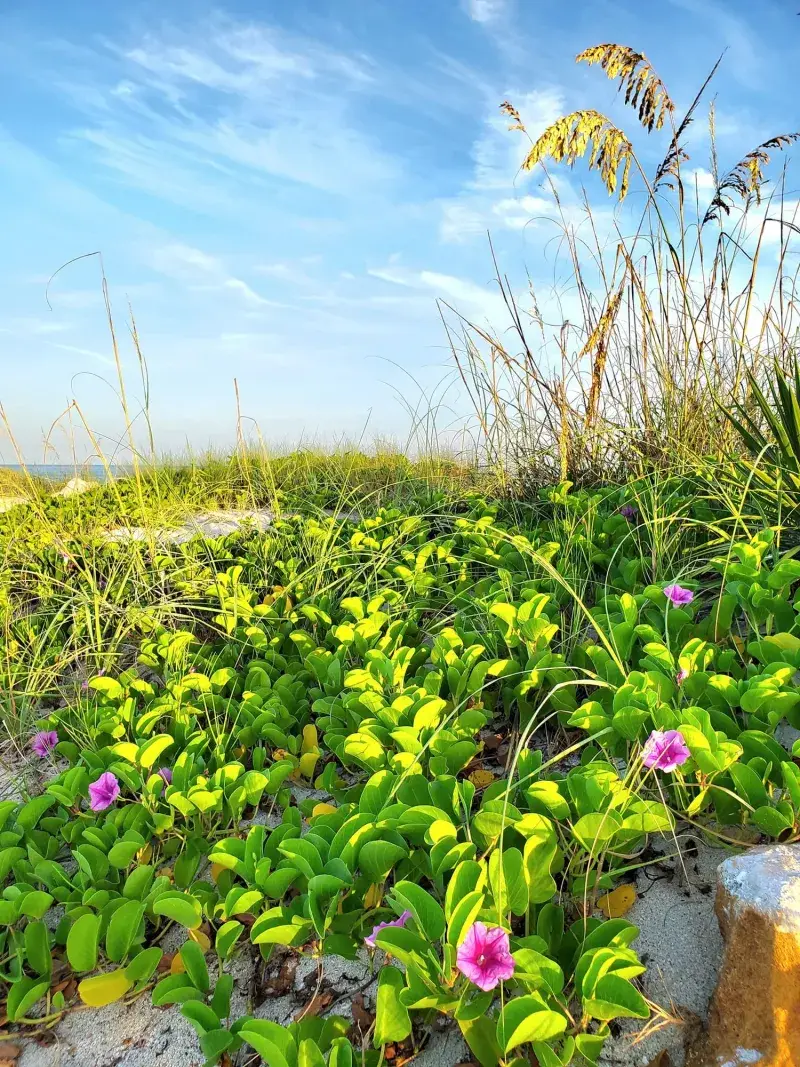
There is a reason railroad vine looks so relaxed near the beach. It is built to crawl across sand, take wind, and keep going where many lawn grasses sulk.
This native vine has rounded leaves and purple morning-glory-like flowers that open with a tropical feel. In coastal Florida landscapes, it can cover broad sandy areas and reduce the need for mowing in places where a traditional lawn never looked convincing anyway.
Railroad vine is different from the other plants here because it has a bold, rambling personality. It is not a tiny filler for a narrow border.
It needs space, and when given that space, it can make a dry, exposed yard look intentional instead of empty.
Use it on sunny slopes, beachside lots, or large sandy patches away from delicate small plants. It can spread strongly, so place it where that habit is an advantage and edge it when needed.
For storm-aware coastal gardeners, deep-rooted native groundcovers can be part of a more resilient landscape. Railroad vine will not replace every lawn, but on the right Florida site, it turns harsh sand into a living, flowering cover.
6. Muhly Grass
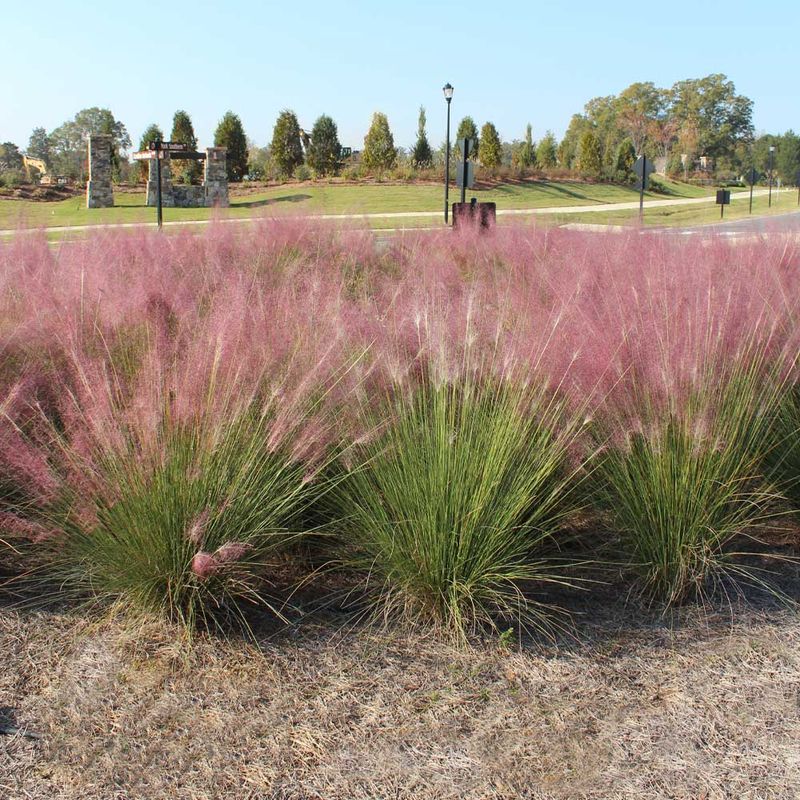
Some lawn replacements do not try to be walked on, and that is the whole point. Muhly grass replaces useless turf by turning a flat, forgettable area into a soft cloud of movement.
This Florida native bunchgrass is famous for its pinkish-purple fall plumes, which glow beautifully in low light. For homeowners, it is a strong choice for sunny front-yard swaths, driveway edges, and open areas where you want less mowing and more seasonal drama.
Muhly grass earns its space because it changes the shape of the yard. Instead of a thin green sheet, you get texture, height, and a clean ornamental look that still supports a more natural Florida landscape.
Once established, it handles drought better than many thirsty lawn areas, especially in well-drained sandy soil. Cut it back once a year before fresh growth pushes, and avoid heavy fertilizer, which can make native grasses floppy.
Use muhly grass in masses for the best effect. One plant looks pretty, but a sweep of several plants can make a former lawn strip feel designed, low-care, and ready for Florida fall color.
7. Elliott’s Lovegrass
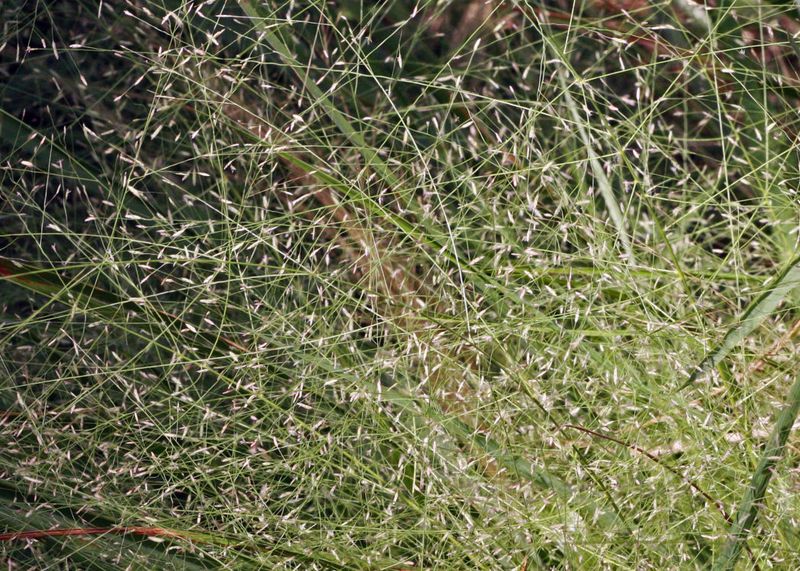
A yard does not have to be flat to look neat. Elliott’s lovegrass brings a breezy meadow look that feels polished when planted in groups and paired with clean edges.
This native grass forms clumps of fine, often blue-green foliage with airy flower and seed heads that catch the light. It suits sunny Florida yards, rain garden edges, and open sandy spaces where homeowners want a lower-input planting instead of endless turf care.
Its special strength is structure without stiffness. Beach sunflower gives color, frogfruit hugs the ground, and muhly steals the show in fall, but Elliott’s lovegrass offers a year-round grassy texture that looks natural and graceful.
Plant it where it can sway, not where you need a play surface. It can help stabilize soil, soften hard lines along walks, and blend native flower beds into the rest of the yard.
Maintenance is simple compared with lawn grass. Give it sun, good drainage, and a yearly trim if the clumps need refreshing, then let it do what Florida native grasses do best, hold space beautifully without acting needy.