
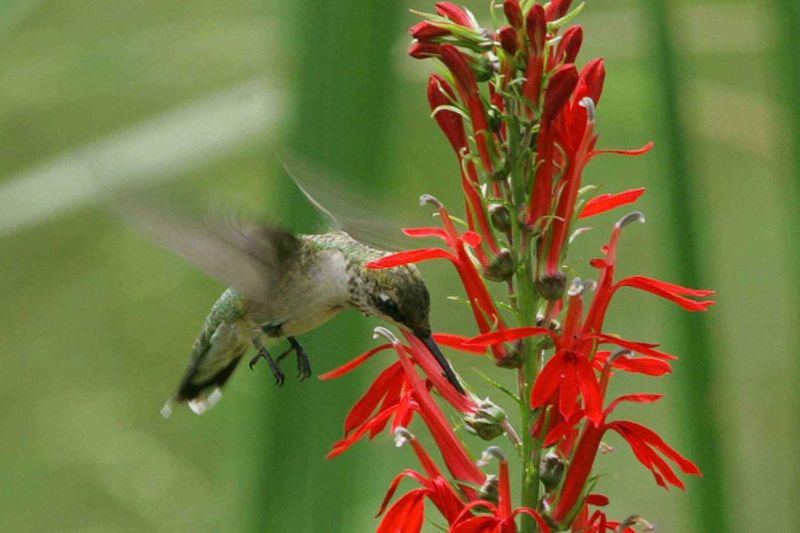
A plain slat fence can feel hot, bare, and lifeless in a Florida yard. Add the right native plants, and that same fence becomes shade, color, privacy, and a feeding lane for hummingbirds.
The best choices handle sandy soil, sticky heat, and stormy weather better than fussy imports. Here are seven Florida natives that can soften a fence and keep the tiny winged visitors coming back.
1. Coral Honeysuckle
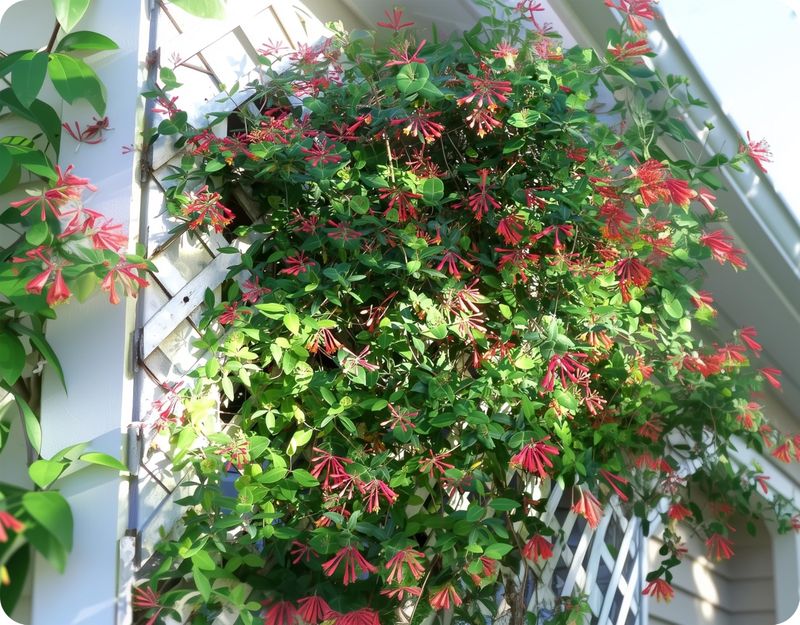
Red trumpet blooms are the reason many Florida gardeners fall hard for coral honeysuckle. A bare fence suddenly looks alive when this native vine starts weaving through slats and sending out clusters of nectar-rich flowers.
Unlike invasive Japanese honeysuckle, coral honeysuckle behaves far better in Florida gardens when given a sturdy fence, trellis, or wire support. It is native to much of the state and is widely recommended for wildlife yards because hummingbirds can reach its tubular flowers with ease.
Plant it where it gets sun to part shade, then water regularly while it settles in. Once established, it can handle Florida’s quick-draining sandy soil with less fuss, though a layer of pine straw or leaf mulch helps keep roots cooler during long hot spells.
What makes it the anchor of this list is its fence-covering habit. It climbs instead of forming a bulky shrub, so it can turn a narrow strip along a slat fence into a living screen without stealing half the yard.
2. Firebush
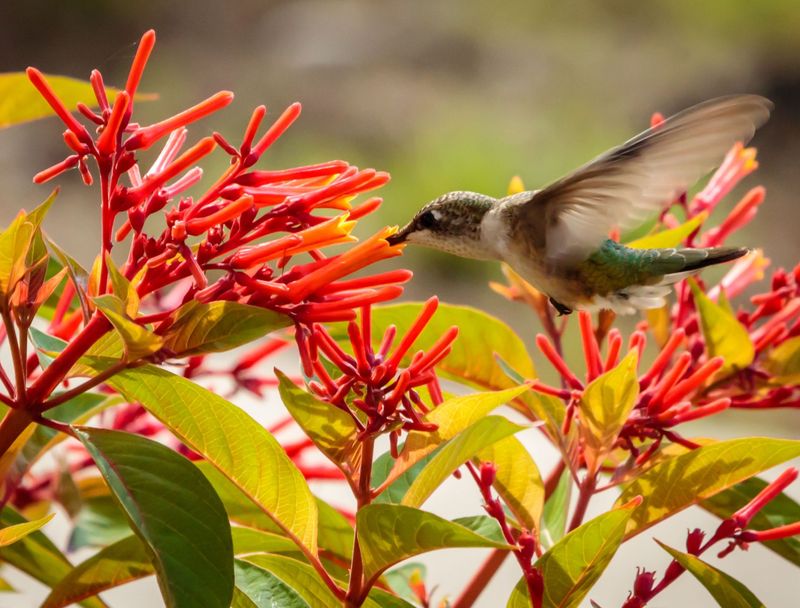
Some plants whisper; firebush waves a bright orange flag from across the yard. Along a fence, it brings the kind of hot-color bloom that seems made for Florida sunshine.
Firebush is a native shrub in South and Central Florida, and it is one of the most dependable hummingbird magnets for warm regions of the state. Its small tubular flowers appear in clusters and also draw butterflies, which makes the fence line feel busy in the best possible way.
Use firebush where you want height and body behind or in front of a slat fence. In frost-free areas it can become a large, loose shrub, while colder parts of North Florida may see it die back in winter and return when weather warms.
Give it full sun for the heaviest bloom, and avoid overwatering once it is established. Firebush is useful for homeowners who want a screen that looks relaxed, not clipped and formal, and it bounces back well from pruning if a storm or growth spurt leaves it uneven.
3. Crossvine
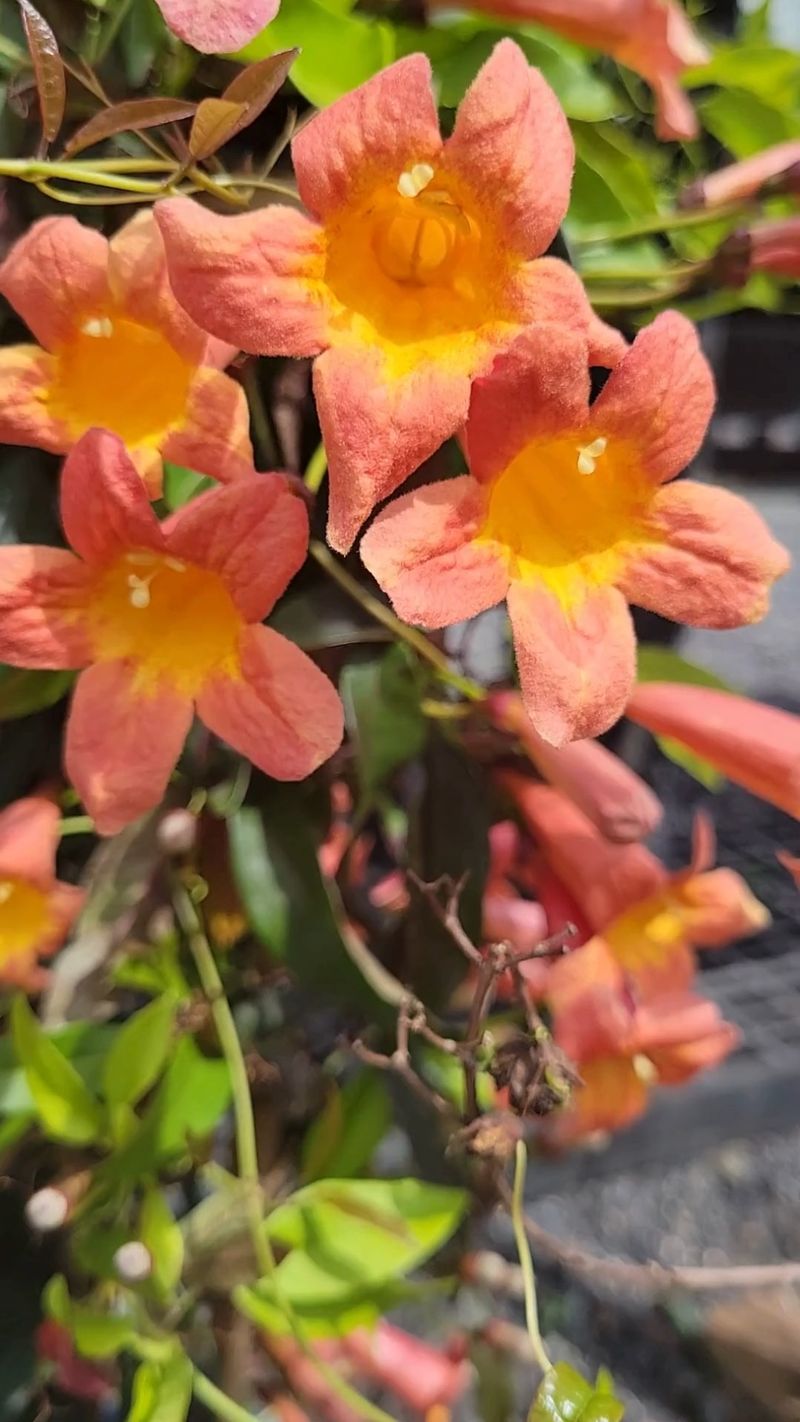
When spring arrives, crossvine can make a fence look like it has been plugged into a sunset. The orange, red, and yellow trumpet flowers are bold enough to be seen from the patio, and hummingbirds notice them too.
Crossvine is a native climbing vine that works especially well when a gardener wants fast vertical coverage. It grabs with tendrils, so a slat fence with added wire, lattice, or a trellis panel gives it a better path upward.
Compared with coral honeysuckle, crossvine often feels a little wilder and more dramatic. It can cover space quickly, which is wonderful for privacy, but it also means you should guide young stems and prune after flowering to keep gates, rooflines, and neighbor-side fences clear.
Florida’s sandy soil is not a dealbreaker if the plant is watered during establishment. Choose sun to part shade, remembering that more sun usually means more flowers, and avoid planting it where standing water lingers after heavy summer storms.
4. Scarlet Sage
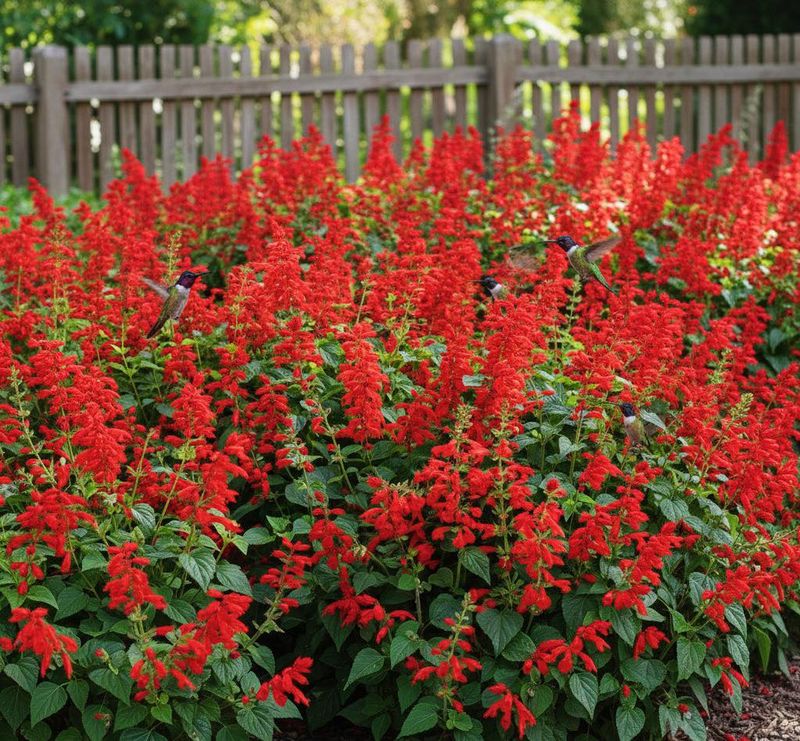
A fence screen does not have to be all vines and tall shrubs. Scarlet sage earns its spot by filling the lower layer with red blooms right where hummingbirds often make quick feeding stops.
This Florida native wildflower is easy to tuck at the base of coral honeysuckle, crossvine, or firebush. It softens the hard bottom edge of a slat fence and helps hide bare stems that can show on older vines.
Scarlet sage usually grows as a short-lived perennial or reseeding annual, depending on the site and winter weather. In many Florida yards, it pops up again if seed heads are allowed to mature, giving that set-and-forget feeling gardeners love.
Hummingbirds visit the red tubular flowers, while bees and butterflies also work the blooms. Plant it in sun to part shade, keep it watered until established, and let mulch reduce splash and moisture swings in sandy soil.
The best use is as a colorful understory, not the main privacy plant. Think of it as the busy café at the foot of the fence, while the vines and shrubs build the walls.
5. Tropical Sage
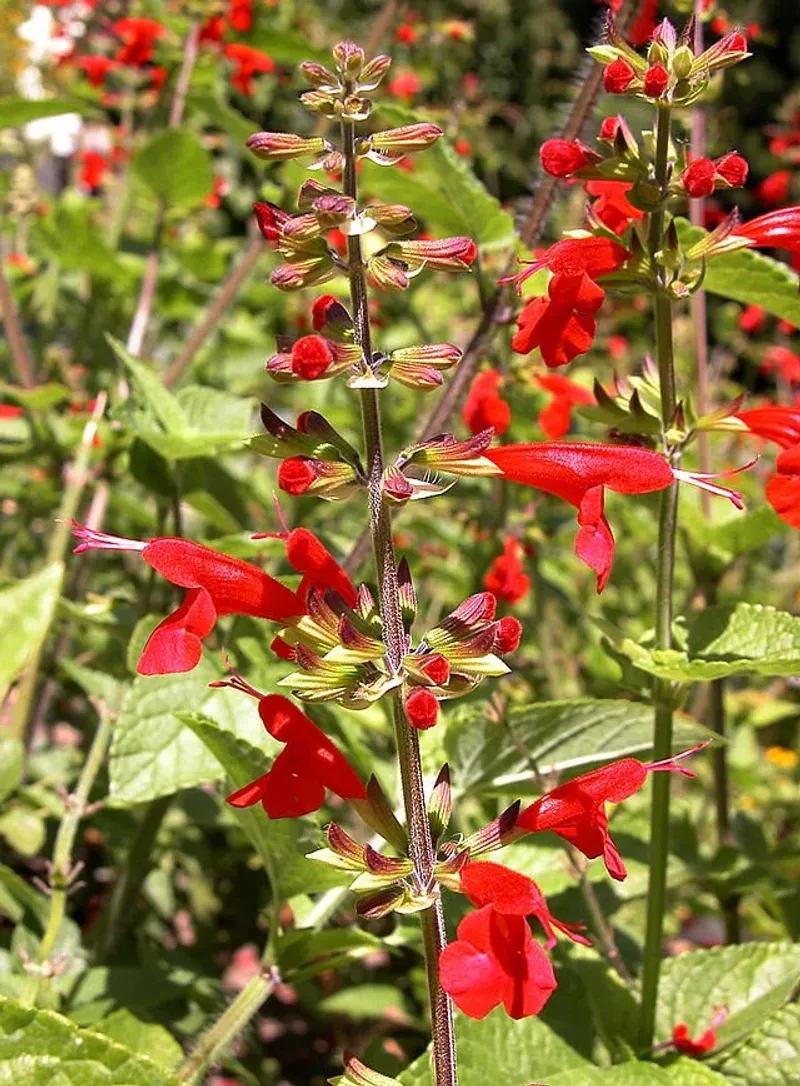
Tiny red flowers can punch above their weight, and tropical sage proves it. In a narrow fence bed, it brings steady color without demanding the space of a large shrub.
Tropical sage is native in Florida and often appears in naturalized pollinator gardens, especially where gardeners allow it to reseed. Its red-flowered forms are especially helpful for hummingbirds, though flower color can vary.
Use it in pockets between larger fence plants, or repeat it in small drifts for a more finished look. It can handle part shade, which is useful along fences that get morning sun on one side and afternoon shade from nearby trees or homes.
One of its best traits is how lightly it sits in the garden. It does not try to swallow the fence, and it is simple to trim, thin, or move if seedlings appear in the wrong spot.
For Florida gardeners dealing with sandy soil, add compost only modestly and mulch well rather than pushing lush, weak growth with too much fertilizer. Tropical sage is the kind of plant that feels casual, cheerful, and wildlife-friendly without turning into a weekend project.
6. Coralbean
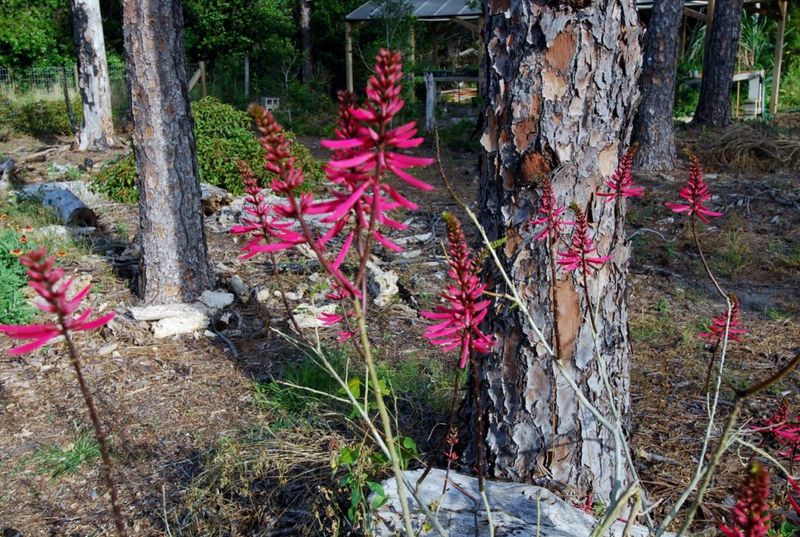
Before many plants have hit their stride, coralbean can send up red flower spikes that look almost tropical. That early drama makes it valuable in a fence planting built for a long hummingbird season.
Coralbean is a Florida native shrub or small understory plant with striking red tubular flowers. Hummingbirds use the blooms, and the plant brings a wild, old-Florida feel that fits beautifully with palmettos, coontie, muhly grass, and native vines.
Place coralbean where you want a looser, more natural screen rather than a tight hedge. It can lose leaves in cooler months or during dry periods, so it is best mixed with evergreen or semi-evergreen fence plants instead of being asked to do the whole privacy job alone.
Gardeners with children or pets should know that coralbean produces bright seeds that are toxic if eaten. Plant it where seed pods will not tempt curious hands, and remove pods if that gives you more peace of mind.
Its difference from the rest of the list is timing and texture. Coralbean adds sculptural stems, spring nectar, and a native woodland look that keeps a fence line from feeling too neat or predictable.
7. Wild Coffee
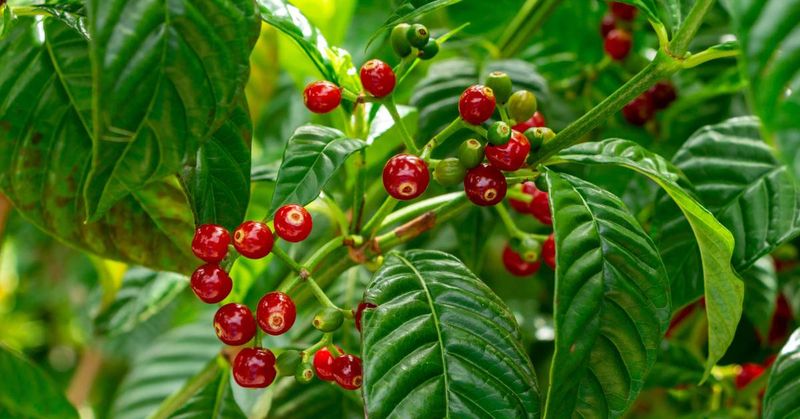
Not every hummingbird-friendly fence plant has to shout in red flowers all year. Wild coffee brings glossy leaves, calm structure, and a shaded backdrop that makes brighter bloomers stand out.
This Florida native shrub is especially useful in Central and South Florida landscapes, where it can form a handsome, leafy screen in part shade. Its small white flowers attract pollinators, and its red berries feed birds, adding more wildlife value to the fence line.
Wild coffee is not the main nectar bar for hummingbirds like coral honeysuckle or firebush. Its real job is different: it fills gaps, cools the look of a hot fence, and gives tiny birds nearby cover between feeding runs.
Plant it where harsh afternoon sun is filtered, especially in dry sandy soil. Mulch helps protect the shallow root zone, and regular water during establishment gives it a stronger start before it settles into lower-maintenance growth.
For a layered screen, place wild coffee behind tropical sage or scarlet sage, then let coral honeysuckle climb above. The result feels more like habitat than decoration, which is exactly why hummingbirds and other birds keep checking it all day.