
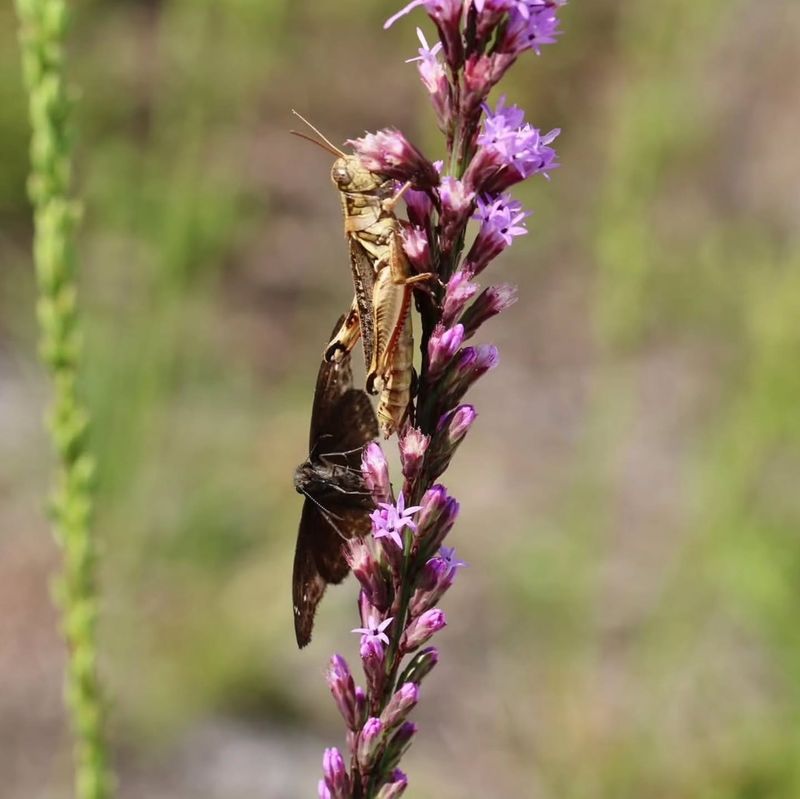
Cicada killer wasps look scary, but they are usually calm yard helpers. The females hunt cicadas, which can reduce noisy pest pressure around trees and shrubs.
By planting the right Florida natives, you can offer nectar for the adults while making your yard more welcoming to useful insects. Here are seven plants that fit Florida heat, sandy soil, and wildlife-friendly gardens.
1. Spotted Beebalm
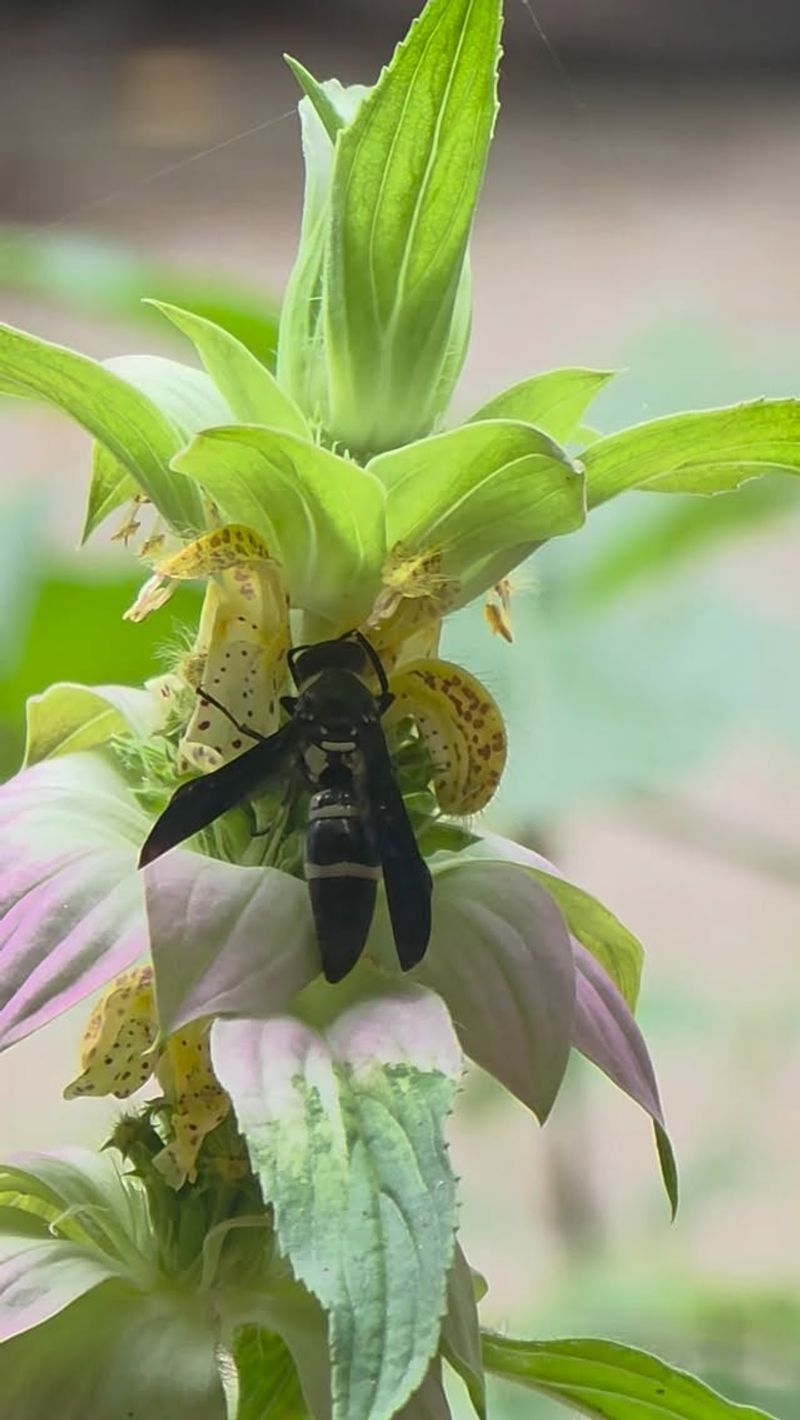
A patch of spotted beebalm can feel like a tiny pollinator festival, especially when the flowers start stacking up in soft, spotted tiers. In Florida yards, this native mint family plant is a strong choice because it handles sun, sandy soil, and the kind of hot, open spots where many fussy ornamentals fade.
Cicada killer wasps are nectar feeders as adults, and spotted beebalm offers easy landing spots and plenty of small blooms. While the female wasps hunt cicadas for their young, they still need sugar from flowers to keep flying, digging, and patrolling the yard.
Use spotted beebalm along driveway edges, sunny borders, mailbox beds, or the back of a pollinator strip where it can spread a bit. It is especially useful in low-water areas once established, but it looks best if you avoid rich, soggy soil.
One fun bonus is the scent. Brush the foliage and you may notice a spicy, oregano-like smell, which makes the plant feel right at home in a practical Florida herb-and-wildlife garden.
2. Seaside Goldenrod
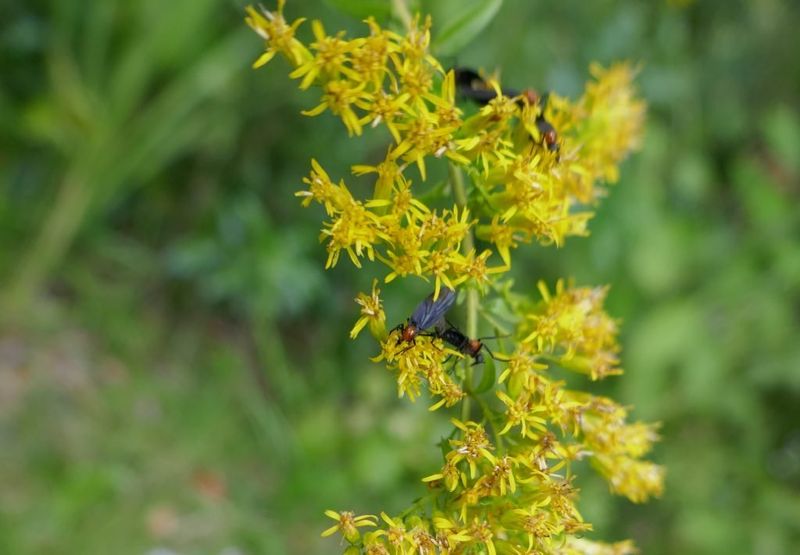
Near the coast, few native flowers look as cheerful as seaside goldenrod when its yellow plumes light up the garden. It is not just a pretty fall bloomer, either.
It is built for tough Florida conditions, including salt spray, sandy soil, wind, and blazing sun.
For cicada killer wasps, seaside goldenrod is valuable because it blooms when many summer flowers are slowing down. Adult wasps and other beneficial insects use the nectar, while your trees may be dealing with late-season cicada activity in warm parts of the state.
Plant it where it has room to lean and move, such as along fences, pond edges, open side yards, and informal wildlife borders. In small front beds, choose a spot where its height will not block shorter plants, because it can become bold when happy.
Goldenrod often gets blamed for allergies, but the real troublemaker is usually wind-pollinated ragweed blooming at the same time. Seaside goldenrod has heavier pollen that insects carry, which is exactly why it earns a place in a pest-smart Florida yard.
3. Narrowleaf Sunflower
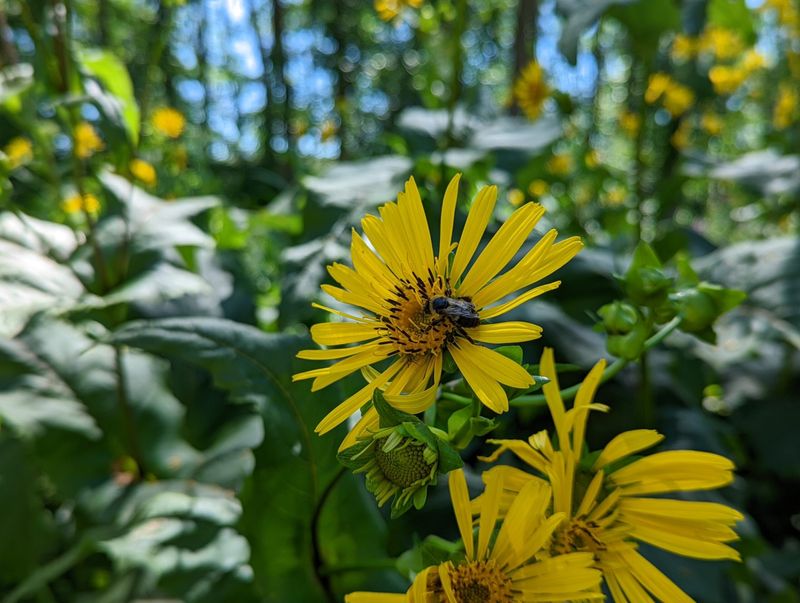
When a yard needs a big, happy splash of yellow, narrowleaf sunflower delivers without acting delicate. Also called swamp sunflower, this Florida native can shine in moist spots where many drought-loving wildflowers would struggle.
Its role on this list is different from seaside goldenrod because it fits wetter edges. Think rain garden margins, low backyard corners, pond banks, or areas that stay damp after summer storms but still get good sun.
The open, daisy-like flowers are easy for many nectar-feeding insects to use, including larger wasps. Cicada killer wasps can stop for fuel, then continue searching for cicadas in nearby trees, lawns, and shrub borders.
Give narrowleaf sunflower space and expect it to look most natural in a relaxed planting. It can spread by rhizomes, so it is better for a wildlife corner than a tiny, formal foundation bed.
Florida gardeners who are tired of replacing thirsty annuals may appreciate how much seasonal color this plant gives back. Cut it back after bloom if you want a neater winter look, or leave some stems for extra habitat value.
4. Dense Blazing Star
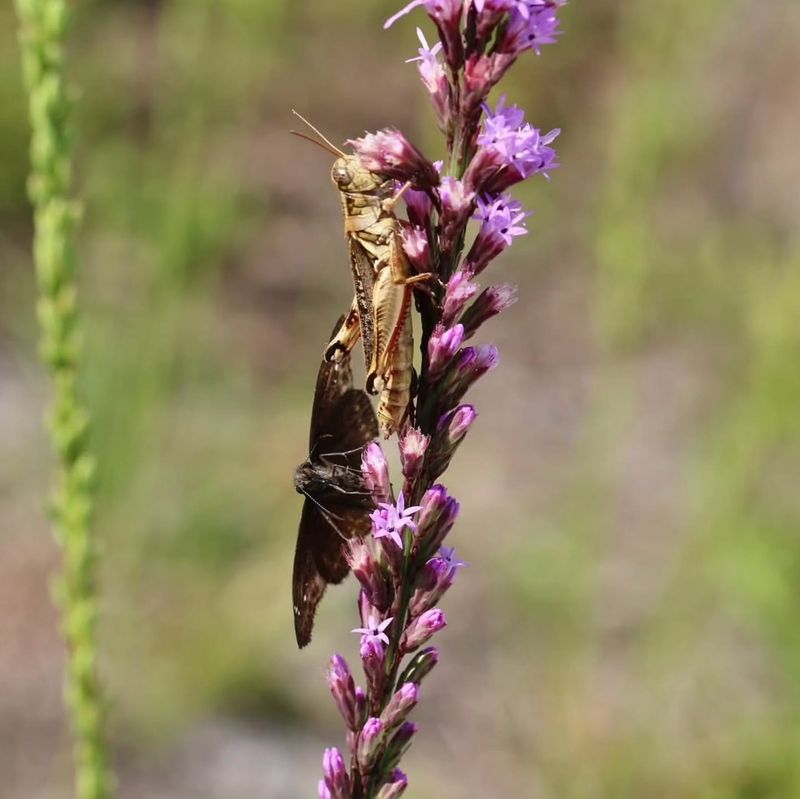
In a border full of round flowers, dense blazing star stands straight up like a purple sparkler. The tall bloom spikes add shape and color, which makes them useful in Florida yards that need wildlife value without looking messy.
Cicada killer wasps are large insects, so they benefit from flowers that are easy to approach and rich enough to be worth the visit. Dense blazing star sends many small flower heads up one stem, creating a vertical feeding station for nectar seekers.
This plant is a smart pick for sunny native beds, pollinator islands, and the middle layer of a front-yard meadow. It likes moisture better than some dryland natives, so it can work well in Florida gardens that receive regular summer rain but still drain after storms.
Pair it with lower plants that hide the base and keep the bed full, such as sunshine mimosa, native grasses, or small-flowered asters. The purple spikes also stand out beautifully against yellow bloomers like goldenrod or narrowleaf sunflower.
Beyond cicada killers, blazing star is famous for drawing butterflies. That makes it a good choice when you want pest help, color, and curb appeal from the same planting.
5. Clustered Mountainmint
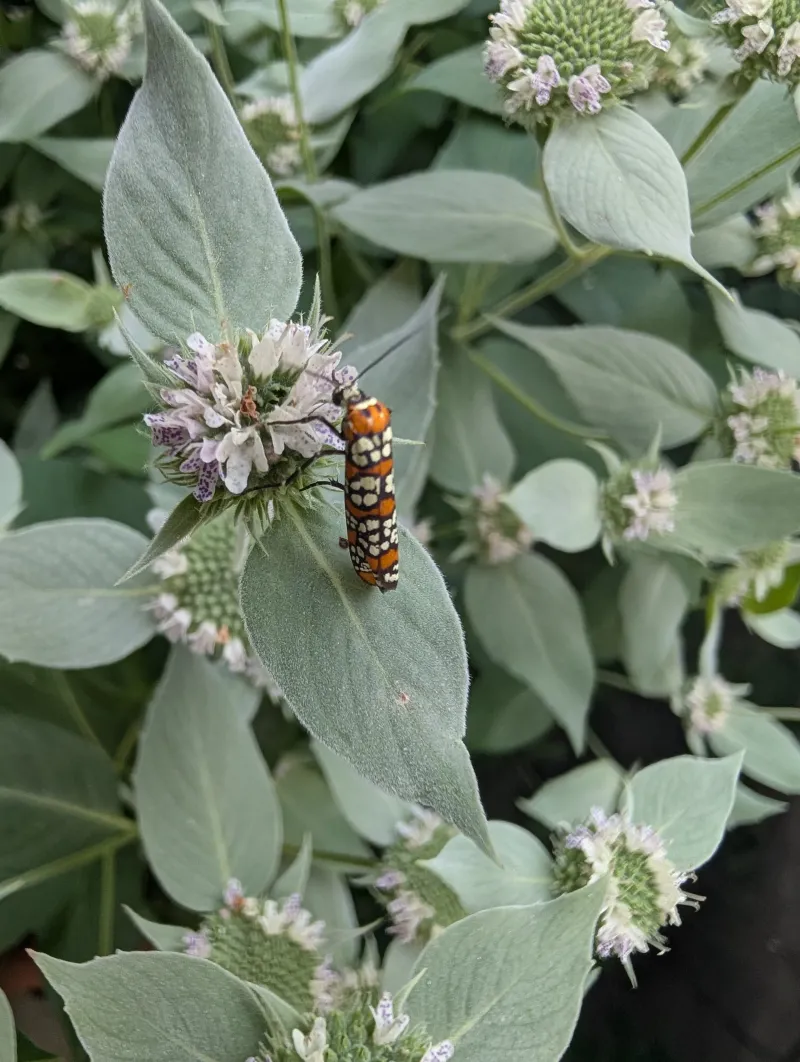
One plant can change the whole insect traffic pattern in a garden, and clustered mountainmint is that kind of plant. Its small white flower clusters may not shout from across the yard, but up close they are busy with wasps, bees, flies, and other helpful visitors.
For Florida gardeners, mountainmint is especially handy in the northern and central parts of the state where conditions match its range. It prefers sun to light shade and soil that does not stay waterlogged, so raised beds and sandy-loam native borders can suit it well.
What makes it stand out is flower structure. Many tiny blooms create repeated nectar stops, and wasps are often drawn to that kind of easy, steady food source.
Use clustered mountainmint near vegetable gardens, fruit trees, or shrub borders where you want more beneficial insects moving through. Cicada killer wasps will not control every yard pest, but encouraging nectar-feeding hunters adds another layer to a balanced landscape.
The leaves have a clean minty smell, yet this is not the same as runaway culinary mint. Give it room to form a patch, then enjoy the quiet buzz of a working native plant.
6. Partridge Pea
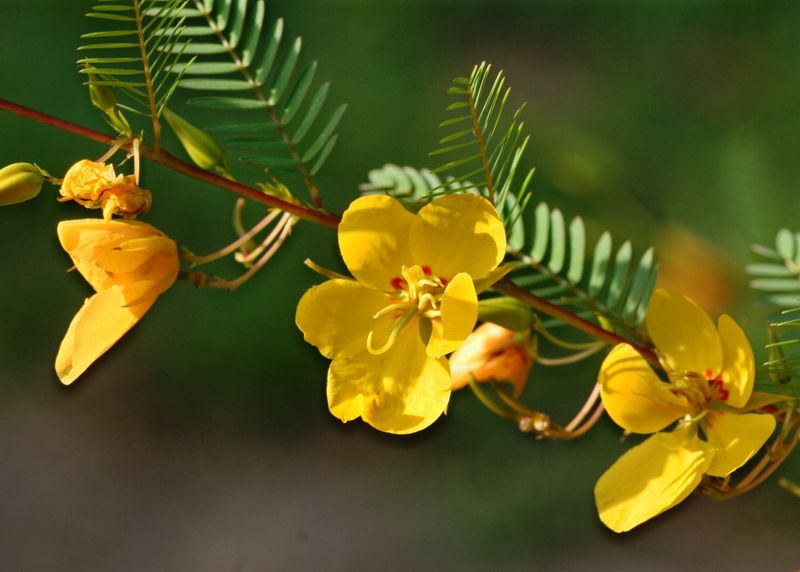
A bare sandy patch does not have to stay boring. Partridge pea is a Florida native wildflower that can turn thin soil into a lively, golden planting with very little fuss.
Its special strength is quick coverage in tough, sunny places. If you are starting a new wildlife strip, filling a disturbed area after yard work, or softening the edge of a gravel path, partridge pea can help the space look intentional while other natives settle in.
The yellow flowers provide nectar and pollen for many insects, and the plant also supports wildlife in other ways. Cicada killer wasps may visit flowers for energy, while the added insect activity helps make the yard feel more like a functioning mini-ecosystem than a sterile lawn.
Because partridge pea is an annual or short-lived perennial in many settings, let some seed drop if you want it to return. It can reseed freely, which is wonderful in a meadow-style area but less ideal in a tightly controlled bed.
There is another payoff for Florida yards with poor soil. As a legume, partridge pea can work with soil bacteria to fix nitrogen, giving it an advantage where many showier plants demand more care.
7. Frostweed
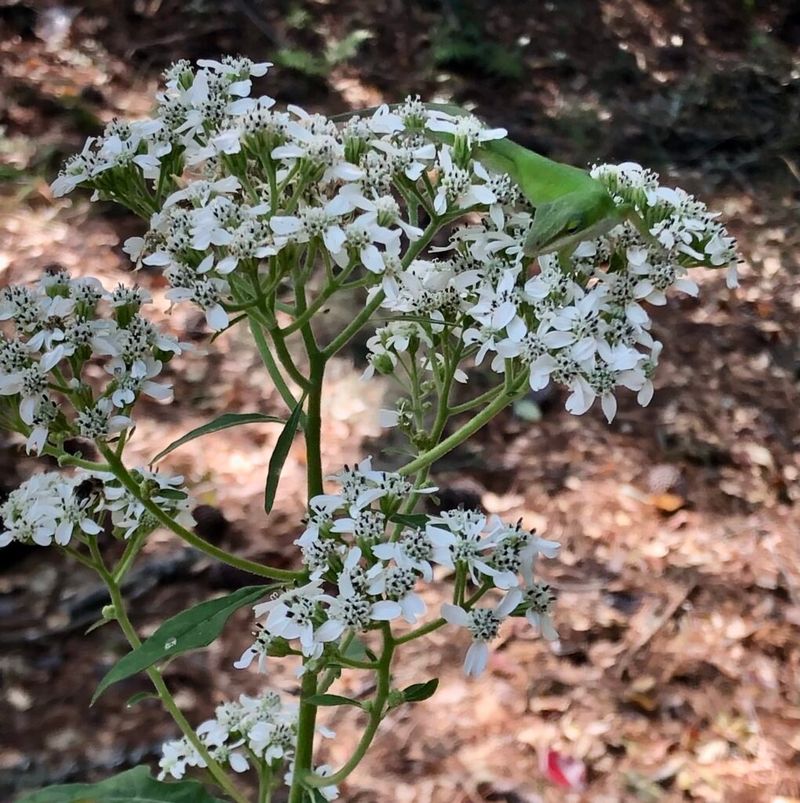
Under oaks or along a shady fence, many Florida gardeners give up on pollinator flowers too soon. Frostweed offers a softer option for those partly shaded edges where full-sun wildflowers complain.
Unlike the bold meadow plants on this list, frostweed brings its value to woodland margins and natural backyard corners. Its white flower clusters can feed late-season insects, and adult cicada killer wasps may use nectar sources like this when they are active nearby.
Plant frostweed where it receives morning sun, broken shade, or bright filtered light. It pairs well with leaf litter, native shrubs, and informal paths, making it a good fit for homeowners who want a lower-maintenance habitat area instead of another patch of turf.
The name comes from a cold-weather trick. When temperatures drop, stems can split and push out delicate ribbons of ice, a small garden surprise that feels almost like nature showing off.
In Florida, frostweed is best used as part of a layered planting rather than as a lone specimen. Give cicada killers nectar, give birds more insect life, and give yourself a corner that looks alive without constant replanting.