
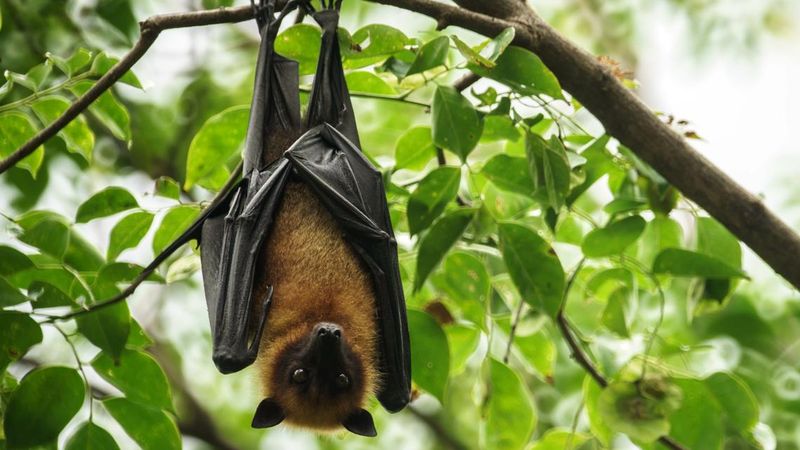
Bats are quiet nighttime helpers, and many Florida yards can make better room for them. The right native plants feed night insects, soften harsh fences and walls, and help create the kind of layered backyard where bats like to hunt.
Planting for bats will not erase every mosquito, but it can make your yard healthier, livelier, and less dependent on sprays.
1. Evening Primrose
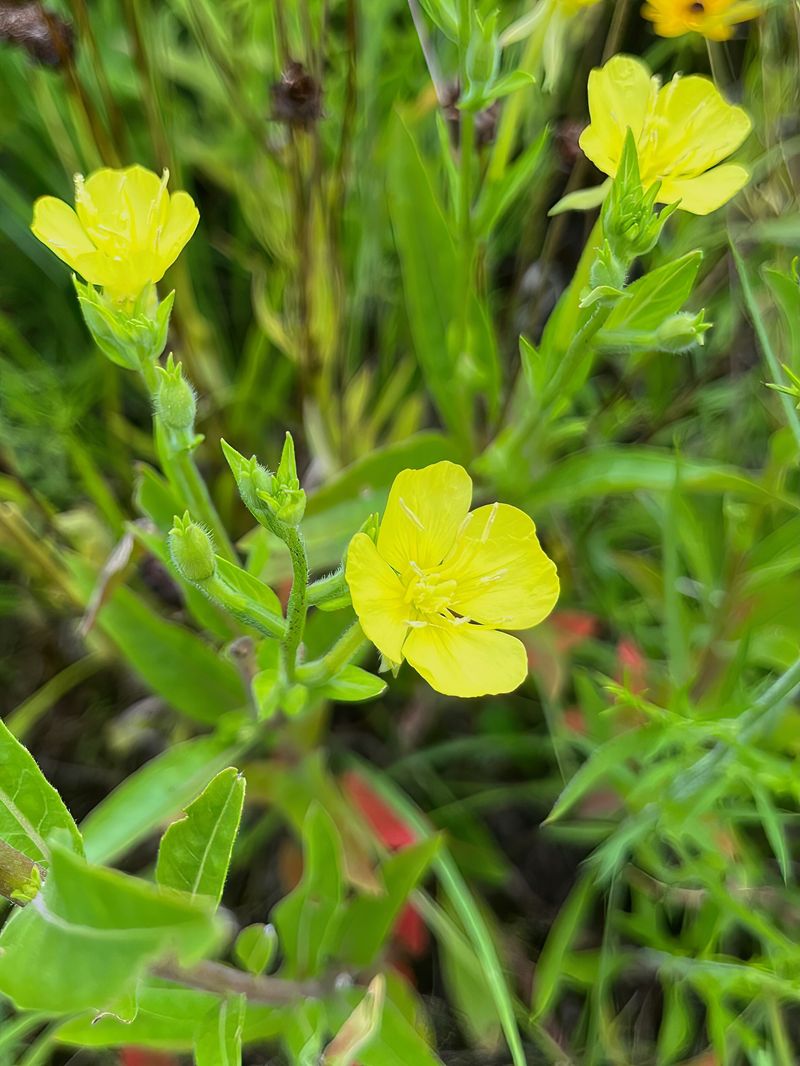
Right around sunset, evening primrose starts acting like the yard has a night shift. Its soft yellow blooms open when many daytime flowers are clocking out, which makes it especially useful in a bat-friendly planting plan.
Night-blooming flowers can draw moths and other evening insects, and those insects are exactly what many Florida bats are hunting for after dark. That does not mean the plant is a magic mosquito switch, but it helps build a food web that favors natural pest control instead of constant spraying.
In Florida gardens, evening primrose works best in sunny spots with quick-draining soil. Many yards already have sandy ground, so this plant often fits better than thirsty ornamentals that sulk in heat.
Use it near the edge of a patio, beside a path, or in a loose native bed where you can watch the flowers open late in the day. Keep it with other low, casual plants rather than forcing it into a formal hedge look.
2. Coral Honeysuckle
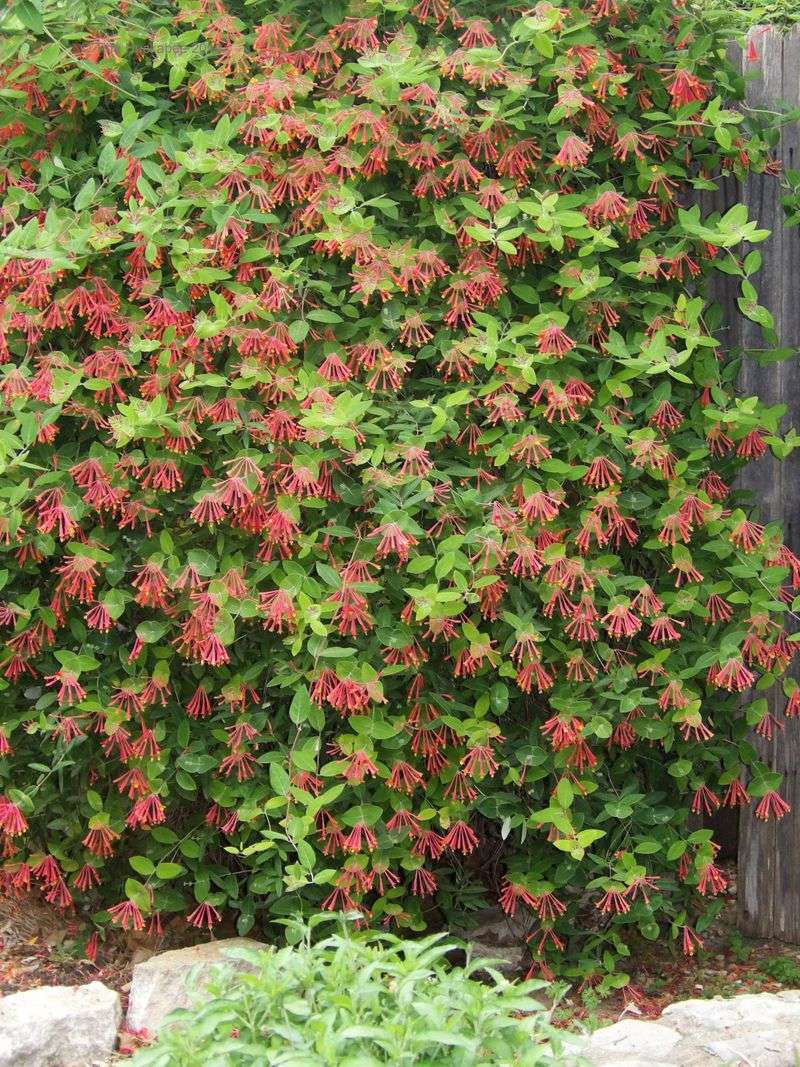
A bare fence can become bat-supporting habitat faster than you might think when coral honeysuckle climbs it. The red tubular flowers are famous for attracting hummingbirds by day, but the vine also adds vertical structure that makes a backyard feel less empty and more alive.
For bats, structure matters because many species like to travel and hunt along edges. A vine-covered trellis, fence, or pergola creates a softer flight corridor than a flat lawn with nothing around it.
Coral honeysuckle is a Florida native that handles heat well once established, especially with mulch and a little water during dry spells. Unlike some aggressive nonnative vines, it is a more responsible choice for gardeners who want beauty without creating a new problem.
Plant it where roots can stay cool and the top can reach sun. A trellis near a seating area gives you flowers, shade, and a better nighttime insect zone without sacrificing much space.
Skip broad insecticide spraying around it. If you remove the insects, you also remove the buffet that brings bats through the yard.
3. Simpson’s Stopper
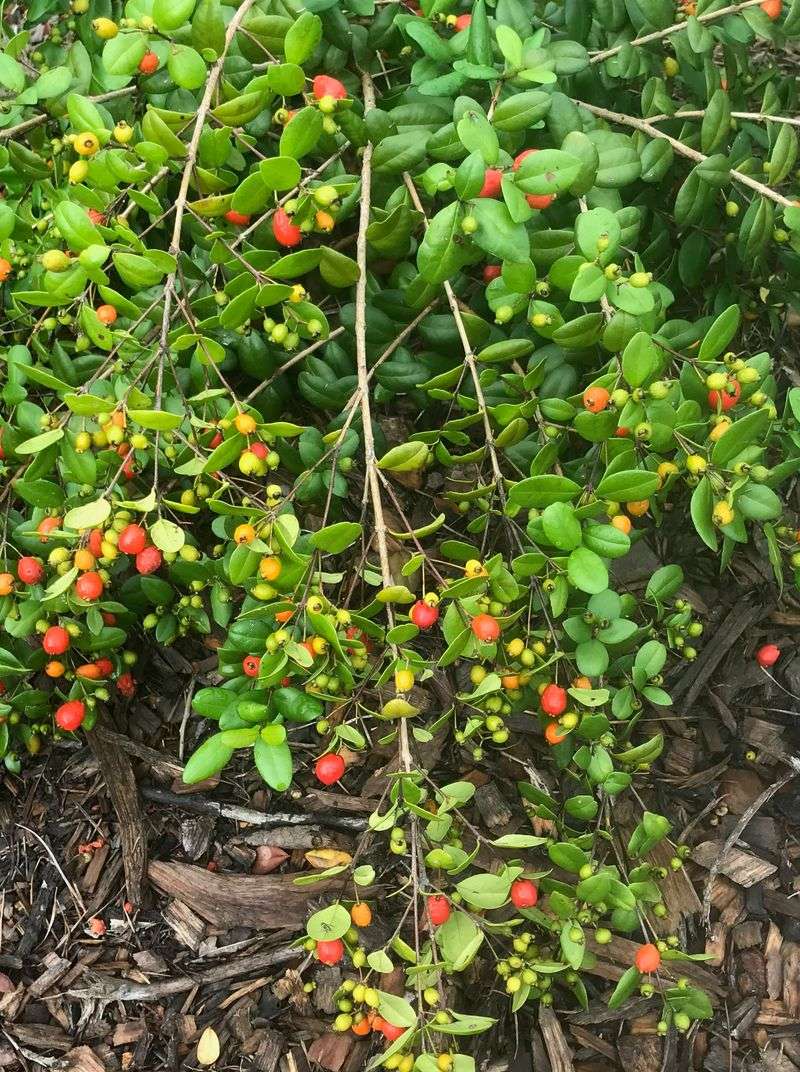
Some plants earn their keep by being steady, and Simpson’s stopper is one of those quiet workhorses. It offers glossy evergreen leaves, small fragrant flowers, and colorful berries, all while staying useful in a tidy home landscape.
Its biggest bat-friendly strength is density. A fuller shrub layer gives insects places to gather and gives bats more edges to patrol at night, especially when the shrub is planted along a fence, side yard, or back corner.
The flowers can support pollinators, while the berries feed birds, so this plant does more than decorate. In a Florida yard where sandy soil and dry spells are common, Simpson’s stopper is a practical native choice once it settles in.
Use it as a screen around an outdoor shower, along a property line, or behind lower flowers. It can be trimmed, but avoid shearing it into a hard green box if your goal is wildlife value.
A mixed hedge with Simpson’s stopper also helps reduce the wide-open, bare-lawn feeling that mosquitoes often love and bats often ignore. More layers usually mean a more balanced yard.
4. Beautyberry
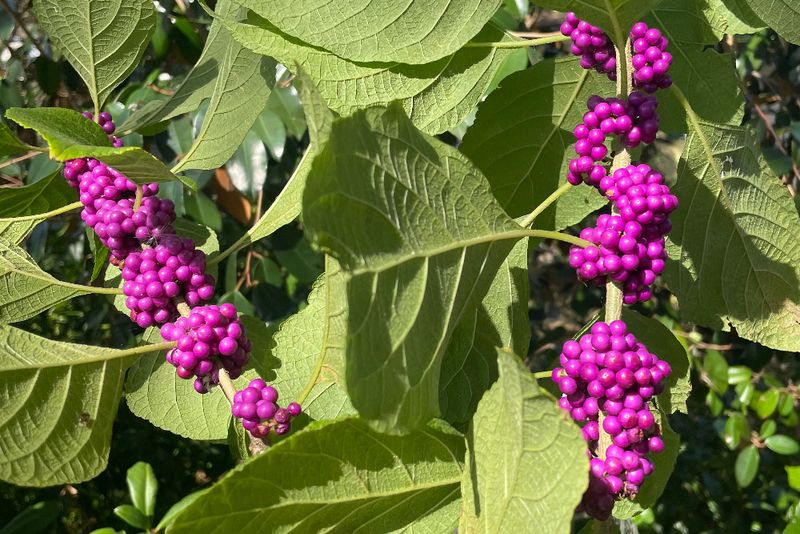
Those bright purple berry clusters look almost too bold to be real, which is why beautyberry often wins people over before they know anything else about it. In a bat-minded yard, though, its value goes beyond the color show.
Beautyberry builds a loose, leafy middle layer that turns a flat backyard into a more interesting hunting space. Bats often feed along plant edges where insects collect, so a few shrubs placed around the border can make the yard more inviting after sunset.
Florida gardeners also appreciate that beautyberry is not fussy once established. It can handle part shade, looks natural under pines or oaks, and fits well in informal beds where sandy soil dries quickly.
The berries are a major bonus for birds, which means this shrub supports daytime wildlife while helping create nighttime habitat. That round-the-clock usefulness makes it different from plants that only shine for a week or two.
Give beautyberry room to arch instead of squeezing it into a tiny foundation bed. If it gets lanky, prune in late winter to refresh the shape before new growth begins.
5. Frogfruit
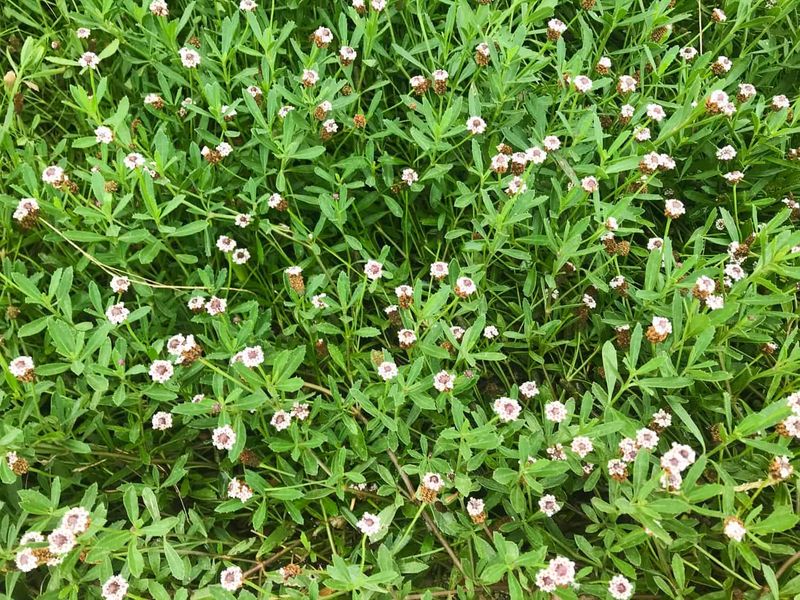
For the gardener tired of babying thirsty turf, frogfruit feels like a small rebellion. It creeps low, blooms with tiny button-like flowers, and can turn empty sunny patches into something far more useful than bare sand.
Low groundcovers matter because mosquito control is not only about what happens in the air. A healthier, planted yard can reduce dusty bare spots, support insect diversity, and create a better base layer beneath shrubs and small trees.
Frogfruit is especially handy in Florida because it tolerates heat and can work as a lawn alternative in low-traffic areas. It also supports butterflies and small pollinators, which helps feed the broader insect community that bats depend on indirectly.
Try it between stepping stones, along a sunny bed edge, or in a strip where turf keeps thinning out. It can spread, so place it where a living carpet is welcome.
One practical note: bats eat flying insects, not plants. Frogfruit helps by improving the habitat around your yard, especially when paired with taller natives that create layers and sheltered edges.
6. Walter’s Viburnum
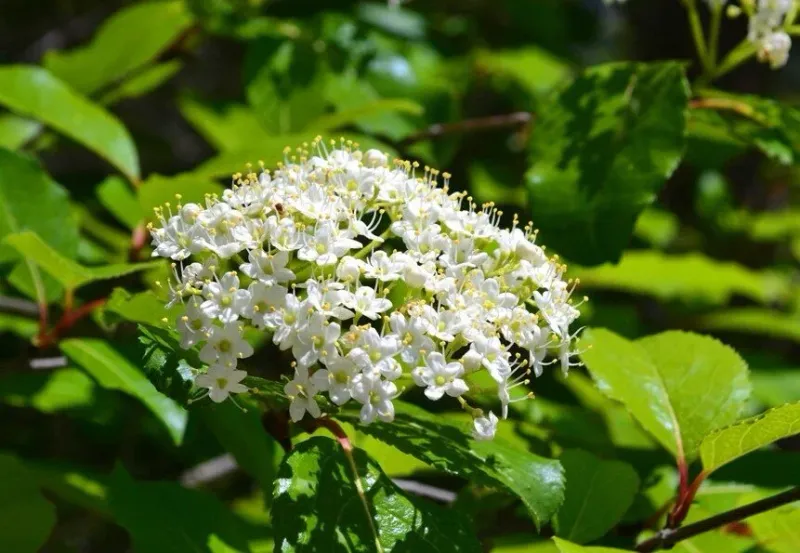
A good hedge can do more than hide the neighbor’s trash cans. Walter’s viburnum brings structure, spring flowers, berries for birds, and the kind of layered edge that can make a backyard more active after dark.
Compared with looser shrubs, Walter’s viburnum is useful when you want a cleaner look. It can be grown as a screen, small tree, or informal hedge, so it suits suburban yards where wildlife planting still needs to look intentional.
Its white flower clusters attract small insects when in bloom, and its dense branching creates shelter for many tiny creatures. More insect life around the hedge can give bats better hunting routes along the yard’s borders.
Plant it in sun to part shade, mulch it well, and water during establishment. Once rooted, it is a strong Florida native for homeowners who want lower-maintenance greenery that can handle local conditions better than many imported shrubs.
For best results, avoid planting a single lonely shrub in the middle of open grass. Use Walter’s viburnum as part of a connected edge with groundcovers, flowers, and nearby trees so bats have a clear path to patrol.
7. Southern Magnolia

Few trees feel as Southern as a magnolia in bloom, and the big white flowers bring a little drama to a bat-friendly yard. Beyond the beauty, Southern magnolia adds something smaller plants cannot provide: height.
Bats often use trees, rooflines, and tall edges as navigation features while they feed. A mature magnolia can help create that upper layer, especially when paired with shrubs and groundcovers below instead of being surrounded by plain turf.
The flowers are known for attracting beetles and other insects, and the evergreen canopy gives the yard a cooler, more sheltered feel. In Florida’s long warm season, shade can make outdoor spaces more usable while also supporting a richer backyard ecosystem.
Southern magnolia needs room, so choose it for a yard that can handle a large tree. Smaller spaces may be better served by compact native trees or shrubs, but where the space is right, magnolia becomes an anchor.
Keep the area beneath it natural with leaf litter or mulch rather than scalping it clean. That simple choice protects roots, improves sandy soil over time, and gives the whole planting a better chance to support nighttime wildlife.