
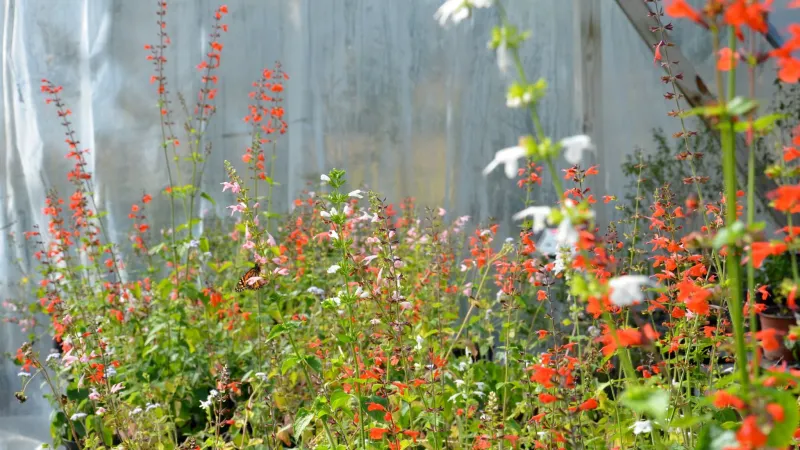
Bare sandy beds can look tired fast in Florida, especially when rain skips your yard for a week. Native sages give you color, nectar, and tougher ground coverage without asking for constant fuss.
Many handle heat, lean soil, and busy pollinators better than thirsty bedding plants. Here are seven Florida native sages worth using when you want a fuller, livelier yard with less watering.
1. Scarlet Sage
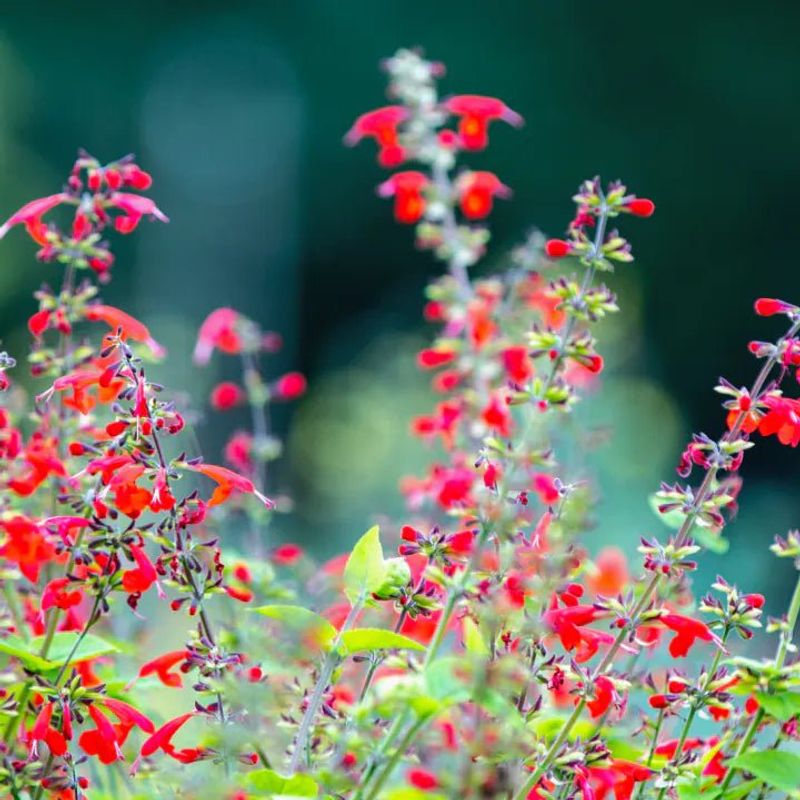
A flash of red near the walkway can do more than dress up a bare spot. Scarlet sage, also called tropical sage, is one of the easiest Florida native sages to recognize because its bright tubular flowers stand above soft green foliage like tiny flags for hummingbirds.
In home landscapes, it is useful because it fills space without acting stiff or formal. Plants often reseed in friendly little clusters, which means a thin bed can become fuller over time if you let a few seedheads mature.
In most Florida yards, it performs best in part sun to full sun with well-drained soil, and it can handle sandy ground once established.
Pollinators keep this plant busy. Hummingbirds, butterflies, and native bees all use the flowers, especially during warm months when nectar plants matter most.
Red is the classic color, but pink and white forms show up too, so gardeners can match it to a cottage border, mailbox bed, or wildlife corner.
For the cleanest look, cut tired stems back when flowering slows. That quick trim usually encourages fresh growth and keeps the plant from looking rangy after heavy rain or a rough summer stretch.
Give new plants regular water at first, then ease off once roots settle in.
2. Lyreleaf Sage
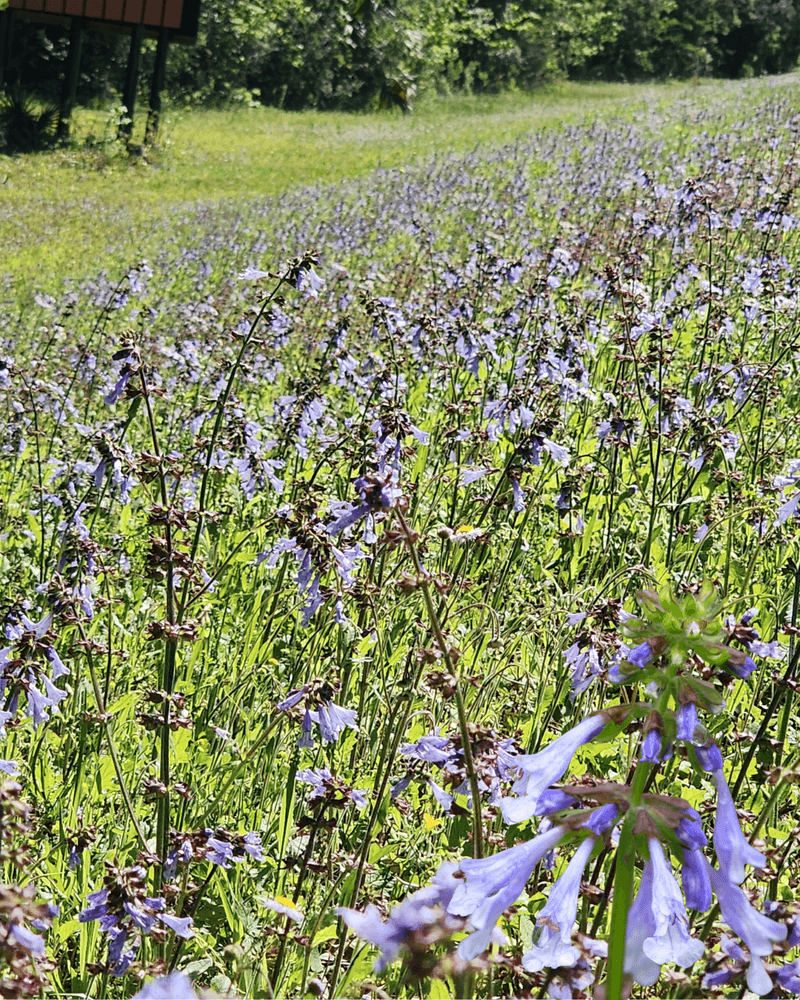
Some empty beds need a quiet problem-solver, not a showoff. Lyreleaf sage earns its place because it behaves more like a living patch than a tall flower, spreading low from rosettes and helping cover open soil in part shade.
That makes it especially handy under high pine, oak, or along the edge of a path where turf struggles. The leaves often show purple or bronze tones, giving the ground a patterned look even before the bloom stalks rise.
In spring, pale blue to lavender flowers appear on upright stems and draw small bees and other pollinators.
Florida gardeners often deal with sand that dries quickly, and lyreleaf sage is better suited to that than many soft annuals. It does appreciate water while getting established, but mature patches can handle normal dry spells in a lightly shaded, well-drained bed.
In richer or wetter spots, it may spread faster, so use it where a naturalized look is welcome.
One practical tip: mow or trim old bloom stalks after seed set if you want a neater edge. If you want more plants, leave some stalks alone and let them drop seed.
It is a useful choice for gardeners who want bare soil covered without installing irrigation for thirsty groundcovers.
3. Azure Blue Sage
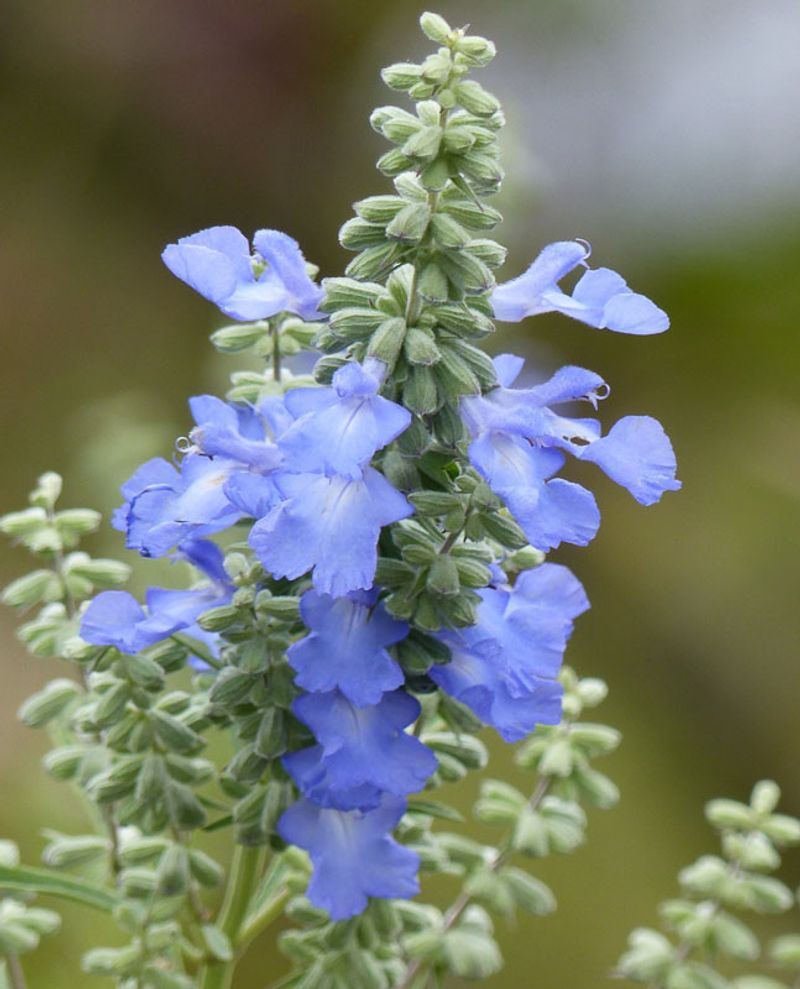
Sky-blue flowers feel almost cooling in a hot Florida border. Azure blue sage brings that clear color on taller stems, making it different from the low spreaders and red-flowered sages that often get more attention.
This species is best matched to sunny, open beds, especially in North Florida and other sites that can give it good drainage. The plant has a lean, prairie-like look, so it blends well with native grasses, narrowleaf sunflower, blazing star, and other wildflower-border companions.
In late summer into fall, its blue blooms arrive when many gardens need a fresh lift.
Native bees and butterflies visit the flowers, and the open habit makes it easy to weave through a mixed planting. Because the stems can get tall, a midseason pinch or light cutback can encourage a stockier plant.
Another option is to plant it among sturdier neighbors that can visually support it after storms or heavy rain.
Azure blue sage is not the best pick for a tiny formal bed by the front door, but it shines in a sunny back border, fence line, or meadow-style strip. Once established, it generally asks for less water than many traditional bedding plants, especially if the soil drains well and mulch is used lightly around the root zone.
4. Creeping Sage
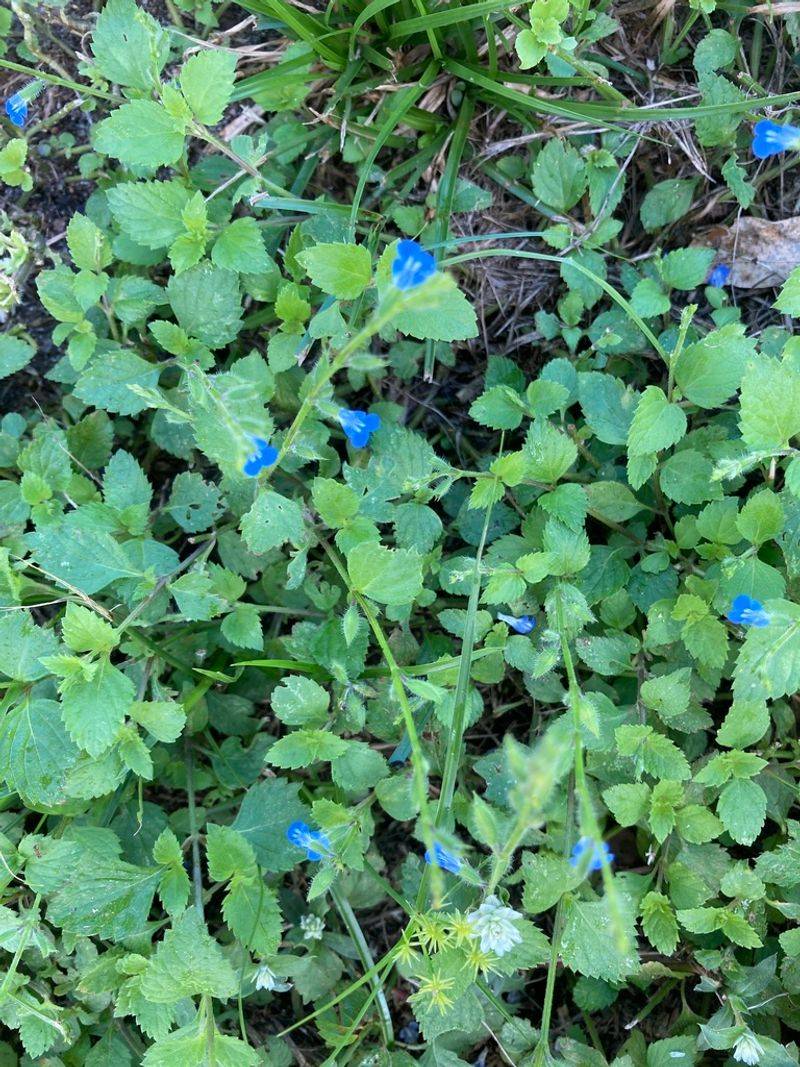
At the damp edge of a path or under shrubs, creeping sage can feel like a plant that quietly stitches the garden together. Salvia misella is a low, spreading Florida native that is easy to overlook until its small blue flowers start popping up close to the ground.
Unlike taller sages, creeping sage is useful where you want a soft filler in partial shade. It can move through open spaces between shrubs, ferns, or other native perennials, helping reduce the bare patches where weeds often find a foothold.
It prefers more moisture than the toughest dryland sages, so it is a smart pick for a bed that stays lightly moist after rain but still drains.
Small pollinators are the main audience here. Tiny bees and other beneficial insects can use the modest flowers, and the plant adds habitat value without demanding center stage.
For Florida yards that mix ornamental beds with wildlife goals, that low-key usefulness matters.
Use creeping sage where a loose, natural look fits the design. It may not satisfy gardeners who want bold curb appeal from the street, but it can make shaded or semi-shaded beds feel finished up close.
Water new starts until they root well, then let rainfall do more of the work in suitable sites.
5. West Indian Sage
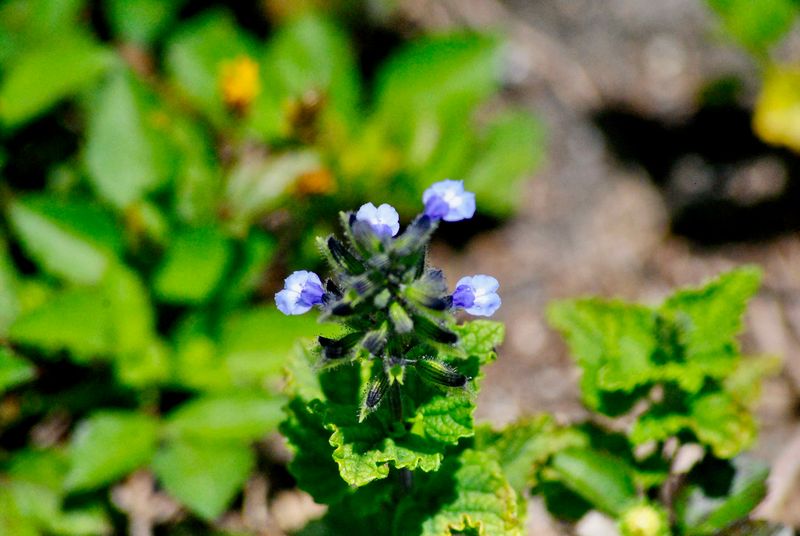
Tiny flowers can carry a surprising amount of garden value. West Indian sage is not the loudest plant in the bed, but in warm parts of Florida it can help fill gaps with a relaxed, airy habit and nectar for small insects.
This native sage suits gardeners who like a natural, lightly wild look. It tends to stay lower and more informal than scarlet sage, which makes it useful near the front of a mixed bed or along the edge of a pollinator patch.
The blooms are small, often bluish to lavender, and they are best appreciated close up rather than from across the street.
South Florida gardeners may find it especially fitting because it is at home in warm, frost-free or nearly frost-free conditions. Give it sun to part sun and well-drained soil.
Like many native sages, it should not be planted in a constantly soggy spot, but it can settle into sandy beds with modest care once established.
Think of West Indian sage as a supporting player that keeps the wildlife buffet open. It can soften bare places between bolder plants, especially where you do not want everything clipped into tight shapes.
If seedlings appear, edit them as needed and keep the strongest plants where they improve the bed.
6. Nettleleaf Sage
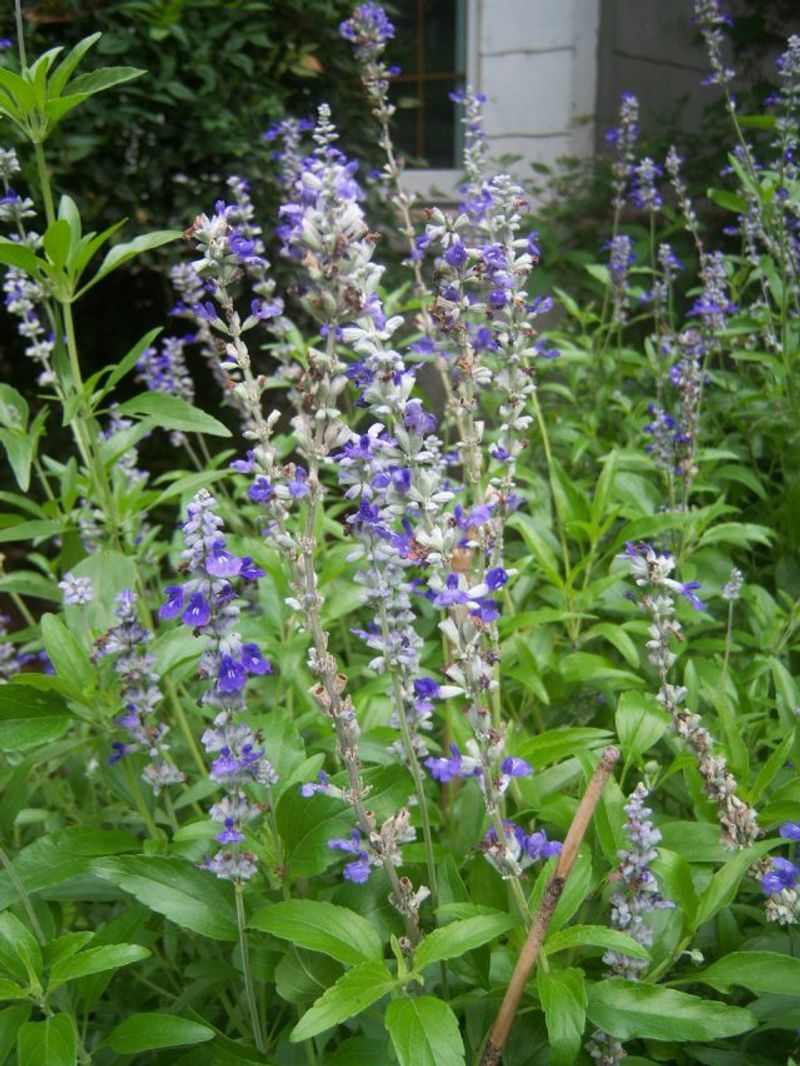
A woodland edge with filtered light can be tricky, because many colorful flowers want more sun than the spot can give. Nettleleaf sage helps bridge that gap, offering blue blooms and pollinator value in sites that are not deep shade but are not blazing hot all day either.
The leaves have a textured look that gives the plant its common name, though it is not used like the stinging nettles gardeners may know. Flower spikes rise above the foliage and bring a soft blue accent that feels right at home with ferns, woodland grasses, coral honeysuckle, or native violets.
It is a good candidate for North Florida gardens and shaded borders with decent drainage.
Native bees are the big reason to give it room. Blue-flowered salvias are often busy with bee activity, and nettleleaf sage can add food where a yard might otherwise have mulch and shrubs only.
That matters in neighborhoods where every small native planting helps connect habitat.
For maintenance, avoid overwatering and overly rich, soggy soil. Let the plant develop a sturdy root system, then treat it more like a native perennial than a tender bedding annual.
A light trim after flowering can tidy the clump and prevent the bed from looking too loose.
7. Littlewoman Sage
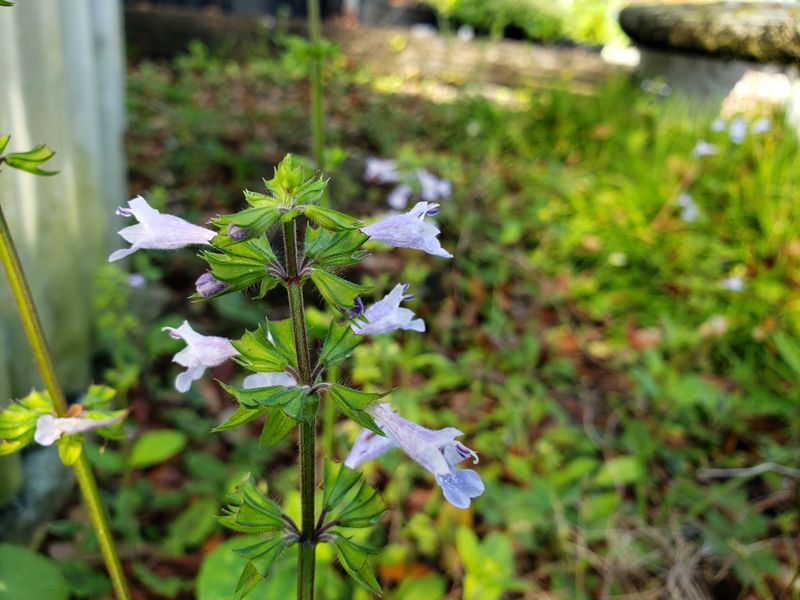
In South Florida, a plant that keeps blooming through warm weather has a special kind of usefulness. Littlewoman sage, also known as Salvia serotina, brings small pale flowers to sunny native beds and can fit into gardens where heat, sand, and long growing seasons shape every plant choice.
Its flowers are not huge, but they are steady and appealing to pollinators. Small bees, butterflies, and other nectar seekers can work the blooms while the plant fills in around showier natives.
That makes it a smart companion for coontie, blanketflower, beach sunflower, or other Florida-friendly plants in a low-water landscape.
Littlewoman sage is especially valuable for gardeners who want movement and life in a bed without relying on thirsty annual color. Plant it in sun to light shade with well-drained soil, and water it regularly only while it gets established.
After that, it can usually handle the rhythm of Florida rainfall better than many nursery impulse buys.
Because it has a casual shape, place it where softness is an asset. It works well in pollinator strips, side-yard beds, and informal front gardens that do not need every plant to look clipped and rigid.
If growth gets too open, trim lightly and let fresh stems renew the display.