
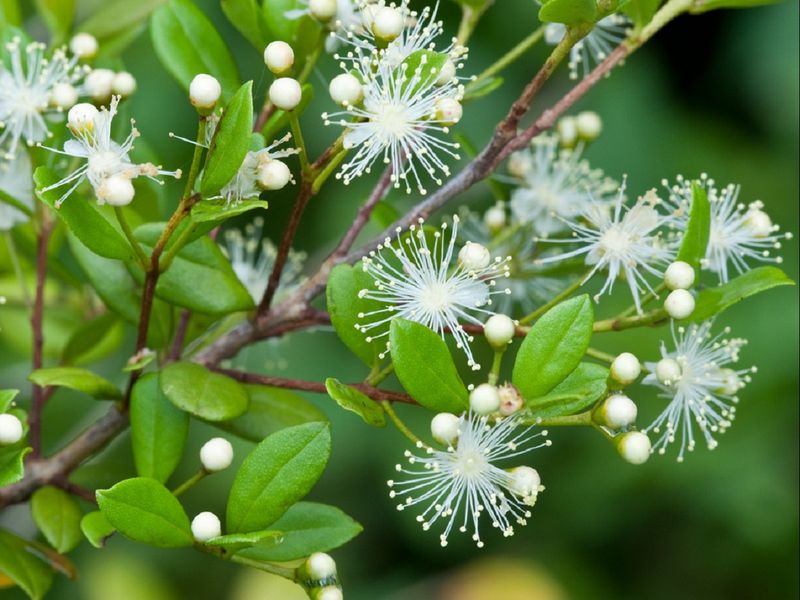
Gardenias can look tired after weeks of Florida heat, sandy soil, and hard afternoon sun. Native shrubs often bounce back better because they are built for local rain swings, hungry pollinators, and long warm seasons.
If your beds need color after summer has worn everything down, these seven Florida natives can keep the yard looking alive while also helping birds, bees, and butterflies.
1. Firebush
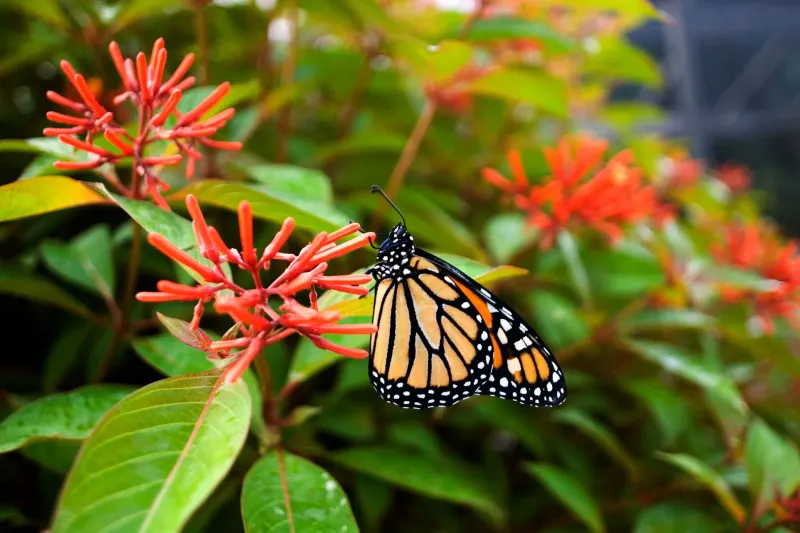
Hummingbirds do not need a formal invitation when firebush starts glowing. Its clusters of red-orange tubular flowers look almost tropical, yet the plant is a Florida native that handles heat with far more confidence than a fussy gardenia.
Firebush earns its spot because it brings motion as well as color. Butterflies visit the blooms, birds enjoy the small dark berries, and the shrub can fill a sunny corner without asking for constant pampering.
In much of Florida, it flowers heavily through the warm months and can keep going into fall if frost stays away.
Give it full sun for the strongest bloom show, though it can manage part sun too. Sandy soil is usually fine once roots are established, and occasional trimming can keep it shaped for a foundation bed, fence line, or mailbox planting.
In colder parts of North Florida, it may die back after a freeze and return from the roots.
For homeowners who want a plant that looks lively when the rest of the yard seems worn out, firebush is hard to beat. It feels bold, wildlife-friendly, and very Florida.
2. Beautyberry
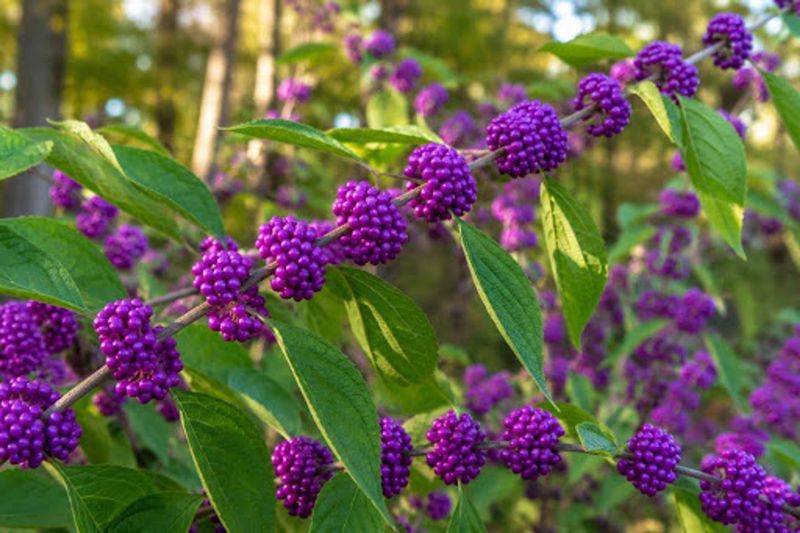
Some shrubs bloom politely, then vanish into the background. Beautyberry plays a longer game, offering small spring and summer flowers followed by bright purple berries that look like someone strung beads along the stems.
Its difference is the payoff after the bloom. The flowers are modest, but pollinators still use them, and the berries become the real show when gardenias are looking stressed and bare.
Cardinals, mockingbirds, and other backyard birds may feed on the fruit, making it useful in a wildlife-minded Florida landscape.
Beautyberry fits nicely at the edge of a yard, along a woodland border, or behind shorter perennials where its loose shape can relax. It prefers part sun to light shade, although it can take more sun with enough moisture.
In sandy soil, mulch helps keep the root zone cooler and reduces watering swings.
Prune it in late winter if it gets lanky, because flowers and berries form on new growth. That simple yearly cut often makes the plant fuller and more colorful.
Beautyberry is not the shrub for a clipped, formal hedge, but for a natural Florida bed with birds and seasonal color, it brings a cheerful surprise just when the garden needs one.
3. Simpson’s Stopper
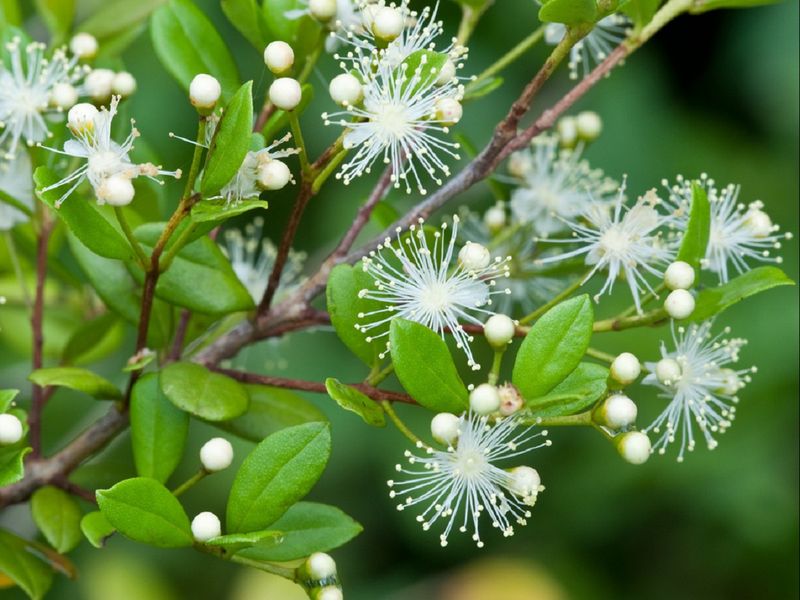
A tidy shrub that also feeds wildlife can feel like a small miracle in a Florida yard. Simpson’s stopper brings that rare mix, with clean evergreen foliage, fragrant white flowers, and colorful berries that follow.
Its special strength is structure. While firebush looks bold and beautyberry looks loose, Simpson’s stopper can behave like a handsome hedge or screening shrub without feeling stiff.
The small white blooms are attractive to pollinators, and the orange to red berries can draw birds later in the season.
Plant it where you need year-round greenery around a porch, patio, property line, or driveway. It tolerates sun to part shade, and once established, it is a practical choice for many Florida landscapes with sandy, well-drained soil.
Coastal gardeners often appreciate its resilience, though young plants still need regular water while they settle in.
Another bonus is scale. Simpson’s stopper can be kept smaller with pruning, or allowed to grow taller as a privacy layer.
The leaves have a spicy scent when crushed, which gives the plant a bit of old-Florida character. If gardenias have been acting like divas near your entry, this native can offer a steadier, cleaner look with flowers as a bonus.
4. Walter’s Viburnum
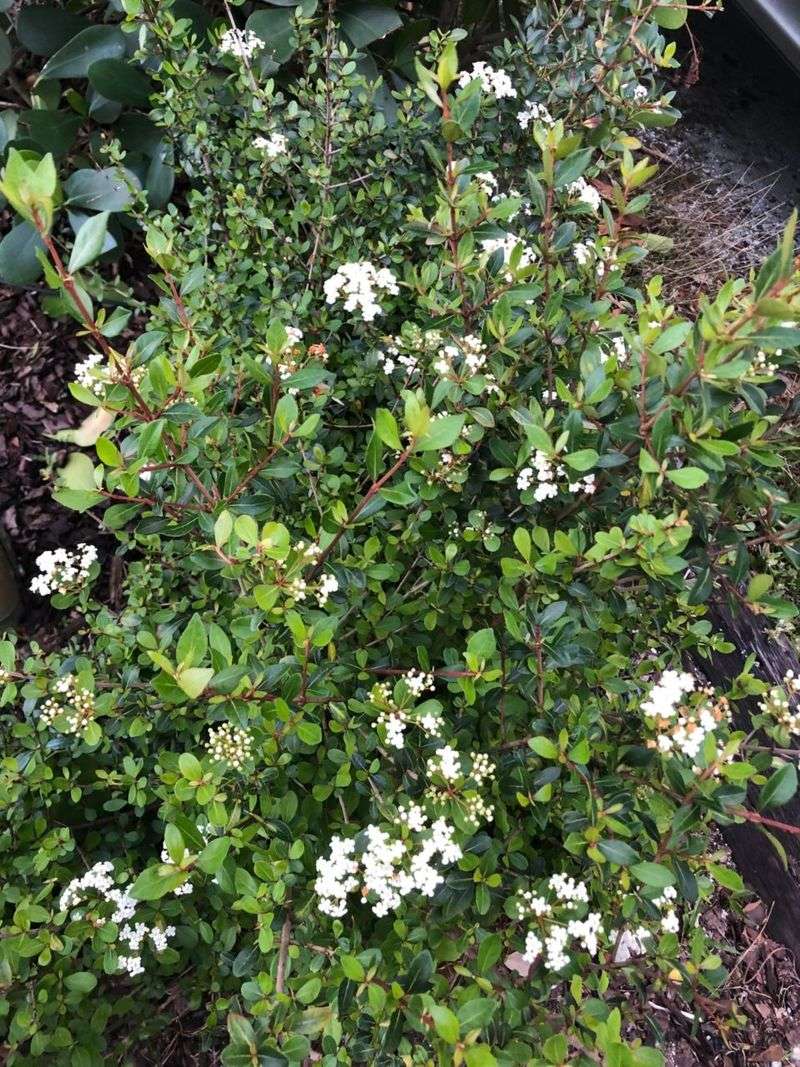
Need a shrub that can look polished without demanding a gardener’s whole weekend? Walter’s viburnum is one of Florida’s most useful native choices for people who want flowers, screening, and a neat shape from the same plant.
The bloom display is soft rather than flashy, with clusters of small white flowers that can cover the plant when conditions are right. Pollinators work the flowers, and birds may use the berries that follow.
What sets this shrub apart is its flexibility. It can serve as a hedge, a backdrop, a wildlife planting, or a replacement for nonnative foundation shrubs.
Walter’s viburnum grows best in sun to part shade and generally appreciates moist to average soil, especially while young. In dry, sandy sites, mulch and smart watering during establishment make a big difference.
Once settled, it is often easier to live with than many thirsty ornamental shrubs.
There are compact forms available, which can be helpful near walkways or smaller homes. Larger types can become strong privacy shrubs if given room.
After a punishing summer, its evergreen presence helps beds look less empty, and its bloom season gives the garden a fresh lift without leaning on high-maintenance plants.
5. Coontie
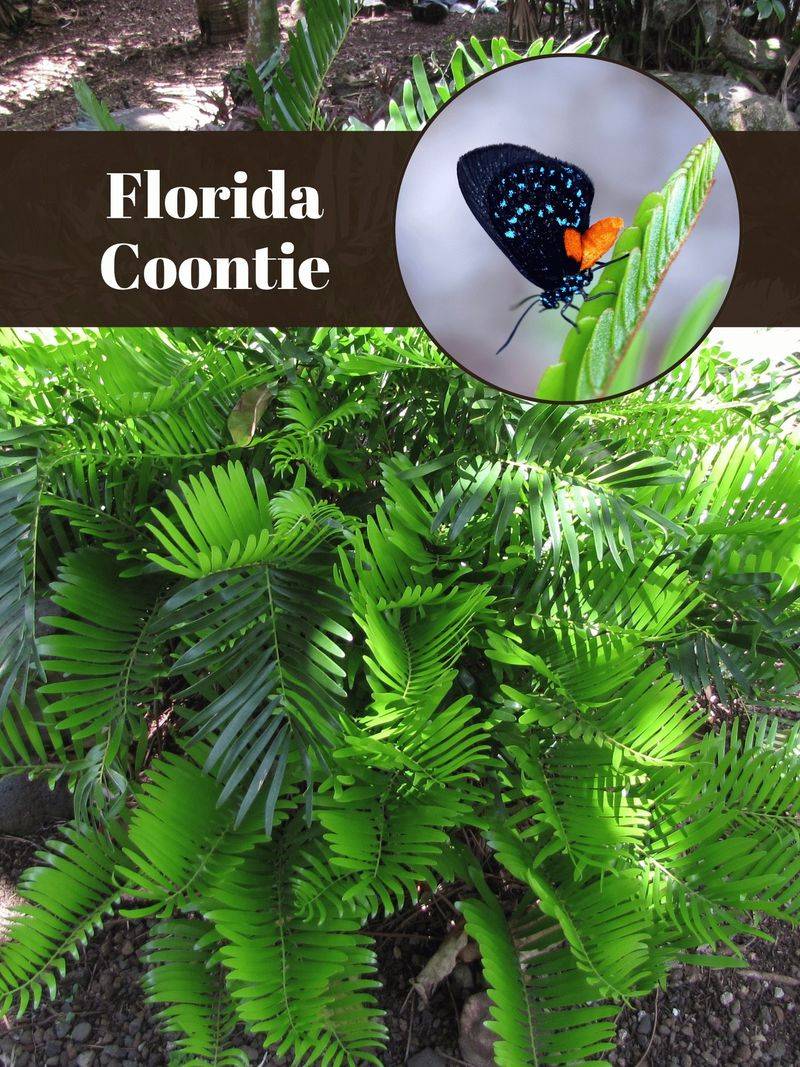
At first glance, coontie looks more like a small palm or fern than a shrub. That odd little twist is exactly why it deserves room in Florida beds that need dependable texture after summer has cooked the softer plants.
Coontie does not compete with gardenias by making large, fragrant flowers. Instead, it brings deep green, glossy, feather-like foliage that stays attractive through heat, drought once established, and many coastal conditions.
Its true claim to fame is wildlife value, because it is the larval host plant for the atala butterfly in parts of Florida.
Use coontie as a low foundation plant, under palms, near walkways, or in mixed native beds where flowers come and go but structure is still needed. It handles sun to shade, though growth is usually fuller with some light.
Sandy, well-drained soil suits it, and it rarely needs heavy pruning.
A history bit makes it even more interesting. Coontie is an ancient cycad, and Indigenous people in Florida once processed its starchy root carefully for food.
For today’s home gardener, the appeal is simpler: it is compact, sculptural, and tough. Pair it with brighter bloomers like firebush or tropical sage for a bed that has both color and backbone.
6. Tropical Sage
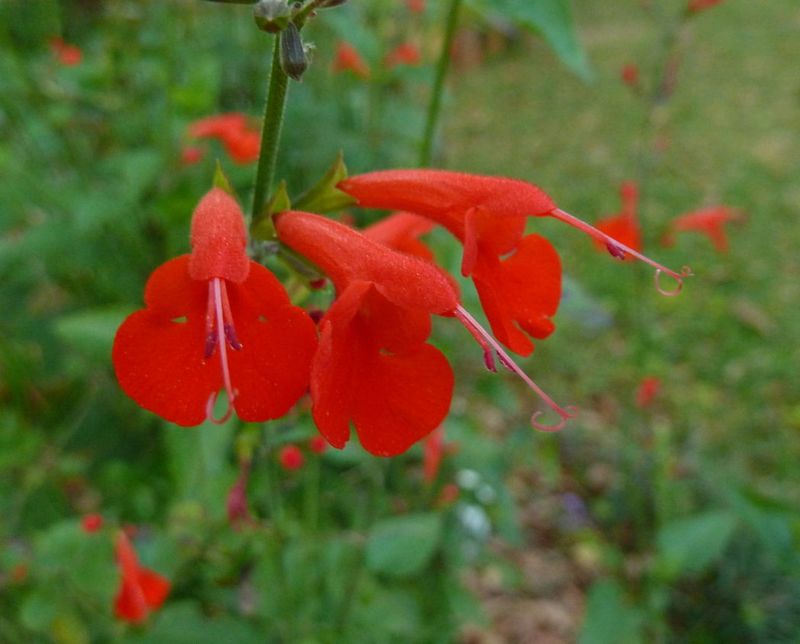
Small spaces deserve summer color too, and tropical sage proves it with a wink of red blooms above soft green leaves. It behaves more like a short, airy shrub than a big woody anchor, which makes it especially handy near paths, porch steps, and pollinator pockets.
Its standout quality is quick, cheerful bloom power. Red-flowered forms are common, though pink and white forms also exist, and the flowers can attract butterflies and hummingbirds.
When gardenias are sulking after heat stress, tropical sage often looks fresh with very little fuss.
Plant it in full sun to part shade, with well-drained soil. In Florida’s sandy beds, it usually settles in well if watered during establishment and mulched lightly.
It may reseed in friendly spots, which some gardeners love because it creates a soft cottage-garden effect. If seedlings pop up where they are not wanted, they are usually easy to pull or move.
Trim it back when it gets leggy to encourage a denser shape and more flowering stems. Tropical sage is not a privacy plant or formal hedge, but it is a smart gap-filler when you want fast color and pollinator traffic.
Tuck it between larger natives and it can make the whole bed feel more alive.
7. Coralbean
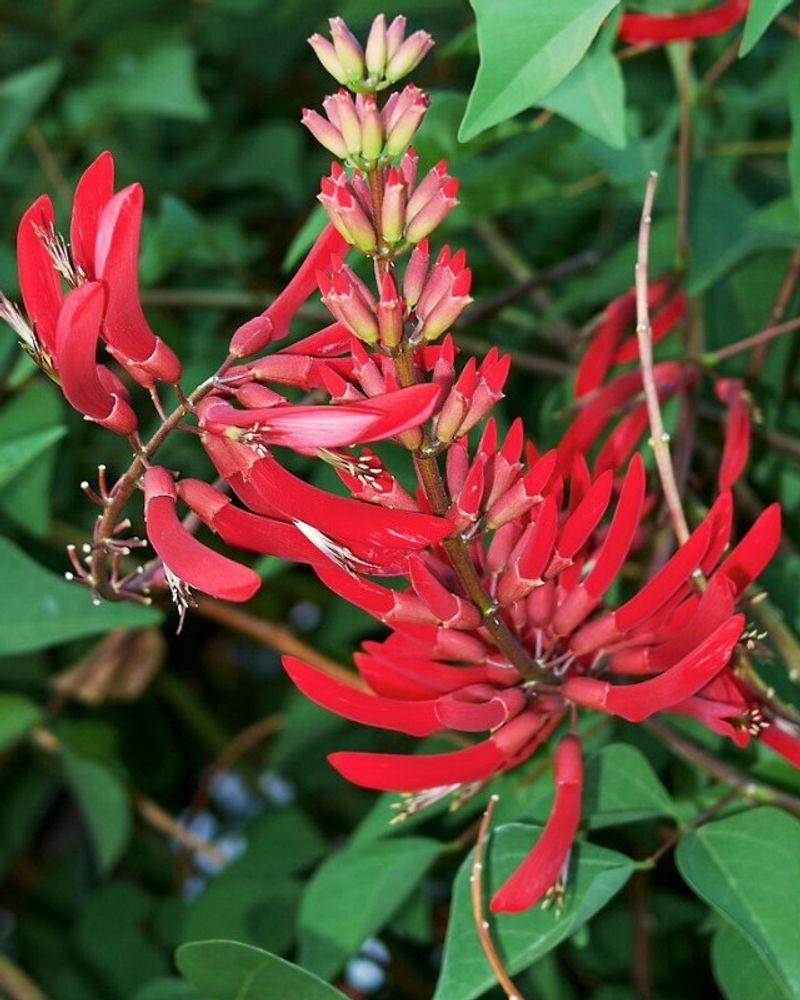
Coralbean has a slightly wild personality, like it would rather lean over a fence than stand in a straight line. That is part of its charm, especially when red tubular flowers appear and turn a plain corner into a hummingbird stop.
What makes coralbean different is its dramatic seasonal rhythm. It may look sparse at times, then suddenly send up vivid flower spikes that feel bold and unexpected.
The blooms are useful for hummingbirds and other nectar visitors, and the plant fits well in naturalistic yards, wildlife gardens, and sunny edges where a looser shape is welcome.
Give coralbean room rather than squeezing it into a formal front hedge. It grows best in sun to part shade and can handle many well-drained Florida soils once established.
In North Florida, cold weather may knock it back, but it often returns when warm weather does.
A careful note for family yards: the red seeds are toxic if eaten, so place this shrub away from spots where small children or pets might be tempted to investigate fallen seeds. With smart placement, coralbean adds a striking native flower source that feels different from the usual glossy landscape shrubs.
It is a plant for gardeners who like a little drama with their wildlife value.