
A shrub that grows past your front windows can make the house feel closed in and leave you with constant trimming. Florida’s heat and sandy soil make that choice even harder.
These seven native picks offer a lower-growing look, with options for sunny beds, shady entries, and coastal yards. Check each plant’s mature height before you buy so the view stays open.
1. Coontie
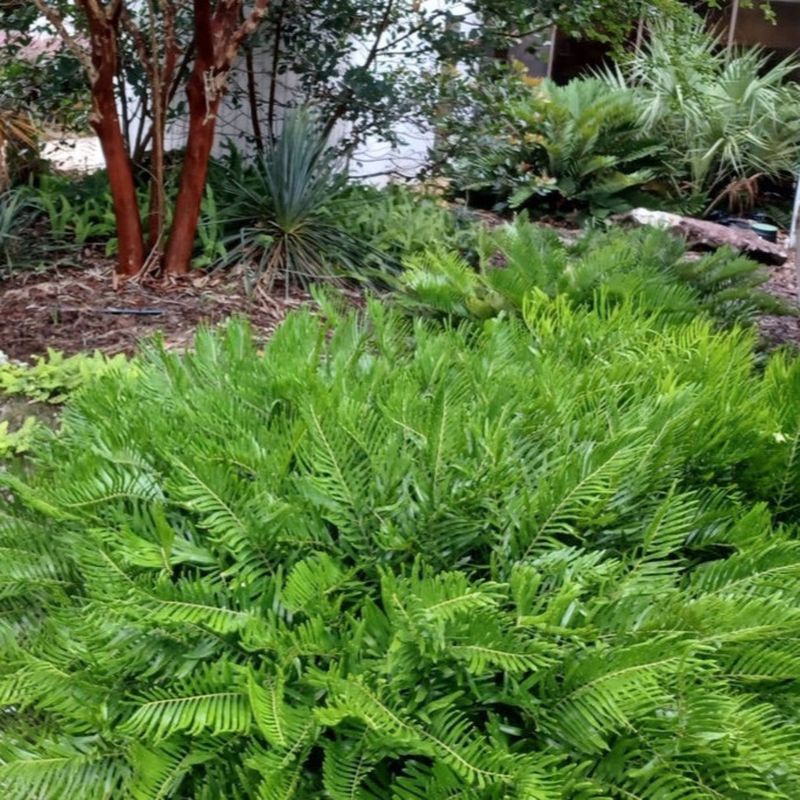
Want a front bed that looks tidy without weekly pruning? Coontie forms a slow-growing mound of stiff, glossy leaves that usually stays around 2 to 3 feet tall.
Its palm-like shape gives a Florida house a lush look while leaving room to see out the windows.
Give coontie well-drained soil and a spot with sun or partial shade. It handles heat and dry spells once established, making it useful beside a bright walkway or in a foundation bed with sandy soil.
Water a new plant regularly until its roots settle in, then ease back rather than keeping the bed wet.
Coontie is also the native host plant for atala butterfly caterpillars, so a few chewed leaves can be a welcome sign. Leave enough space for its broad mound instead of planting it tight against the wall.
All parts are toxic if eaten, so place it thoughtfully if pets or children might sample plants.
2. Dwarf Yaupon Holly
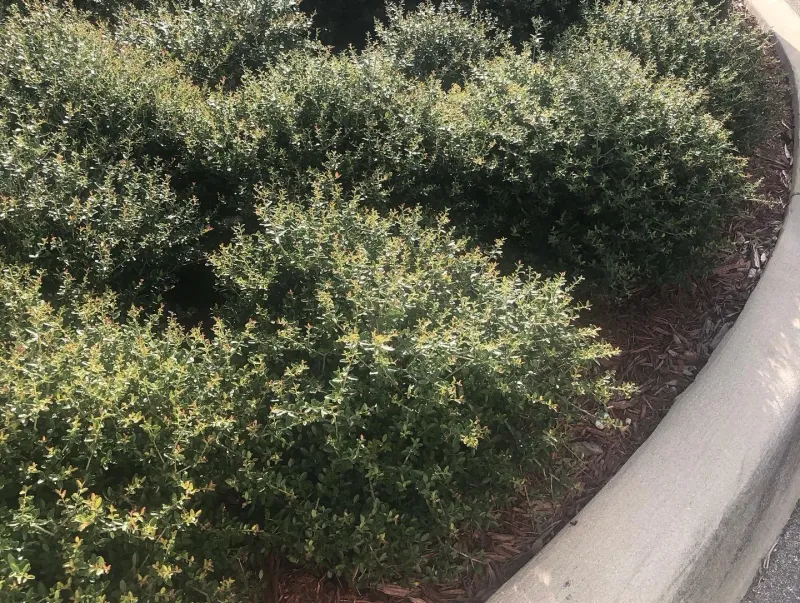
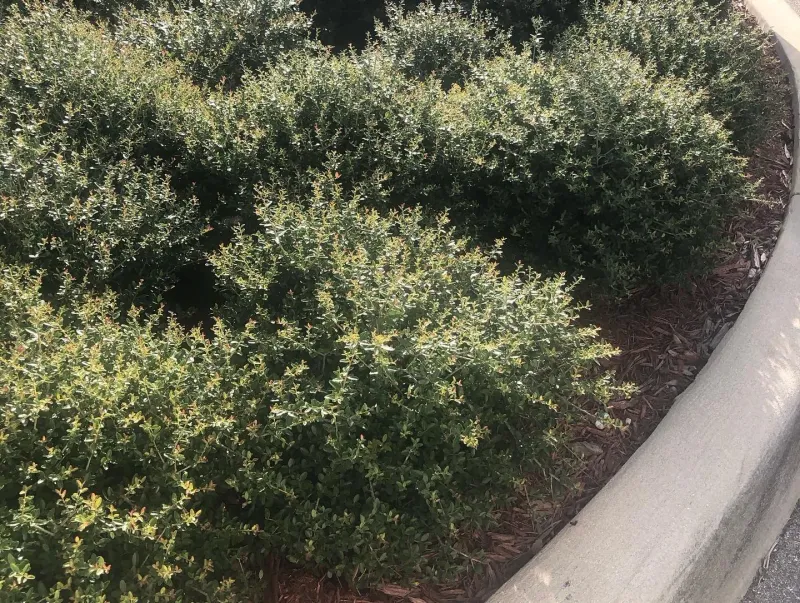
For a neat, rounded edge beneath the windows, look for a dwarf selection of yaupon holly such as Schilling’s Dwarf. Its small evergreen leaves give the bed a finished look even when nothing is blooming.
Unlike a full-size yaupon, this selection is commonly kept as a low mound, though mature height varies with growing conditions.
Plant it in sun or light shade and allow roughly 3 to 4 feet of width per shrub. Yaupon tolerates Florida heat and a range of soils, but good drainage and steady watering during establishment still matter.
Once rooted, it can handle occasional dry weather better than many thirsty foundation plants.
Choose a low-growing plant at the nursery and check its tag before buying. A standard yaupon can become a small tree, which is the opposite of what you want below a window.
A light trim can sharpen the outline, but avoid shearing it into a tight box if you prefer an easier, more natural bed.
3. Dwarf Walter’s Viburnum
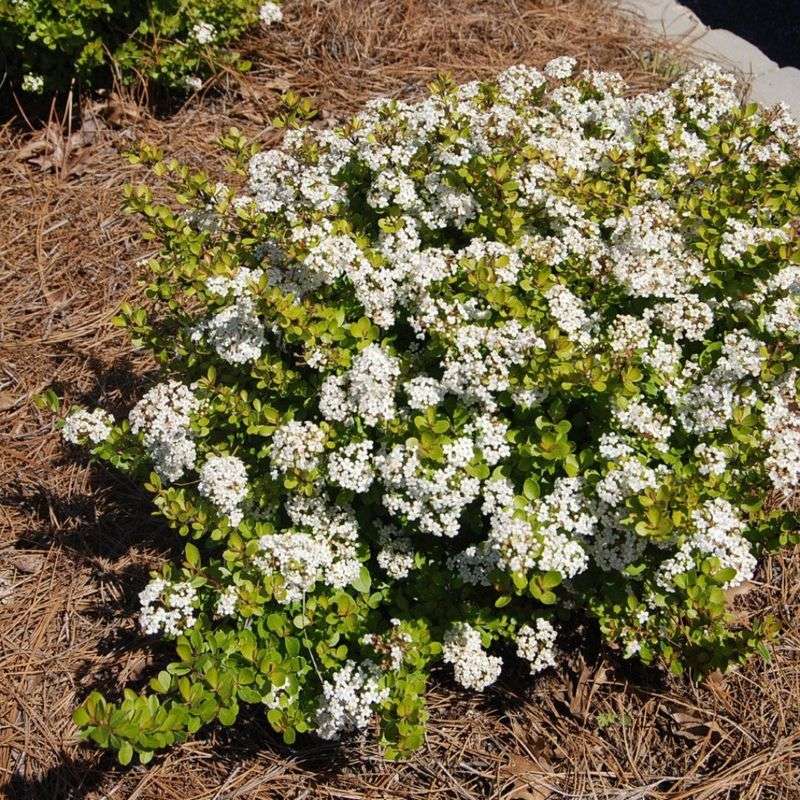
Little white flowers can make a foundation bed feel welcoming without turning it into a high-maintenance flower garden. Mrs. Schiller’s Delight, a compact selection of Florida-native Walter’s viburnum, grows into a dense, low shrub often listed at about 2 to 3 feet tall.
The flowers appear mainly in spring, while the fine-textured leaves provide the everyday appeal.
Give it sun to partial shade and soil that drains well. That makes it a useful choice for a front bed that gets morning light but some relief from the strongest afternoon sun.
Space plants for their mature width rather than packing them together for instant coverage.
The word dwarf matters here: ordinary Walter’s viburnum can grow much taller and overwhelm a window. Confirm the selection on the nursery label, then check its expected size against the distance from soil to windowsill.
Water through establishment and mulch lightly, keeping mulch clear of the stems. After flowering, remove any stray shoots if you want a tidier outline.
4. Pineland Lantana
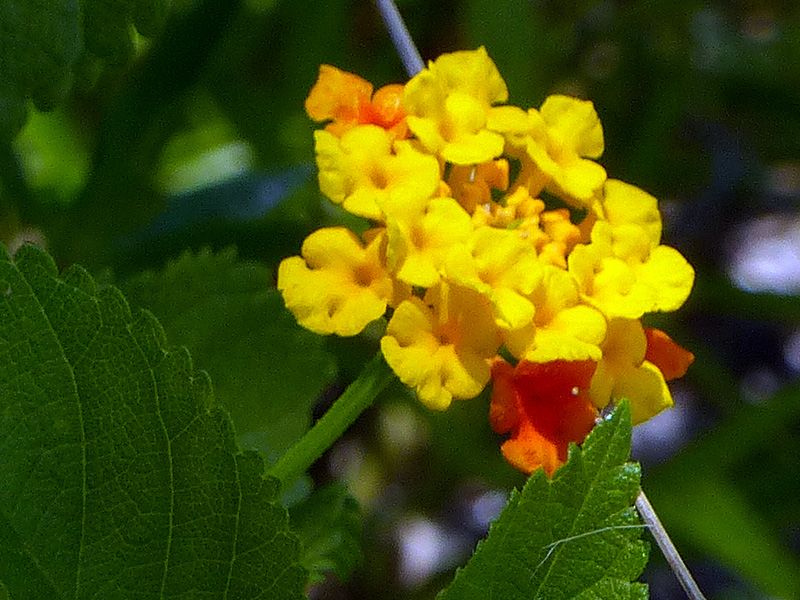
Butterflies passing the front door are a cheerful bonus, and pineland lantana gives them small yellow flowers to visit. This South Florida native forms a low, spreading shrub rather than a tall screen.
It suits a hot, open spot where more delicate flowering plants may struggle.
Set it in full sun and well-drained soil, leaving room for its branches to spread sideways. Avoid a wet bed beside a downspout, since its low-growing shape works best where roots do not sit in soggy soil.
Once established, it can suit a sandy, lower-water planting, though a new plant still needs regular attention while it roots.
Buy by the botanical name Lantana depressa from a nursery that knows Florida natives. Many lantanas sold in garden centers are different plants, and some can be invasive in Florida.
Pineland lantana is most at home in the warmer parts of the state, so gardeners farther north should check local suitability before planting. Give it an occasional light trim if it reaches toward a path.
5. Beach Sunflower
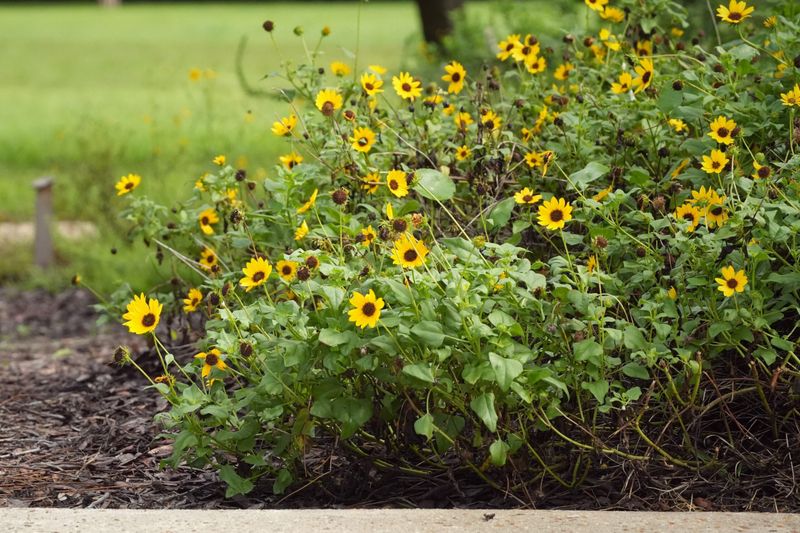
A sunny window bed can have plenty of color without a row of tall shrubs. Beach sunflower is a low, spreading native perennial with a somewhat shrubby habit and bright yellow flowers.
It generally stays below a typical windowsill, but it can travel well beyond the width of a single plant.
Use it where the bed gets full sun and drains quickly, especially in a sandy coastal yard. Its flowers attract pollinators, and established plants tolerate heat and periods of dry weather.
Water while it gets established, then avoid treating it like a plant that needs constantly damp soil.
The trade-off for all that color is a looser look than a clipped hedge. Let it spill through a broad bed, or cut back wandering stems before they cover the walkway.
It may thin out or look tired at times, so it is better for gardeners who enjoy a changing, informal planting than those who want identical green mounds year-round. Check that your nursery plant is a Florida-appropriate native beach sunflower.
6. Sandhill St. John’s Wort
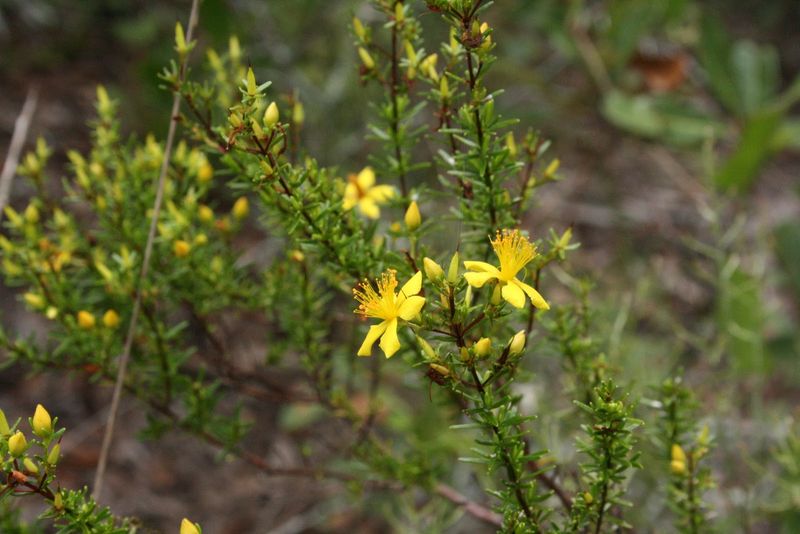
In a dry, sandy front bed, a small shrub can be more useful than one that needs constant watering. Sandhill St. John’s wort, Hypericum reductum, fits that role with fine-textured growth and yellow flowers.
It is a naturally low plant, often around 1 to 2 feet tall, so it can sit below windows without a regular haircut.
Give it plenty of sun and sharply drained soil. A raised, sandy bed is a better match than a low spot that holds rainwater after a storm.
Water during establishment, but do not keep mature plants continually wet. Its airy shape looks especially good with a few larger, darker evergreen plants nearby.
This is a choice for the gardener who wants a natural Florida look, not a formal hedge. It may take some searching to find at a native plant nursery, and the botanical name helps distinguish it from other St. John’s wort species with different sizes and moisture needs.
Before buying, confirm that your site matches the plant’s local growing range and conditions.
7. Dwarf Simpson’s Stopper
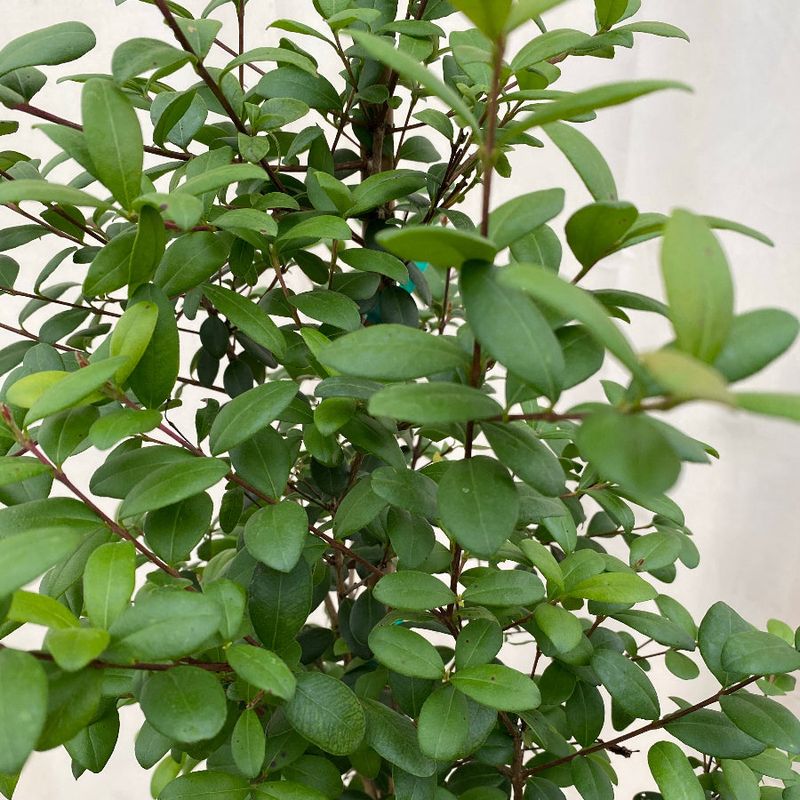
Some front windows face a spot that is bright but shaded for part of the day. A compact selection of Simpson’s stopper can bring glossy evergreen leaves to that space, along with small white flowers and colorful fruit that wildlife may use.
Its dense growth gives the bed substance without relying on nonstop blooms.
Ask for a dwarf selection and check the nursery’s stated mature height. Standard Simpson’s stopper can grow well above a windowsill, while compact forms are better suited to a low foundation planting.
Even with a dwarf plant, leave space between the shrub and the house for airflow and easy window cleaning.
This native is particularly useful in warmer parts of Florida and does best where soil drains well. It handles heat once established, though new shrubs need regular watering while they develop roots.
In a front bed, use one as an evergreen anchor beside lower flowering plants rather than squeezing several into a narrow strip. Gardeners in colder parts of the state should check local cold tolerance before choosing it.