
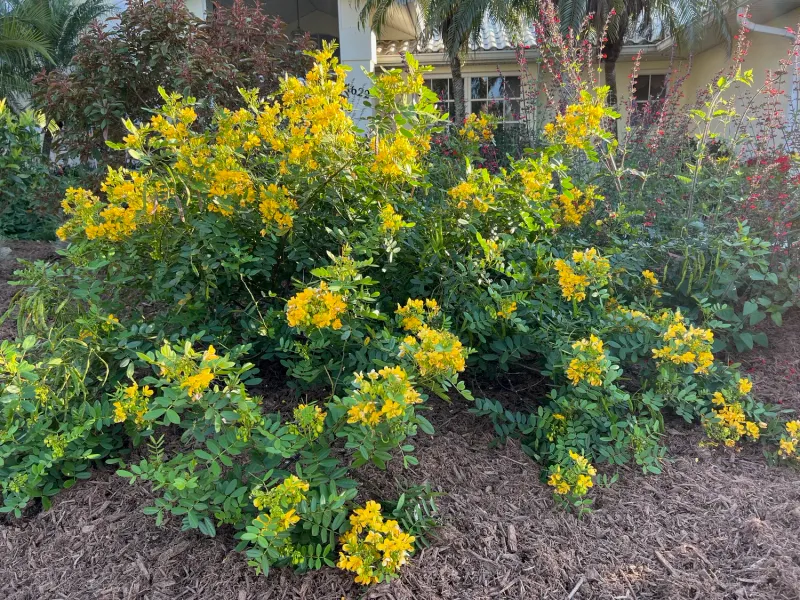
Hibiscus can look lovely until its branches lean into your driveway and brush against the car. Replacing it with a shrub that fits the space can mean a neater entrance and less pruning.
These seven Florida natives offer different looks for sunny, shady, dry, and damp spots. Check the mature size before you buy, and you can spend more time enjoying the planting than cutting it back.
1. Dwarf Yaupon Holly
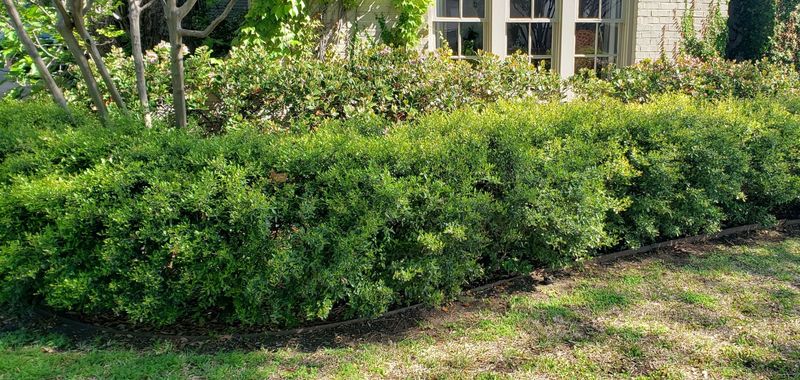
For a tidy outline without a standing date with the hedge trimmer, start with dwarf yaupon holly. Compact selections of this Florida native form dense, rounded evergreen mounds that look orderly beside concrete.
They are a strong choice when the old hibiscus has turned a narrow driveway bed into a wall of branches.
Check the cultivar label rather than buying any yaupon holly you see. The straight species can become a small tree, while dwarf selections commonly mature around 2 to 4 feet tall and several feet wide.
Give each plant enough room to reach its labeled width without touching the pavement; squeezing them together only brings back the pruning job you wanted to avoid.
Yaupon handles sun to partial shade and tolerates a range of Florida soils once established. Water new plants while their roots grow, and use mulch to limit weeds, keeping it off the stems.
A light touch to remove a stray branch should be enough for a well-spaced planting. If berries matter to you, ask the nursery about the cultivar: yaupon plants are male or female, and many dwarf selections produce few or no berries.
2. Dwarf Walter’s Viburnum
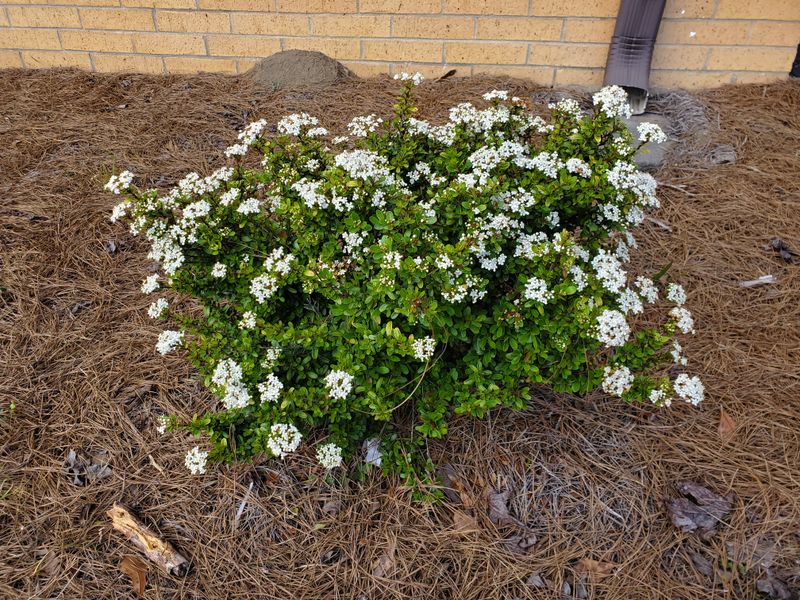
Spring brings a bonus to this neat-looking shrub: clusters of small white flowers that make the driveway feel welcoming. Dwarf Walter’s viburnum keeps the fine-textured leaves and native appeal of the species in a more manageable form.
The flowers also give visiting pollinators something to use.
Compact cultivars vary, so read the tag for both height and width. Some stay around 3 to 4 feet tall, but they may spread farther than you expect.
Plant far enough back from the pavement that the mature shrub will not crowd a car door. Regular Walter’s viburnum grows much larger, so the cultivar choice is the difference between an easy border and another oversized hedge.
Full sun to partial shade works well, and this species adapts to both damp and moderately dry sites after establishment. That flexibility helps when one end of a Florida driveway drains quickly while the other catches runoff.
Water during the first growing season as needed, then let its natural shape do most of the work. Rather than shearing it flat, remove an occasional wayward stem after flowering if the walkway needs a little more room.
3. Dwarf Simpson’s Stopper
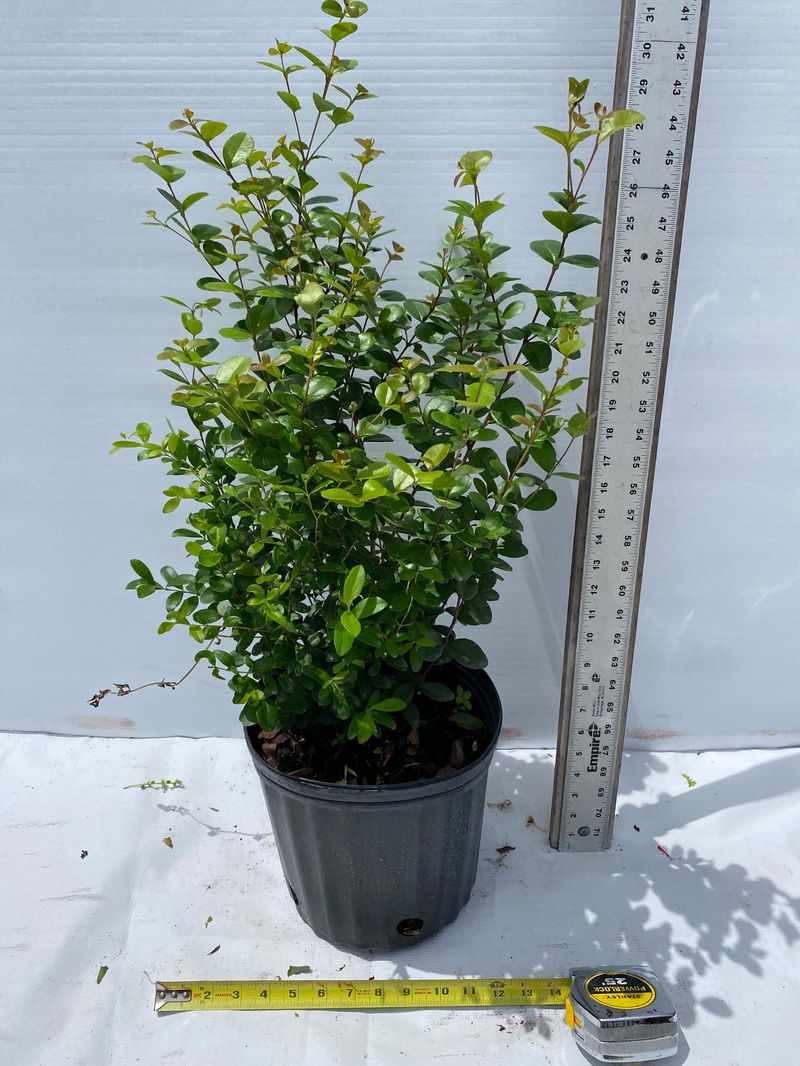
Some driveway beds need a little polish, not a stiff green box. A dwarf selection of Simpson’s stopper brings small, glossy leaves and fragrant white flowers to the entrance.
Its natural shape is softer than a clipped hedge, while still looking intentional beside a house.
Look specifically for a compact selection and confirm its expected mature size with the nursery. Standard Simpson’s stopper can grow into a large shrub or small tree, far too big for many narrow beds.
Even a dwarf plant needs breathing room between its eventual outer branches and the driveway. In suitable conditions, its flowers can be followed by bright fruit that birds may visit.
This native is especially useful in warmer parts of Florida, including many South Florida landscapes. Give it sun to partial shade and well-drained soil.
It tolerates dry spells after its roots are established, but new plants still need regular water while settling in. If your property is in a colder part of the state, check local hardiness advice before planting.
With the right selection and placement, you get an attractive entry shrub rather than another plant that demands an annual haircut.
4. Wild Coffee
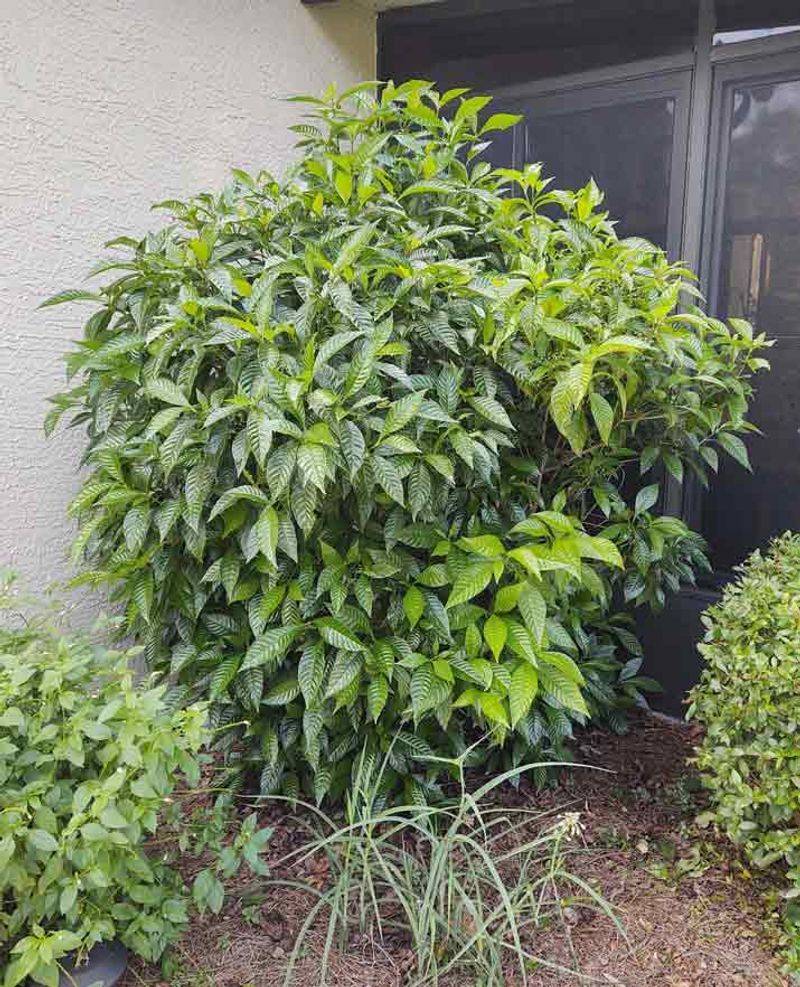
That shaded stretch beside the garage does not have to be the bare spot in your new border. Wild coffee fills it with broad, shiny leaves that have striking deep veins.
It gives a Florida driveway a lush look where a sun-loving shrub may struggle.
Despite its name, wild coffee is not the coffee plant grown for your morning cup. It is a native shrub suited to shade or partial shade, and its small flowers and red fruit can add interest for wildlife.
Expect a loose, natural shape rather than the tight mound you would get from dwarf yaupon.
Allow plenty of width before planting. Wild coffee often reaches roughly 4 to 8 feet tall and can grow broad, so it suits a generous bed set back from the pavement, not a thin strip beside a car door.
Keep the soil moist while it establishes, especially under trees where roots compete for water. A mulch layer can help a fast-draining site hold moisture.
In warmer Florida areas it can serve as an evergreen screen; farther north, cold weather may damage foliage. Choose it for a roomy, shaded driveway edge where its relaxed shape can stay relaxed.
5. Bahama Cassia
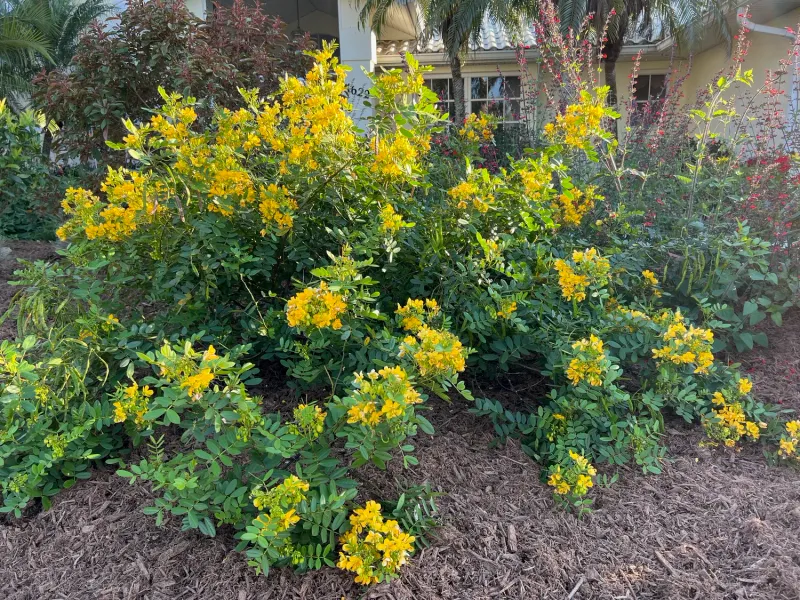
Want the color you loved about hibiscus without keeping a dense hedge in bounds? Bahama cassia answers with cheerful yellow blooms and an open, airy shape.
It stands out in a sunny driveway bed, especially when you want flowers to be the first thing visitors notice.
This Florida native is best suited to warm southern parts of the state. It generally grows about 3 to 6 feet tall and can spread several feet, so reserve it for a broad bed rather than a narrow curbside slot.
Full sun and well-drained soil help it perform well. Once established, it can handle dry conditions, which is useful where reflected heat from pavement dries the ground quickly.
The flowers attract pollinators, including butterflies, but the plant is not a formal, always-identical row of green mounds. That is part of its charm.
Leave space for its branching habit instead of repeatedly cutting it into a box. Water it during establishment, avoid soggy soil, and remove damaged or awkward stems when needed.
Gardeners in colder parts of Florida should check local growing guidance before counting on it as a year-round driveway shrub.
6. Inkberry Holly
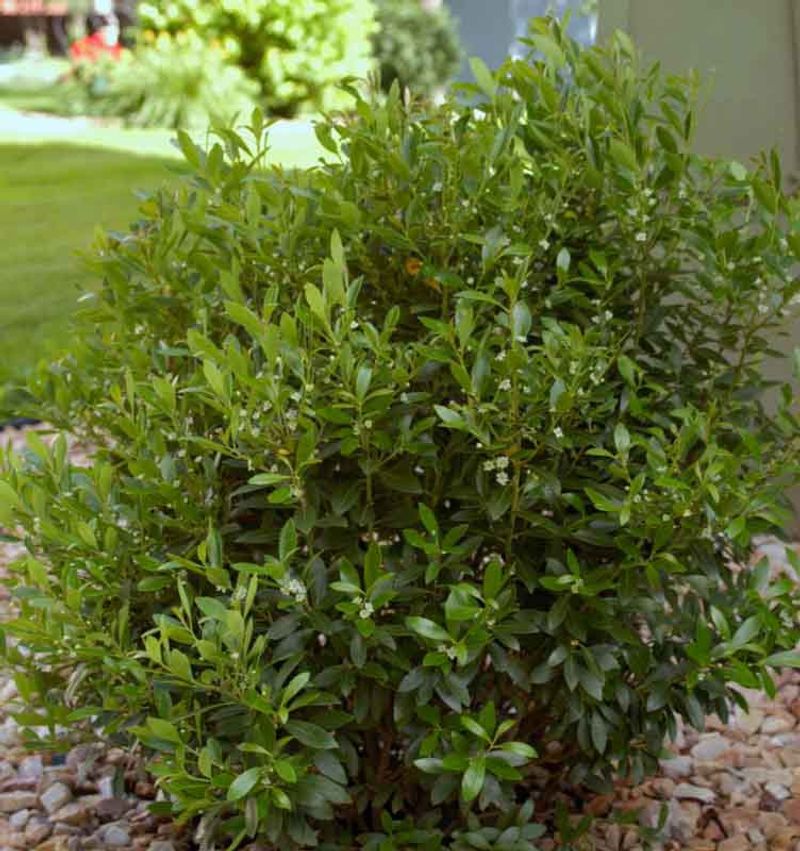
Rainwater sometimes runs off a driveway and leaves one part of the bed damp long after the rest has dried. Inkberry holly is worth considering for that spot.
Unlike shrubs chosen mainly for dry sand, this Florida native is at home in moist, acidic soil.
Its small evergreen leaves make a calm, clean-looking border, and compact cultivars offer a better fit near pavement than the full-size species. Sizes vary by selection, so check the mature width before setting plants in the ground.
Inkberry can spread through underground shoots over time; allow room to remove shoots that appear beyond the bed. That small bit of attention is different from cutting back an oversized hibiscus every year.
Inkberry is most useful in North and parts of Central Florida where conditions suit it. It grows in sun to partial shade, with steadier moisture especially helpful in sunnier spots.
Do not assume that a wet driveway edge means standing water is harmless: choose a site that drains between storms, not a spot where water remains pooled for long periods. If your bed is alkaline, extremely dry, or in a hotter part of South Florida, another shrub on this list will likely be an easier match.
7. Florida Rosemary
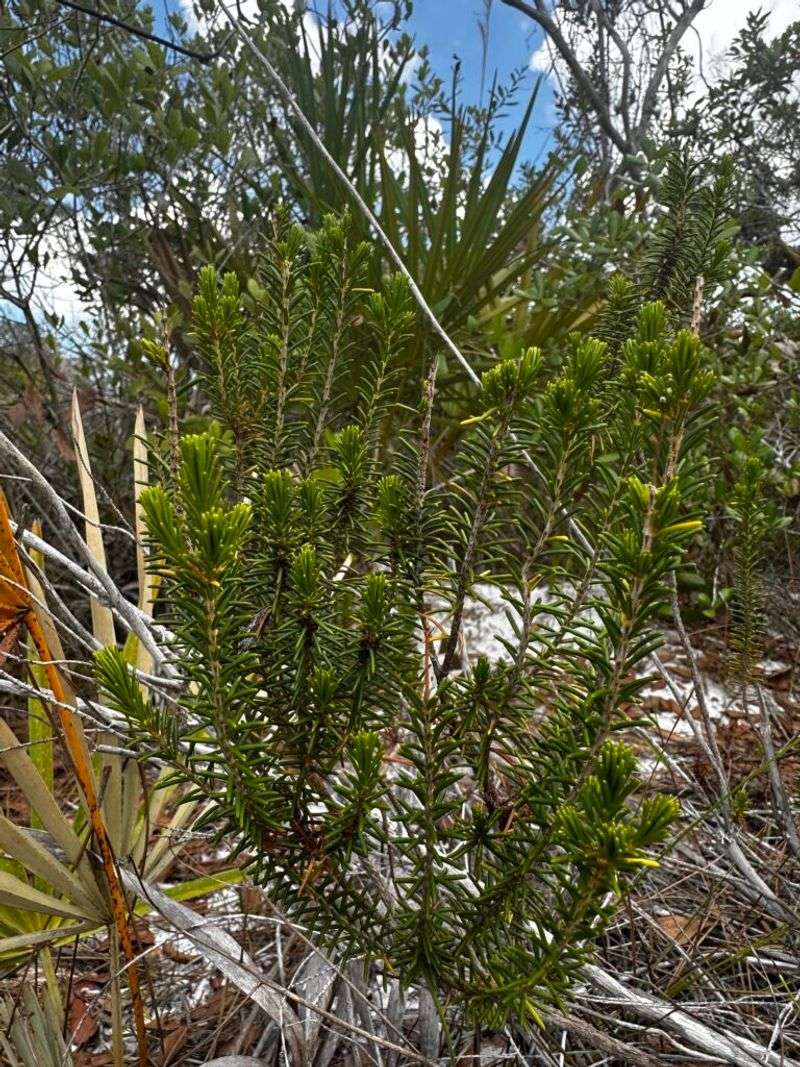
At the opposite end of the moisture scale, Florida rosemary thrives where the ground feels almost like a beach. Its fine, gray-green foliage gives a sunny driveway bed a soft, silvery look without relying on showy flowers.
It is a smart pick when sandy soil drains so fast that fussier shrubs never seem happy.
Florida rosemary is native to dry Florida habitats and needs excellent drainage and full sun. Once established, it is adapted to lean, dry ground; frequent irrigation or rich, wet soil can work against it.
Water new plants carefully while roots develop, then avoid treating them like thirsty hibiscus. It grows slowly and is not a shrub to force into a clipped shape.
Give its mature form real space. Florida rosemary can reach several feet tall and wide, making it better for an open driveway edge than a skinny strip between concrete surfaces.
It is also a poor match for a bed that floods or catches regular sprinkler overspray. Choose it where you can leave its natural outline alone, and its distinctive texture will make the entrance look designed even when you have put the pruners away.