
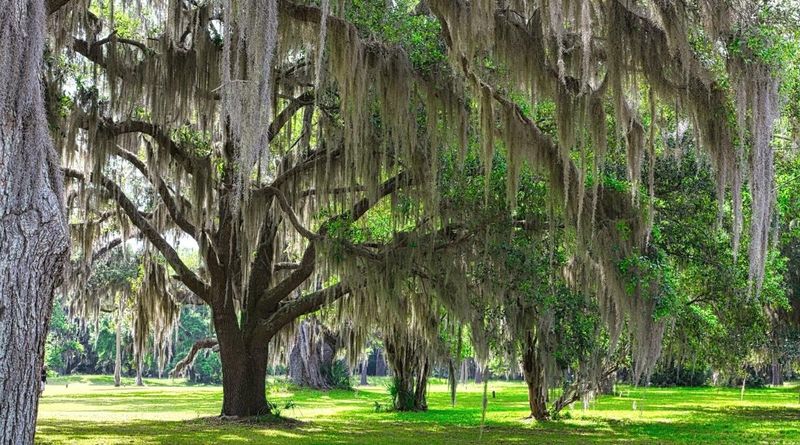
Laurel oaks grow fast, but many Florida homeowners learn the hard way that fast shade can come with weak limbs and storm cleanup. The good news is that Florida has native trees that can cool a yard, support wildlife, and fit real local conditions like sandy soil, heat, and heavy rain.
Some still need smart pruning when young, but they are better long-term choices for many home landscapes. Here are seven native trees worth planting when you want shade without signing up for constant limb worry.
1. Live Oak
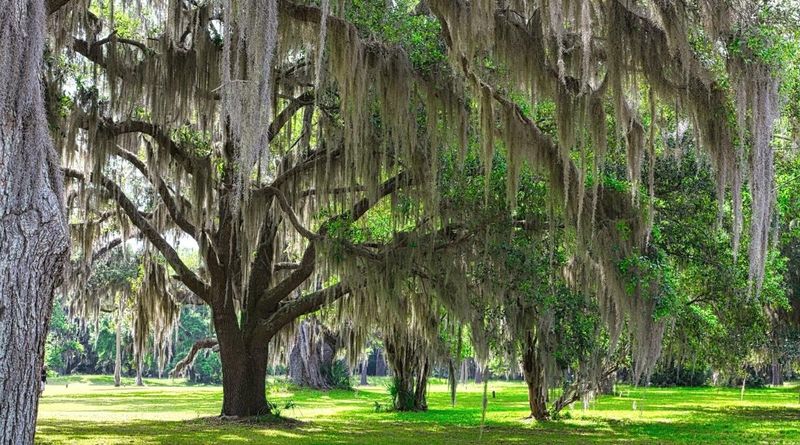
If your dream shade tree looks like it belongs beside an old Florida farmhouse, live oak is the classic answer. It does not race upward like a laurel oak, but it builds a wide, muscular canopy that can turn a hot driveway or backyard sitting area into usable space.
Live oak stands out because of its structure. With proper early pruning, it develops strong limbs and a low, sweeping shape that handles Florida weather better than many quick-fix shade trees.
Give it room, because this is not a tree for a tiny strip between sidewalk and street.
Homeowners in sandy soil should water young trees deeply while they establish, then back off as roots spread. Mulch the root zone, keep grass and string trimmers away from the trunk, and avoid piling mulch against the bark.
Wildlife gets a bonus, too. Acorns feed birds, squirrels, and other backyard animals, while the dense canopy gives nesting cover.
For a long-view homeowner who wants shade that feels permanent, live oak is hard to beat.
2. Southern Magnolia
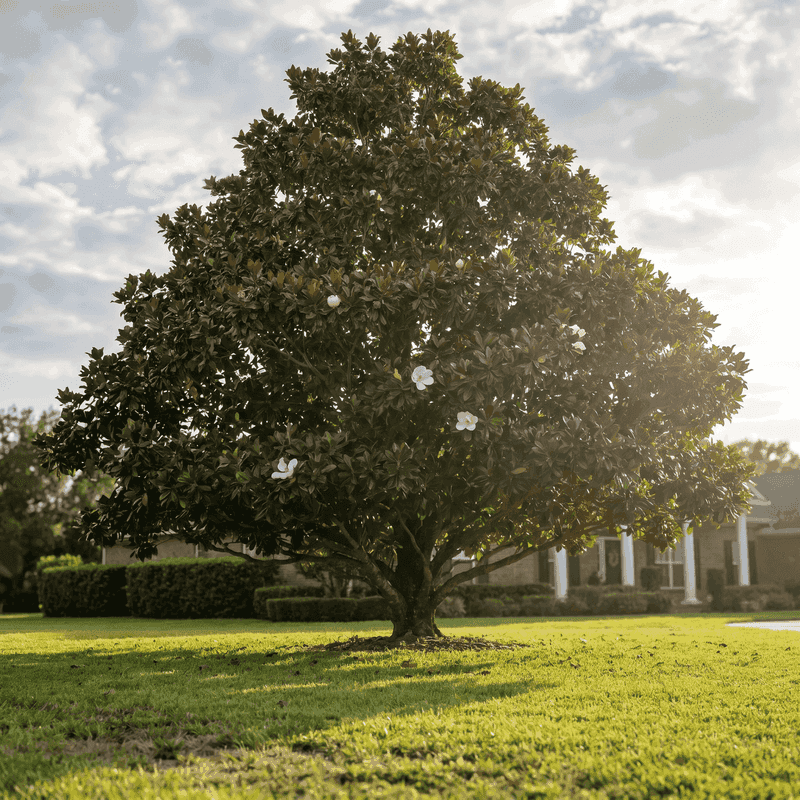
Glossy leaves, bold white flowers, and year-round presence make Southern magnolia feel more polished than the average shade tree. It brings curb appeal while still giving useful shade, especially along a side yard, wide front lawn, or property edge.
Southern magnolia earns its spot because it is both ornamental and practical. The evergreen canopy blocks sun in every season, and the thick leaves create a calm, sheltered feeling around patios and windows.
Unlike a tree that disappears visually in winter, magnolia keeps the yard looking finished.
Plant it where fallen leaves and seed cones will not annoy you. The leaves are large and leathery, so they break down slowly, but they also make a fine natural mulch under the tree if you can leave them in place.
Young magnolias appreciate steady moisture during establishment, especially in fast-draining Florida sand. Once settled, they are fairly dependable in many Florida landscapes, though they dislike compacted soil and root disturbance.
Pollinators visit the flowers, and birds may use the dense branches for cover. For homeowners who want shade with a dressed-up Southern look, Southern magnolia pulls double duty beautifully.
3. Bald Cypress
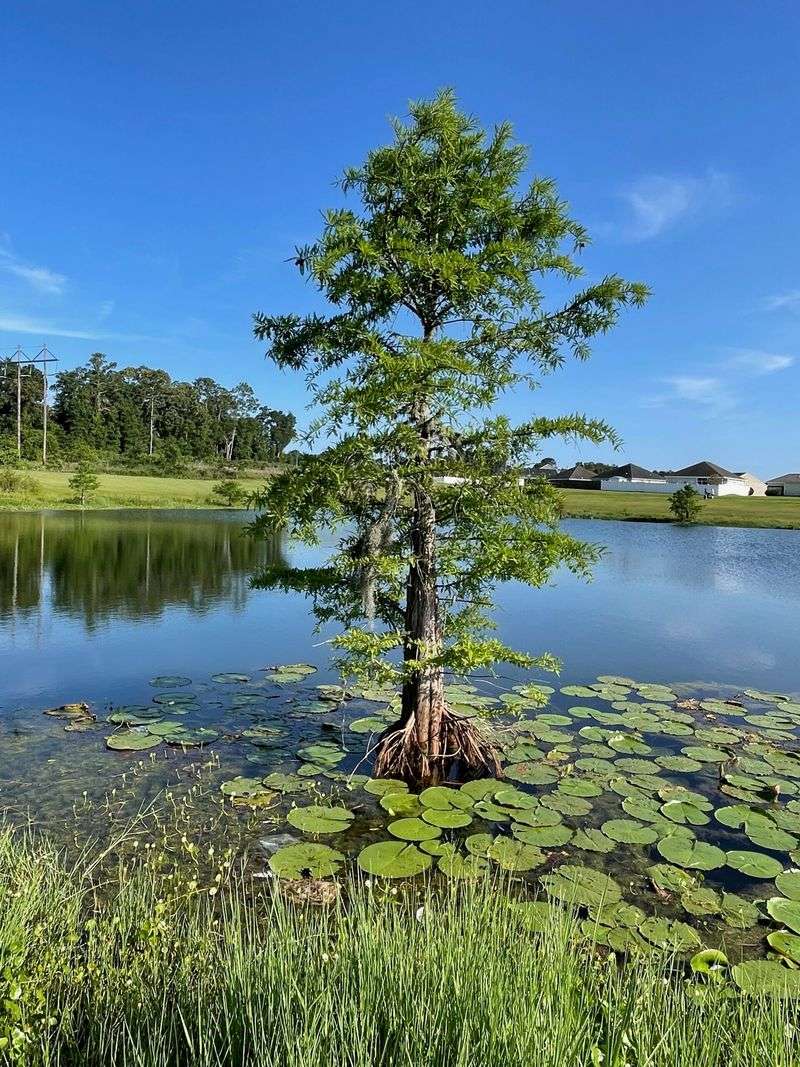
Got a soggy corner that stays damp after summer storms? Bald cypress can turn that problem spot into one of the most graceful parts of the yard.
Bald cypress is different from the other trees on this list because it welcomes moisture. It naturally grows in wet places, yet it can also adapt to average yard conditions if watered well while young.
That makes it a smart pick near swales, pond edges, rain gardens, or low areas where many shade trees sulk.
The foliage is soft and feathery, giving light shade instead of a heavy, gloomy canopy. In fall and winter, it drops its needles after they turn a rusty copper color, which adds a small seasonal surprise in a state where many trees stay green.
Do not be startled if cypress knees appear in wet soil over time. They are part of the tree’s character, but they can be awkward in mowing areas, so placement matters.
For storm-conscious Florida gardeners, bald cypress has a sturdy reputation when planted in the right place and trained well. It is especially useful when you want shade, water tolerance, and a native look that feels tied to Florida wetlands.
4. Red Maple
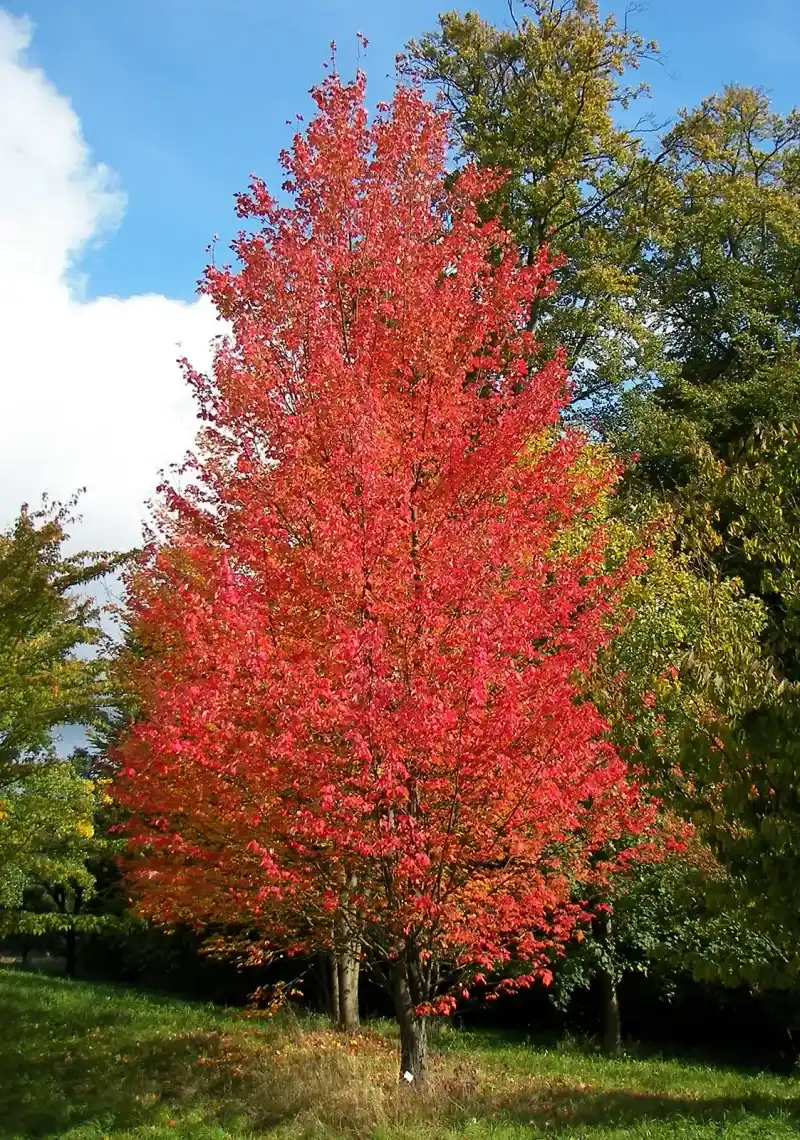
A flash of red in early spring can make a Florida yard feel awake before many neighbors have touched their flower beds. Red maple offers that bit of color while also growing into a useful medium-to-large shade tree.
Red maple belongs on this list because it is one of the better native choices for homeowners who want faster results in moist to average sites. It is not as broad and massive as live oak, so it can fit yards where an enormous spreading canopy would be too much.
Site selection matters. Red maple prefers acidic soil and does best where it can get consistent moisture, which makes it a good match for low lawns, pond margins, or areas that catch runoff after Florida downpours.
In very dry sand, it will need more help, especially during establishment.
Its shade is pleasant rather than oppressive, and the branching habit can be shaped with early pruning. Choose a strong central leader when young and remove narrow, competing branches before they become future problems.
Small red flowers and winged seeds support wildlife, and the seasonal color gives the yard a little drama. For a homeowner wanting shade plus a native tree with visual change, red maple is a lively alternative.
5. Winged Elm
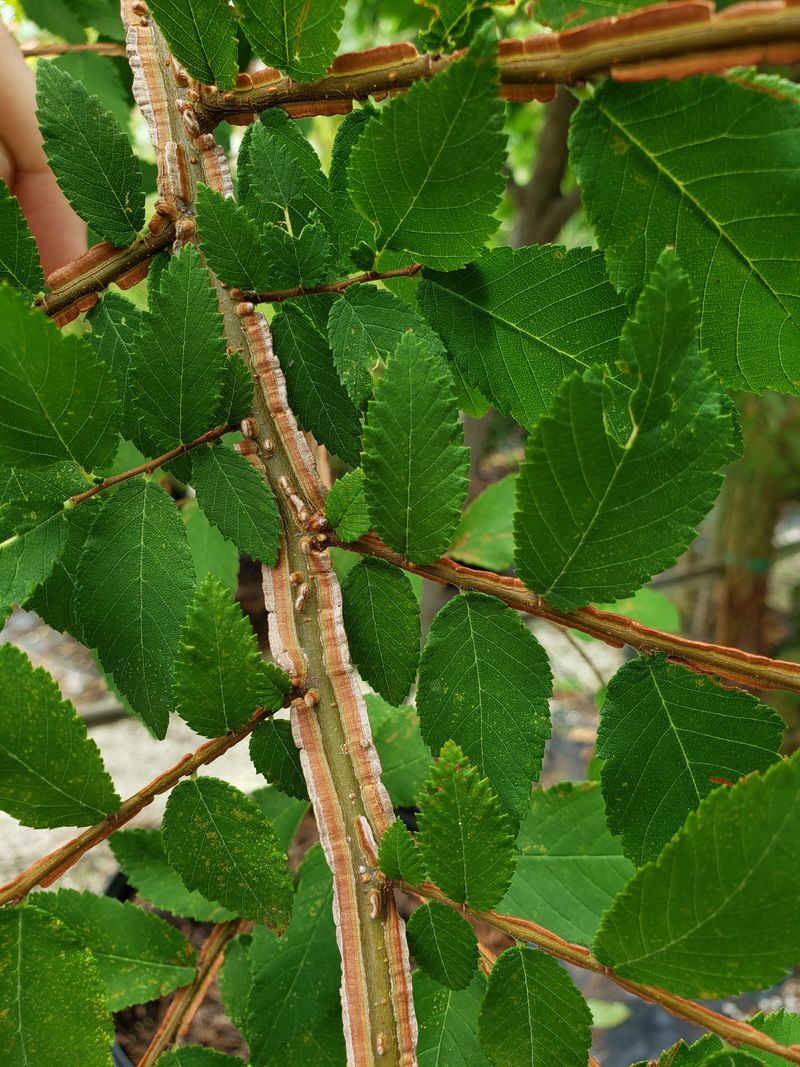
Not every shade tree needs to be a giant landmark. Winged elm is the practical neighbor on the list, the one that can shade a walkway or small lawn without swallowing the whole property.
Its name comes from the corky, wing-like ridges that often form along young twigs. That small detail gives the tree winter texture, which is a nice perk in a simple front yard planting.
Winged elm is valuable for Florida homeowners because it tolerates a range of soils, including drier, sandy sites once established. It usually grows at a moderate to fairly quick pace, especially with water during its first few years, and it can create a comfortable canopy for smaller outdoor spaces.
Good training is important. Like many fast-growing trees, it benefits from early structural pruning so the main branches are well spaced and not crowded.
A few careful cuts when the tree is young can prevent messy, weak branching later.
The shade is filtered enough for some understory plantings, so you may still be able to grow native groundcovers or tough shade-tolerant plants nearby. If your yard needs a more modest native tree with useful shade and fewer big-tree headaches, winged elm deserves a serious look.
6. Sweetgum
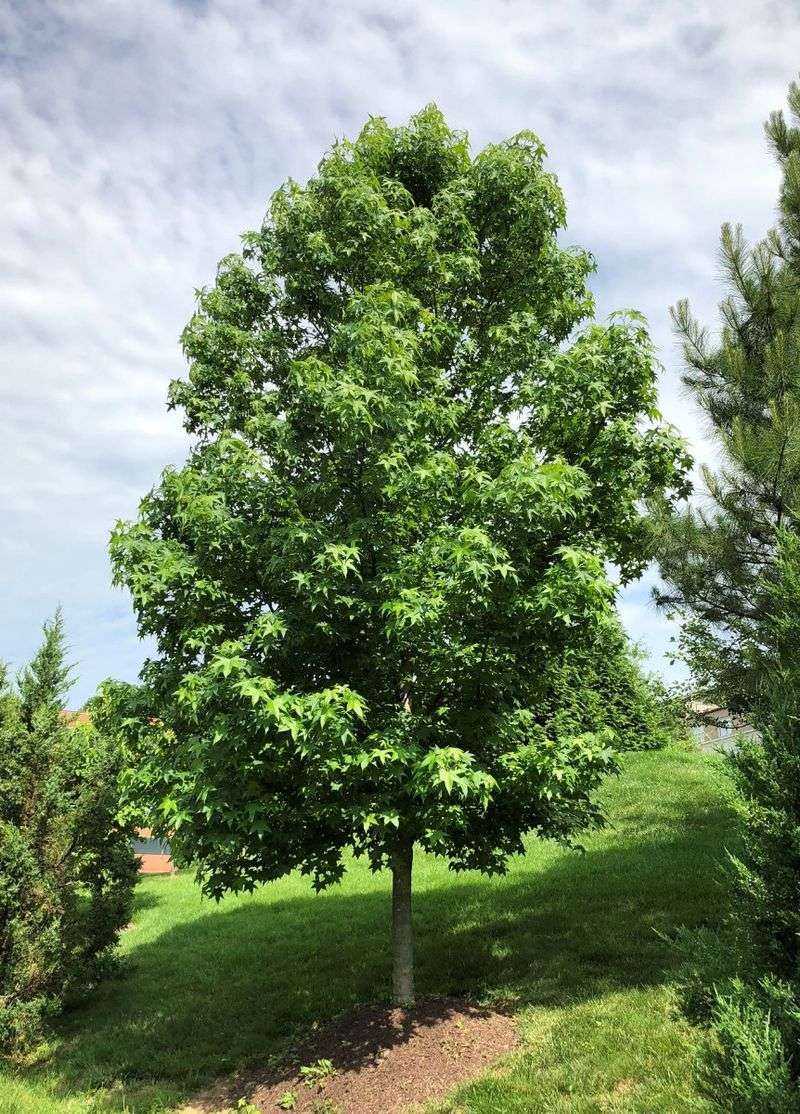
Sweetgum is the tree people either remember from childhood or curse when they step on the spiky seed balls barefoot. Give it the right spot, though, and it can be a handsome native shade tree with strong vertical presence.
The reason sweetgum makes this list is speed. It can grow quickly when young, giving homeowners shade sooner than slower legacy trees.
Its star-shaped leaves and upright form create a clean, woodland look that works well on larger lots.
Placement is everything. Do not plant sweetgum beside a pool deck, narrow sidewalk, or the exact spot where kids run barefoot.
The round seed balls can be messy, but in a naturalized corner, wide lawn, or wildlife-friendly back edge, they are much less of a problem.
Sweetgum handles moist sites well and can adapt to many Florida conditions, though young trees still need water during dry spells. Mulch beneath the canopy helps reduce mowing around surface roots and catches fallen seed balls before they scatter too far.
Birds and small wildlife use the tree, and the canopy can cool a hot yard quickly as it matures. For homeowners with space, sweetgum is a fast-shade option that rewards smart siting.
7. American Sycamore
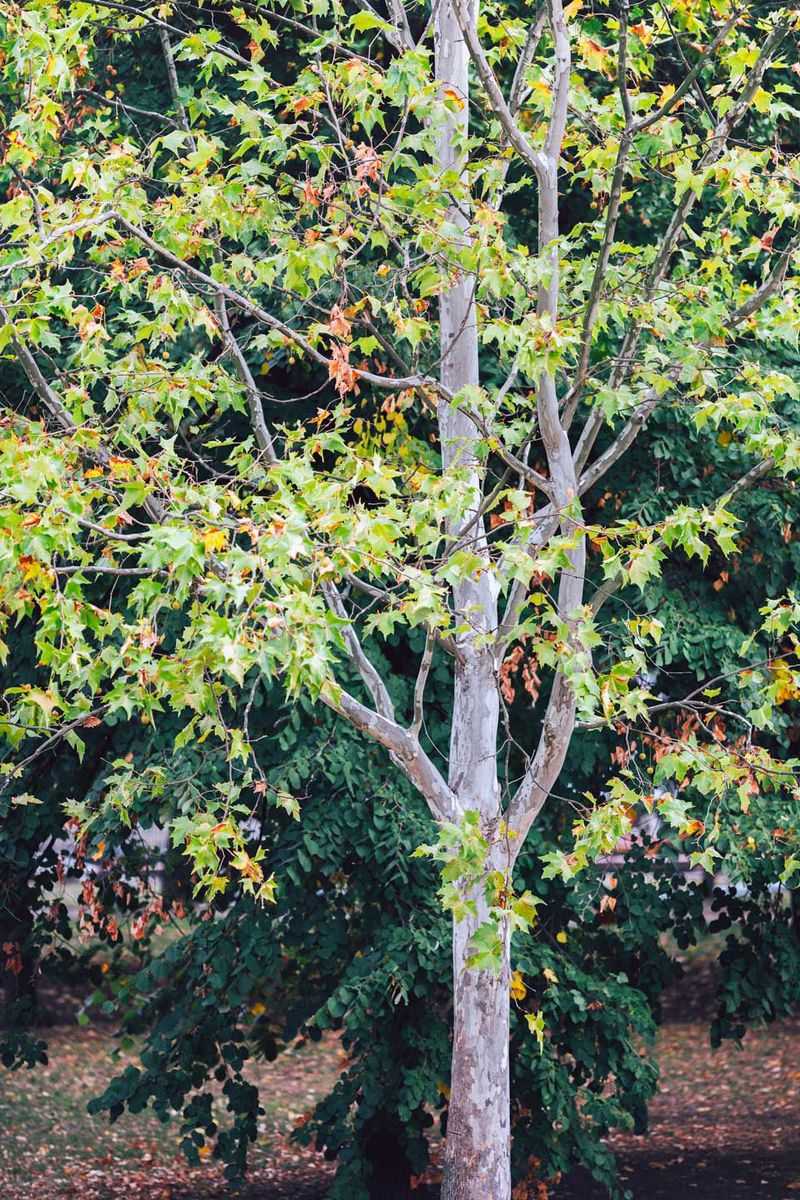
Few native trees look as bold as American sycamore once its pale, patchy bark starts showing off. The trunk can look almost painted, especially against deep green grass or a backdrop of shrubs.
American sycamore is here for homeowners who need shade fast and have the room to do it right. It can become a very large tree, with broad leaves that cast generous shade over open lawn areas.
Think spacious backyard, park-like side yard, or a large property edge, not a cramped foundation bed.
Moist soil suits it best, so it is a good candidate near drainage areas or places that stay a little fresher after rain. In dry, sandy sites, young trees need consistent watering until roots can reach deeper moisture.
There are tradeoffs. Sycamores can drop leaves, twigs, and bark flakes, and they may face leaf diseases in humid weather.
For many people, the fast shade and striking trunk are worth it, but it should be planted where natural litter will not create daily frustration.
Give this tree space away from pipes, pavement, and rooflines. If you have a large Florida yard and want a native shade tree with real presence, American sycamore brings size, speed, and character.