
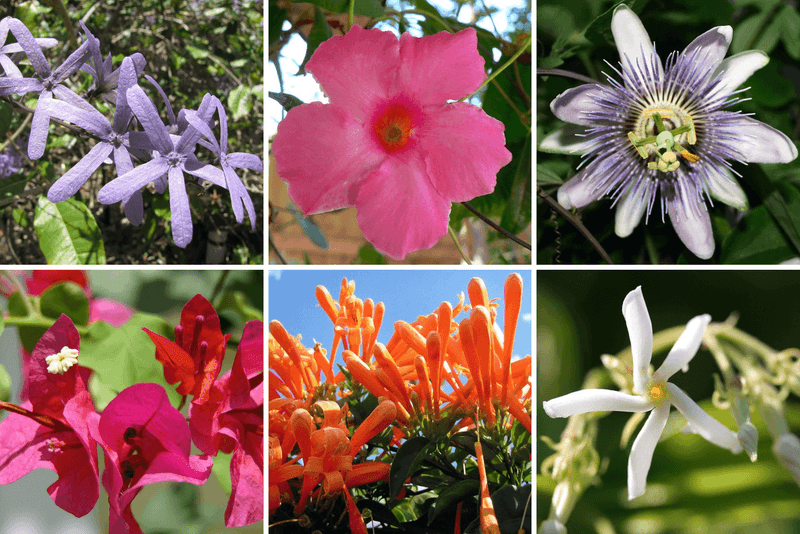
Florida vines can turn a hot fence, bare trellis, or sunny porch rail into leafy summer cover fast. The trick is picking native vines that grow with purpose, not ones that swallow the yard by August.
These seven choices offer shade, flowers, berries, or wildlife value while staying manageable with the right support and a little seasonal pruning.
1. Coral Honeysuckle
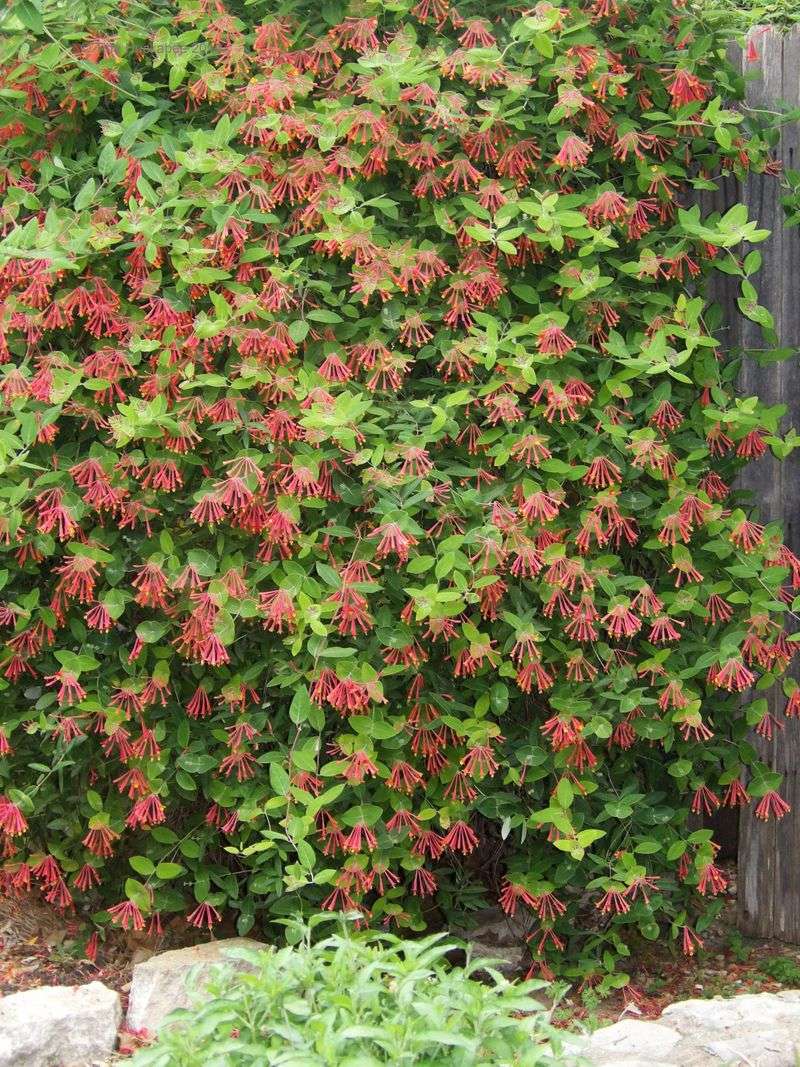
Hummingbirds seem to find coral honeysuckle before people do, which is part of its charm. The red, trumpet-shaped blooms show up like tiny porch lanterns and can keep appearing through warm months when the vine is happy.
For Florida gardeners who want fast cover without a wrestling match, this is one of the easiest native vines to love. It climbs by twining, so give it a trellis, fence panel, arbor, or sturdy wire support rather than expecting it to cling to a flat wall.
Coral honeysuckle works especially well near seating areas because it brings color without heavy fragrance or messy fruit drop. It handles sun to part shade, though flowering is usually better with more sun and regular moisture while it gets established.
A light trim after a strong bloom cycle keeps it full instead of stringy. Unlike Japanese honeysuckle, which is invasive in many areas, Florida native coral honeysuckle is a better-behaved pick that still gives quick green coverage and serious wildlife payoff.
2. Maypop Passionflower
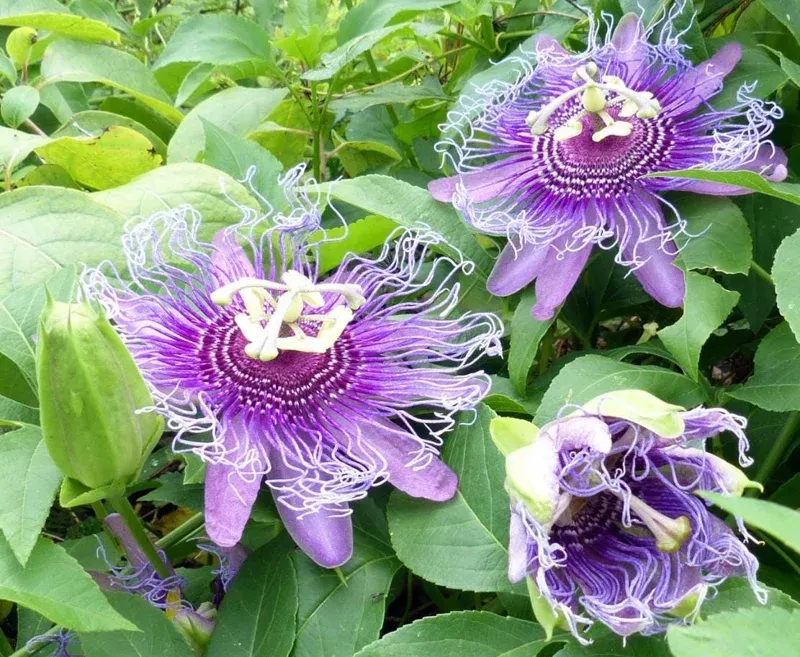
Few backyard plants look as wild and magical as maypop passionflower in bloom. The purple flowers look almost handmade, with curled filaments, pale petals, and a bold center that stops visitors mid-sentence.
Maypop earns its place on this list because it gives fast cover and feeds Gulf fritillary butterfly caterpillars. If you want a vine that turns a fence into a living butterfly station, this one is hard to beat.
Growth can be quick in warm Florida weather, so plant it where it has room to roam on a fence, cattle panel, or large trellis. It may spread by underground runners, especially in loose sandy soil, but it is much easier to manage when placed where mowing, edging, or a defined bed border can catch wandering shoots.
The fruit is edible when ripe, though flavor can vary from plant to plant. For a tidier look, cut back tired stems in late winter or early spring and guide fresh growth onto its support before summer heat pushes it into high gear.
3. Corkystem Passionflower
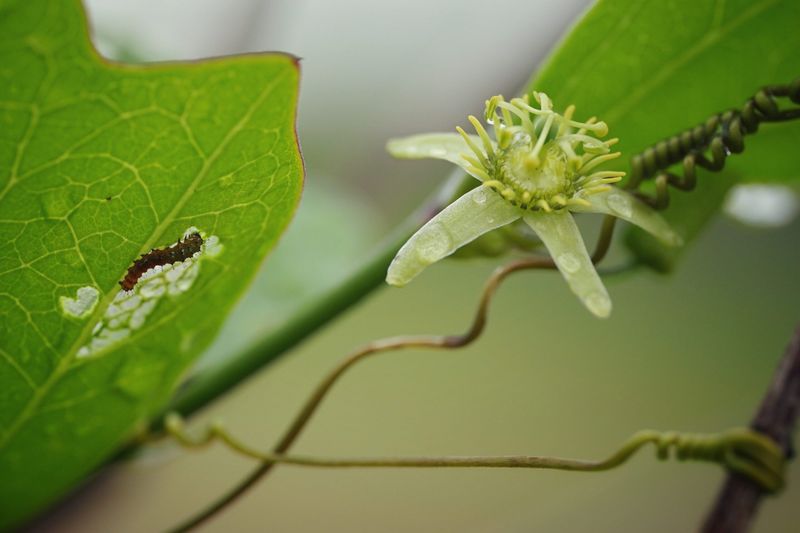
Not every useful vine needs big showy flowers. Corkystem passionflower is quieter than maypop, but butterfly gardeners in Florida often prize it because zebra longwing and Gulf fritillary caterpillars use it as a host plant.
Its best role is soft, leafy cover in a wildlife-friendly corner where you do not need a formal look. The flowers are small and pale, followed by dark berries that birds may visit, giving the vine more backyard value than its modest appearance first suggests.
Corkystem passionflower is especially useful in Central and South Florida, where it can handle warm conditions and part shade. It climbs by tendrils, so a mesh fence, wire panel, or twiggy trellis gives it the grip it needs.
Compared with maypop, it often feels less bulky and easier to tuck into smaller habitat plantings. Give it a quick haircut when stems stray into paths or neighboring shrubs, and avoid spraying pesticides nearby because caterpillar feeding is part of the point.
If your goal is summer cover plus real butterfly action, corkystem passionflower is the understated worker in the group. It may not shout from across the yard, but it quietly turns empty vertical space into habitat.
4. Crossvine
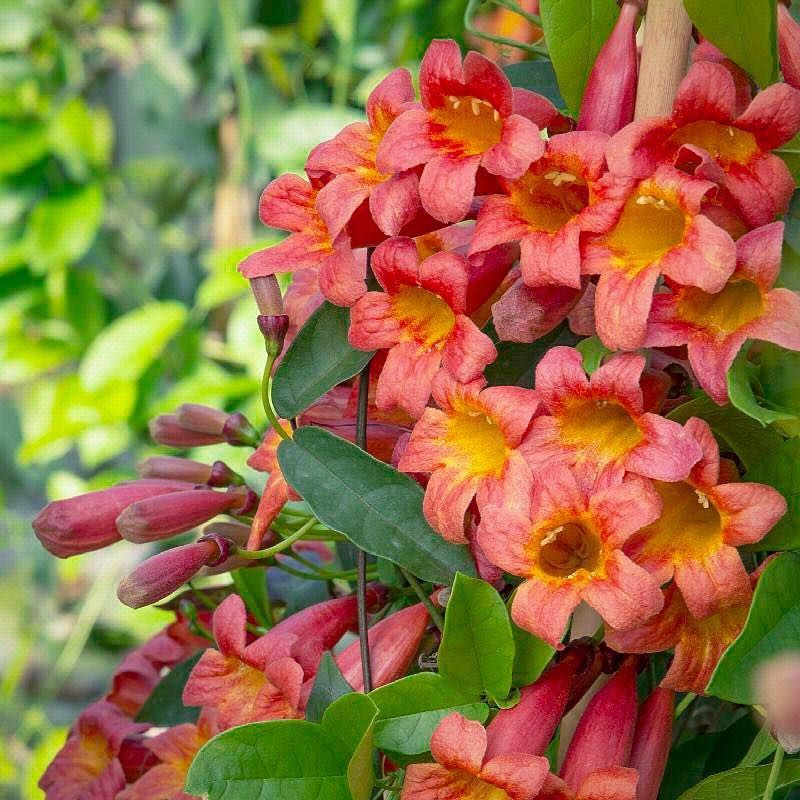
A bare arbor can look finished surprisingly fast when crossvine gets comfortable. Its orange-red trumpet flowers bring a bold spring show, and the leafy stems can provide useful summer shade over a gate, walkway, or sitting spot.
Crossvine stands apart because it has a strong, architectural feel. It can climb high, so it suits sturdy structures better than flimsy decorative trellises.
In Florida, it is most at home in North and parts of Central Florida, where it can grow in sun to part shade. More sun usually means heavier flowering, while a little afternoon shade can help in hot inland yards.
Because crossvine clings with tendrils that have adhesive tips, think carefully before letting it climb siding or painted surfaces. A freestanding arbor, fence, pergola, or heavy-duty trellis is a smarter long-term choice for most homeowners.
Prune after flowering if you need to shorten stems or shape the plant. Crossvine is vigorous, but it is not the same kind of yard takeover threat as many invasive exotic vines when planted with a clear support and checked once or twice a year.
5. Carolina Jessamine
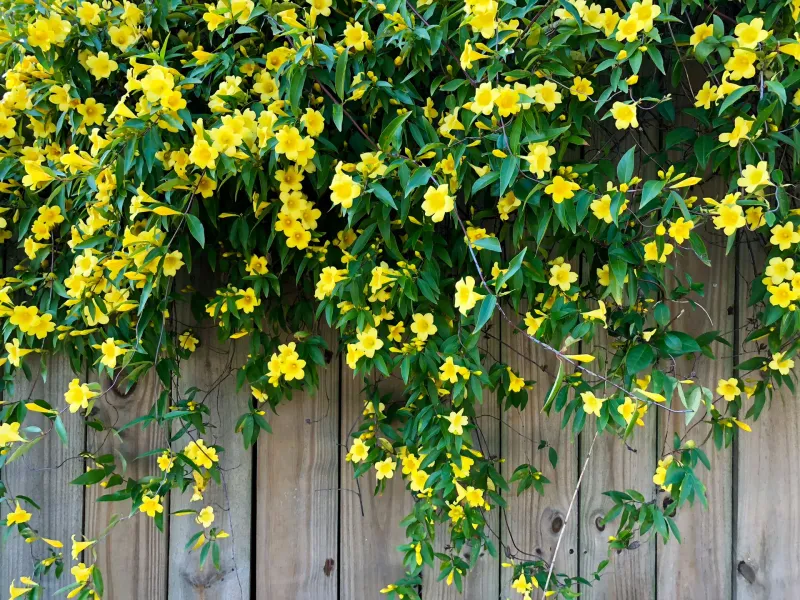
Bright yellow Carolina jessamine has a cheerful way of making a fence look planned instead of plain. When it blooms, the flowers can light up an entry or side yard before many other vines are doing much.
For summer cover, its evergreen to semi-evergreen foliage is the real prize. The vine can fill in a trellis or fence line quickly, yet it takes pruning well and can be kept to the space you give it.
Carolina jessamine is a strong choice for North Florida and much of the Southeast, and it can work in many warm Southern gardens with good drainage. Florida’s sandy soil is usually fine as long as the plant gets water while establishing and is not left in a constantly flooded spot.
One caution belongs right up front: all parts of Carolina jessamine are poisonous if eaten. Skip it where pets, horses, or small children are likely to chew plants, and wear gloves if you have sensitive skin.
Use it on a mailbox trellis, fence, arbor, or porch support where you want a polished look without constant fuss. A trim after the main bloom keeps the plant dense and reduces long, wandering stems before storm season winds test the garden.
6. Skyblue Clustervine
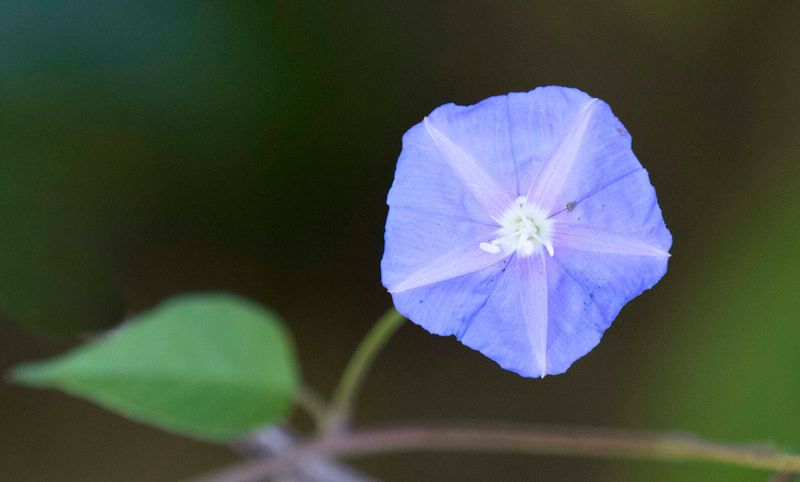
South Florida gardeners get a special treat with skyblue clustervine. Its soft blue to lavender flowers bring a cooler color than the reds, oranges, and yellows that dominate many heat-loving vines.
This vine is a good fit for frost-free or nearly frost-free parts of Florida, especially where a light, airy look is wanted. It can climb a fence or trellis without creating the heavy, woody mass that some larger vines build over time.
Skyblue clustervine likes warm weather, sun, and well-drained soil, which makes it a natural match for many coastal and sandy South Florida yards. Once established, it can handle regular summer conditions, though young plants appreciate steady moisture while roots spread.
Its growth is quick enough to cover a small structure, but the overall texture stays graceful. That makes it useful near patios, pool cages, side gates, or narrow beds where a more aggressive vine would feel cramped.
Prune lightly to guide stems and remove any growth heading into shrubs or walkways. In the right region, skyblue clustervine gives gardeners a native option that feels a little tropical without acting like a yard bully.
7. Muscadine Grape
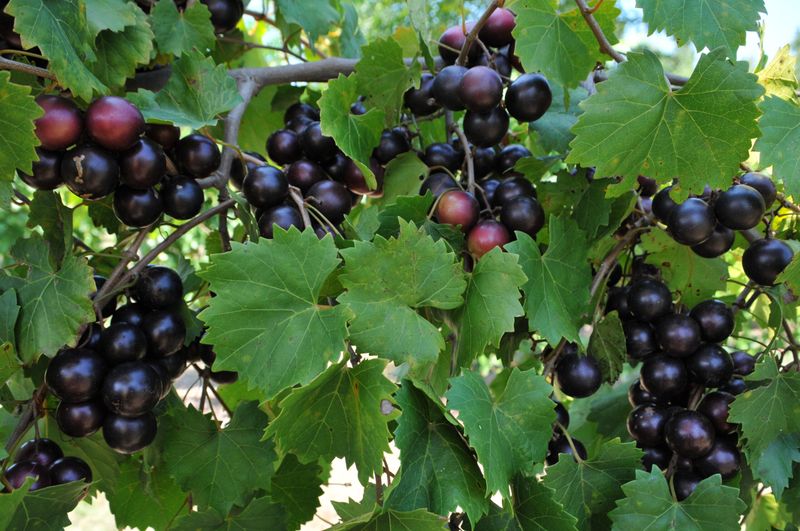
There is something old-fashioned and deeply Southern about sitting under a grape arbor in late summer. Muscadine grape brings that feeling to Florida yards, with big leaves, strong shade, and fruit that can be eaten fresh or used for jelly.
Muscadine is the boldest vine on this list, so it belongs here with one clear rule: give it structure and prune it on purpose. It is not the vine for a tiny flimsy trellis by the front door, but it can be excellent on a strong arbor, pergola, or dedicated grape wire.
Native muscadines handle heat and sandy soil better than many bunch grapes, which is why they have such a long history in the Southeast. They need sun for best fruiting and enough airflow to help reduce disease pressure in humid Florida weather.
To keep muscadine from taking over, train one or two main trunks and prune during dormancy. That simple habit turns a potentially tangled plant into a productive shade feature.
Home gardeners who want edible cover will appreciate how different muscadine feels from the purely ornamental vines. It gives summer shade with a harvest attached, as long as you treat it more like a fruit crop than a casual fence filler.