
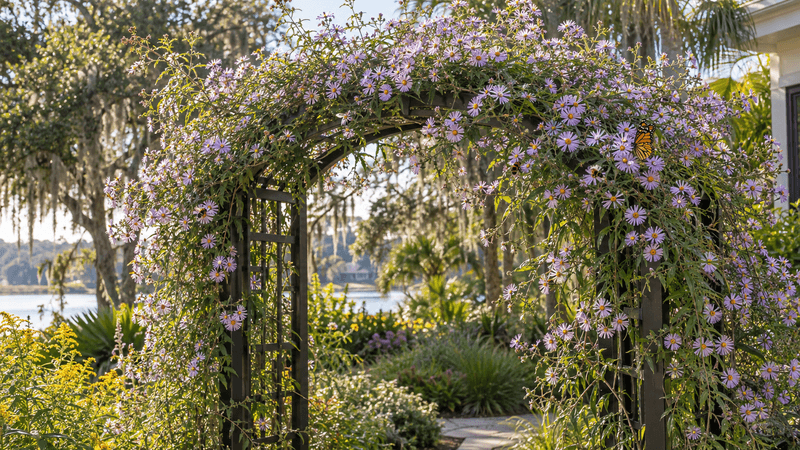
Florida weather is rough on garden structures. Heat, rain, salty air, sandy soil, and storm season can make a wooden trellis twist, split, or rot faster than expected.
The right native vine can turn that problem into a living screen that looks better each year. Here are seven Florida native vines that can cover a strong trellis, support wildlife, and keep your yard looking full with less fuss.
1. Coral Honeysuckle
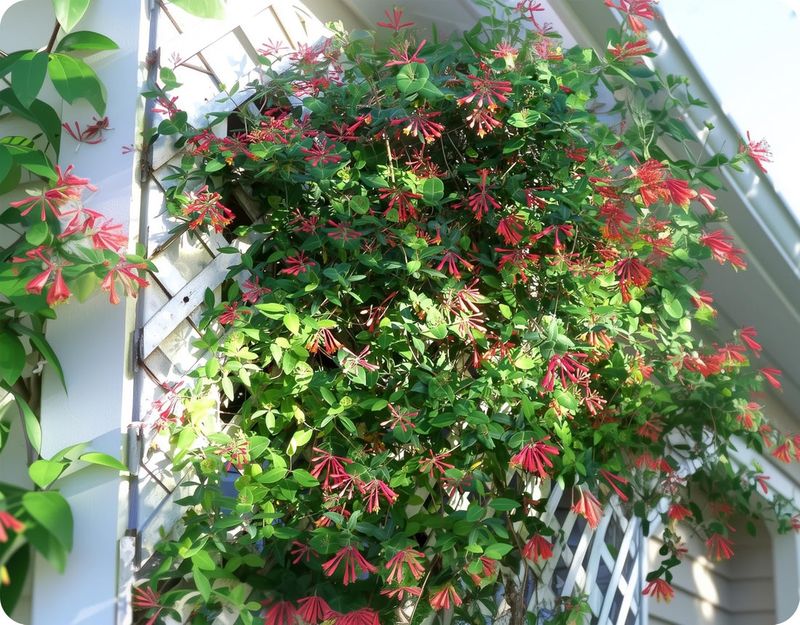
A flash of red flowers on a hot afternoon can make a plain trellis look like it belongs in a garden magazine. Coral honeysuckle, also called Lonicera sempervirens, is one of the most useful native vines for Florida homeowners who want color without planting something aggressive.
Unlike invasive Japanese honeysuckle, coral honeysuckle behaves with better manners when given a sturdy support. It twines up a trellis, fence panel, or arbor and produces tubular red to coral flowers that hummingbirds notice fast.
In much of Florida, it can bloom off and on through warm months, with the strongest show often coming in spring.
Place it where it gets full sun to part sun for the best flowering. It handles Florida heat well once established, but regular water during its first season helps it settle into sandy soil.
A light layer of pine straw or leaf mulch keeps the root zone cooler and slows moisture loss.
Coral honeysuckle earns its spot because it gives you a classic cottage-garden look without the headache of constant control. Use it near a porch, side-yard gate, or patio trellis where the flowers can be enjoyed up close and pollinators can visit safely.
2. Passionflower Vine
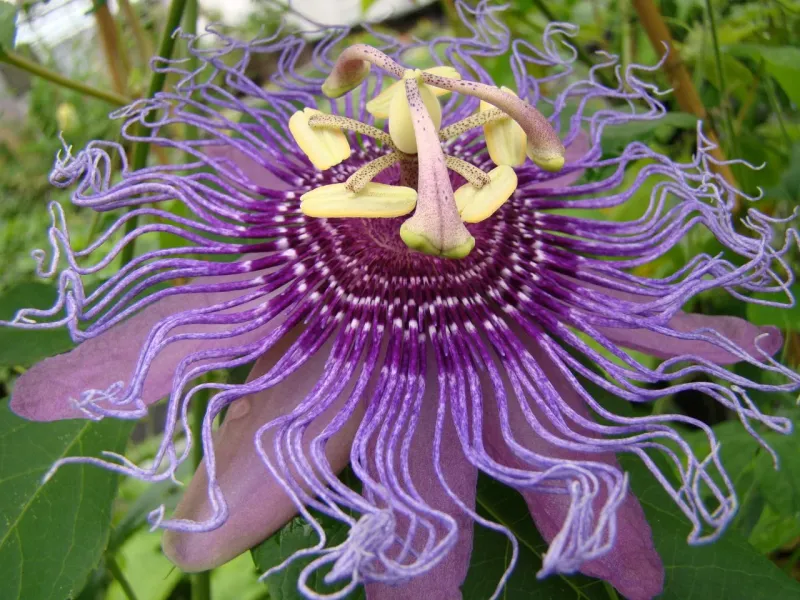
Few vines look as if they were designed by a garden artist with a wild imagination. Purple passionflower, commonly Passiflora incarnata, brings curly tendrils, bold leaves, and flowers that stop people in their tracks.
For Florida gardeners, its biggest gift is not just beauty. Passionflower is a host plant for gulf fritillary, zebra longwing, and other butterflies, which means caterpillars may chew the leaves.
That leaf damage is part of the value, especially if your goal is a yard that actually feeds local wildlife instead of only decorating the fence line.
Give passionflower a strong trellis, cattle panel, or wire support rather than a flimsy wooden lattice. It can grow with real energy during warm weather and may spread by runners, so choose a spot where a little wandering will not cause trouble.
In a small bed, remove stray shoots as they appear.
Full sun encourages the heaviest flowering, though some afternoon shade can help in very hot inland sites. Sandy soil is fine if the plant gets water while establishing.
Passionflower belongs on this list because it turns a trellis into both a flower feature and a butterfly nursery, which is a bigger payoff than shade alone.
3. Crossvine
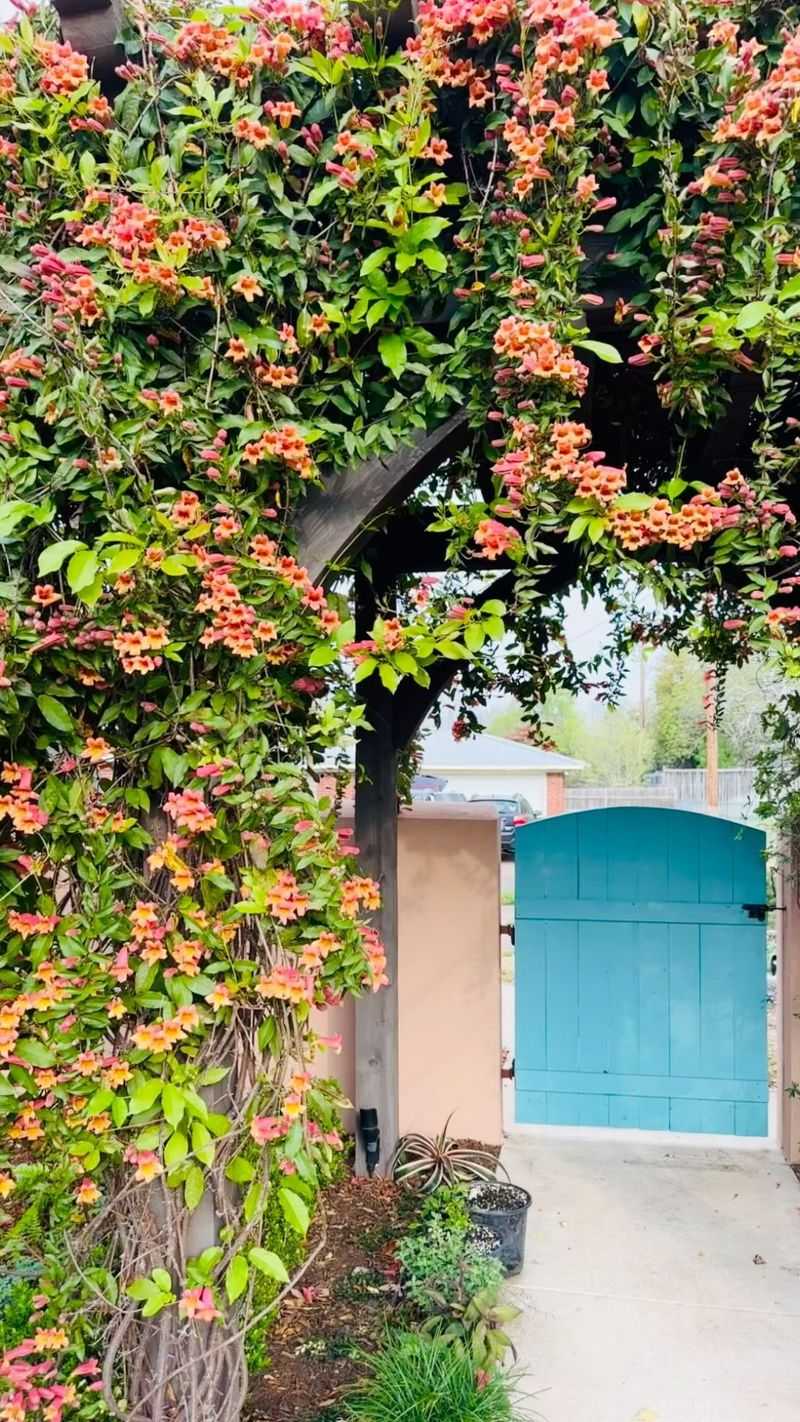
When a trellis needs a bold cover instead of a dainty accent, crossvine is ready to work. Known botanically as Bignonia capreolata, it brings trumpet-shaped orange, red-orange, or yellowish flowers that look especially good on arbors and entry structures.
Crossvine is native to parts of Florida and the Southeast, and it is better suited to larger supports than tiny decorative panels. Its climbing habit uses tendrils with adhesive tips, so it can grip well.
For home gardens, a metal arbor, pergola, or heavy fence structure is usually a smarter match than untreated wood that may rot in Florida rain.
The vine can stay semi-evergreen to evergreen in mild areas, giving it screening value beyond the bloom season. Flowers often peak in spring, just when people are refreshing patios, walkways, and front entries.
Hummingbirds are drawn to the blooms, giving the plant extra life and motion.
Crossvine prefers sun to part shade and does best with decent drainage, which many Florida yards naturally provide. It may grow vigorously once established, so occasional pruning after flowering keeps it shaped.
Pick crossvine when you want a native vine with muscle, color, and enough presence to make a plain support look permanent.
4. Carolina Jessamine
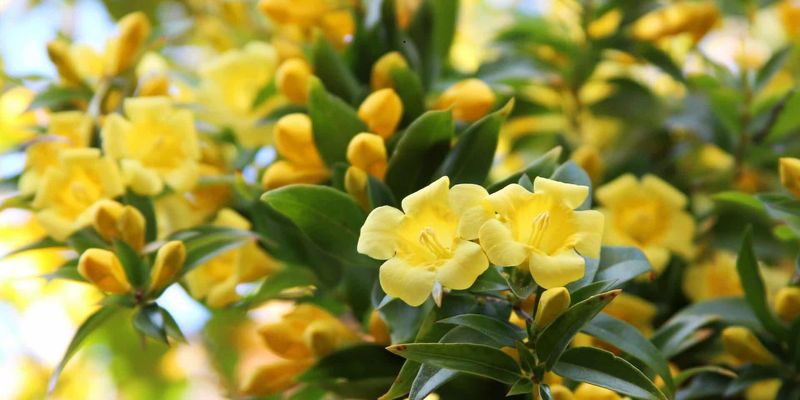
Bright yellow blooms in late winter or early spring feel like a reward after weeks of gray rain and cool fronts. Carolina jessamine, Gelsemium sempervirens, brings that cheerful color before many other vines wake up.
Gardeners often use it for porch posts, fence sections, and trellises where a softer, twining vine is needed. Its glossy leaves can provide a neat green backdrop, and the golden flowers give strong curb appeal during the season when front yards often look a little tired.
In Florida, that early bloom can make an entry feel fresh before the heavier heat arrives.
Carolina jessamine grows best in sun to part shade. More sun usually means more flowers, but light shade can still work, especially in hotter parts of the state.
Once established, it can handle typical Florida dry spells better than many thirstier ornamentals, though young plants need steady watering.
One caution matters for family yards: all parts of Carolina jessamine are toxic if eaten. Plant it where children and pets are not likely to browse, and wear gloves if your skin is sensitive.
Its reason for being on this list is simple, it delivers early color, tidy growth, and a polished trellis look without demanding constant attention.
5. Wild White Indigo Vine
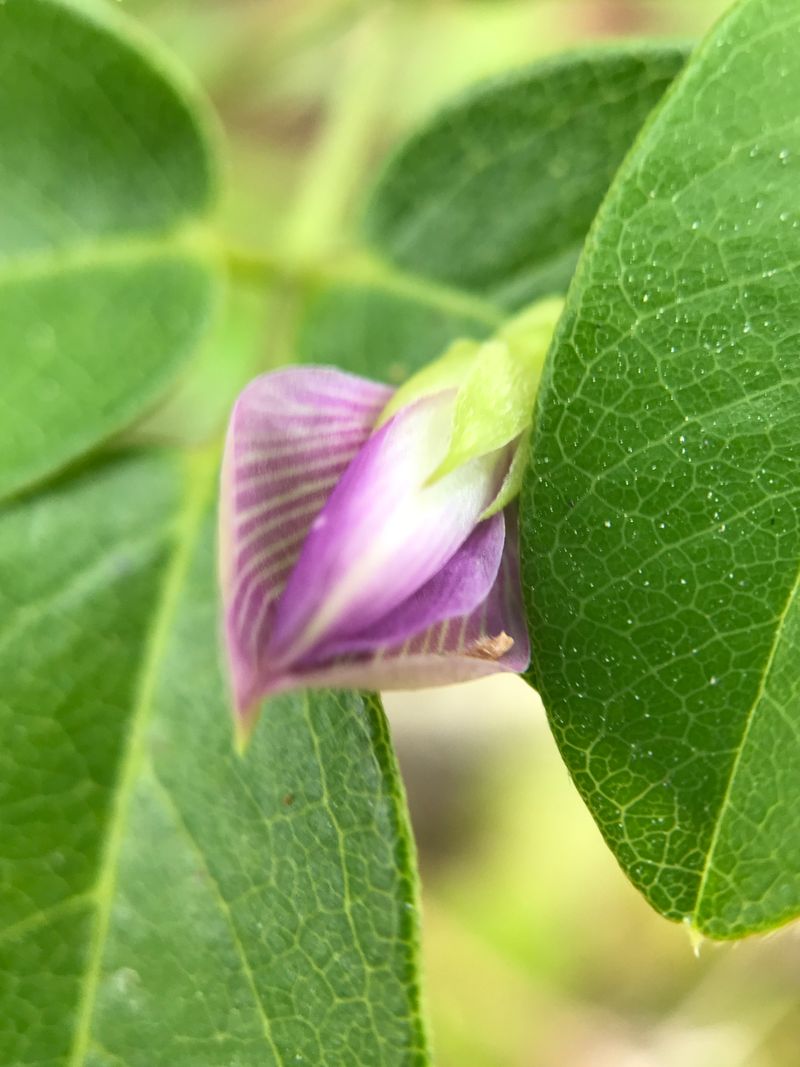
Not every trellis plant needs to shout from across the yard. Wild white indigo vine, often listed as Galactia regularis or related native Galactia species depending on location, has a quieter charm that fits relaxed native gardens.
The flowers are small, usually white to pale, pea-like, and attractive to pollinators. Its finer texture works well where a heavy vine would feel overwhelming, such as a narrow side yard, low trellis, or wildlife bed near a path.
Instead of building a dense wall overnight, it weaves through support in a more natural way.
Because native Galactia species can vary by region, Florida gardeners should check local native plant nurseries or UF-IFAS resources for the best species for their county. Many are adapted to lean, sandy soils, which makes them appealing for yards where richer garden plants struggle.
Good drainage is more important than pampering.
Wild white indigo vine stands out because it suits gardeners who want a trellis to blend into a habitat planting, not dominate it. Pair it with native grasses, blanketflower, dotted horsemint, or other sun-loving natives for a loose, meadow-like look.
It is a thoughtful choice for smaller spaces and pollinator-minded homeowners.
6. American Wisteria
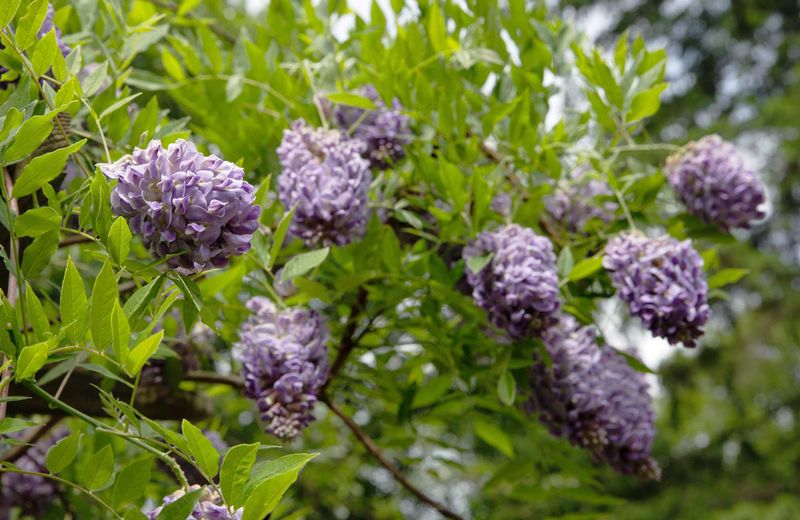
A wisteria-covered arbor sounds dreamy, but Florida gardeners need the right wisteria. American wisteria, Wisteria frutescens, is the native choice and is generally better behaved than the invasive Asian wisterias that can overwhelm trees and structures.
Its lavender to bluish-purple flower clusters are usually shorter and more compact than the huge dangling clusters seen on Asian types. That is not a drawback in a home landscape.
The native version still gives a romantic look, but it is a more responsible option for gardeners who care about nearby woods, wetlands, and fence lines.
Strength matters with this vine. Use a heavy arbor, steel trellis, or well-built pergola, because mature stems become woody and weighty over time.
Florida humidity is tough on lumber, so if you want a long-term feature, pair American wisteria with a rot-resistant or metal support from the start.
Full sun helps produce the best flowering, while pruning after bloom can keep growth from becoming tangled. It likes moist but well-drained soil and may appreciate extra water during dry stretches, especially while young.
American wisteria belongs here for gardeners who want classic Southern romance without planting a known landscape bully.
7. Climbing Aster
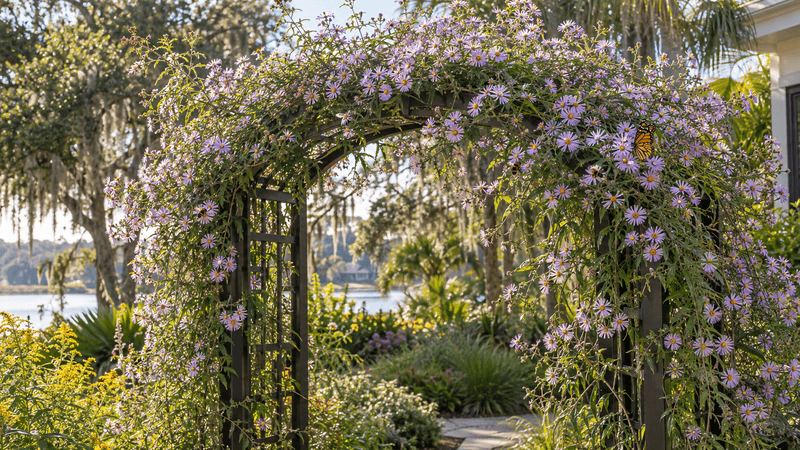
Just when many summer flowers start looking tired, climbing aster steps in with a late-season surprise. Also known as Ampelaster carolinianus, this Florida native brings lavender-pink, daisy-like blooms that can brighten a trellis in fall.
Its timing is the real reason to grow it. Many homeowners refresh their yards for cooler evenings, porch sitting, and fall gatherings, and climbing aster offers color when spring bloomers are long finished.
Bees and butterflies use the flowers too, which helps keep a wildlife garden active later in the year.
Climbing aster is naturally found in moist places, so it is a smart candidate for rain garden edges, low spots, pond borders, or areas that stay damp after storms. In dry, sandy yards, it will need more attention and irrigation than tougher upland vines.
Give it room, because it can sprawl and scramble if not guided onto support.
A tall trellis, fence, or open metal panel lets the stems lean and weave without looking messy. Prune as needed to keep paths clear and shape growth after flowering.
Choose climbing aster when your garden needs fall color, pollinator value, and a native vine that does not look like the same old spring-flowering pick everyone else planted.