
A butterfly cannot visit flowers that are not there yet. Planting Florida native wildflowers in fall gives their roots time to settle before spring brings fresh growth and hungry visitors.
These seven picks offer different colors, shapes, and places to land, from sunny borders to low-growing patches of lawn. Choose the ones that fit your yard, and you can make a flower bed that looks good while helping local butterflies.
1. Lanceleaf Tickseed
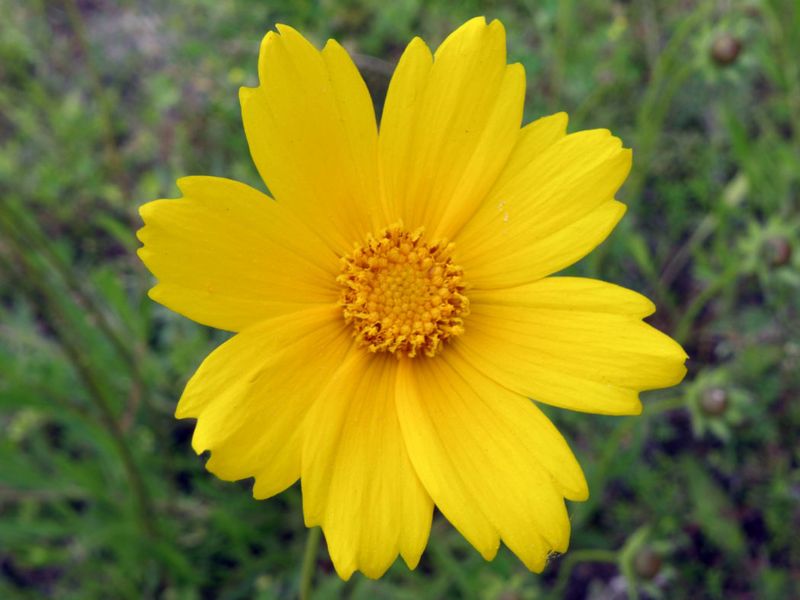
Need a cheerful flower for the front of a sunny bed? Lanceleaf tickseed, or Coreopsis lanceolata, brings bright yellow blooms on slender stems without hiding the plants behind it.
Its open flower heads give butterflies an easy place to land and reach nectar, while the fine foliage keeps the planting looking light.
Give it full sun and soil that drains well. That makes it a useful choice for many Florida yards with sandy ground, though a young plant still needs regular water while its roots spread.
Set out nursery-grown plants in fall, water them through dry spells, and leave space around each one for air to move. Check the plant tag for the species name, since garden centers also sell other plants labeled coreopsis.
Blooms often begin in spring, making this one of the clearest choices for the first warm days of butterfly activity. Snip off spent flowers if you want a tidier border, or leave some seed heads for wildlife.
Plant several together rather than scattering single plants across the yard. The patch of yellow will show up from the porch, and a passing butterfly has a better chance of finding it.
2. Blanketflower
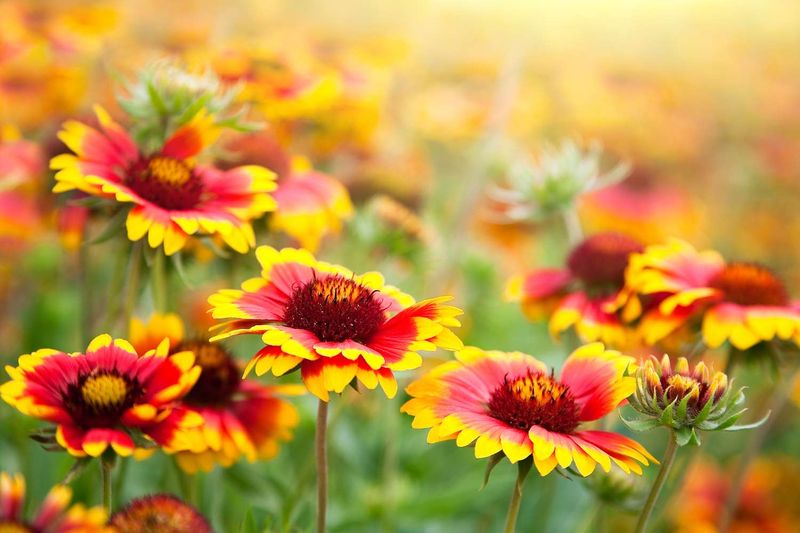
Some flowers look as if they brought their own sunshine. Blanketflower, Gaillardia pulchella, mixes red and gold on daisy-like blooms that stand out along a walkway or beside a mailbox.
Butterflies can land on the broad flower heads, and the bold color gives a plain, sandy spot an instant lift.
Pick the driest, sunniest part of the bed for this one. Blanketflower suits well-drained soil and can handle coastal conditions better than many fussier garden flowers, but it does not want roots sitting in water after a storm.
If a low area stays soggy, save that space for a different plant. Fall-planted transplants need water while they settle in; established plants generally need less attention in a suitable site.
Blanketflower can bloom for a long stretch in Florida, though its timing varies with weather and location. Removing faded blooms helps keep a small front-yard planting neat, while leaving a few to set seed gives the bed a looser look.
Use a group of three or more near a path where you can enjoy the flowers up close. Its special strength is visible color in a hot, exposed place that might leave softer plants looking worn out.
3. Spotted Beebalm
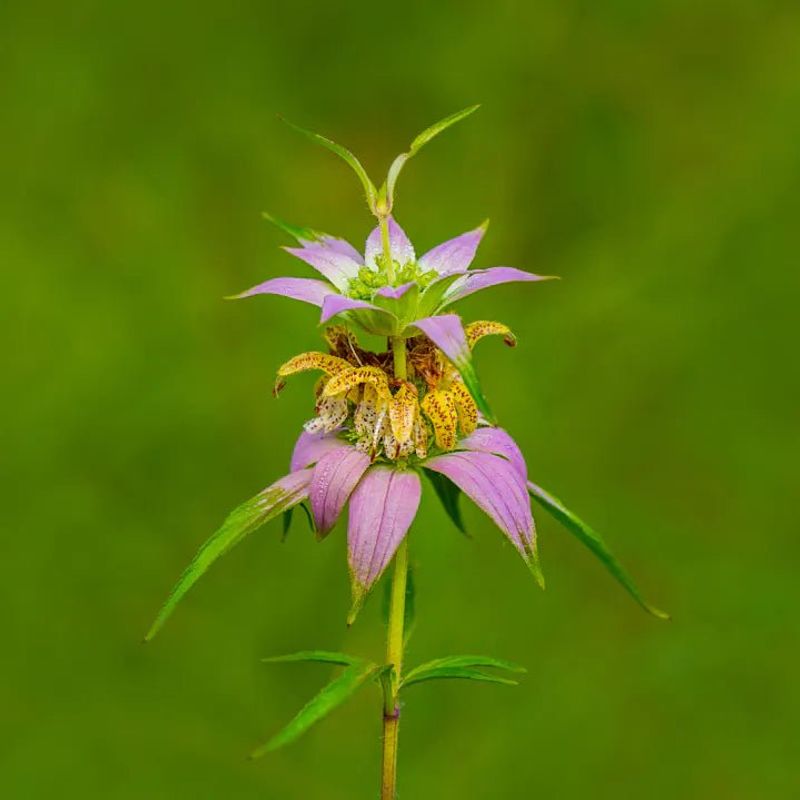
At first glance, spotted beebalm looks like someone stacked tiny flower crowns up each stem. Monarda punctata has pale, purple-spotted flowers surrounded by showy pinkish or cream bracts.
That unusual shape adds texture beside simpler daisies, and its blooms draw butterflies and other pollinators.
Place it in full sun or light shade with well-drained soil. It is a smart match for a natural-looking Florida border where the ground dries quickly, not a bed that stays wet after heavy rain.
Fall planting gives a nursery-grown plant time to establish before warmer weather pushes new growth. Water during its first dry stretches, then watch how quickly the soil drains before watering again.
Spotted beebalm is not your main source of early-spring flowers. It earns its space by extending the nectar menu later in the growing season, after the first spring display begins to fade.
Let some stems stand after flowering for a wilder look, or cut them back if the bed is close to an entry. Its layered blooms are worth placing where you can see them from a chair, not just from the street.
Pair it with an earlier bloomer so butterflies find flowers across more of the year.
4. Tropical Sage
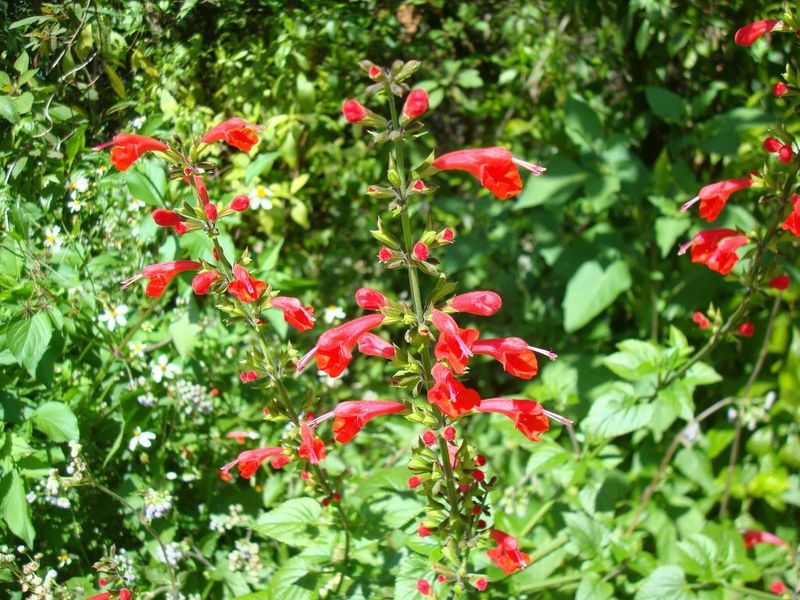
A gap between taller flowers and low edging plants can be hard to fill. Tropical sage, Salvia coccinea, fits that middle space with loose stems and small tubular blooms.
Red forms are familiar, but nursery plants may also have pink or white flowers. Butterflies visit the blooms, and hummingbirds may stop by too.
Give tropical sage sun to partial shade and soil that drains reasonably well. It is especially handy where a fence or tree lets in part-day light but blocks the strongest afternoon sun.
In Florida, it may bloom through much of the warm season, with the exact schedule depending on your location and winter weather. A fall transplant can grow roots during milder months, though plants in frost-prone parts of the state may die back after a cold night.
For a fuller display, plant a small group and pinch back leggy stems as growth picks up. Water new plants when the soil starts to dry, and avoid crowding them against a wall where air cannot circulate.
Tropical sage may reseed, so pull seedlings where you do not want them and keep the volunteers you like. Its strength is flexibility: it softens a tidy border without asking for the wide-open, baking-hot spot that some other wildflowers need.
5. Butterfly Weed
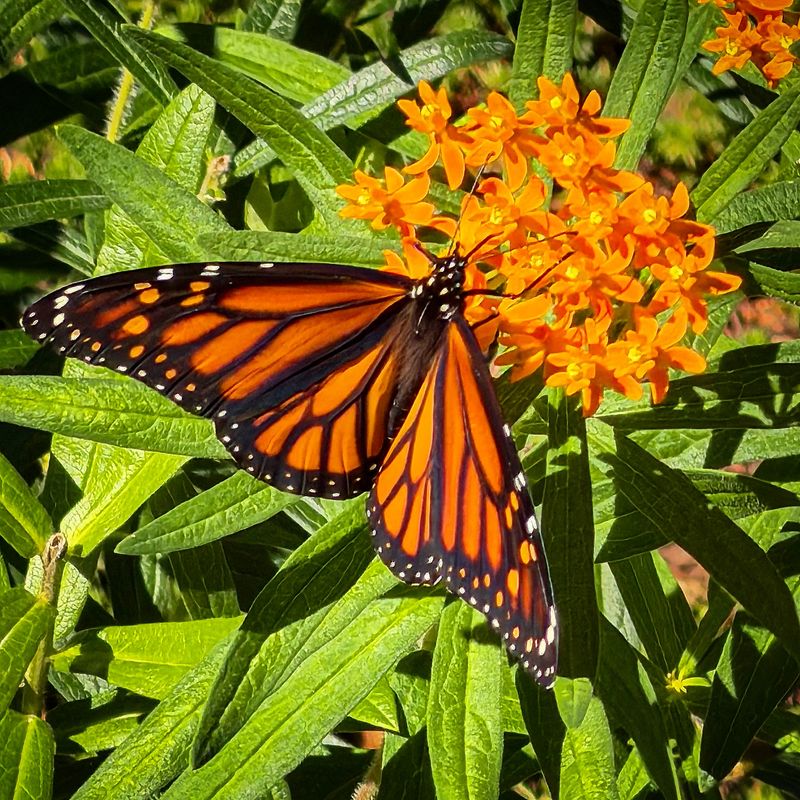
Orange clusters make butterfly weed hard to miss, but the bigger story may be happening on its leaves. Asclepias tuberosa is a native milkweed that can serve as a host plant for monarch caterpillars.
Adult butterflies can use its flowers for nectar, while monarchs may lay eggs on the foliage. Chewed leaves are a sign the plant is doing more than decorating the bed.
Choose a sunny spot with excellent drainage, and buy a plant grown from Florida-appropriate native stock when possible. Butterfly weed develops a deep root, so give it a permanent place rather than planning to move it later.
A fall planting allows time for roots to settle, but keep the crown from sitting in soggy mulch or wet soil. If your yard floods after storms, a raised, freely draining spot is a better bet.
Be patient in spring: butterfly weed can be slow to reappear after winter, particularly in cooler parts of Florida. Mark its location so you do not dig into it while preparing the bed.
Skip insecticides on this and nearby butterfly plants, since caterpillars need the leaves and visiting insects need safe flowers. Butterfly weed offers a payoff that a nectar-only planting cannot: a chance to support part of a monarch’s life cycle right in your yard.
6. Blue-Eyed Grass
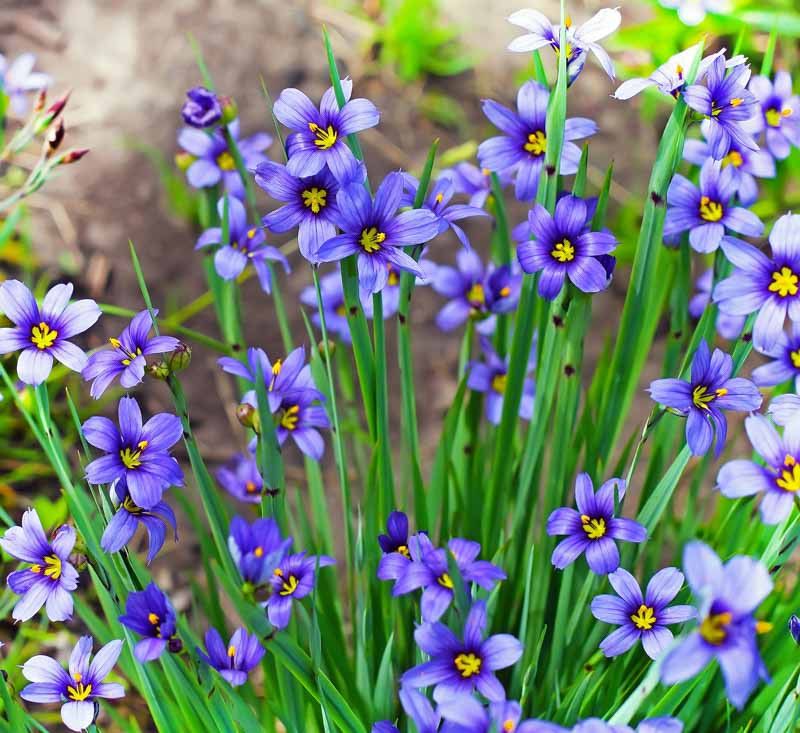
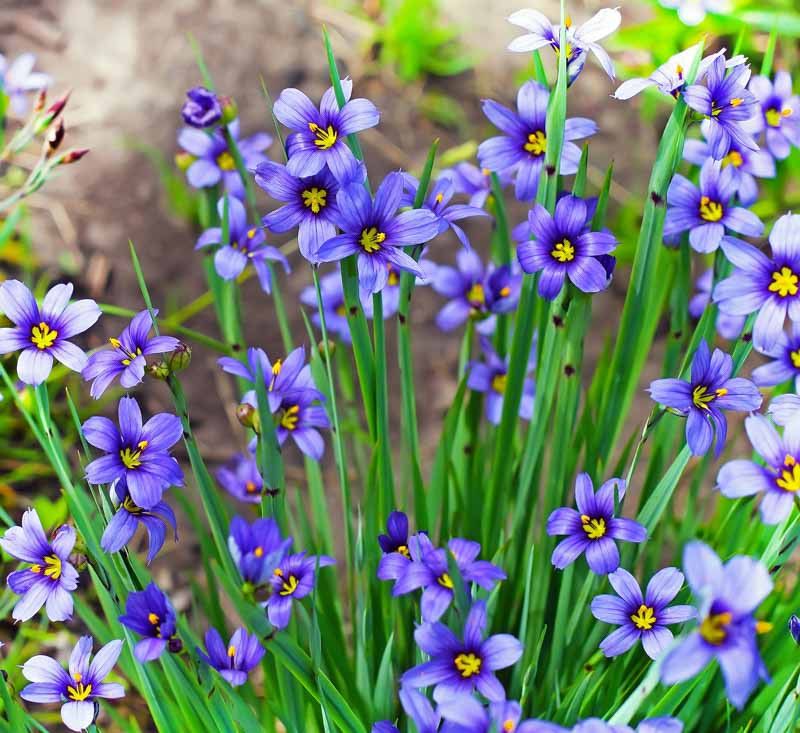
Look closely at the edge of a spring flower bed and you might spot little blue stars above grasslike leaves. Blue-eyed grass, Sisyrinchium angustifolium, is not a true grass, and its small blooms reward anyone willing to slow down for a better look.
It offers a gentler kind of spring color than the big, bright daisies elsewhere on this list.
Use it along a path, at the front of a border, or in a pocket between larger plants where its flowers will not disappear from view. A site with sun to light shade and soil that stays somewhat moist but drains is a better fit than a bone-dry sand patch.
Conditions vary across Florida, so choose locally grown plants and match them to the moisture in your own yard. Set transplants out in fall and water during dry periods while they establish.
Small butterflies and other pollinators can visit the flowers, though one tiny plant will not provide the same display as a wide drift. Group several together for a clearer patch of color and a more useful landing area.
After flowering, the narrow leaves blend quietly into the bed instead of demanding attention. Blue-eyed grass is the pick for gardeners who want spring blooms near a walkway without adding a tall plant that spills over it.
7. Frogfruit
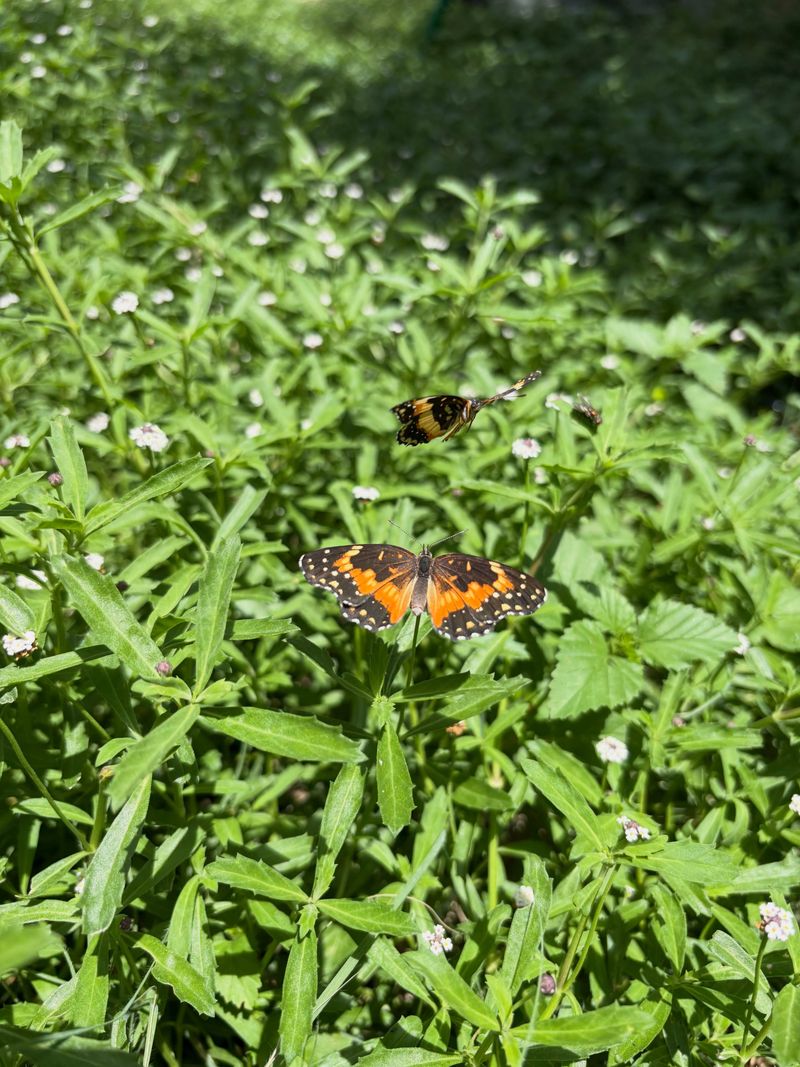
Not every butterfly planting has to stand upright. Frogfruit, Phyla nodiflora, spreads low across the ground and dots its leaves with tiny flower heads.
That makes it useful beside stepping stones or along the edge of a larger flower bed, where bare soil would otherwise invite weeds. Its flowers provide nectar, and the plant also serves as a host for several Florida butterflies, including the phaon crescent and white peacock.
Give frogfruit room to spread in sun or partial shade. It can handle a range of Florida yard conditions once established, but it will look better with water during long dry spells.
Plant small starts in fall, keep them watered while they root, and weed around them until they join into a patch. Check the planting area first: a low grower is useful between taller plants, but it may wander into spots you want to keep sharply edged.
Frogfruit’s spring flowers are easy to miss from the street. Up close, though, they turn an ordinary strip of ground into a place where small butterflies can feed.
It tolerates some foot traffic, but stepping stones are wise along a busy route. Choose it when you want to replace a thin piece of lawn or cover exposed soil while making more room for butterfly activity.