
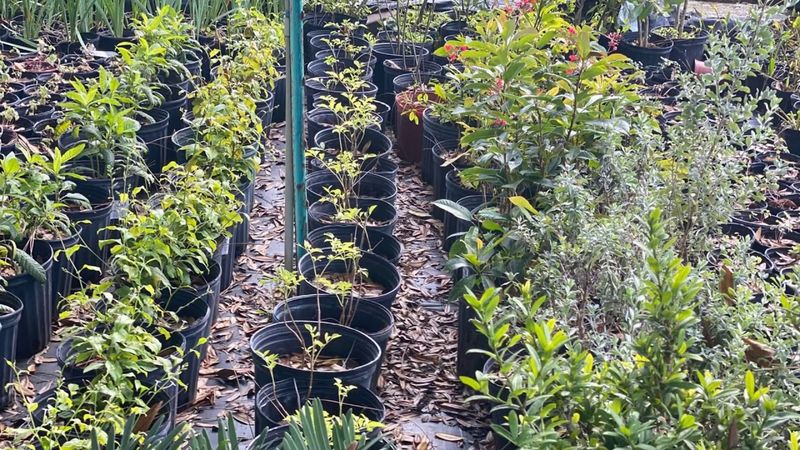
Butterflies need more than pretty flowers. Their caterpillars need the right host plants, and many of those plants never show up on the racks at big garden centers.
Florida has small native nurseries that grow the milkweeds, vines, shrubs, and wildflowers that actually feed the next generation. If you want more monarchs, zebra longwings, swallowtails, and sulfurs in your yard, these are the kinds of places worth knowing.
Green Isle Gardens
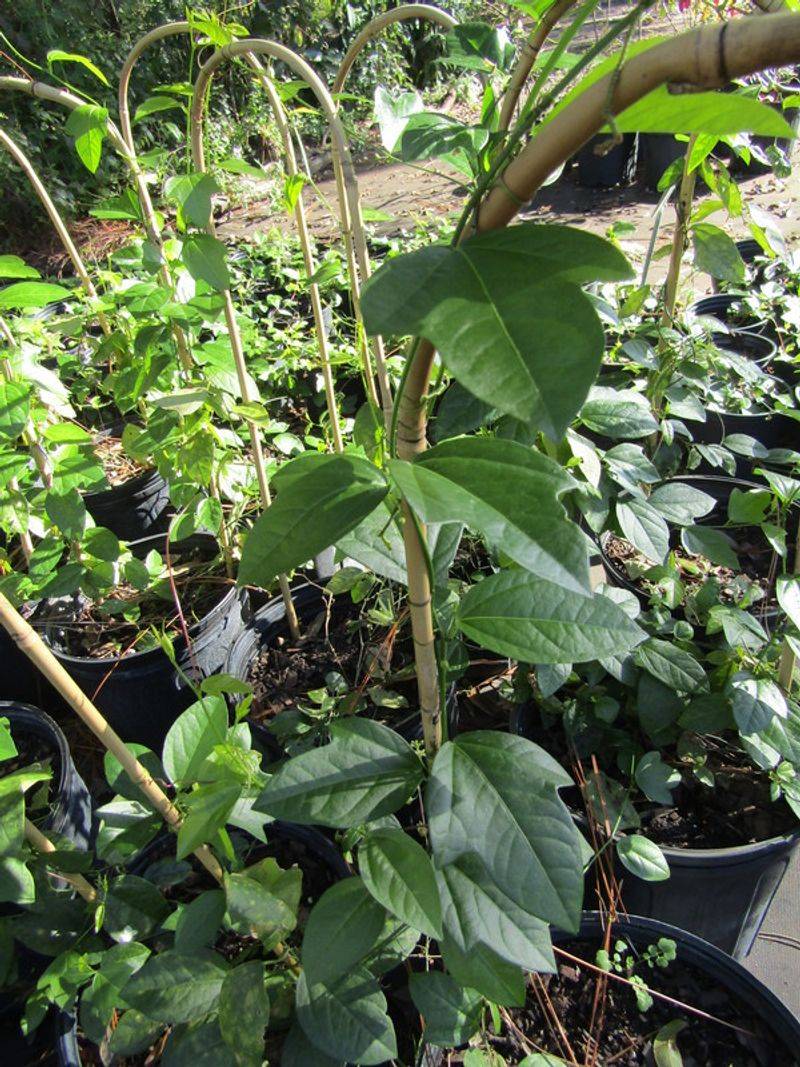
A good butterfly garden often starts with one problem: the plant you need is not sitting beside the petunias at a big box store. Green Isle Gardens in Groveland has built its reputation around Florida native plants, which makes it a strong stop for gardeners hunting real host plants instead of quick color.
For butterfly gardeners, the appeal is the range. You can often look for plants such as coontie for atala butterflies, native milkweeds for monarchs and queens, passionvine for gulf fritillaries and zebra longwings, and native wildflowers that support adult butterflies after the caterpillars are done feeding.
Central Florida gardeners also get advice that fits local soil and weather. Sandy ground, hot afternoons, and sudden summer rain are normal here, so plant choices need to be tougher than a pretty tag suggests.
Green Isle is especially useful if you are building a whole habitat bed, not just adding one butterfly plant. Pair host plants with nectar plants, skip broad insecticides, and give caterpillars permission to chew.
That eaten leaf is not damage in a butterfly garden, it is proof the plant is doing its job.
Wilcox Nursery and Landscape
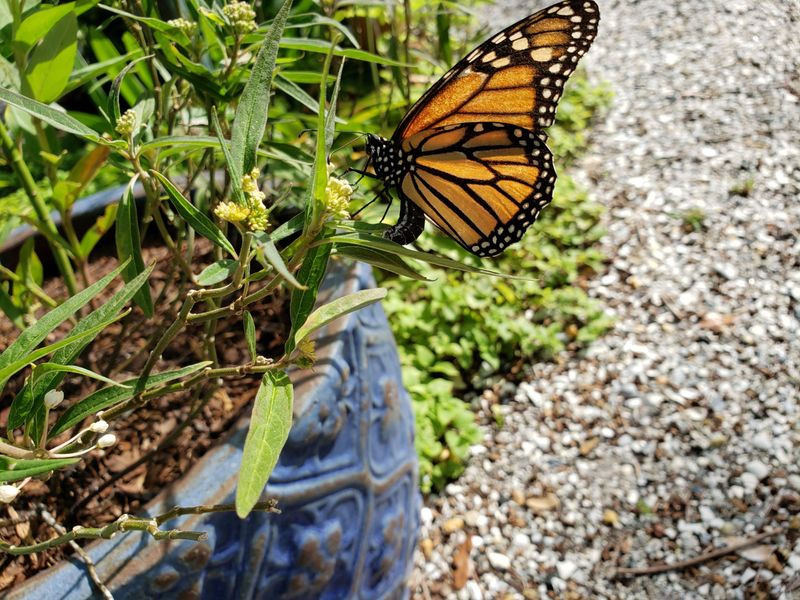
Along the Gulf Coast, many yards have salty air, sandy soil, and heat that can make tender plants sulk by noon. Wilcox Nursery and Landscape in Largo stands out because it focuses heavily on Florida native and Florida-friendly plants suited to Pinellas County and nearby coastal neighborhoods.
Butterfly gardeners come here for the practical stuff big garden centers usually miss. Host plants such as coontie, passionflower vines, native milkweeds, and pipevines are the backbone of a working butterfly yard.
Nectar flowers bring adults in, but host plants convince them to stay and lay eggs.
The nursery is also helpful for gardeners with smaller lots. A host plant does not have to live in a giant meadow.
Coontie can fit into a front foundation bed, passionvine can climb a trellis, and native milkweed can tuck into a sunny border where you can watch caterpillars up close.
Wilcox is a smart pick for people who want a polished yard that still supports wildlife. Ask about mature size, sun exposure, and which plants may spread, especially if you garden near patios, fences, or walkways.
Sweet Bay Nursery
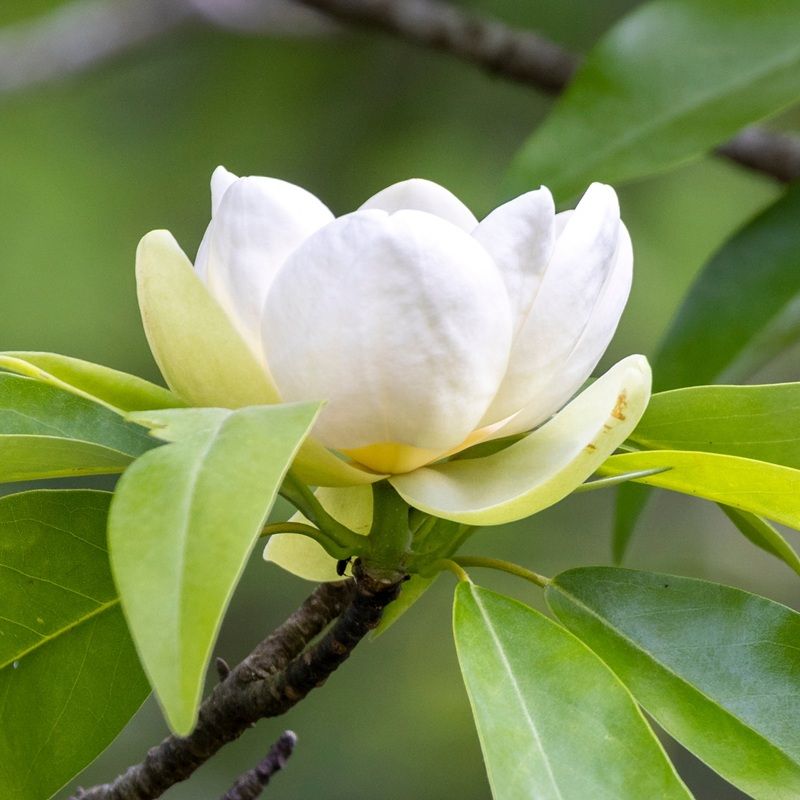
Some nurseries seem designed for people who read plant tags twice and still have three more questions. Sweet Bay Nursery in Parrish is one of them, serving Southwest Florida gardeners who want native plants with a clear purpose.
The nursery is well known for Florida native trees, shrubs, grasses, and wildflowers, but butterfly gardeners should pay close attention to the host plant options. Depending on availability, you may find coontie, passionvines, milkweeds, cassias or sennas for sulfur butterflies, and native shrubs that help create a layered habitat.
That layering matters in Florida yards. A sunny strip near the driveway can hold milkweed and nectar flowers, while a partly shaded edge may suit certain vines or understory plants.
A mix of heights also makes the garden look intentional instead of messy.
Sweet Bay is especially useful for gardeners who want to tie butterfly planting into a larger native landscape plan. If your goal is less mowing, more life, and plants that can handle Florida rain swings, start with host plants and build outward.
Caterpillars are picky eaters, but your design does not have to look wild to feed them well.
Chiappini Farm Native Nursery
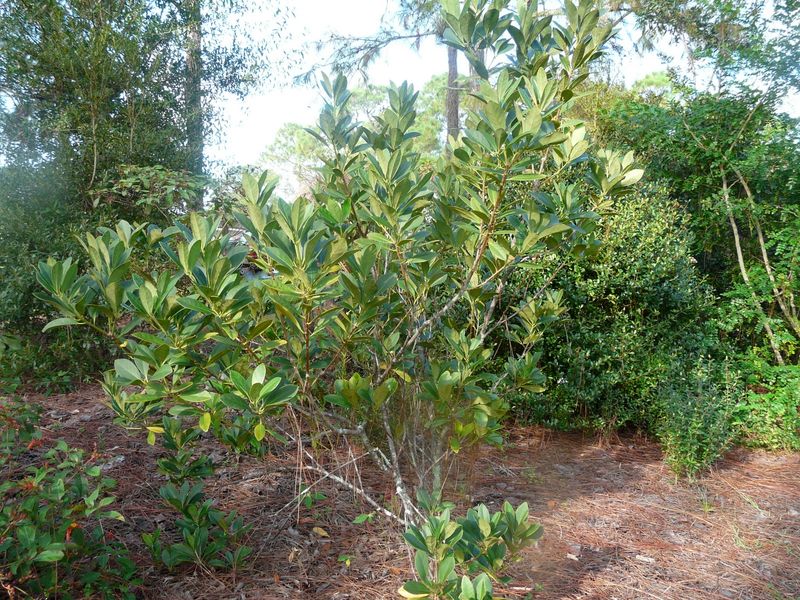
Old Florida still has pockets where the plant selection feels closer to the land than to a shipping warehouse. Chiappini Farm Native Nursery in Melrose fits that feeling, with a focus on native species for North and Central Florida landscapes.
For butterfly host plants, a nursery like this is useful because it often carries the less flashy plants that caterpillars actually need. Gardeners may look for native milkweeds, pipevines, passionvines, sennas, and other regional natives that support local butterfly life cycles.
Availability can change by season, so calling ahead is a smart move.
North Florida gardeners have different conditions than Miami or Naples gardeners. Cooler winter nights, sandy soil, piney woods, and dry spells all shape what survives with low fuss.
Buying from a nursery rooted in the region can help you avoid plants that look good for a month and then fade.
Chiappini Farm is a good match for gardeners who want a more natural backyard edge, a pollinator patch near a vegetable garden, or a wildlife strip along a fence. Do not be surprised if the best host plant on the bench looks plain.
Caterpillars rarely care about curb appeal, but butterflies will find the right leaves.
All Native Garden Center and Plant Nursery
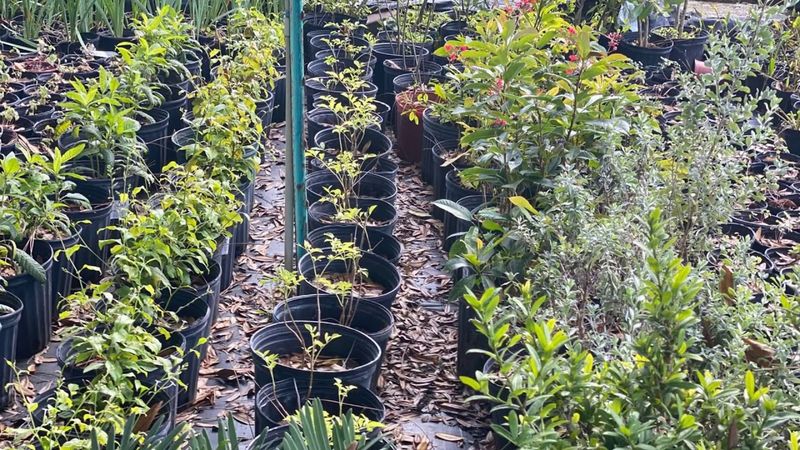
Southwest Florida gardeners know the rules can change fast. One yard floods after a storm, another dries out like beach sand, and both may sit under punishing sun.
All Native Garden Center and Plant Nursery in Fort Myers is useful because its plant list is built for Florida, not for a generic national garden aisle.
Butterfly host plants are where a native nursery really earns its space. In the Fort Myers area, gardeners may seek coontie for atalas, wild lime or other citrus relatives for giant swallowtails, native milkweeds for monarchs, passionvines for fritillaries and zebra longwings, and sennas for cloudless sulfurs.
A fun detail for newer gardeners: some of the best swallowtail host plants are not showy flowers. Wild lime, for example, can look like a thorny little shrub, but giant swallowtail caterpillars treat plants in the citrus family as home base.
All Native is a strong option if you want a wildlife garden that still makes sense in a tidy neighborhood. Use host plants in groups, place chew-prone plants where leaf damage will not bother you, and add nectar sources nearby so adult butterflies have a reason to keep circling back.
Hawthorn Hill Native Wildflowers
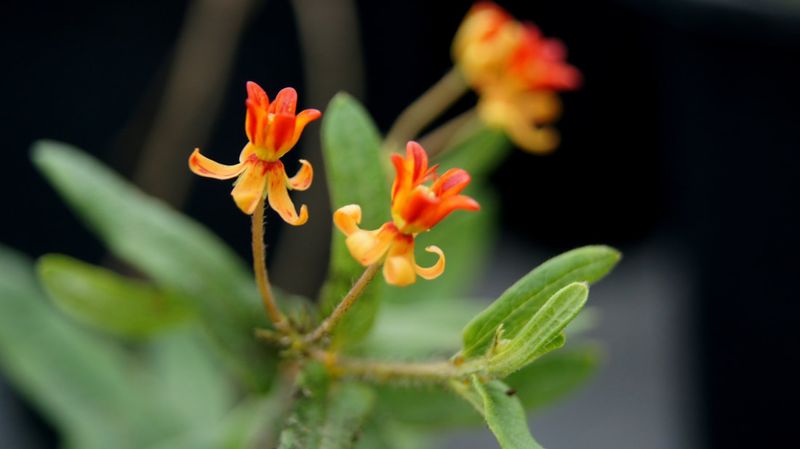
Wildflower growers often understand something the average flower display hides: a butterfly garden should look busy because it is busy. Hawthorn Hill Native Wildflowers, based in Florida, is a source worth watching for gardeners who want host plants mixed with the nectar plants that keep a habitat buzzing.
Native wildflowers can do more than add color. Plants such as partridge pea and other legumes support certain sulfur butterflies, while milkweeds support monarchs and queens.
Passionvines, when available, bring in gulf fritillaries and zebra longwings, two butterflies that make a Florida garden feel instantly alive.
This kind of nursery is especially helpful for gardeners converting lawn edges or sunny open beds. Instead of planting one lonely milkweed in mulch, you can build a small patch with grasses, wildflowers, vines on supports, and nectar plants that bloom across different months.
Florida weather rewards diversity. A dry spell may slow one plant while another keeps going, and a storm may knock back tall stems but leave low growers ready to rebound.
Ask what is currently in production, then plan in clusters so caterpillars have enough food once eggs start appearing.
Maple Street Natives
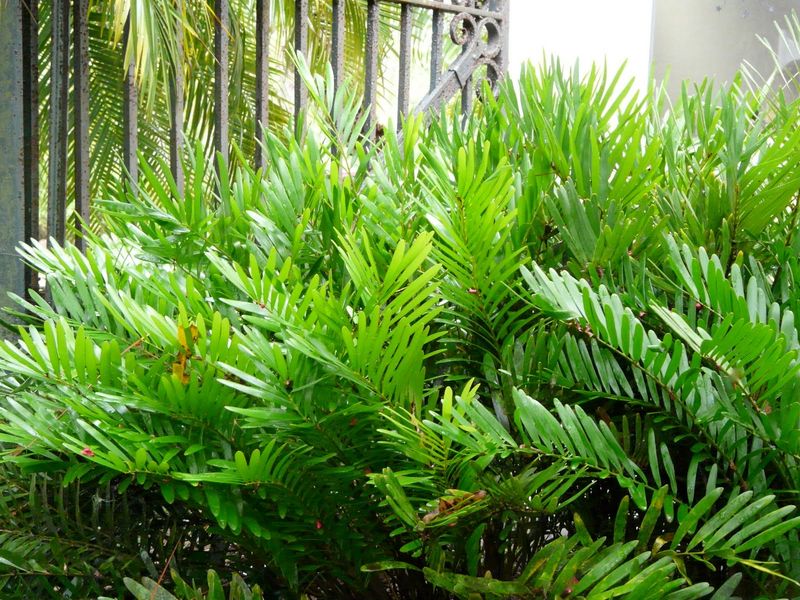
On Florida’s Space Coast, yards can be windy, sandy, sunny, and salty all in the same week. Maple Street Natives in Melbourne serves gardeners who need native plants that can cope with those real conditions while supporting local wildlife.
For butterfly lovers, the nursery belongs on the list because it helps bridge the gap between ecological planting and everyday home landscaping. Look for host plants such as coontie, native milkweed, passionflower vines, and senna or cassia relatives when available.
Those plants feed caterpillars that big garden centers usually ignore because chewed leaves do not sell as easily as fresh blooms.
Coontie is a standout choice for many Florida yards. It is tough, low-growing, and useful in foundation beds, but it also supports the atala butterfly where that butterfly is present.
That is the kind of double-duty plant homeowners need: good-looking structure plus wildlife value.
Maple Street Natives is a practical stop if you want a butterfly garden that does not feel like a high-maintenance project. Start with one sunny bed, group host plants by type, add nectar flowers nearby, and keep pesticides away from caterpillar zones.
The payoff is simple: more butterflies using your yard, not just passing through it.