
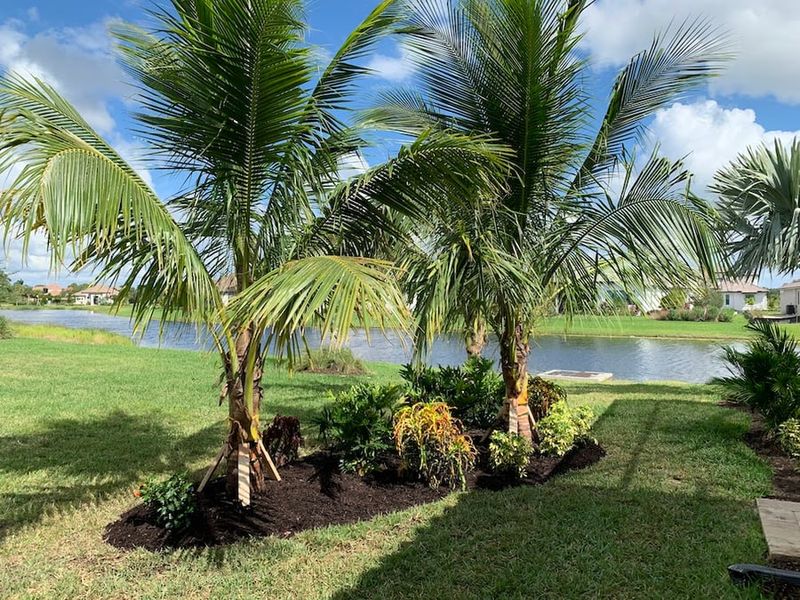
Florida palms can look tough, but bad pruning can leave them weak at the worst possible time. Right before hurricane season, every cut matters because palms need healthy fronds, a strong crown, and stored energy to handle wind and stress.
The good news is that most pruning mistakes are easy to avoid once you know what to look for. Here are seven common habits that can make palms more vulnerable in Florida yards.
1. Removing Green Fronds for a Cleaner Look
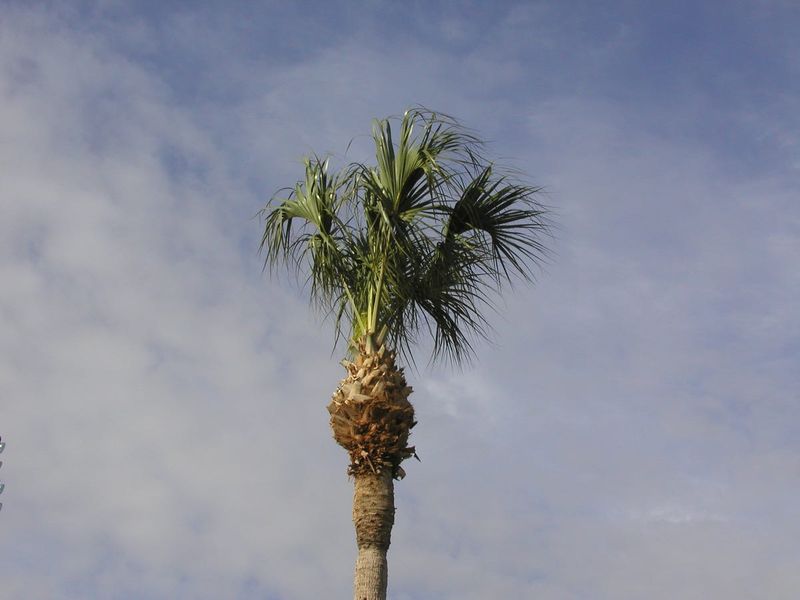
A freshly trimmed palm can feel like a win when the yard suddenly looks neat. The trouble starts when healthy green fronds are removed just to create a tidy, skinny crown.
Green fronds are not decoration. They are the palm’s food-making system, helping the tree turn sunlight into energy it needs for roots, new growth, and stress recovery after wind, salt spray, or flooding.
In Florida, palms already deal with heat, sandy soil, fast drainage, and seasonal storms. Cutting away working fronds right before hurricane season reduces the tree’s energy supply at a time when it needs reserves most.
A safer rule is simple: remove dead, broken, hanging, or clearly dying fronds, but leave healthy green ones alone. UF-IFAS guidance often stresses avoiding excessive pruning because palms depend on their leaves more than many homeowners realize.
If a green frond is in the way of a walkway or roofline, look closely before cutting. Sometimes tying it back temporarily, trimming only a damaged section, or waiting until it naturally declines is better than taking off the whole frond.
2. Creating a Hurricane Cut
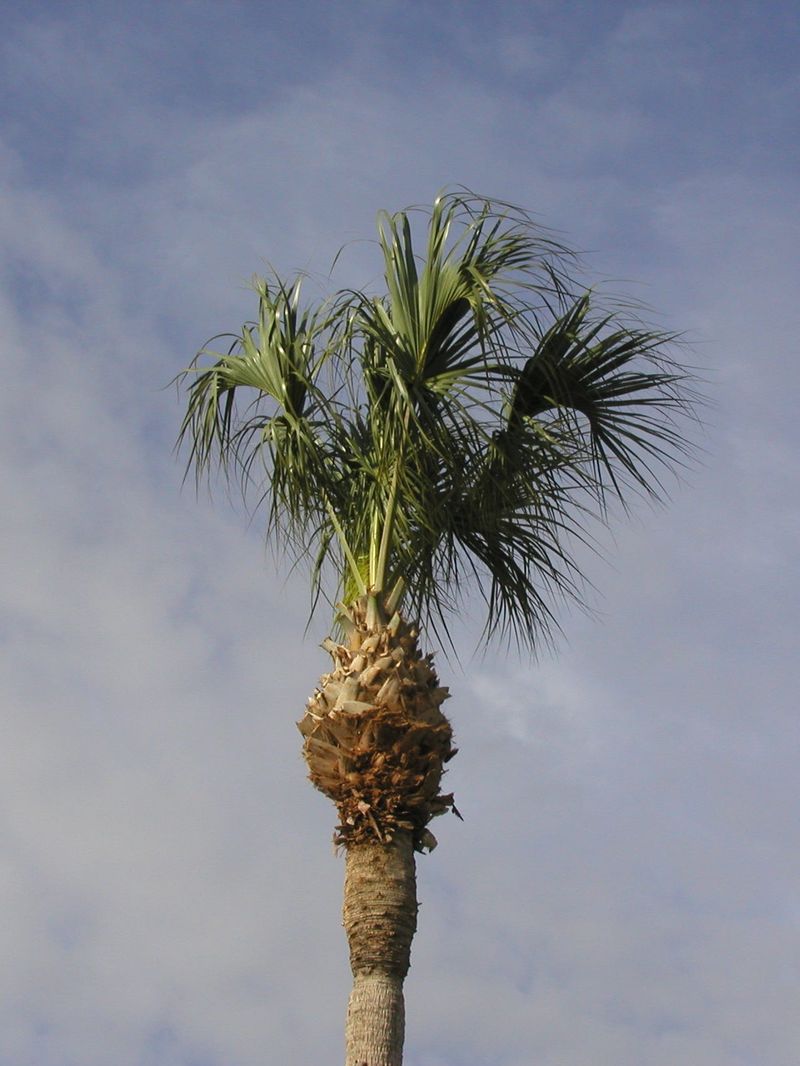
The so-called hurricane cut has fooled plenty of Florida homeowners because the name sounds practical. It usually means removing most of the fronds and leaving only a small spear-like tuft at the top.
That look may seem wind-ready, but it often does the opposite of what people expect. Palms are built to bend and shed wind through a full, flexible crown, not to stand like a stripped pole with a stressed growing point.
Over-pruned palms can lose stored nutrients, shade for the trunk and crown, and some of their ability to recover after rough weather. For species like sabal palms, queen palms, and many common landscape palms, severe pruning can create a long recovery period that shows up as thin growth, yellowing, or weak new fronds.
Think of a healthy palm crown like storm gear, not extra baggage. The fronds move, flex, and help the tree function through Florida’s long warm season.
Before hurricane season, focus on risk reduction rather than appearance. Remove loose boots if they detach easily, dead hanging fronds, and fruit stalks where appropriate, but avoid stripping the canopy into a narrow plume.
3. Cutting Fronds Above the 9 and 3 Line
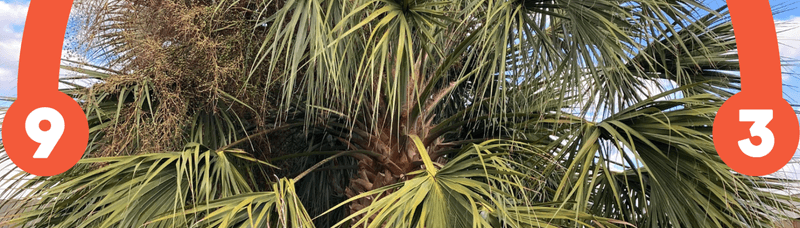
Picture the palm crown as a clock face for one minute. If you are cutting healthy fronds above the 9 o’clock and 3 o’clock positions, the pruning is probably too aggressive.
That clock trick is an easy way for homeowners to spot bad cuts before they happen. A palm should not end up looking like a feather duster, paintbrush, or upside-down broom after a maintenance visit.
Fronds growing sideways and upward are usually still doing valuable work, even if they make the crown look less formal. Removing them can expose tender crown tissue to more sun, reduce photosynthesis, and make nutrient problems more visible in Florida’s sandy soils.
The lower, brown, drooping fronds are the usual candidates for removal. Yellowing fronds are trickier because they may still be moving nutrients back into the palm, especially potassium and magnesium, which are common concerns in Florida landscapes.
If you hire a crew, tell them ahead of time that you want a conservative prune. Clear instructions help prevent the fast, high-and-tight trim that looks dramatic on day one but can weaken the palm before storm winds arrive.
4. Pruning Too Close to the Trunk
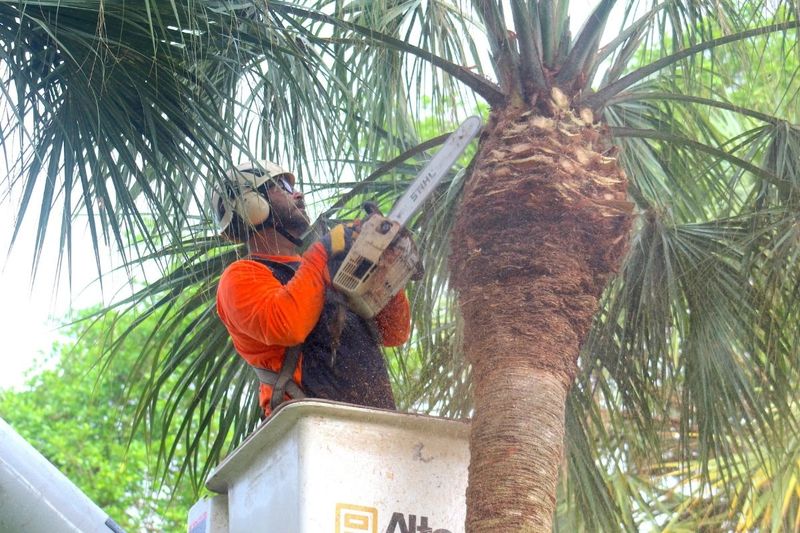
One careless swipe near the trunk can leave a scar that lasts for years. Unlike many broadleaf trees, palms do not seal wounds in the same forgiving way, so cuts into living trunk tissue can become permanent weak spots.
Flush-cutting fronds right against the trunk is a common mistake, especially when someone wants a smooth, manicured look. The safer approach is to cut the frond stem cleanly without slicing into the trunk or crown area.
Those old leaf bases, often called boots, are part of the palm’s natural look on many species. Some eventually loosen and fall on their own, while others remain attached for a long time.
Trying to pry, shave, or peel them off can injure the trunk and open entry points for pests or decay organisms. In storm season, any damaged tissue adds one more stress factor to a tree already facing wind, heavy rain, and saturated soil.
Use sharp, clean tools and give the trunk a little breathing room. If you are not sure where the safe cutting point is, stop short rather than chasing a perfectly smooth trunk.
5. Ignoring Nutrient-Stressed Fronds
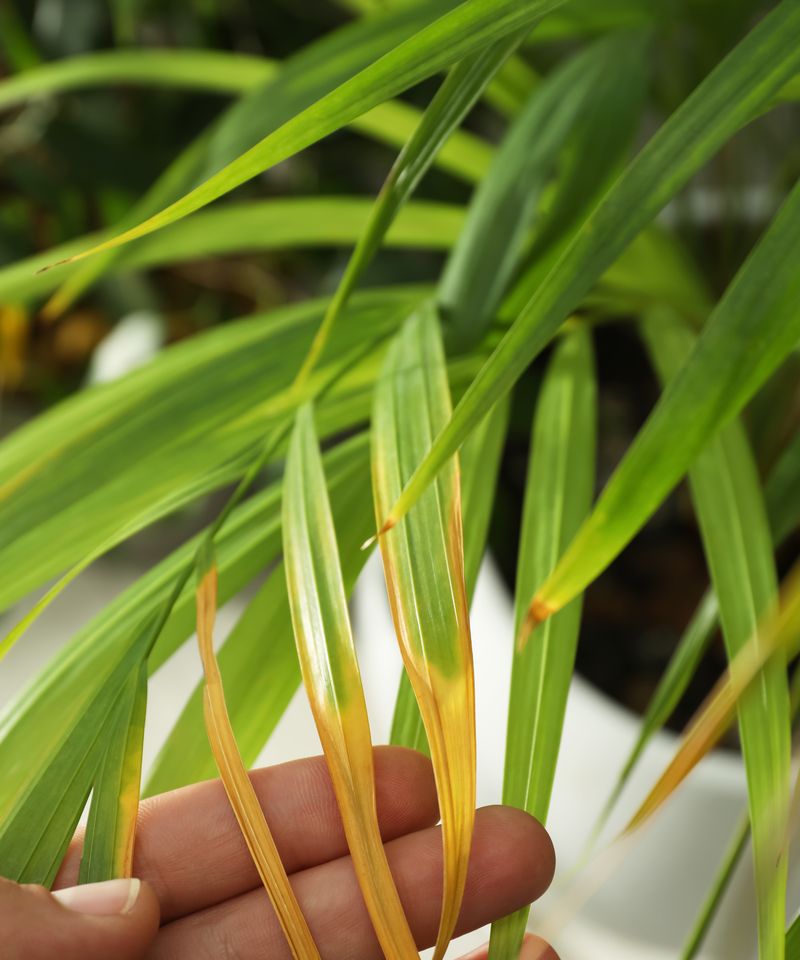
Yellow fronds often get blamed for making a palm look messy. In many Florida yards, though, those yellowing leaves are a clue that the palm is short on key nutrients, not just ready for the trash pile.
Florida’s sandy, fast-draining soil can make nutrients move out of the root zone quickly. Potassium and magnesium deficiencies are common in palms, and older fronds may turn yellow, orange, spotted, or translucent while the tree tries to manage what it has.
Cutting those fronds too soon can make the problem worse. The palm may be pulling nutrients from older leaves into newer growth, so removing them can rob the tree of resources it was still using.
Right before hurricane season, a nutrient-stressed palm needs support, not a cosmetic haircut. A palm-specific fertilizer with slow-release nitrogen, potassium, magnesium, and micronutrients is often a better step than removing every discolored frond.
Follow UF-IFAS-style recommendations for palm fertilization and avoid quick lawn fertilizers that do not match palm needs. Once the palm is healthier, the pruning decisions become easier because truly dead fronds are more obvious.
6. Using Dirty or Dull Tools
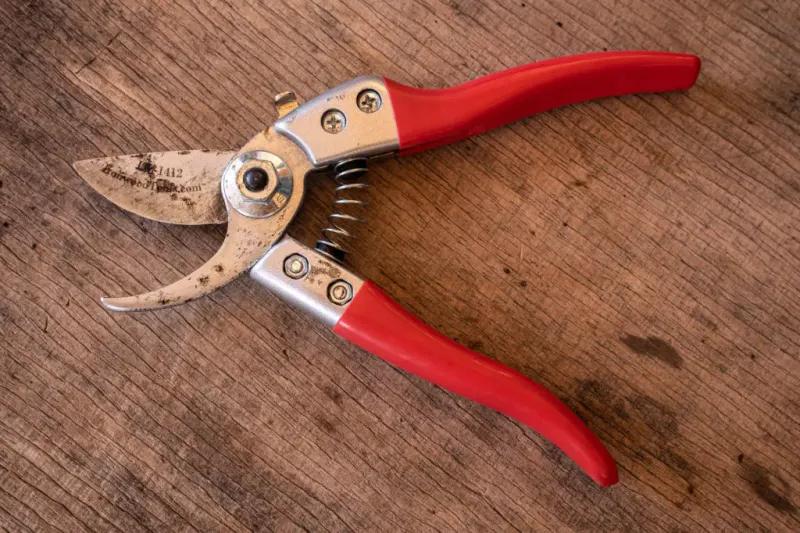
A rusty saw pulled from the back of the shed might seem good enough for one quick job. Around palms, dirty or dull tools can turn a simple trim into a bigger problem.
Dull blades crush and tear plant tissue instead of making clean cuts. Ragged wounds take more energy to deal with and may invite pests or disease issues, especially during Florida’s humid rainy season.
Tool cleanliness matters too. If a blade has been used on diseased plant material, it can carry problems from one palm or landscape plant to another.
Before pruning, sharpen blades and wipe them clean. Many gardeners disinfect tools between plants with a suitable disinfectant, then dry the metal to reduce rust.
Good technique is just as important as good equipment. Make controlled cuts, avoid yanking fronds down, and never use climbing spikes on palms unless the tree is being removed, because spike wounds can scar the trunk.
For tall palms, skip the ladder-and-guesswork routine. A certified arborist or qualified palm care professional is a safer choice when cuts are high, heavy, or near power lines.
7. Removing Flowers and Fruit at the Wrong Time
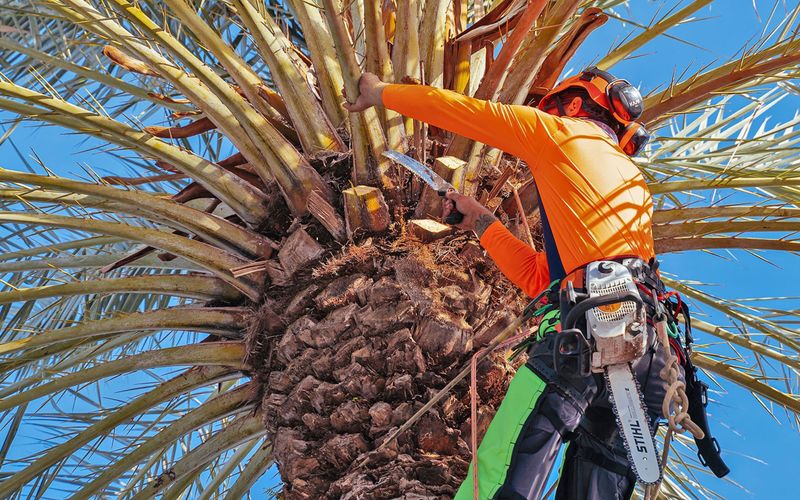
Fruit stalks can be a real nuisance when they drop berries on patios, driveways, and sidewalks. They can also become messy projectiles or cloggy debris when storm winds and rain roll through.
Still, timing and purpose matter. Removing flower or fruit stalks is often less harmful than cutting healthy green fronds, but rough work near the crown can create avoidable damage.
For many landscape palms, taking off heavy fruiting stalks before storms can reduce cleanup and lessen slipping hazards around walkways. In wildlife-friendly yards, though, some fruits may feed birds or other animals, so homeowners often balance neatness with habitat value.
The mistake is not removal by itself. The problem is hacking into the crown, cutting nearby green fronds for easier access, or waiting until fruit is dropping everywhere and then rushing the job with poor cuts.
Use clean tools and cut the stalk without injuring the trunk or growing point. If the palm is tall or the fruit clusters are heavy, hire help rather than standing under falling debris.
A smart pre-storm prune is selective. It reduces hazards while keeping the palm’s energy-producing canopy intact for the rough weather ahead.