
A bare fence can make a yard feel unfinished, especially when neighbors are close by. In Florida, the right fast-growing plants can soften that hard line, add shade, and give you real privacy without waiting years.
The trick is choosing plants that can handle sandy soil, strong sun, heavy rain, and long warm seasons. These seven picks bring quick cover in different ways, from flowering vines to tall grasses and clumping bamboo.
1. Clumping Bamboo
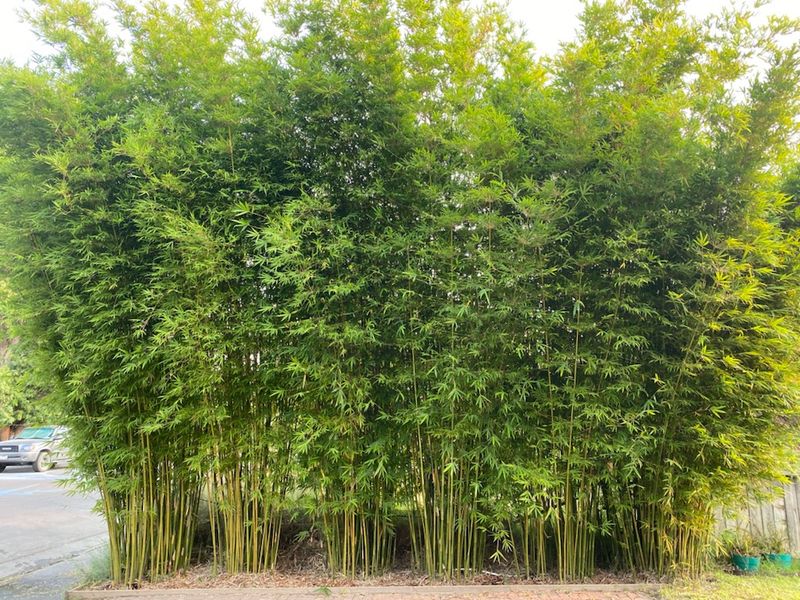
Few plants change a fence line as quickly as a well-chosen clumping bamboo. When the goal is height, movement, and a green wall you can actually feel behind, varieties like Bambusa textilis, often sold as weaver bamboo, are hard to ignore.
The key word is clumping. Florida gardeners should avoid running bamboo unless they are prepared for serious containment, because it can spread where it is not wanted.
Clumping types expand slowly from the base, making them much easier to manage along a fence.
Use bamboo where you need vertical privacy fast, such as beside a pool cage, patio, or two-story neighbor view. It likes regular water while getting established, then becomes fairly tough once rooted.
In sandy soil, mix in compost at planting and mulch well so the root zone does not dry out too quickly.
Give each clump enough room so it can mature without pressing hard against the fence. Bamboo is also a smart choice when you want privacy above eye level, since many vines and shrubs stay lower unless trained carefully.
2. Star Jasmine
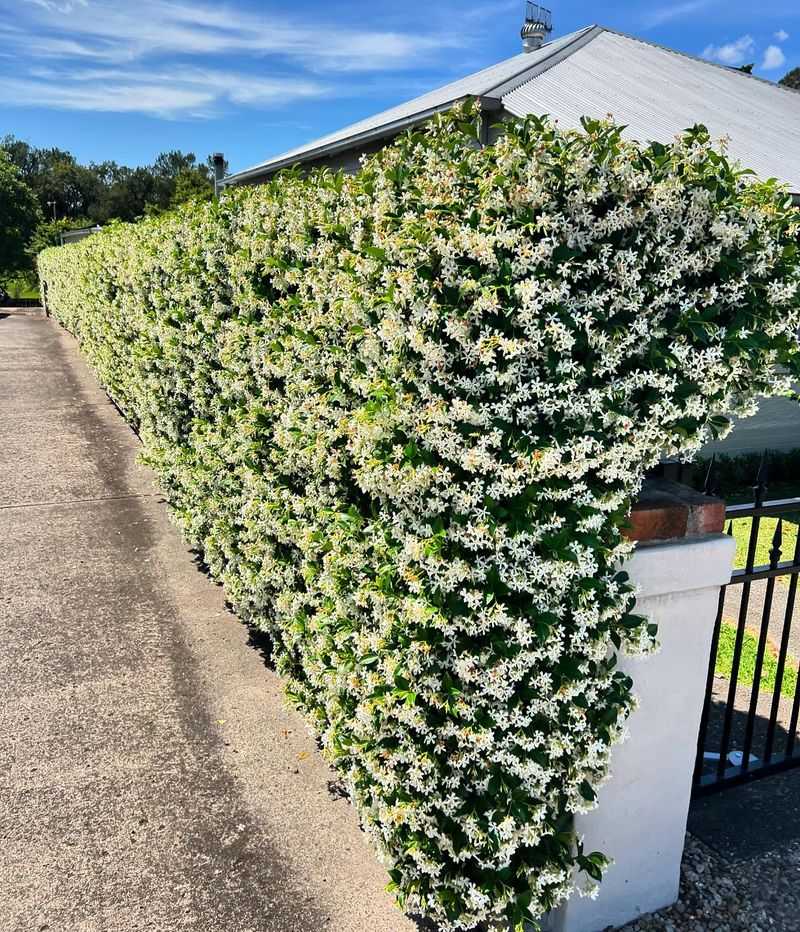
A fence covered in star jasmine feels less like a barrier and more like a garden wall. The glossy leaves stay attractive through much of the year in many Florida yards, and the white spring flowers bring a sweet scent that can drift across a patio in the evening.
Star jasmine, also called Confederate jasmine, is useful because it grows thick without looking wild when trimmed. It is not a true jasmine, but most homeowners forgive the name mix-up once it starts covering lattice, wire panels, or a plain wood fence.
For privacy, give it something to grab or tie it to the fence as young stems stretch. A few well-spaced plants can knit together into a leafy sheet faster than many traditional shrubs, especially in warm parts of the state with regular moisture.
Plant it in sun to part shade, and water deeply while it settles in. In very sandy soil, mulch makes a big difference because shallow roots can dry out during hot, windy spells.
Once established, star jasmine is a polished choice for homeowners who want privacy that smells as good as it looks.
3. Coral Honeysuckle
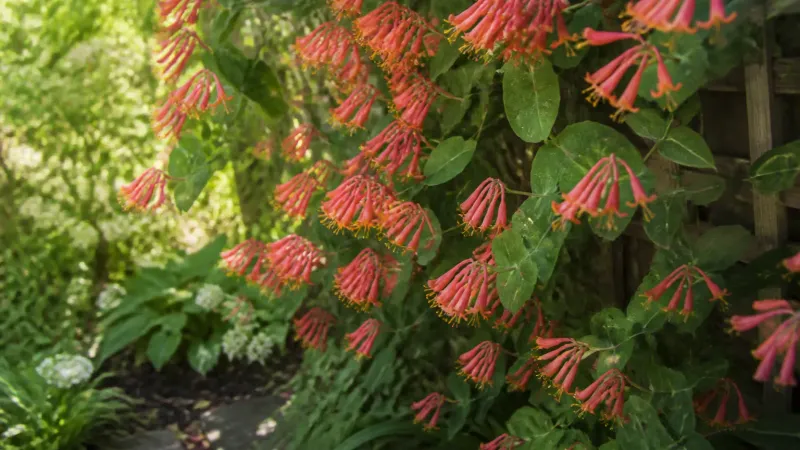
Hummingbirds notice coral honeysuckle before many people do. Its red tubular flowers are a bright signal in a Florida yard, and that wildlife value gives it a different job than the heavier privacy plants on this list.
Coral honeysuckle is a Florida native vine, which makes it a strong fit for gardeners who want a fence line that supports pollinators and birds. It is usually better behaved than many aggressive ornamental vines, and it can be trained along a fence, trellis, or wire support without taking over the whole yard.
On its own, coral honeysuckle may create a lighter screen rather than a solid green wall. That can be perfect along a front-yard fence, near a vegetable garden, or anywhere you want filtered privacy with flowers instead of a dense hedge.
Give it sun for the best bloom show, though it can handle some part shade. In dry sandy soil, water it regularly the first season and mulch around the base.
Pair it with a fuller plant behind or beside it if you want both hummingbird traffic and stronger visual cover.
4. Bougainvillea
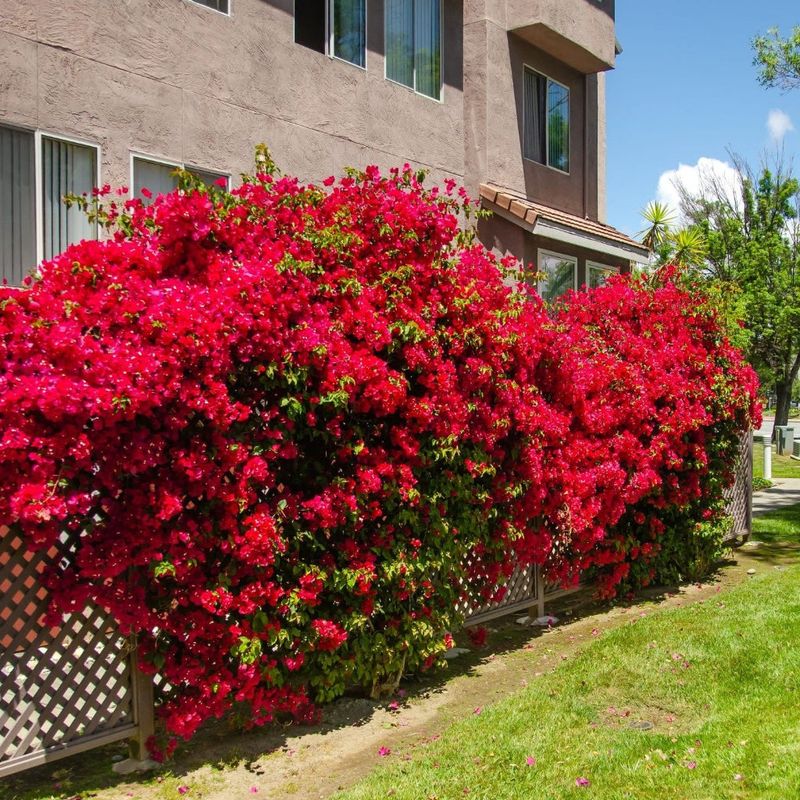
Some fence lines need privacy, but others need drama. Bougainvillea brings both when it is given sun, heat, and enough support to sprawl across a bare stretch of fence.
This is a standout for South Florida and warm coastal areas where frost is not a regular problem. The paper-like color comes from bracts, not true petals, and those bracts can glow in pink, purple, orange, red, or white depending on the variety.
Bougainvillea is fast once happy, but it has a sharp side. Many types have thorns, so it is best placed where people will not brush against it every day.
Along a back fence, side yard, or property edge, that thorny growth can actually help create a stronger sense of separation.
Lean into its strengths by planting it in full sun and well-drained soil. Do not overwater once established, since too much kindness can lead to leaves instead of color.
Prune with gloves after bloom cycles to keep it from grabbing walkways, gates, or nearby trees.
5. Fakahatchee Grass
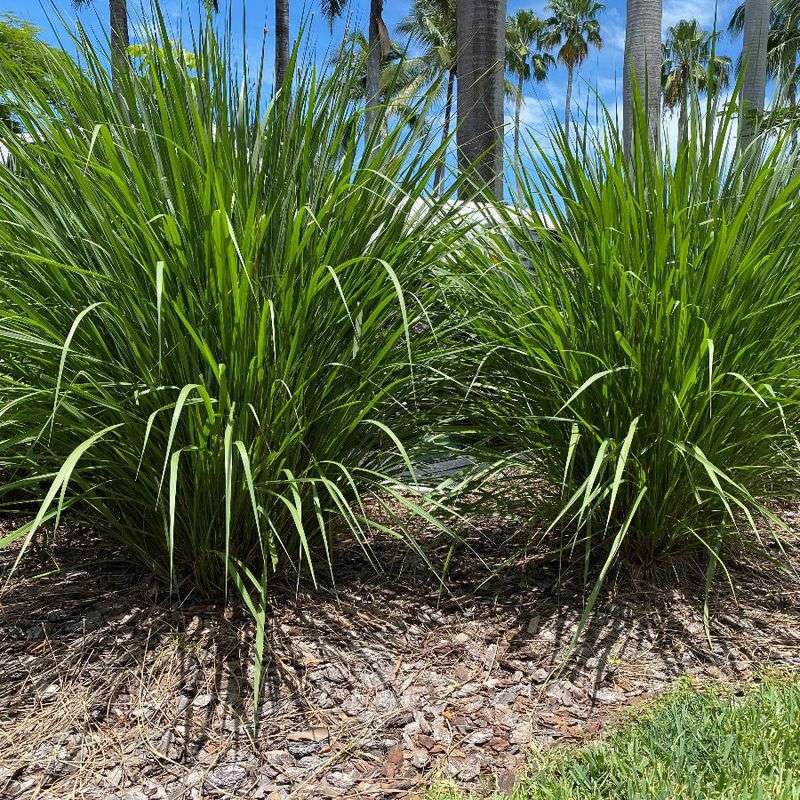
Not every privacy plant has to climb. Fakahatchee grass creates a softer, wilder screen with tall arching blades that move in the breeze and hide the bottom half of a plain fence beautifully.
This Florida native is a smart pick for gardeners who want a low-fuss, habitat-friendly look. It works especially well where a rigid hedge would feel too formal, such as around a pond edge, along a rear fence, or beside a natural-style backyard border.
Fakahatchee grass can handle wet spots better than many fence plants, which matters in Florida yards that flood after summer storms. At the same time, established plants can manage ordinary dry spells better than many thirsty ornamentals, especially with mulch and enough room for their roots.
For privacy, plant it in groups rather than as one lonely clump. It will not block a second-story window, but it can disguise chain link, soften vinyl fencing, and create a layered base for taller plants behind it.
Cut back old growth as needed to refresh the clumps and keep the planting from looking tired.
6. Passionflower Vine
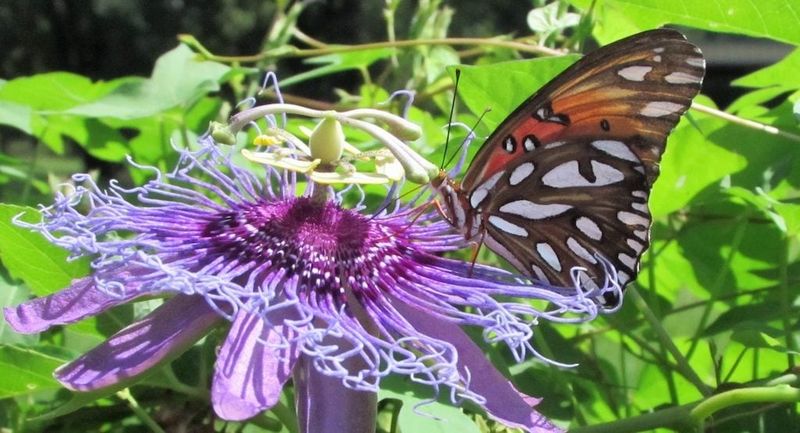
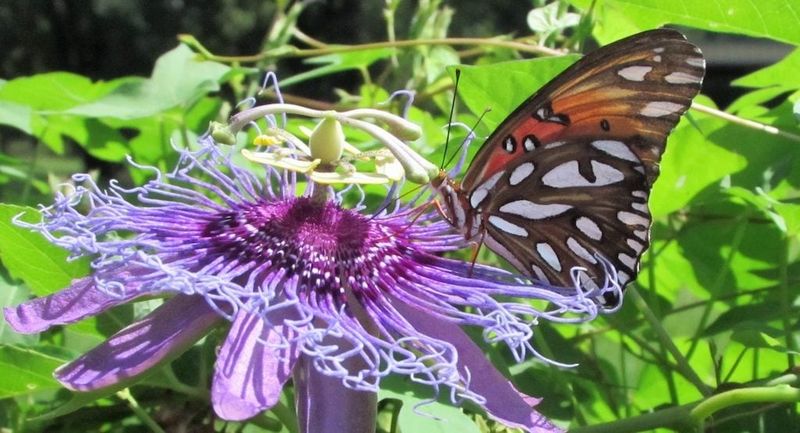
A passionflower bloom looks like it belongs in a tiny tropical clock. The flowers are strange, beautiful, and unforgettable, but the real fence-line value comes from how quickly the vine can scramble over wire or lattice.
Native passionflower species, such as maypop, can be excellent choices for butterfly-minded Florida gardeners. They serve as host plants for Gulf fritillary and other butterflies, so some chewed leaves are part of the deal rather than a sign of failure.
Passionflower is best for relaxed, wildlife-friendly spaces where a little seasonal wildness is welcome. It can cover chain link quickly, fill gaps between sturdier plants, and turn an exposed fence into a living butterfly corridor during warm months.
Give it sun, a strong support, and enough water during establishment. Because some passion vines spread by runners, place them where you can mow, edge, or pull extra shoots if they wander.
For a tidy front yard, this may be too lively, but along a backyard fence it can feel like instant life.
7. Firebush
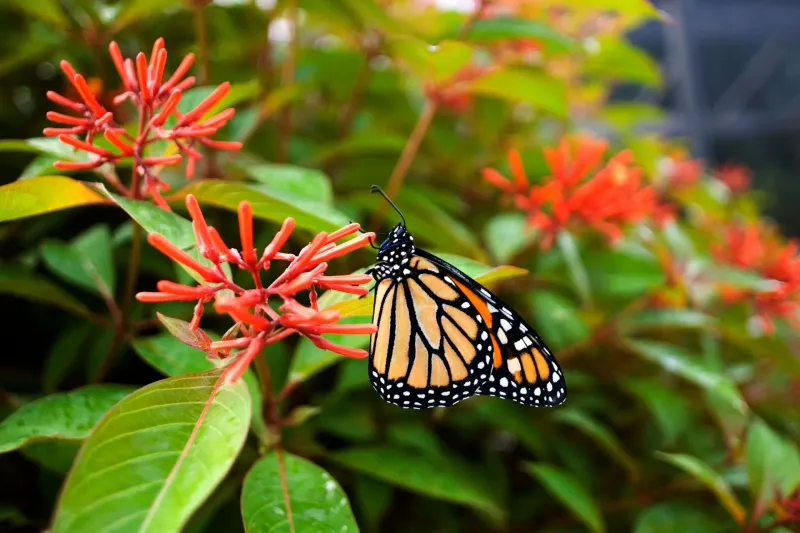
Firebush earns its spot by doing more than hiding a fence. It brings warm orange-red flowers, attracts hummingbirds and butterflies, and still grows fast enough to make a bare line feel planted within a season or two in much of Florida.
Although many people think of it as a shrub, firebush behaves like a quick, colorful screen when planted in a row. Native firebush is especially valuable in wildlife gardens, and it handles Florida heat better than many fussier flowering plants.
Use it where you want privacy with color at eye level, not a solid wall that reaches far overhead. It fits well along sunny back fences, near patios, and behind mixed borders where its flowers can show off.
In North Florida, cold weather may knock it back, but it often returns from the roots when conditions warm again.
Plant in full sun for the heaviest flowering, and water well until established. Sandy soil is fine if you improve the planting area with organic matter and keep mulch around the base.
Trim lightly to shape it, or let it grow loose for a more natural Florida look.