
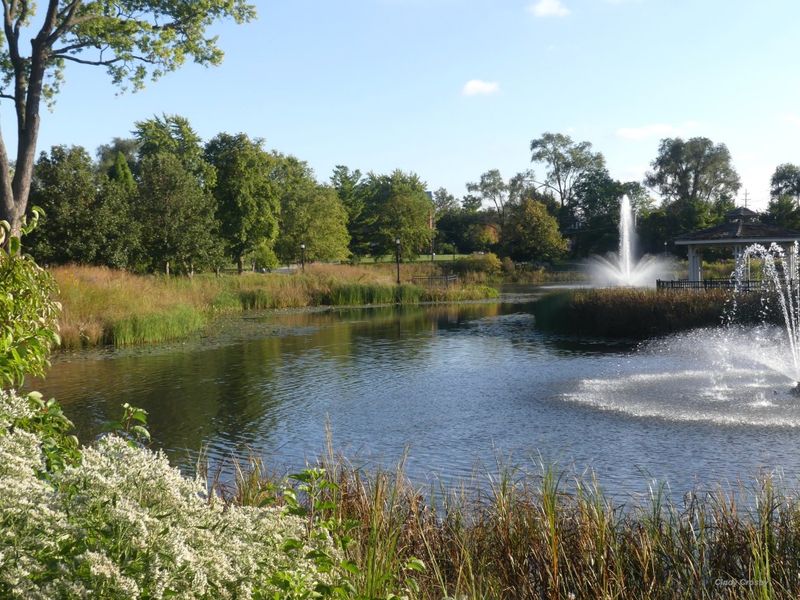
Barn owls do not come to a yard because of one magic plant. They come when the whole space gives them safe hunting edges, open flight paths, and a steady supply of small prey like moles, voles, rats, and mice.
In Florida, the right plants can shape that kind of night hunting zone without turning your yard into a wild mess. Here are seven smart choices that fit Florida conditions and help make your landscape more useful after dark.
1. Muhly Grass
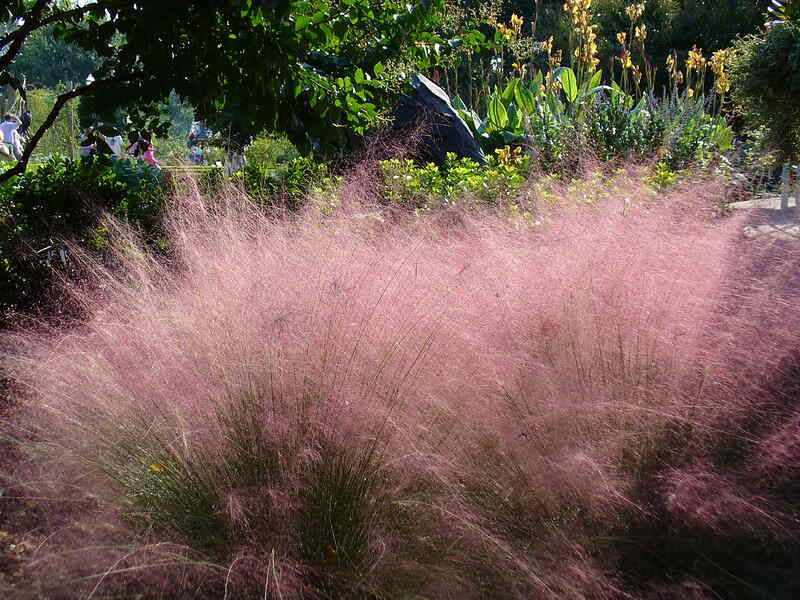
Pink clouds at knee height can do more than dress up a Florida yard. Muhly grass brings soft color in fall, handles sandy soil, and keeps the ground layer open enough for barn owls to spot movement nearby.
For owl-friendly design, that open structure matters. Barn owls hunt by flying low and listening, so thick, tangled shrubs are not always helpful near the main hunting lane.
A sweep of muhly grass along the edge of a lawn, pasture-style backyard, or wide side yard creates a clean border where small animals may travel and owls can still make a clear pass.
Florida gardeners also get a practical win. Muhly grass is a Florida native, drought-tolerant once established, and usually easier to manage than thirsty ornamental grasses that flop in heat.
Plant it in full sun with good drainage, then cut it back once a year in late winter before new growth starts.
Keep the center of the yard fairly open, and use muhly as a frame rather than a wall. That simple layout gives you curb appeal by day and a better hunting edge after sunset.
2. Saw Palmetto
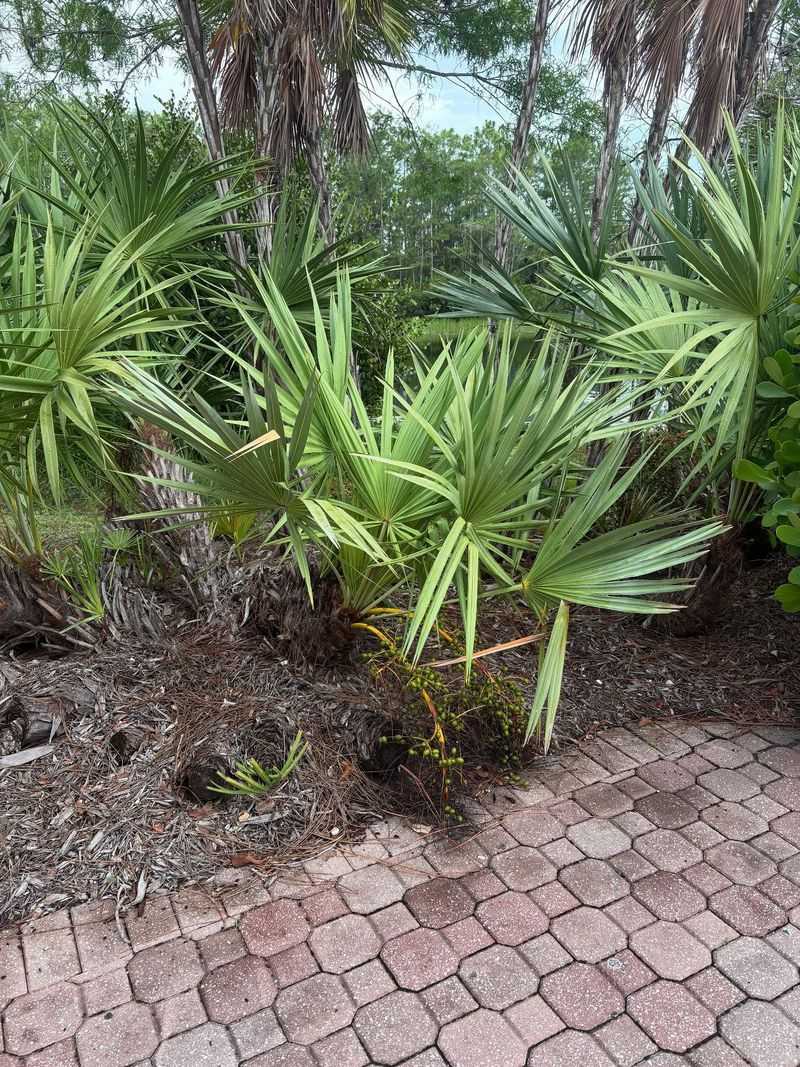
Old Florida has a certain look, and saw palmetto is one of the plants that gives it that rugged, native feel. In the right spot, it creates low cover for wildlife while leaving taller sight lines open for an owl using nearby trees, fence posts, or a nest box.
Saw palmetto stands apart from softer border plants because it is tough, architectural, and built for Florida stress. It tolerates poor sandy soil, salt exposure in many coastal areas, and dry spells once rooted.
Its fan-shaped leaves also add structure where a plain lawn would look bare.
For a barn owl yard, place saw palmetto in naturalized corners, along property edges, or under pines rather than beside a walkway. Small mammals often use shrubby edges as travel routes, and owls frequently work those margins.
Just avoid making the whole yard dense, since barn owls need room to glide and drop.
Give saw palmetto space, because mature plants can become wide and spiny. A few well-placed clumps look intentional, support a more native food web, and hold up far better than fussy foundation shrubs during hot Florida months.
3. American Beautyberry
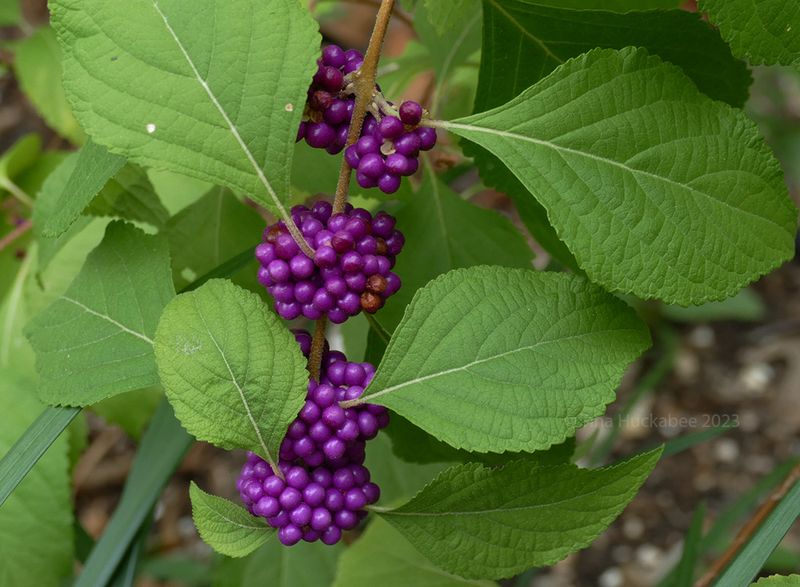
A flash of purple berries can stop people in their tracks, but American beautyberry is not just a pretty shrub. It helps build a lively backyard food web, which is the bigger reason it belongs in an owl-minded Florida landscape.
Beautyberry feeds birds with its bright fall fruit, and a yard with active birds, insects, and layered native planting often supports more natural prey movement overall. Barn owls are not coming for the berries, of course.
They benefit from the habitat pattern that beautyberry helps create, especially when it sits near open ground where small mammals move after dark.
Use beautyberry as a loose, informal shrub at woodland edges, near a back fence, or beside a natural area. It can grow in part sun to light shade, which makes it useful under high tree canopies where turf struggles.
In much of Florida, it is also easier to maintain than many exotic shrubs once it settles in.
Prune in late winter if it gets leggy, since berries form on new growth. Leave some leaf litter around the base, skip rodenticides, and let the yard become a safer place for the nighttime hunters you want to encourage.
4. Fakahatchee Grass
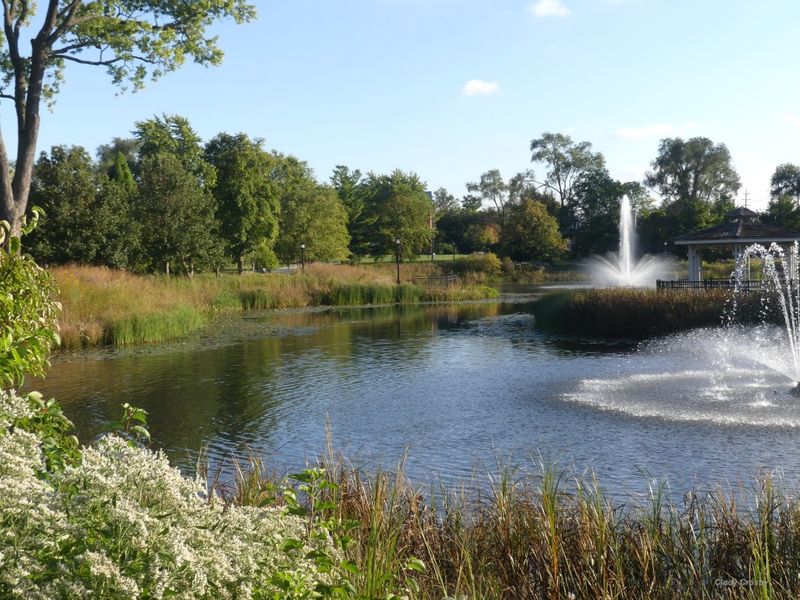
Got a soggy dip in the yard after summer storms? Fakahatchee grass can turn that problem spot into a handsome wildlife edge without demanding constant attention.
Unlike muhly grass, which shines in drier, airy plantings, Fakahatchee grass brings a bolder, taller presence. It is a Florida native bunchgrass often used in wet areas, roadside-style plantings, and rain garden edges.
Its arching blades can soften drainage swales while still keeping the planting simpler than a thicket of woody shrubs.
For barn owls, the value is in creating a productive edge beside open space. Damp soil zones often host more insects and plant growth, which can support the small animals that move through a yard at night.
Owls need those active edges, but they also need room to hunt, so do not fill every low area with tall grass.
Plant Fakahatchee grass where it has space to mature, such as the back of a large bed, beside a pond, or along a stormwater swale. It can look too big for tiny front beds, but in the right Florida yard it gives you storm-smart planting and a better after-dark habitat zone.
5. Live Oak

One strong tree can change the whole rhythm of a backyard. Live oak gives shade, structure, and high perches that make a Florida landscape feel settled instead of flat.
Barn owls are cavity nesters and often use open barns, nest boxes, and quiet structures, but they also benefit from sturdy perches near hunting areas. A live oak is not a quick fix, and it may not become an owl perch overnight.
Still, in a larger yard, its limbs can create lookout points while the open ground beneath remains usable for hunting passes.
Live oak also supports an enormous amount of wildlife compared with many nonnative shade trees. Caterpillars, insects, birds, and other animals all add to the living network that keeps a yard active.
That fuller food web does not mean more moles by itself, but it does mean the landscape is less sterile and more attractive to nighttime predators.
Plant live oak only where it has serious room, far from foundations, septic systems, and tight driveways. In storm-prone Florida, choose good nursery stock, water it well during establishment, and train strong branch structure while young.
A healthy live oak is a long-term investment in shade, beauty, and better habitat.
6. Coontie
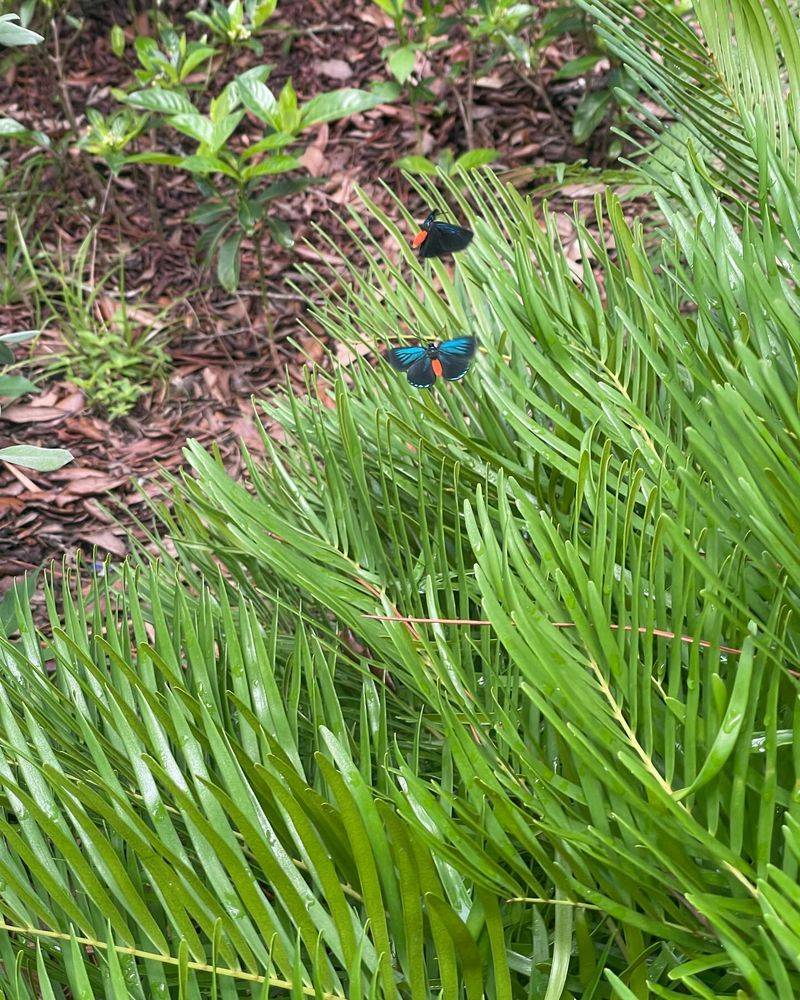
Low, tidy, and a little prehistoric-looking, coontie is the plant for gardeners who want wildlife value without a messy bed. It stays compact compared with many shrubs, which makes it useful near patios, paths, and front-yard edges.
Coontie has a special Florida bonus: it is the host plant for the atala butterfly. That butterfly story gives the plant real ecological weight, but coontie still behaves politely in home landscapes.
Its stiff evergreen fronds form neat mounds that work well in sandy soil and part sun once established.
In an owl-friendly yard, coontie plays a different role than tall grasses or canopy trees. It fills the lower layer without blocking night-hunting visibility.
Use it near open turf, gravel paths, or mulched borders where you want a finished look but do not want dense cover everywhere.
Because barn owls hunt moles and other small prey in open areas, short plantings around those open areas can be better than tall, continuous hedges. Coontie gives you that clean edge while supporting native insects and reducing the need for high-maintenance ornamentals.
Avoid overwatering, especially in heavy or poorly drained spots, and let the plant settle into its naturally slow, sturdy pace.
7. Firebush
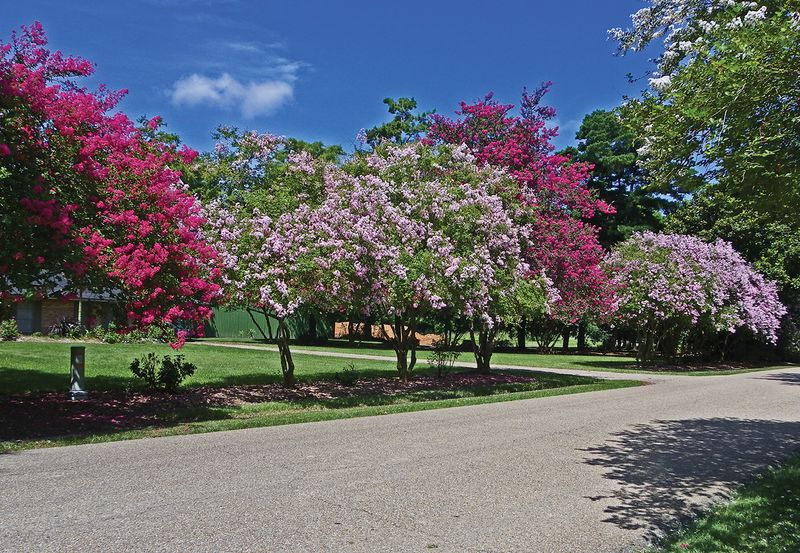
Few Florida shrubs look as alive in warm weather as firebush. Orange-red flowers pull in hummingbirds and butterflies, and the plant keeps working through long stretches of heat when many ornamentals look tired.
Firebush earns its place on this list because it helps make the yard busy without making it chaotic. Pollinators visit the flowers, birds may use the shrub, and the planting adds color along sunny edges.
Barn owls are focused on small mammals, but a yard that supports layered wildlife often becomes a more active hunting area after dark.
Place firebush where it can become a loose, bright backdrop, such as along a back fence, near a sunny patio corner, or at the edge of an open lawn. In warmer parts of Florida it may grow as a large shrub, while in cooler areas it can die back after cold snaps and return from the roots.
Native firebush is generally the better choice for Florida wildlife planting, so check labels and buy from reliable nurseries when possible. Pair it with open ground, avoid poison baits for rodents, and keep outdoor lighting soft or shielded.
The result is a yard that looks lively in daylight and stays more useful to hunters after dark.