
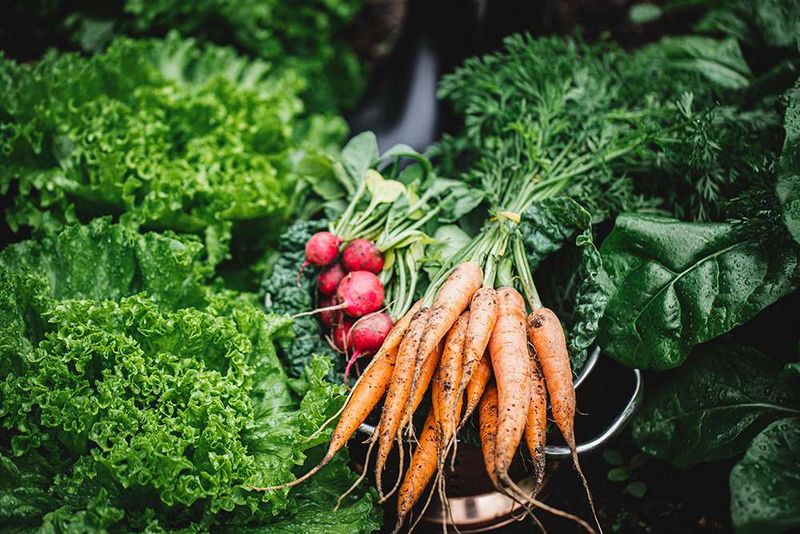
Florida gardens do not have to slow down when cooler weather arrives. In fact, fall and winter can be the best time to grow crisp greens, sweet roots, and sturdy vegetables without fighting the worst summer heat.
Plant the right crops now, and your beds can look full while nearby gardens sit bare. Here are seven smart picks for a winter harvest that feels almost unfair.
1. Collards
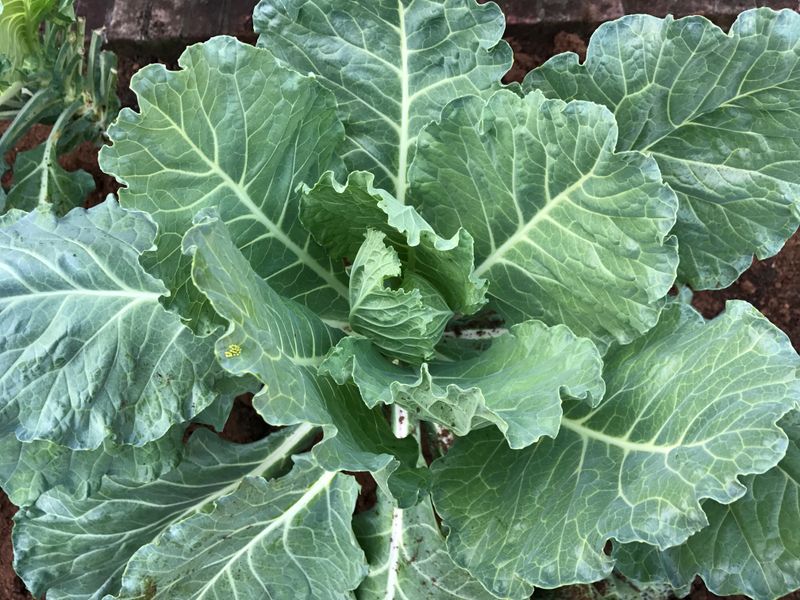
Grandma knew what she was doing when collards showed up in the cool-season garden. In Florida, collards are one of the most dependable greens you can plant for winter because they handle mild cold, bounce back after leaf picking, and keep producing when many tender crops quit.
Collards stand out because they are forgiving. Florida’s sandy soil drains fast, but collards can still grow strong if you work in compost and keep moisture steady.
They do not need pampering, and that makes them a solid choice for busy gardeners who want full beds without daily fussing.
Plant seeds or transplants in fall through winter in much of the state, giving each plant room to spread. Harvest the lower leaves first while the center keeps growing.
A little mulch helps protect shallow roots, reduce weeds, and hold moisture during dry winter spells.
For the best flavor, pick leaves while they are tender and before they get oversized. Collards are also a good visual crop, with bold leaves that make a winter garden look alive, productive, and cared for.
2. Kale
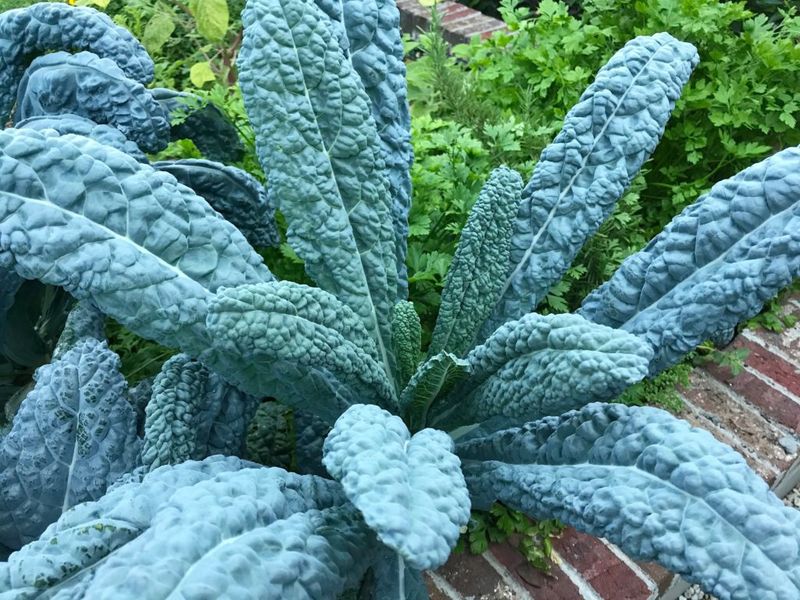
A few kale plants can make a small Florida bed look like a salad bar with leaves to spare. Unlike summer crops that sulk in sticky heat, kale usually shines when temperatures turn gentler, making it a smart right-now planting for a winter harvest.
Kale earns its place on this list because it is both pretty and practical. Curly types add ruffled texture, while lacinato types bring dark, narrow leaves that look almost ornamental.
If your garden sits near a patio, walkway, or front-yard edible bed, kale can pull double duty as food and curb appeal.
Florida gardeners should give kale rich soil, regular water, and good air movement. Mix compost into sandy beds before planting, then side-dress lightly as the plants grow.
Watch for caterpillars and aphids, especially during warm spells, and check the undersides of leaves before pests get comfortable.
Harvest baby leaves early for salads or let outer leaves size up for soups, sautés, and smoothies. Keep the growing center intact, and one planting can feed you again and again through the cool season.
3. Carrots
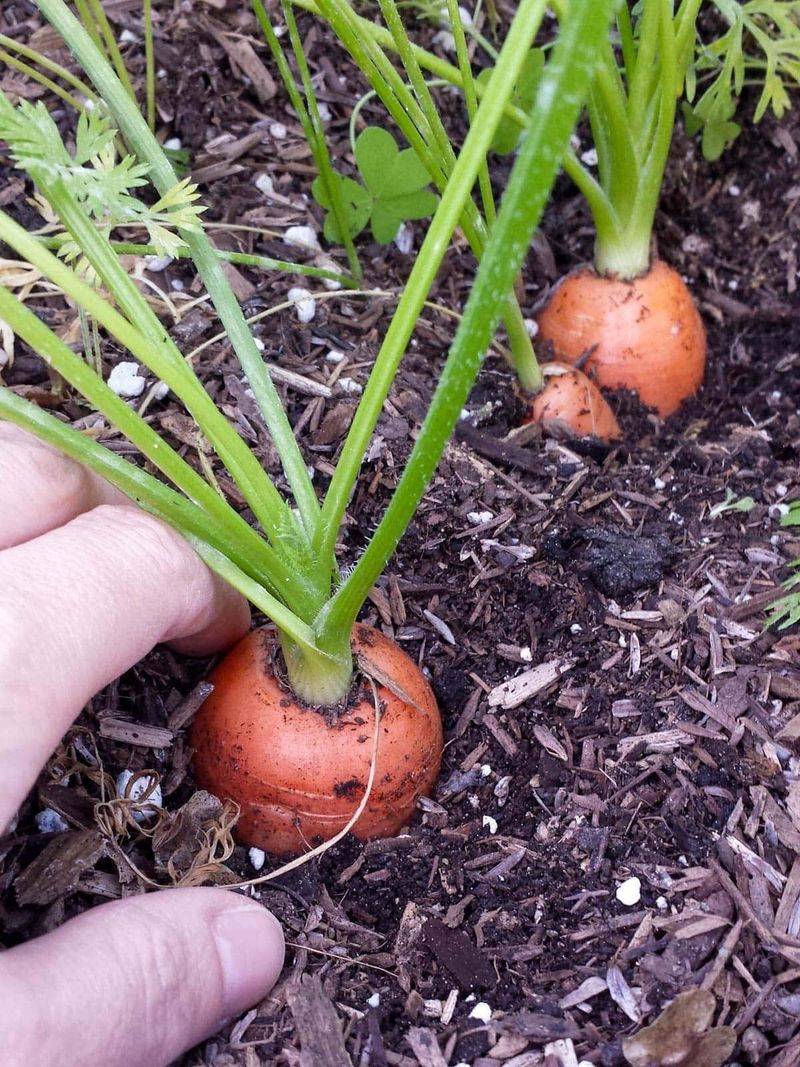
Nothing feels quite like tugging a carrot from loose soil and seeing a bright orange root come up clean. Florida’s sandy ground, often frustrating for thirsty plants, can actually be a gift for carrots when it is loosened, cleared of rocks, and kept evenly moist.
Carrots are different from the leafy crops on this list because they reward patience below the surface. The tops may look modest for weeks, but underground the roots are swelling into one of winter’s sweetest harvests.
Cool weather helps improve flavor, especially when the crop grows steadily without drought stress.
Direct sow carrot seed where you want it to grow, because seedlings dislike being moved. Sprinkle seed lightly in shallow rows, cover with a thin layer of fine soil, and keep the surface damp until germination.
In Florida’s quick-draining beds, that may mean gentle watering more often at first.
Thin seedlings so roots have room to size up. Crowded carrots twist, fork, or stay skinny, which is fine for a laugh but not ideal for the kitchen.
Try shorter varieties if your soil is compacted or your raised bed is shallow.
4. Broccoli
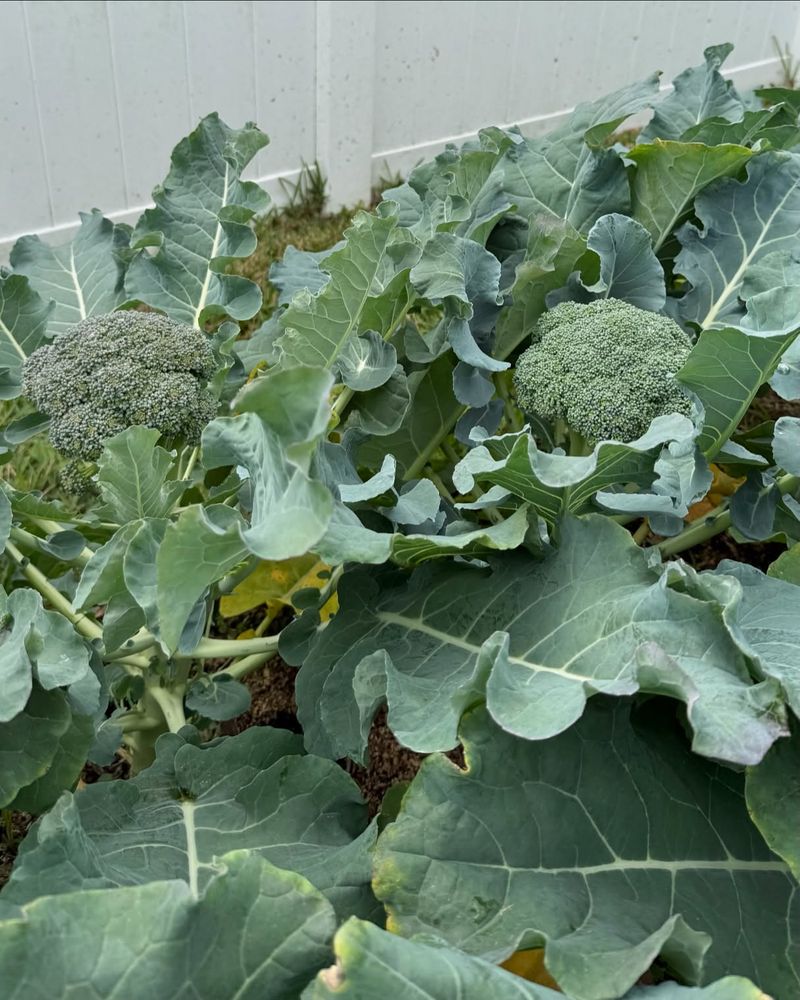
Broccoli brings a little drama to the winter garden because you can watch the main head form day by day. For Florida gardeners who miss growing big, satisfying vegetables during the cooler months, broccoli offers a harvest that feels substantial.
Its big advantage is timing. Broccoli struggles in harsh heat, but Florida’s cool season gives it a better chance to form tight heads before temperatures climb again.
Transplants are often the easiest route, especially if you are planting later and want to save time.
Set plants in a sunny spot with compost-enriched soil and consistent moisture. Broccoli is a heavier feeder than many greens, so do not treat it like a wildflower and hope for the best.
A balanced vegetable fertilizer, used according to the label, can help plants build the leafy frame needed to support good heads.
After cutting the main head, leave the plant in place. Many varieties send up smaller side shoots, giving you bonus harvests from the same square footage.
That second round is one of the best reasons to grow broccoli at home instead of relying only on the grocery store.
5. Lettuce
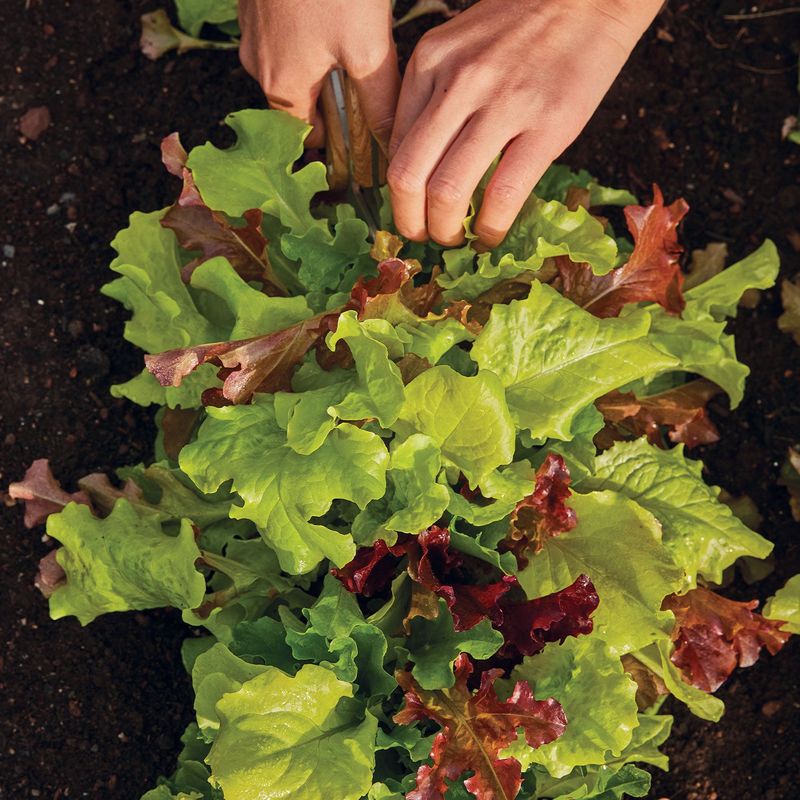
Picture stepping outside with scissors and coming back with a bowl of fresh lettuce before dinner. That is the kind of small luxury Florida’s winter garden can deliver, especially when looseleaf types are planted in waves.
Lettuce belongs here because it is fast. While carrots and broccoli take their time, many lettuces can give you baby leaves quickly, making empty beds look useful in a hurry.
Looseleaf and romaine types usually make more sense for home gardeners than head lettuce, especially if you like repeat harvests.
Choose a spot with sun during the cooler part of the season, but be ready to offer light afternoon shade if a warm spell rolls through. Florida winter weather can swing, and lettuce may turn bitter or bolt when heat returns.
Keep soil evenly moist, since drought stress also hurts flavor and texture.
Sow small amounts every couple of weeks instead of planting the whole packet at once. That simple trick keeps salads coming and prevents the classic problem of too much lettuce one week and none the next.
Harvest outer leaves gently, and the plants can keep producing for several cuttings.
6. Radishes
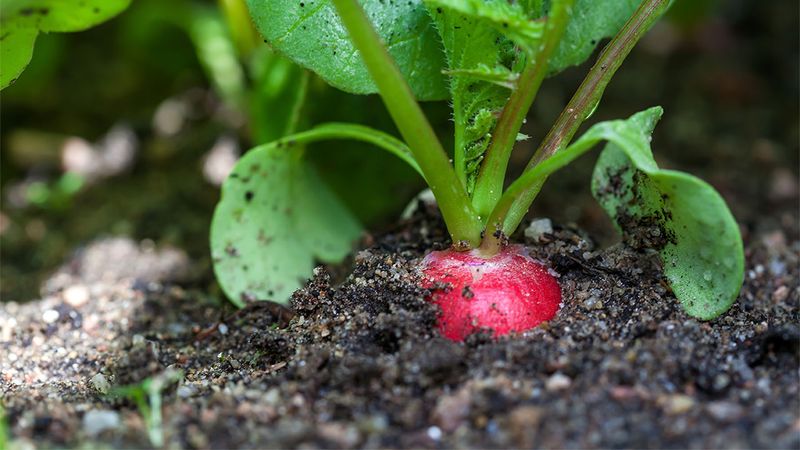
For impatient gardeners, radishes are the cheerful little troublemakers of the cool-season bed. They sprout fast, grow quickly, and let kids or first-time gardeners see real results before the excitement wears off.
Radishes are special because they fill gaps. Tuck them between slower crops, along bed edges, or in short rows where you want a quick harvest before larger plants need the space.
In Florida’s winter garden, that speed makes them useful as both a crop and a confidence booster.
Direct sow seed in loose soil and keep it moist during germination. Thin seedlings early, because crowded radishes often make lots of leaves but disappointing roots.
Most types taste best when harvested young, crisp, and small enough to slice easily.
Warm weather can make radishes spicy or pithy, so do not leave mature roots sitting in the ground too long. Pull a few as they size up and taste your way through the planting.
If you are new to succession planting, radishes are one of the easiest crops to practice with because another short row can be started almost right away.
7. Swiss Chard
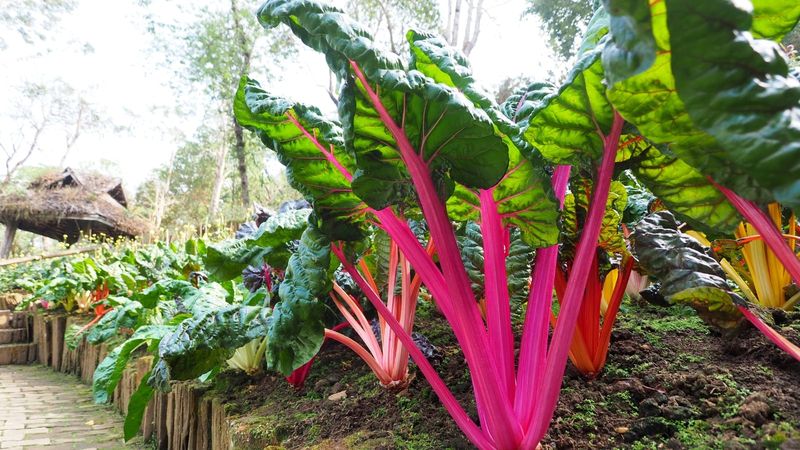
Some vegetables quietly feed you, but Swiss chard shows up dressed for the party. With red, yellow, pink, orange, or white stems, it can brighten a winter bed the way flowers do, while still landing on the dinner plate.
Swiss chard deserves a spot because it handles Florida’s mild winter mood swings better than many delicate greens. It likes cool weather, yet it is often more tolerant of warmth than lettuce or spinach.
That makes it useful in areas where a sunny week can suddenly feel less like winter and more like spring.
Plant chard in soil improved with compost, then mulch to help Florida’s sandy ground hold moisture. Give plants room so the leaves can stand upright and air can move through the bed.
Like other greens, chard may attract chewing insects, so inspect plants regularly and remove damaged leaves before problems spread.
Harvest outer stalks by cutting near the base, leaving the center to keep growing. Young leaves are tender enough for quick cooking, while larger stems can be chopped and cooked a bit longer.
If you want one vegetable that looks good, lasts well, and keeps offering small harvests, chard is a winter-bed workhorse with style.