
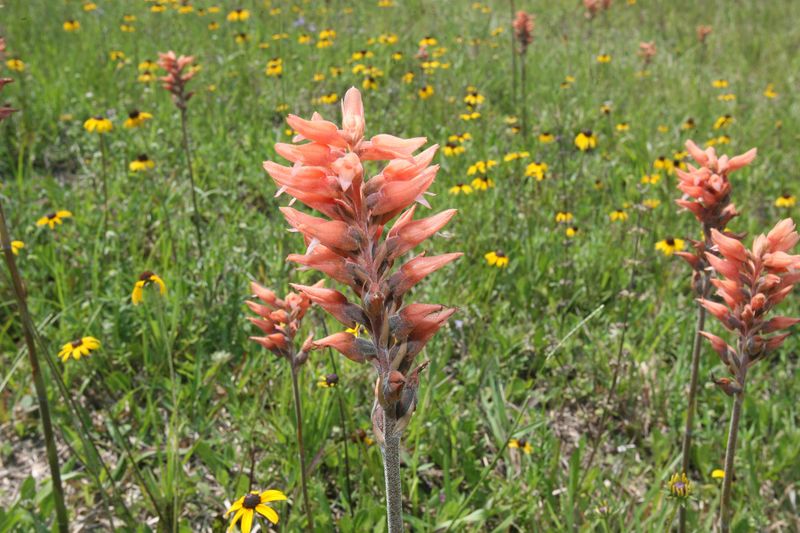
A bare corner of the yard can become one of the busiest spots in your garden. Florida wildflowers handle sun, sandy soil, and long warm seasons better than many fussy bedding plants.
They also give bees, butterflies, and other helpful insects the nectar and pollen they need. Pick the right mix, and that empty patch can look alive without asking for constant work.
1. Blanketflower
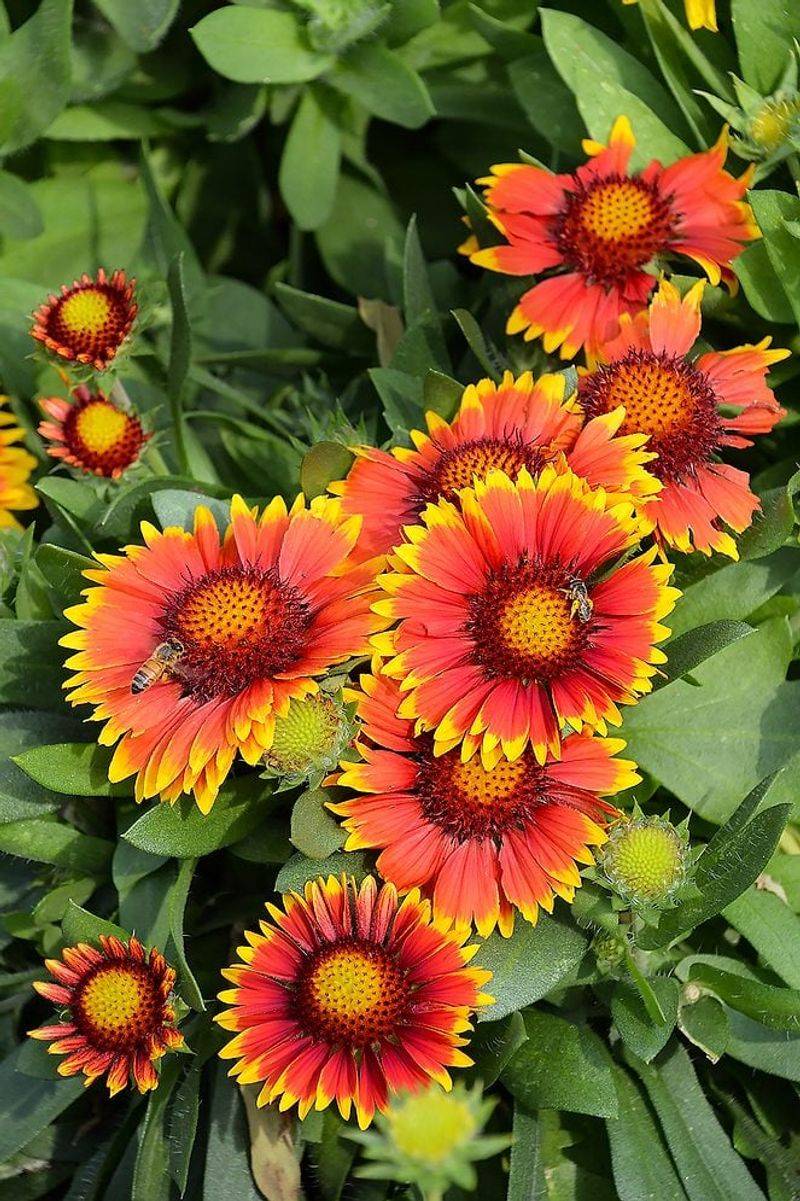
Few flowers bring instant cheer to a sandy, sun-baked corner like blanketflower. Its red, orange, and yellow daisy-like blooms look almost painted by hand, which makes a small meadow feel planned instead of forgotten.
Blanketflower, also called Gaillardia pulchella, is a Florida native that is especially useful where irrigation is limited. Once established, it can handle dry spells, lean soil, and the kind of full sun that makes many nursery annuals collapse by midsummer.
Pollinators notice it quickly. Native bees, butterflies, and small beneficial insects visit the open blooms because the landing pad is easy to use and the flowers keep coming through warm weather.
For a bare corner, plant blanketflower in groups rather than single dots. A drift of five to nine plants creates color fast, and leaving some seed heads can invite reseeding in a loose, meadow-like way.
Trim tired stems if you want a neater look, but do not pamper it with rich soil or heavy fertilizer, since that can lead to floppy growth.
2. Tickseed
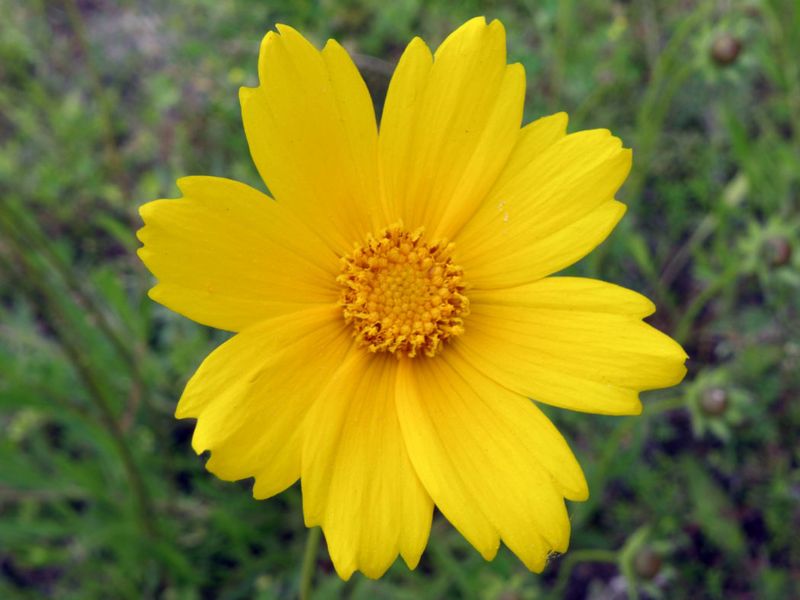
Golden tickseed has the easy confidence of a flower that belongs here. As Florida’s state wildflower, Coreopsis brings a bright, natural look that fits both tidy front-yard beds and wilder backyard corners.
Several native Coreopsis species grow in Florida, and many are known for cheerful yellow blooms that sway above fine or simple foliage. They are a strong choice when you want a meadow effect without using plants that feel too tall, coarse, or unruly.
Bees are the big winners, especially smaller native bees that can reach the flowers easily. Butterflies may stop by too, but tickseed’s real strength is steady pollen and nectar support during the growing season.
Give it full sun and well-drained soil. In many Florida yards, that means it can work beautifully in sandy areas where other flowers need constant watering.
Avoid planting it in a soggy low spot unless you choose a species suited to wetter ground.
For the best look, repeat tickseed through the planting instead of keeping it in one clump. The yellow blooms act like little sparks of light, tying the whole corner together and making even a small patch feel like a meadow.
3. Beach Sunflower
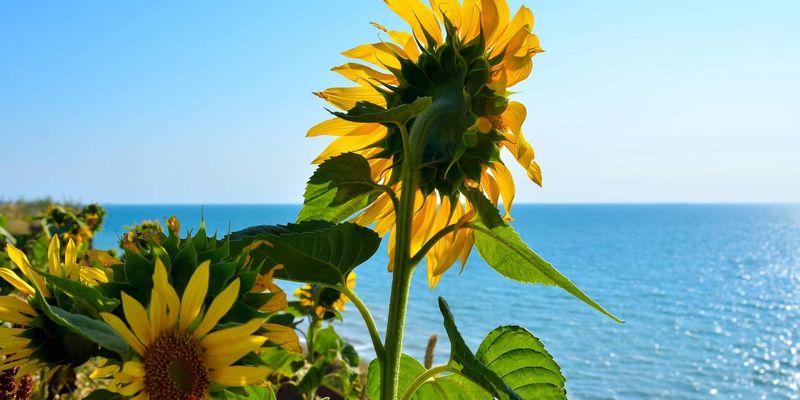
A scruffy patch near a driveway or sidewalk can look surprisingly polished with beach sunflower spilling through it. This Florida native has a relaxed, coastal look, with yellow blooms that keep appearing over a mat of green foliage.
Beach sunflower, Helianthus debilis, is especially helpful when you want coverage as well as flowers. Unlike taller meadow plants, it stays low and spreads, so it can soften edges, cover bare sand, and reduce open space where weeds try to move in.
Its blooms attract bees and butterflies, while the dense habit gives the planting a fuller look faster than many upright wildflowers. In a sunny corner, it can become the living carpet that makes the whole meadow feel connected.
Florida gardeners should give beach sunflower room. It is not the plant for a tiny, formal pocket where every stem must stay in place.
Use it where a spreading habit is an asset, such as a hot strip by a path, a mailbox bed, or a dry corner near the street.
Once established, it tolerates sandy soil and saltier coastal conditions better than many common ornamentals. A light trim can refresh it when it gets too rangy, but the goal is simple: let it ramble enough to do the hard work for you.
4. Tropical Sage
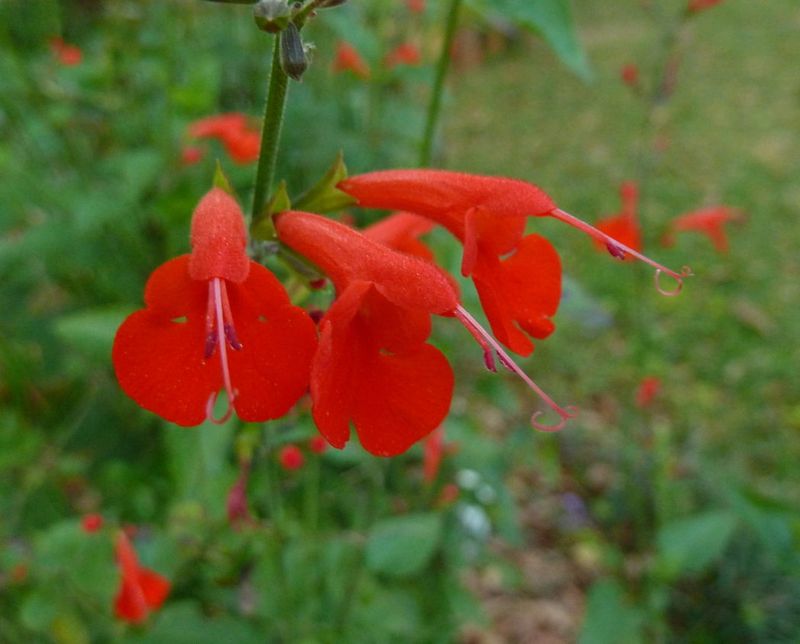
Hummingbirds seem to find tropical sage as if someone rang a dinner bell. The slender red flowers rise above soft green foliage, adding vertical color without making the planting feel heavy.
Known botanically as Salvia coccinea, tropical sage is native to Florida and works well in informal beds, cottage-style borders, and small meadow pockets. Red is the classic color, but pink and white forms are also common in gardens.
What makes it different from many daisy-shaped wildflowers is its tubular bloom. That shape is especially useful for hummingbirds and long-tongued pollinators, so tropical sage adds a new kind of feeding station to your meadow mix.
It can grow in sun to part shade, which is helpful for corners that get bright morning light but some afternoon break. In sandy soil, water new plants until roots settle in, then reduce the fuss.
It often reseeds, so you may find new seedlings popping up nearby.
If you like a cleaner look, snip off spent flower spikes now and then. If you prefer a looser wildlife garden, let some seeds fall.
Either way, tropical sage brings movement, color, and a little surprise to a low-maintenance Florida planting.
5. Blazing Star
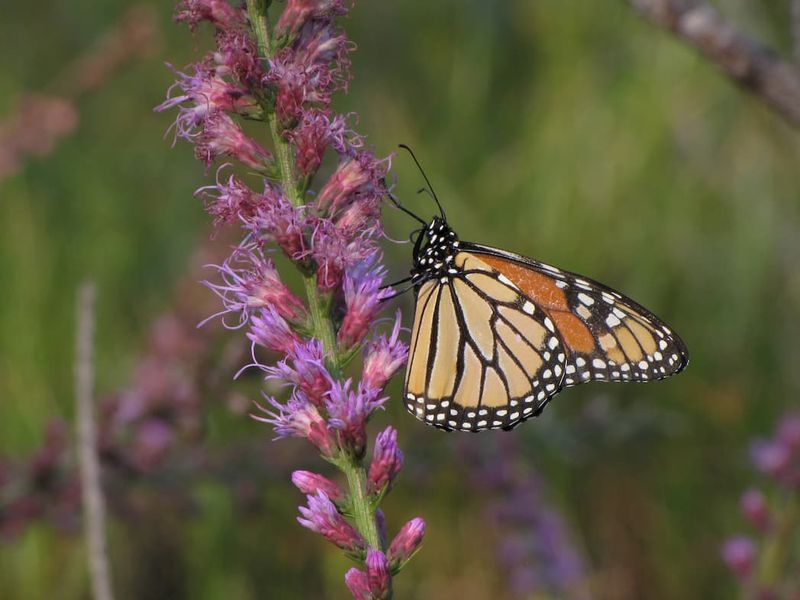
Every meadow needs a few exclamation points, and blazing star supplies them in purple. Its upright flower spikes stand above lower plants, giving a flat corner shape, height, and a strong focal point.
Liatris species native to Florida are excellent for pollinator plantings because the blooms open along tall spikes and draw plenty of attention from butterflies. Monarchs, swallowtails, skippers, and bees may all visit when the flowers are fresh.
Blazing star earns its place because it adds structure. Blanketflower and tickseed bring broad, sunny faces, while blazing star sends up narrow wands that make the planting look more layered and natural.
Most blazing stars prefer sun and well-drained soil, though exact moisture needs vary by species. That makes plant selection important in Florida, where one yard corner may be dry sand and another may stay damp after heavy rain.
Choose a locally appropriate Liatris when possible, and buy from native plant nurseries that can match the species to your site.
Plant blazing star in small clusters of three, five, or seven for the best visual effect. After bloom, the seed heads can stay for a while to feed wildlife and add texture.
If the corner looks too wild, cut back the old stalks once they turn brown.
6. Frogfruit
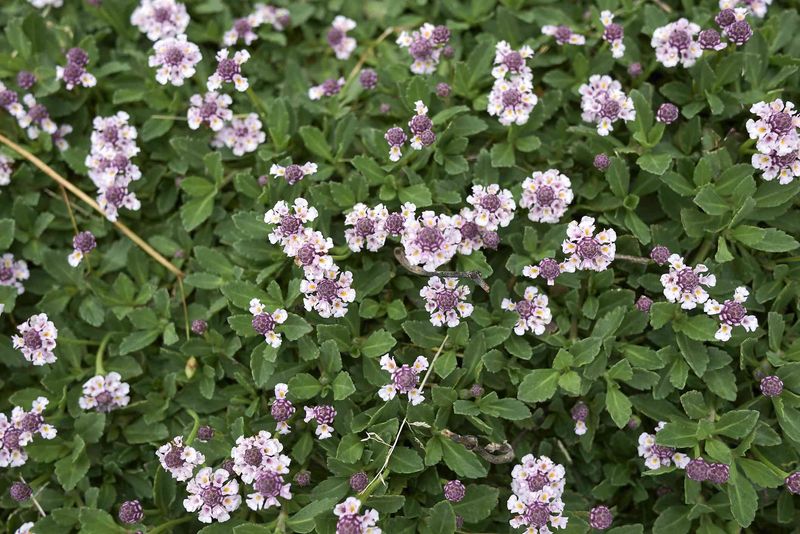
Look closely at frogfruit and the tiny flowers feel like a secret garden at ankle height. From a distance, it reads as a low green mat, but pollinators know exactly where to land.
Frogfruit, Phyla nodiflora, is a Florida native groundcover that can help turn a bare corner into a living patch instead of a weedy one. It is especially useful where you want a soft, low-growing plant that mingles around taller wildflowers.
Small bees, butterflies, and other insects visit the little blooms, and frogfruit is also known as a host plant for certain butterfly species. That means it can support more than adult feeding, which gives it extra value in a wildlife-friendly yard.
Its biggest gift is function. Frogfruit can fill gaps, reduce bare soil, and create a meadow floor under showier plants like tropical sage or blazing star.
In some settings, it may even work as part of a low-traffic lawn alternative.
Florida gardeners should site it with realistic expectations. It can spread, which is helpful in a bare corner but less welcome in a highly formal bed.
Give it sun to part sun, avoid burying it under thick mulch, and let it weave through the planting like the quiet worker it is.
7. Spotted Beebalm
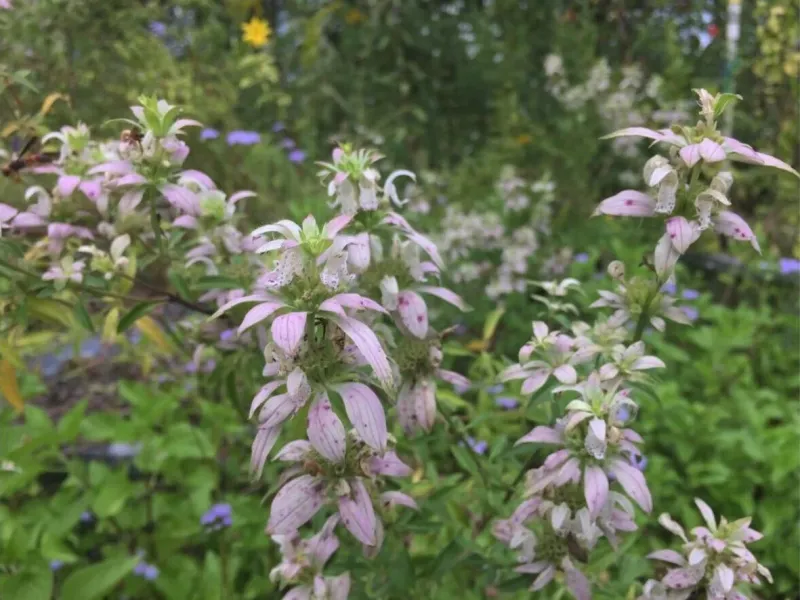
Spotted beebalm looks a little odd in the best possible way. Instead of one simple flower face, it stacks pale bracts and speckled blooms into a quirky, layered display that makes people stop and look twice.
Monarda punctata is native to Florida and is especially well suited to sandy, sunny sites. It has a wilder personality than some bedding plants, but that is exactly why it works in a meadow corner where texture and pollinator value matter more than perfect symmetry.
Bees are strongly drawn to it, and butterflies often visit as well. The spotted tubular flowers offer a different feeding shape from open daisies, helping your small meadow serve a wider range of pollinators.
Spotted beebalm can be a smart choice for gardeners who want something more distinctive than the usual yellow-and-red flower mix. Its soft lavender, cream, pinkish, and green tones blend easily with blanketflower, tickseed, and grasses without looking loud.
Plant it in full sun with good drainage, especially in sandy Florida soil. Once it settles in, it can handle dry conditions better than many lush ornamentals.
Leave a few seed heads if you want a natural reseeding effect, or trim after flowering to keep the patch looking more intentional.