
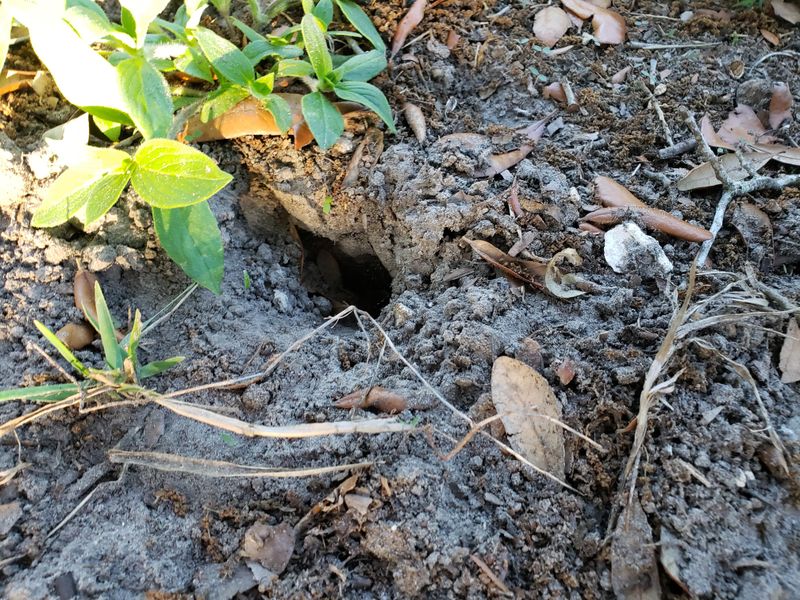
A flock of white ibis can turn a quiet Florida lawn into a busy breakfast spot in minutes. Those curved bills are not random tools, they are made for poking soft ground in search of grubs, mole crickets, worms, and other small prey.
If ibis keep returning to your yard, the lawn is likely giving them easy food, easy footing, or both.
1. Soft, Moist Soil After Rain or Irrigation
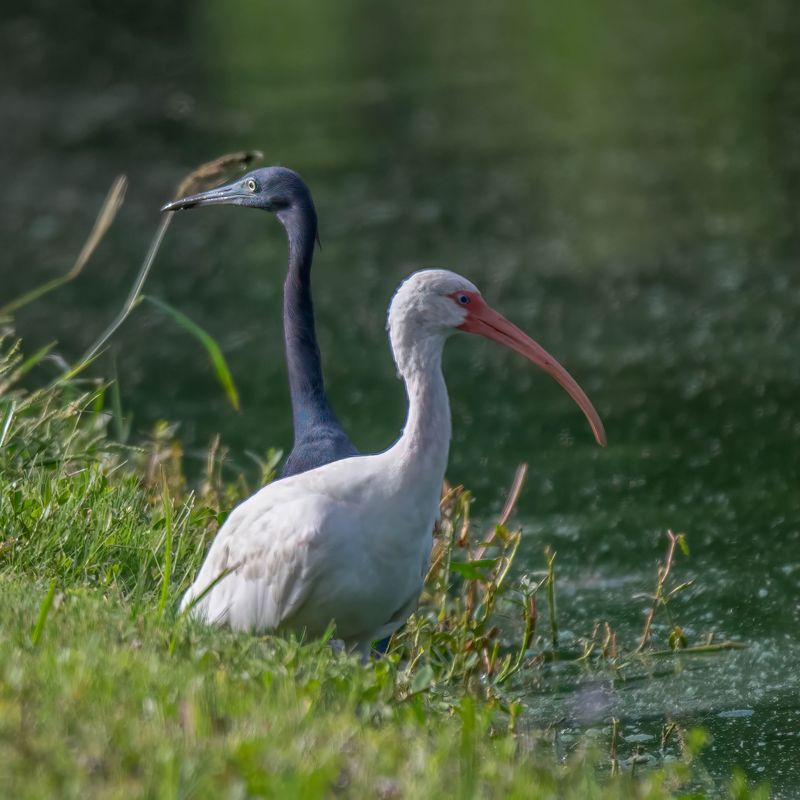
Right after a soaking rain, your yard can feel like a buffet line to white ibis. Soft soil lets their long, curved bills slide into the ground with little effort, which makes hidden insects much easier to reach.
Florida lawns often sit on sandy soil that drains fast, but after heavy rain or a long sprinkler cycle, the top few inches can stay damp enough for probing. That is when grubs, mole crickets, earthworms, and beetle larvae may move closer to the surface.
Ibis notice that change quickly, especially in neighborhoods with ponds, canals, retention basins, or wet ditches nearby.
If flocks show up every time the sprinklers run, check your irrigation schedule. Many Florida lawns do better with deep, less frequent watering rather than daily shallow watering, and local watering rules may limit when you can irrigate.
UF-IFAS guidance often points homeowners toward watering only when grass shows signs of need, such as folded blades or a bluish-gray cast.
Reducing soggy windows will not make ibis disappear from the neighborhood, but it can make your lawn less like the easiest table in the area. You will also help prevent fungal problems, shallow roots, and wasted water.
2. Active Grub Patches Beneath Turf
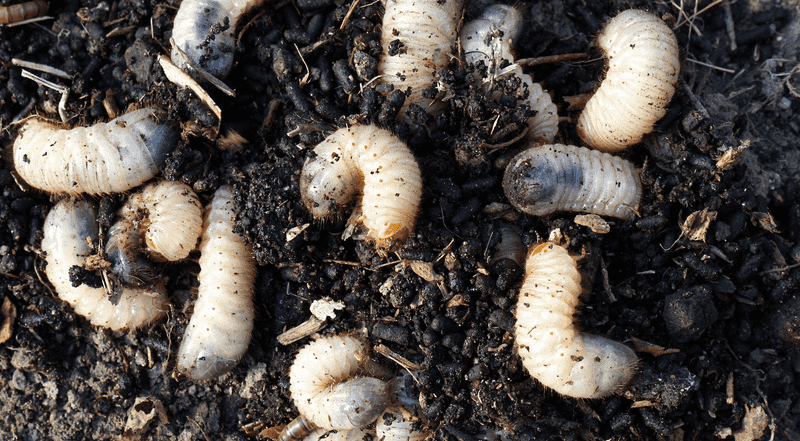
A lawn that looks fine from the sidewalk can still be hiding a crowded nursery of beetle larvae. White grubs live under turf roots, and to an ibis, that underground movement and scent can turn an ordinary patch of St. Augustinegrass or bahiagrass into prime hunting ground.
Grub damage often appears as thinning, yellowing, or loose turf that peels back more easily than healthy grass. In Florida, grubs may be present at different times depending on the beetle species and local conditions.
Ibis are not diagnosing your lawn for you, but repeated feeding in the same weak patches is a clue worth checking.
Before treating, cut and lift a small square of turf along the edge of a damaged area. Finding one grub is not the same as finding an infestation, so avoid reaching for broad insecticides just because birds are visiting.
Overuse can harm beneficial insects and may reduce the natural checks that keep pest populations balanced.
Smart lawn care starts with correct identification. If you see many grubs and damage is spreading, contact your county Extension office or follow UF-IFAS recommendations for timing and product choice.
Healthy roots, proper mowing height, and careful irrigation make turf less inviting to pests and less attractive to hungry ibis.
3. Mole Cricket Activity in Sandy Lawns
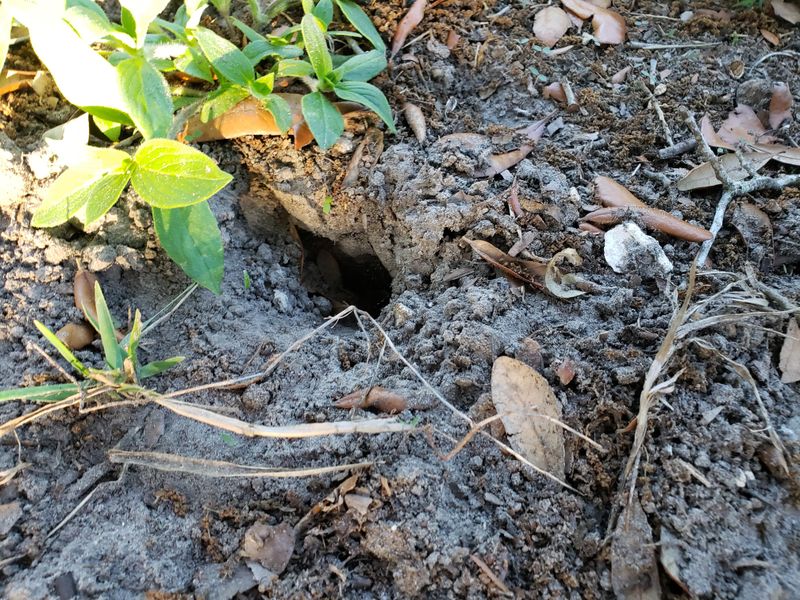
Scratchy little tunnels in the lawn can tell a bigger story than most homeowners expect. Mole crickets thrive in many warm Southern lawns, and Florida’s sandy soil can be especially friendly to their digging habits.
Unlike grubs, mole crickets are active tunnelers. They feed on roots, loosen soil, and create small raised trails or spongy spots that may collapse underfoot.
White ibis are built for this kind of hunt, walking slowly and using their bills like sensitive forceps to find insects moving below the surface.
Bahiagrass and bermudagrass lawns may show damage, and some areas of St. Augustinegrass can suffer too. The problem is not simply that ibis are poking holes.
Birds may be responding to a pest issue that was already weakening the turf before the flock arrived.
A simple soapy water flush can help reveal mole crickets. Mix a small amount of dish soap in water, pour it over a test area, and watch for insects coming to the surface.
If you confirm a problem, timing matters because young mole crickets are usually easier to manage than large adults. Keeping grass vigorous, avoiding excess thatch, and following Florida-specific pest guidance can reduce both mole cricket damage and repeat ibis attention.
4. Low, Open Turf With Easy Walking Room
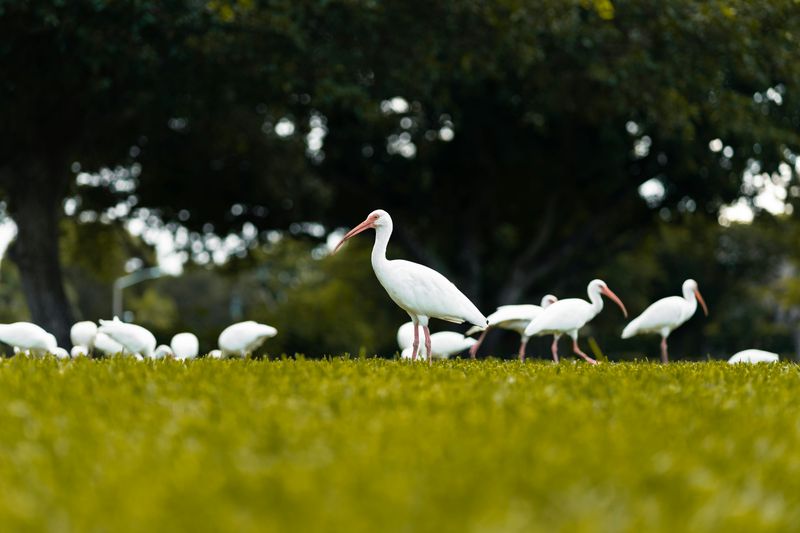
Picture a flock landing in a yard and immediately spreading out like shoppers in a grocery aisle. Open turf gives white ibis room to walk, scan, probe, and keep an eye on one another without squeezing through shrubs or tall plants.
Short, open lawns are especially appealing because ibis can move as a group. Their feeding style depends on steady walking and repeated probing, so a broad patch of clipped grass is much easier to work than a crowded bed of muhly grass, coontie, sunshine mimosa, or other Florida-friendly plantings.
Visibility also matters. Birds feel safer when they can spot pets, people, or predators before danger gets close.
Homeowners sometimes blame the birds for every small hole, but open turf simply makes any feeding activity more obvious. If your lawn is also damp or pest-rich, the clear walking space becomes even more attractive.
A yard near water with a big, quiet front lawn can become part of a regular ibis route.
You do not have to remove your lawn to change the pattern. Expanding mulched beds, adding native shrubs along edges, or creating planted islands can break up the runway effect.
Choose plants suited to your site, especially sandy soil, salt exposure, and flood risk where those apply. The payoff is better curb appeal, more habitat variety, and fewer wide-open feeding lanes.
5. Overwatered or Poorly Drained Low Spots
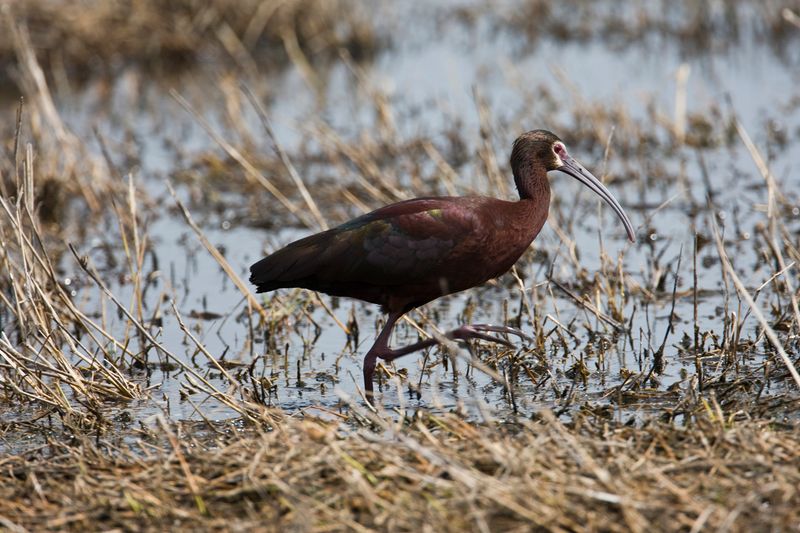
That squishy corner near the downspout may be doing more than annoying your shoes. Low areas that stay wet collect insects, soften the soil, and create the kind of probing conditions white ibis use in natural wetlands.
Florida yards can flood after strong storms, and some neighborhoods hold water longer because of compacted soil, grading problems, or high seasonal rainfall. When water sits in a shallow dip, larvae, worms, and other small creatures often concentrate near the damp edge.
Ibis are comfortable working that wet margin, moving from puddle to turf as they feed.
Poor drainage can also stress grass roots. Weak turf invites pest outbreaks, and pest outbreaks invite more bird activity.
It becomes a cycle: wet soil, struggling lawn, more insects, more ibis, and then more visible probing marks.
Start with the simple fixes. Redirect downspouts away from turf, keep gutters clear, and avoid running irrigation after rain.
For recurring wet pockets, consider a rain garden or a planting bed with Florida-adapted species that tolerate brief flooding. In some yards, a swale or professional grading help may be needed, especially where water threatens the home.
Turning a soggy lawn problem into a planned water-friendly feature can reduce pest pressure while making stormwater work harder for your landscape.
6. Thatch Buildup That Shelters Insects
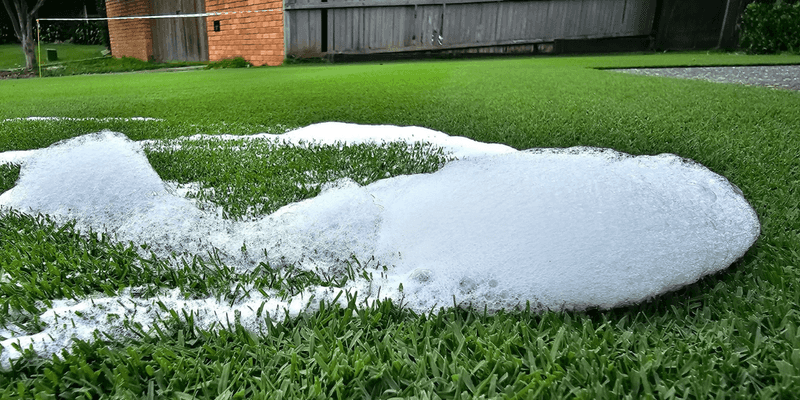
A springy lawn can feel nice under bare feet, but too much thatch can hide a lot of tiny trouble. Thatch is the layer of dead and living stems, roots, and organic material between green grass blades and the soil surface.
In a healthy amount, thatch is not a villain. When it gets thick, though, it can shelter insects, hold moisture unevenly, and make pest control harder.
Mole crickets, grubs, and other small prey may benefit from that protected layer. White ibis do not care about lawn perfection, they care about what is edible beneath the surface.
Florida lawns can build thatch when they are overfertilized, overwatered, or mowed in ways that encourage weak, fast growth. Some grasses are more prone to it than others.
If your lawn feels puffy, scalps easily, or sheds water instead of absorbing it, take a closer look at the thatch layer.
Management depends on the grass type and season, so avoid aggressive dethatching at the wrong time. Proper mowing height, calibrated fertilizer, and irrigation based on need are safer first steps for many homeowners.
A healthier, less thatchy lawn gives pests fewer hiding places and makes ibis feeding less rewarding. As a bonus, it usually looks cleaner and handles Florida heat with less drama.
7. Nearby Water, Roosts, and Regular Feeding Routes

Sometimes the reason is not hidden under your grass at all, it is across the street at the pond. White ibis are wetland birds, and many Florida neighborhoods place lawns right beside canals, lakes, marsh edges, golf course ponds, and stormwater basins.
When a yard sits along a daily travel route, ibis may test it even if the lawn is only moderately pesty. Flocks often move together from roosting or loafing areas to feeding sites, checking soft lawns as they go.
A quiet property with open turf near water can become a regular stop because it is convenient, not because it is uniquely damaged.
Human feeding can make the pattern worse. Bread, crackers, and other handouts are unhealthy for birds and can train flocks to gather around homes, sidewalks, and parking areas.
Once birds associate people with food, they may become bolder and more persistent.
The most wildlife-aware fix is to remove rewards without harassing the birds. Do not feed ibis, secure trash, and talk with neighbors if handouts are drawing flocks.
Add landscape structure with native shrubs, groundcovers, and mulched beds where you do not need open turf. If your lawn borders water, keep fertilizer and pesticides away from the shoreline and follow local ordinances.
You can enjoy the birds as part of Florida life while making your yard less of a daily snack stop.