
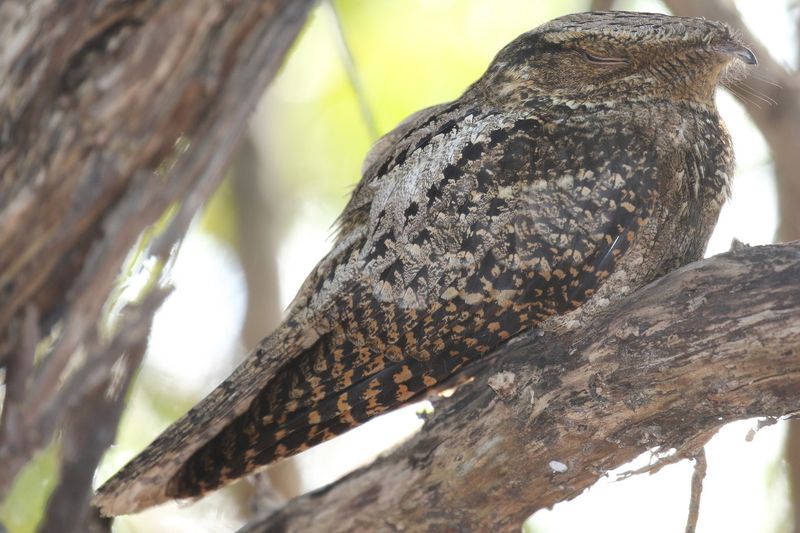
That loud, rolling night call outside your window may be coming from a Chuck-Will’s-Widow. In Florida, these secretive birds often stay hidden by day and become much easier to notice after dark.
Your yard may not be attracting them on purpose, but certain conditions can make it a better calling spot. Here are seven yard features that can bring their voices closer to your house at night.
1. Leafy Edges That Feel Like Natural Cover
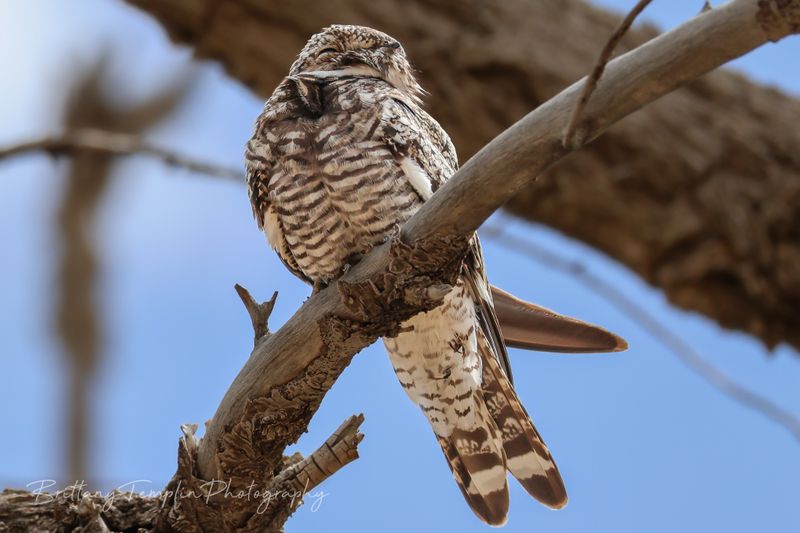
A messy-looking edge can be prime real estate for a bird that would rather disappear than show off. Chuck-Will’s-Widows are masters of blending into brown leaves, pine needles, and dappled shadows, so yards with soft, natural borders can feel safer than wide-open turf.
In many Florida neighborhoods, the best cover sits where lawn meets woods, a privacy hedge, or a line of live oaks and pines. If that strip is not mowed to the dirt, it can offer the kind of low, camouflaged shelter these night birds use during the day before they start calling after sunset.
For homeowners, the practical takeaway is not to let the whole yard go wild. Instead, keep a neat lawn or path near the house and allow one back corner or fence line to hold leaf litter, pine straw, and native shrubs.
That gives wildlife cover while still keeping the space tidy and easier to manage.
2. Open Sandy Patches Near Trees
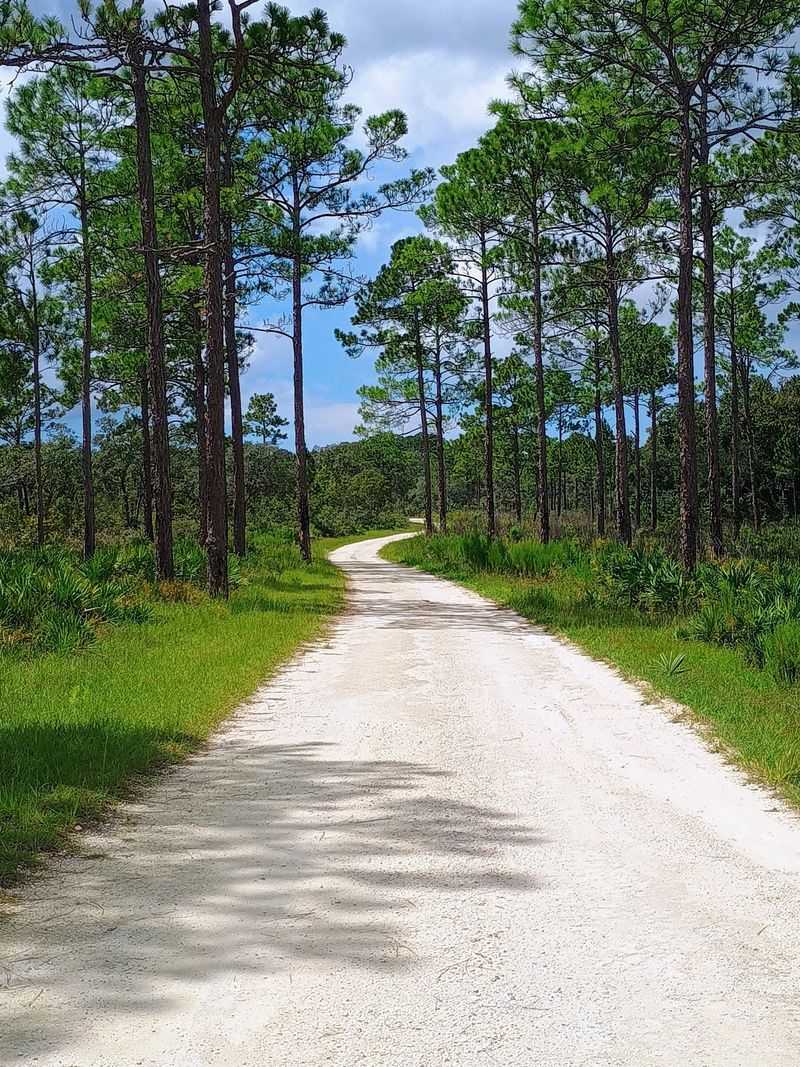
Florida sand has a way of showing up no matter how much you try to hide it. For many gardeners, bare sandy patches look like a problem spot, but to ground-resting nightjars, they can be part of a comfortable landscape when mixed with nearby cover.
Chuck-Will’s-Widows do not need a manicured perch to make their presence known. They often use ground-level areas and low openings, especially where sand, leaf litter, and shade create a broken pattern that helps them stay hidden.
A bare patch under pines, beside a scrubby bed, or near a lightly wooded lot can put them close enough for their call to sound like it is coming from the porch.
If you want a cleaner look without removing all habitat value, use Florida-friendly groundcovers in visible areas and leave less formal sandy pockets farther from doors and walkways. Sunshine mimosa, frogfruit, or other site-appropriate native groundcovers can soften harsh bare spots while still fitting sandy soil better than thirsty turf.
3. Porch Lights That Gather Night Insects
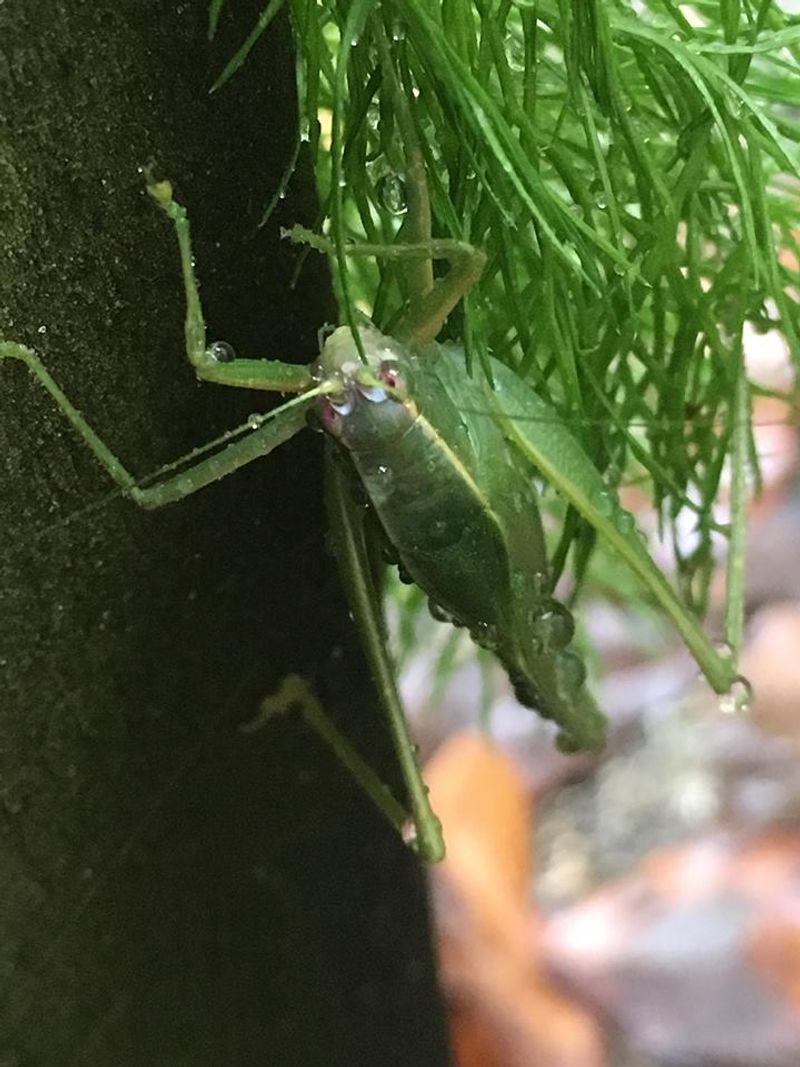
One porch light can turn into a tiny insect buffet after dark. Moths, beetles, and other flying insects often collect around outdoor lights, and that can make the nearby yard more interesting to insect-eating birds.
Chuck-Will’s-Widows feed at night and are known for catching large flying insects. If your porch, garage, or patio lights stay on for hours, the bright zone may concentrate prey near shrubs, sandy ground, or an open driveway edge.
The bird may not be drawn to the bulb itself so much as the food gathering around it.
Florida homeowners also have mosquitoes to think about, so lighting choices matter. Warm, shielded fixtures and motion sensors can reduce unnecessary insect swarms while still keeping paths safe.
Turning off decorative lights when you go inside may make the area less active for nighttime feeders and can also help other wildlife that depends on natural dark cycles.
A small change, such as swapping a glaring white bulb for a warmer, downward-facing light, keeps your outdoor living space useful without making the whole yard glow like a diner sign.
4. Large Native Trees With Dappled Shade
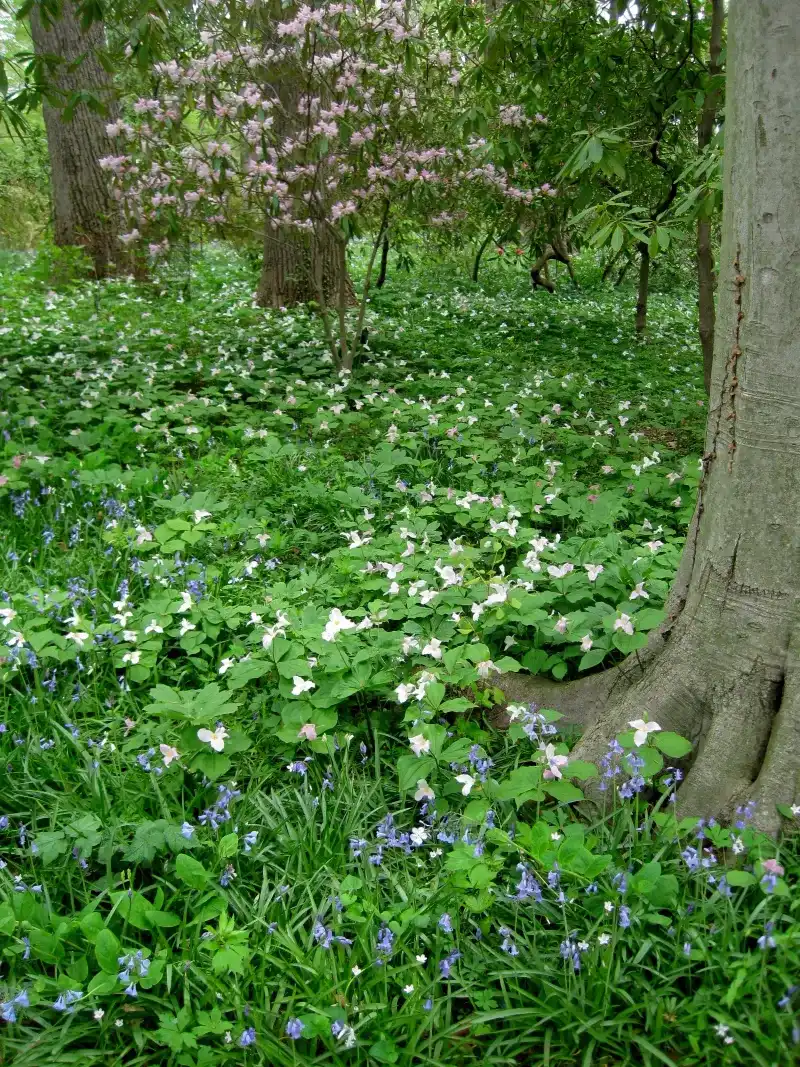
Old trees do more than cool a Florida yard. Their shade, fallen leaves, and insect life can create the layered habitat that makes a property feel closer to a natural woodland.
Chuck-Will’s-Widows are often associated with dry woods, hammocks, pine areas, and scrubby edges, so mature trees can make a big difference. A yard with live oak limbs, pine trunks, cabbage palms, and a loose understory may support more nighttime insect activity than a hot, treeless lawn.
The bird’s call can carry far, but if the sound seems close, nearby tree cover may be one reason.
From a gardening standpoint, shade from native or well-adapted trees is also a gift. It can lower heat stress on plants, reduce watering needs in some beds, and make outdoor spaces more usable in Florida’s long warm season.
Keep trees healthy with proper mulching, avoid piling mulch against trunks, and choose storm-aware pruning from qualified professionals when needed.
For new plantings, favor Florida-appropriate species that fit your lot size. A tree that will not outgrow the space is safer, easier to maintain, and more likely to become a long-term wildlife feature.
5. Quiet Corners Away From Night Activity
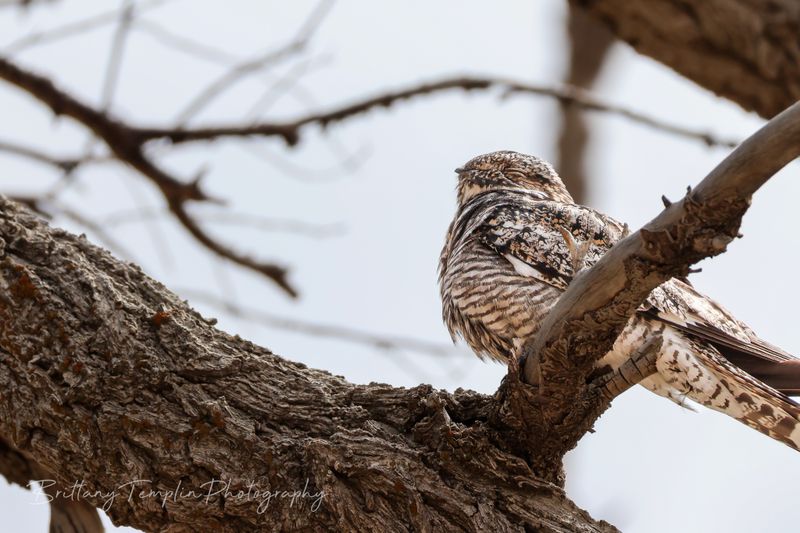
After the grill cools and the patio chairs sit empty, the quietest part of the yard may wake up. Chuck-Will’s-Widows are more likely to be noticed where nighttime noise, foot traffic, and pet activity are low.
A back fence line, side yard, or unused corner beside a wooded lot can become a calling area simply because it feels undisturbed. Dogs roaming after dark, bright floodlights, constant music, and frequent door slamming can make a space less inviting.
A calmer pocket with shrubs, ground cover, and room to move may give the bird enough comfort to call nearby.
Florida yards often double as outdoor rooms for much of the year, so balance is the goal. Keep patios, pool decks, and walkways active and well lit for people, then let farther corners stay darker and quieter when possible.
This kind of zoning can help wildlife while making your yard feel more organized.
If the nightly call is too close to bedroom windows, shift the most attractive cover away from the house over time. Add denser native plantings near the back boundary and keep the foundation area simpler, cleaner, and less insect-rich.
6. Low Native Shrubs That Hold Insect Life
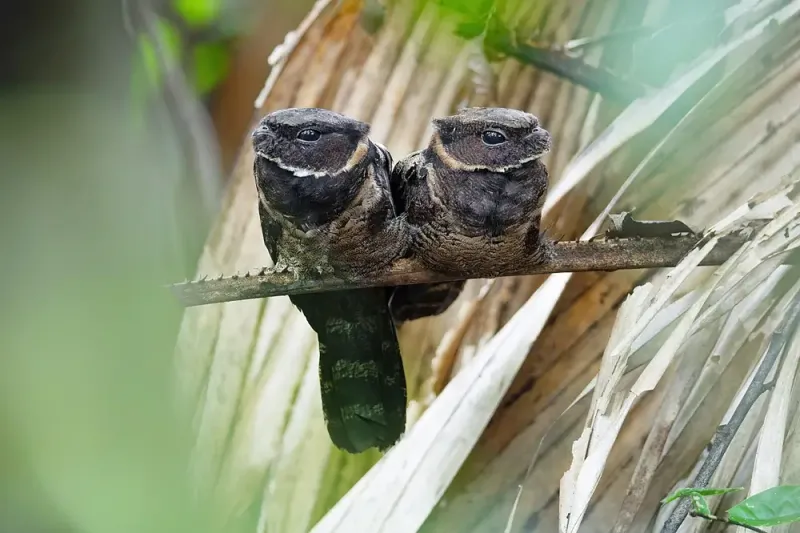
A lively shrub bed can sound silent to us and still be busy after dark. Native plants often support caterpillars, moths, beetles, and other insects that form the base of a healthier backyard food web.
Chuck-Will’s-Widows eat insects, including larger flying prey, so a yard with productive native plantings may offer better hunting than a bed made only of clipped ornamentals and rock mulch. Low shrubs such as beautyberry, coontie, yaupon holly in the right setting, and other Florida-friendly choices can create cover for insects and structure along the ground.
Add leaf mulch or pine straw, and the bed starts working like a small habitat patch.
That does not mean you need a jungle beside the front door. Use native shrubs in planned groups, repeat them for a tidy look, and keep edges defined with a path or mowed strip.
Florida gardeners often get the best low-maintenance payoff when plants match the site, especially sandy soil, sun exposure, and local water limits.
For fewer pest headaches, avoid spraying broad insecticides across the whole yard. Target real problems when needed, and follow UF-IFAS-style integrated pest management guidance so beneficial insects are not wiped out along with the pests.
7. Nearby Scrub, Hammock, or Pine Woods
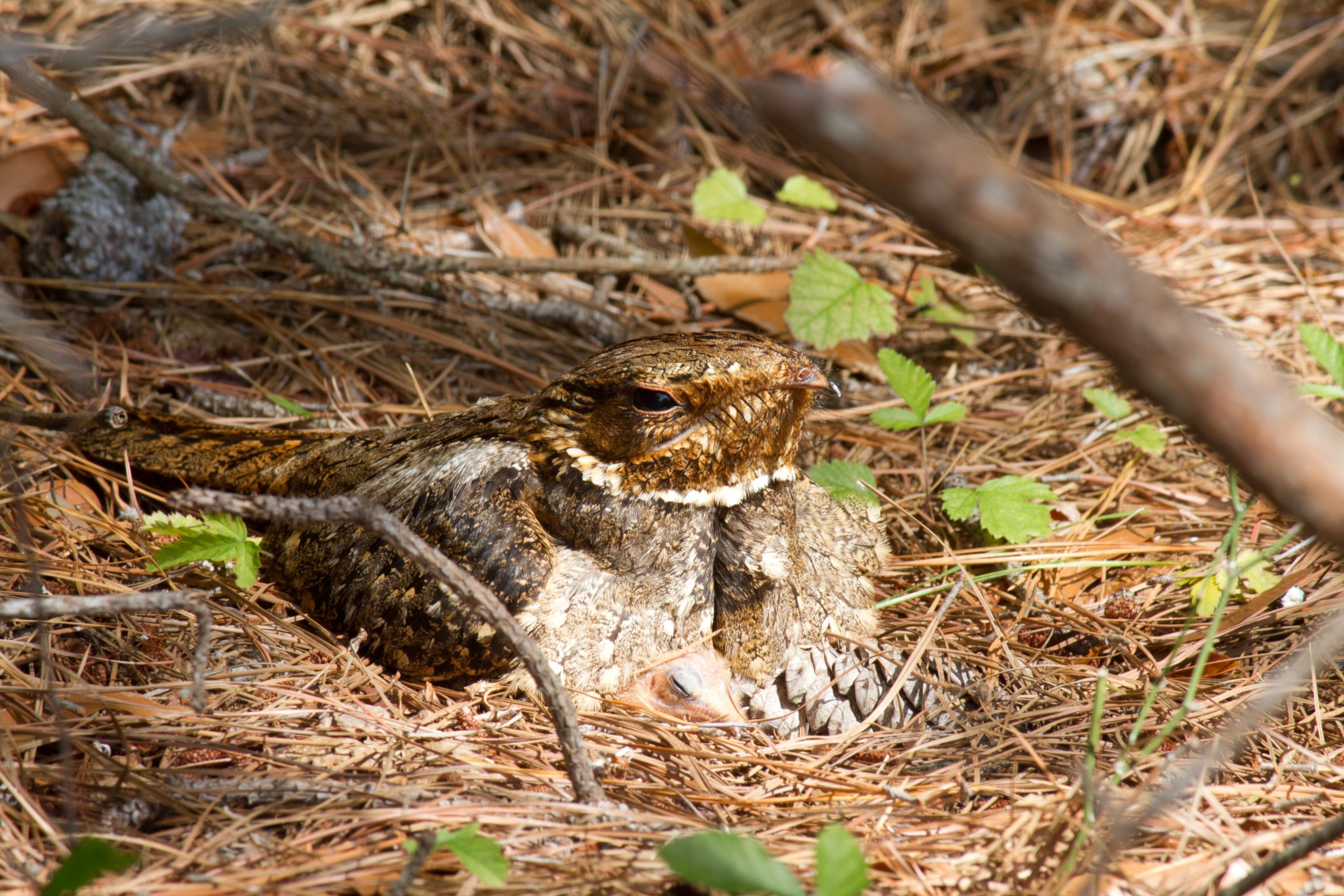
Sometimes the reason is not inside your yard at all. A house next to scrub, hammock, pine flatwoods, or a wooded drainage area may sit beside habitat that already suits Chuck-Will’s-Widows.
The bird’s call is loud and repetitive, and sound can travel in surprising ways on still Florida nights. You may think it is in the flower bed when it is actually calling from the lot next door, a preserve edge, or a strip of trees beyond the fence.
Yards that blend gradually into these natural areas, with open ground, shrubs, and scattered trees, can make the boundary feel less abrupt.
Homeowners near wild edges should think in layers. Keep a defensible, easy-to-maintain zone close to the house, especially where storms, pests, and access matter.
Farther out, use native plants and leaf mulch to create a softer transition into the woods.
A quirky detail: Chuck-Will’s-Widows belong to the nightjar family, a group famous for odd names and after-dark calls. Hearing one near home is a sign that your neighborhood still has pieces of nighttime habitat, even if the bird itself remains nearly impossible to spot.