
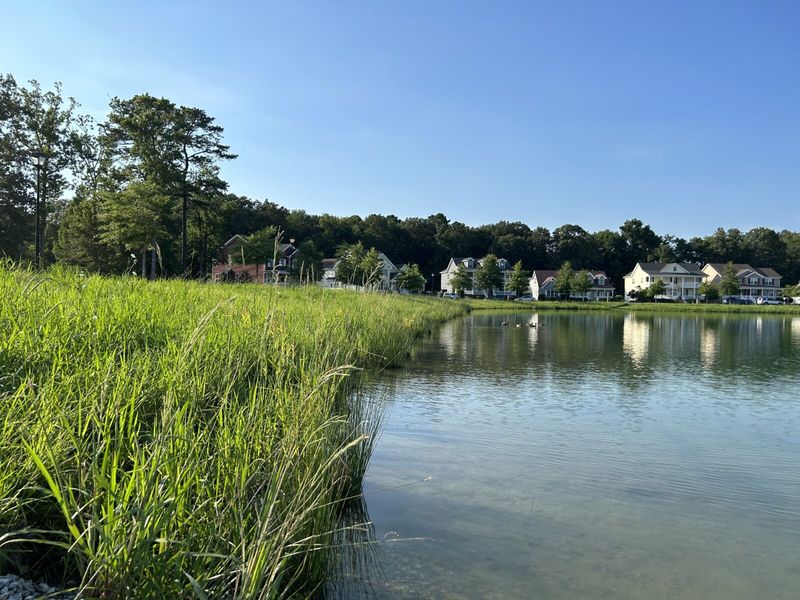
Fall brings cooler nights to Florida, and manatees start paying close attention to safe, comfortable places near shore. If they keep showing up by your dock, your yard and waterfront may be offering something they like.
Knowing what attracts them helps you enjoy the visit without putting these protected animals at risk. A few smart yard choices can keep your shoreline healthy, safe, and wildlife-aware.
1. Warm, Shallow Water Along the Shoreline
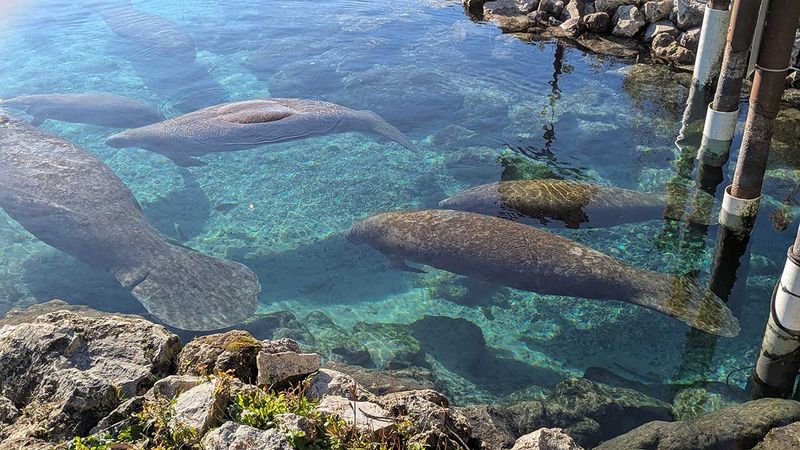
A quiet pocket of shallow water can feel like a cozy rest stop to a manatee when fall temperatures start shifting. Manatees are warm-water animals, so even a small area that holds heat longer than the open canal or river can catch their attention.
Backyard shorelines with gentle slopes, protected corners, or dark bottom sediment may warm faster in the sun. If your dock sits beside a calm cove or a canal bend, the water can stay more comfortable on cool mornings than nearby open water.
Homeowners cannot control where manatees choose to rest, but they can keep these areas safer. Avoid revving boat engines near the dock, do not chase manatees away, and give them plenty of room if they surface close to your seawall.
Florida law protects manatees, and touching, feeding, watering, or disturbing them is not allowed. The best yard move is simple: enjoy the sight from a respectful distance while keeping your shoreline quiet and clutter-free.
2. Seagrass Beds or Aquatic Plants Nearby
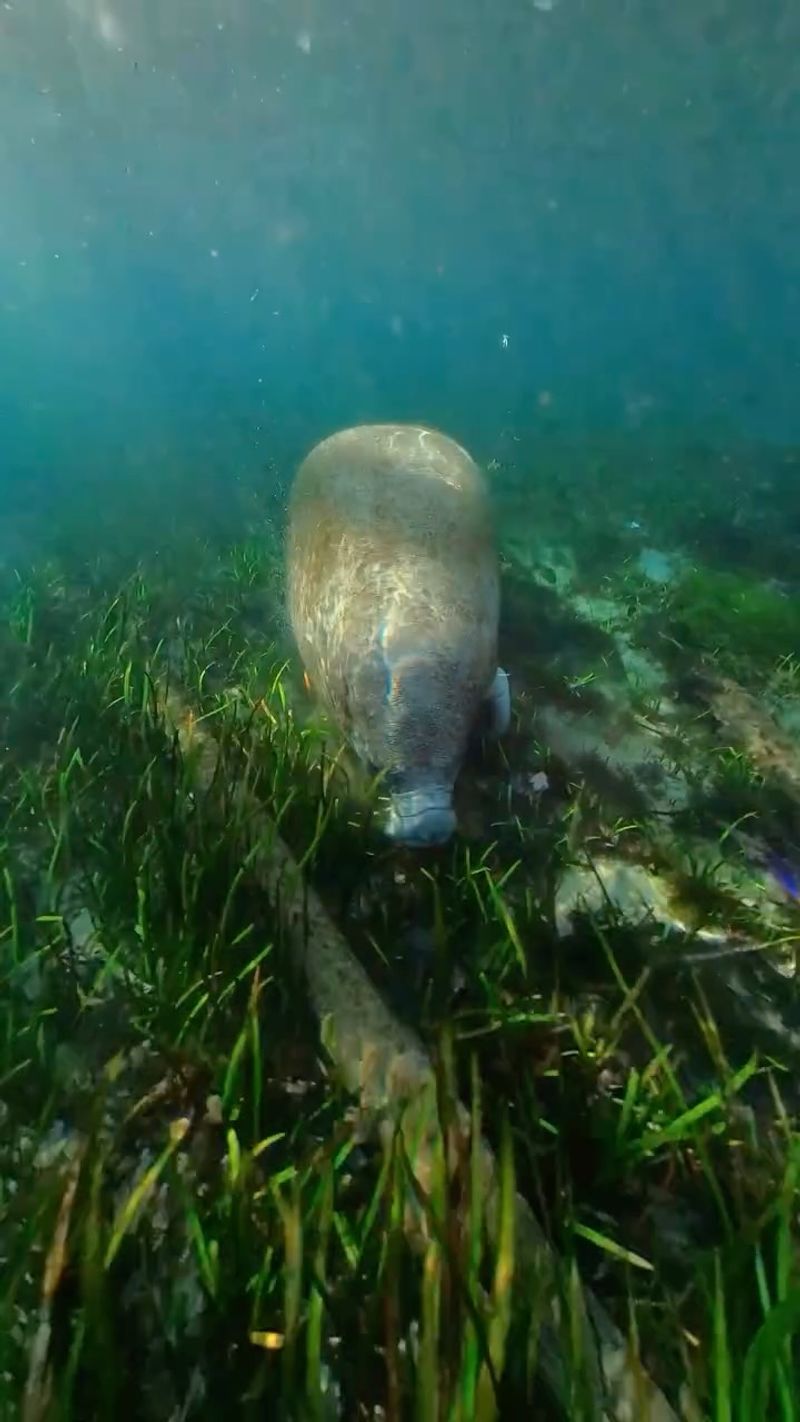
Lunch matters, even for a slow-moving sea cow. Manatees are plant eaters, and a shoreline near seagrass beds or other aquatic vegetation can become a regular stop on their daily route.
Healthy seagrass is especially valuable in Florida waters because it supports fish, crabs, birds, and manatees. If your dock is near clear, shallow water where sunlight reaches the bottom, aquatic plants may grow well enough to attract grazing animals in fall.
Yard care plays a bigger role than many homeowners realize. Fertilizer runoff, grass clippings, soil erosion, and pet waste can cloud the water and feed algae blooms, which can shade out seagrass.
UF-IFAS guidance often points homeowners toward Florida-Friendly Landscaping practices, including using fertilizer carefully and keeping plant debris out of storm drains.
For a practical upgrade, leave a planted buffer between your lawn and the water. Native shoreline plants can slow runoff, trap sediment, and make your dock area better for water quality without turning your yard into a high-maintenance project.
3. Freshwater Drips, Sprinkler Runoff, or Leaky Hoses
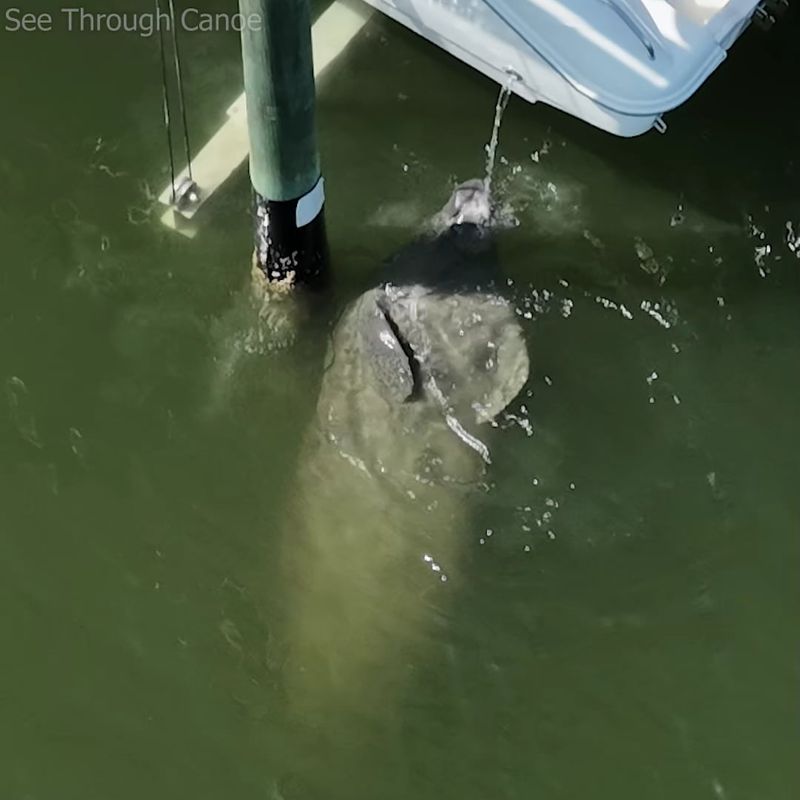
A dripping hose might look harmless, but to a manatee it can act like a dinner bell. Manatees are known to investigate freshwater sources, which is why dockside hoses, irrigation runoff, and leaky outdoor faucets can create risky attention.
Here is the problem: giving manatees fresh water, even by accident, can change their natural behavior. They may start associating docks and people with water, which brings them closer to boats, fishing lines, props, and crowded waterfront activity.
Fall is a good time to inspect your irrigation because many Florida yards shift from heavy summer watering to more careful seasonal use. Check hose bibs, sprinkler heads, and timers near the waterfront.
A small leak may waste water, stain hardscapes, and invite manatees into a spot where they should not linger.
If a manatee approaches while you are rinsing a boat or watering plants, turn off the water and step back. Never spray, pour, or offer water to a manatee.
The kindest choice is to remove the attraction and let the animal move on naturally.
4. Quiet Dock Zones With Little Boat Traffic
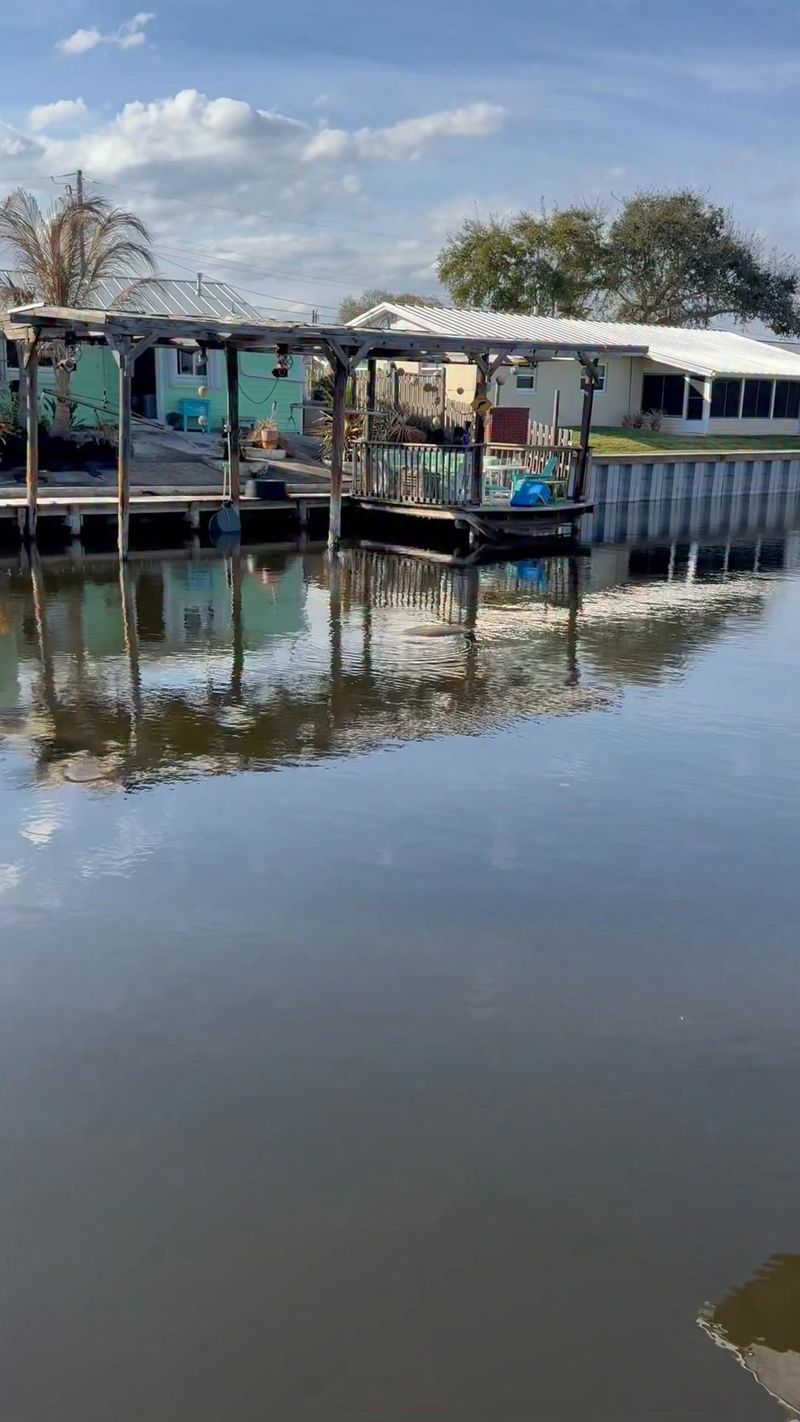
Some docks feel more like a porch than a highway, and manatees notice the difference. A low-traffic canal, idle-speed zone, or sheltered backwater can give them a calmer place to rest between feeding areas.
Manatees surface often to breathe, and they move slowly. When a dock sits along a busy boating route, lingering can become dangerous.
In quieter spots, they may spend more time floating, nursing calves, or easing along the shoreline without constant disturbance.
Florida homeowners can support safer conditions by following posted manatee zones and encouraging guests to do the same. If your property has a boat lift or slip, slow down well before reaching the dock.
Look for circular swirls, a snout breaking the surface, or a broad tail below the water before moving a vessel.
Dock design and habits matter too. Keep lines secured, avoid dangling ropes, and store fishing gear out of the water.
A clean, quiet dock is not just nicer to look at, it reduces hazards for wildlife that may pass through your backyard canal this fall.
5. Native Shoreline Plants That Filter Runoff
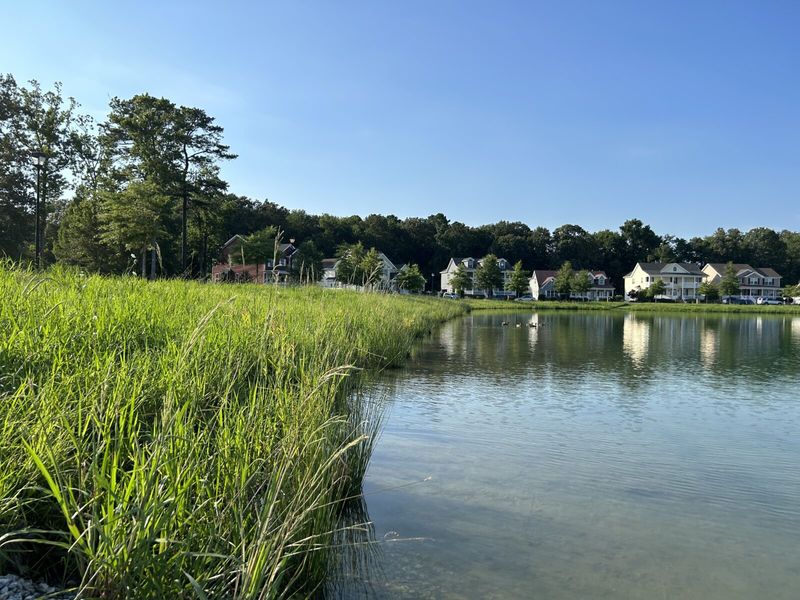
Picture a soft green edge instead of a bare drop from lawn to seawall. Native shoreline plants can make a waterfront yard look more finished while helping protect the water manatees depend on.
Plants along the bank slow rainwater before it reaches the canal, lagoon, or river. That matters in Florida, where sandy soil drains fast and heavy storms can wash fertilizer, pesticides, and loose soil straight into waterways.
Cleaner water supports healthier aquatic plants, and those plants are part of the bigger habitat manatees use.
Good choices depend on whether your shoreline is brackish, freshwater, salt-exposed, sunny, or partly shaded. Many Florida gardeners look to UF-IFAS and local extension resources before planting near water because rules, site conditions, and native plant options vary by county.
For a lower-effort start, create a no-mow strip or planted buffer near the dock instead of running turf to the edge. Muhly grass, fakahatchee grass, railroad vine, sea oxeye daisy, or other site-appropriate natives can add texture while reducing runoff.
The payoff is practical: less erosion, better curb appeal from the water, and a shoreline that works harder during fall storms.
6. Overhanging Shade and Calm Resting Corners
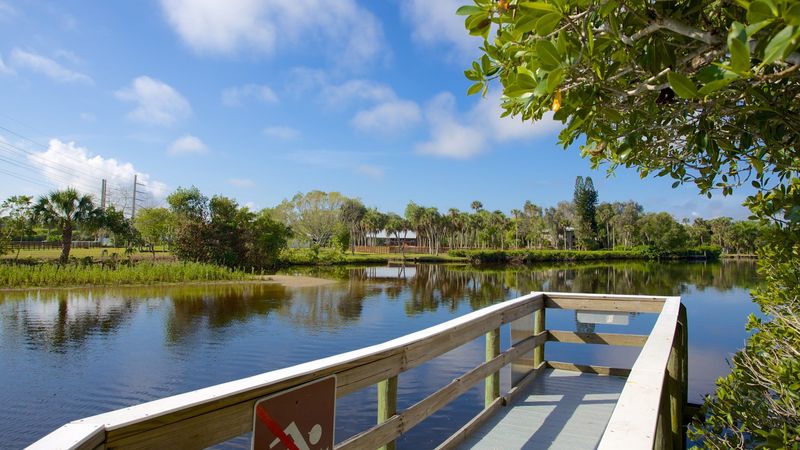
Not every manatee visit is about feeding. Sometimes the appeal is a still corner where wind, wakes, and bright sun are softened by trees, pilings, or the shape of the shoreline.
Overhanging vegetation can shade the water and create a sense of cover along the edge. In fall, when the sun angle shifts and afternoon heat still lingers in much of Florida, shaded pockets may stay comfortable without the rough movement found in open water.
There is a catch for homeowners. Low branches, storm-damaged limbs, and loose yard debris can create problems if they fall into the water or trap fishing line.
After windy weather, walk your shoreline and remove trash, plastic pots, broken landscape edging, and loose netting before it becomes a wildlife hazard.
A well-kept shady edge can be both attractive and responsible. Prune trees for health and hurricane readiness, not for a stripped-clean look.
Leave natural cover where appropriate, but keep the dock area free of snagging hazards so manatees, turtles, birds, and fish can move through safely.
7. Low-Chemical Lawns and Cleaner Stormwater
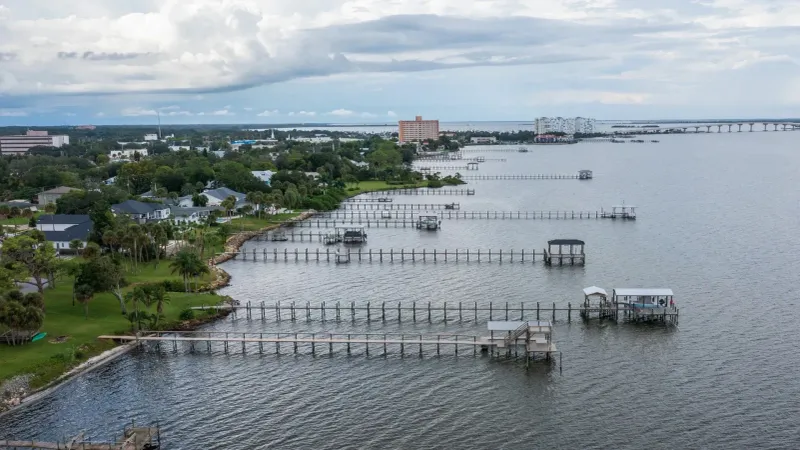
A tidy lawn can still cause trouble if every rainstorm carries chemicals toward the water. Manatees do not linger because of lawn products, but cleaner stormwater helps protect the aquatic habitat that keeps them in an area.
Florida fall can bring heavy showers, tropical systems, and warm days that keep grass growing. When fertilizer or pesticides are applied too close to rain, runoff can move quickly through sandy soil or across hard surfaces into canals and bays.
That pollution can fuel algae problems, which may reduce water clarity and stress seagrass.
For homeowners, the fix is not complicated. Follow local fertilizer ordinances, choose slow-release products when appropriate, sweep granules off driveways, and avoid treating right before storms.
Many Florida counties have rainy-season fertilizer rules, so check your local guidance before applying anything near waterfront property.
Rain gardens, swales, mulch beds, and Florida-Friendly plantings can slow water and filter it before it reaches the dock. Cleaner runoff means a healthier shoreline, fewer wasted products, and better conditions for the plants and animals that make Florida waterfront yards so special.