
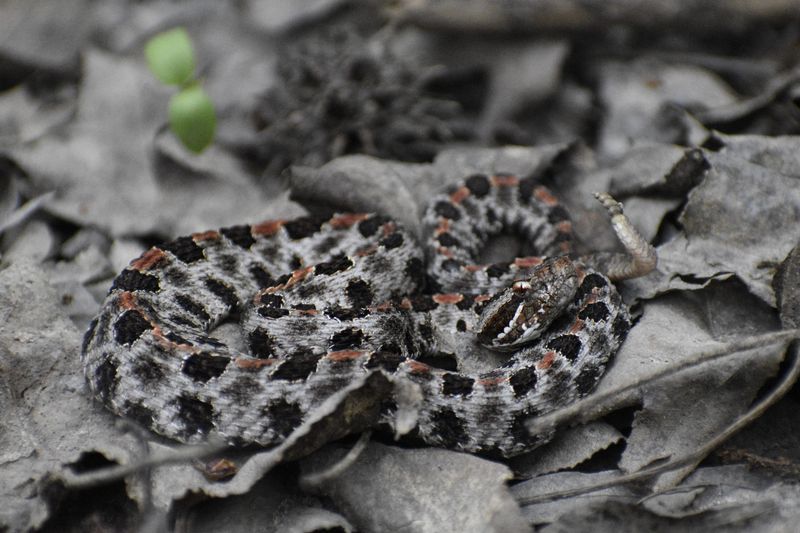
A small pile of leaves can look harmless, especially under shrubs or along a fence. In Florida, though, warm weather, thick plantings, and hidden moisture can turn those piles into shelter for wildlife, including pygmy rattlesnakes.
These snakes are small, well-camouflaged, and easy to miss until you are too close. Here are seven yard features that make leaf piles more inviting, plus safer ways to keep your landscape tidy.
1. Dense Foundation Shrubs With Leaf Litter Underneath
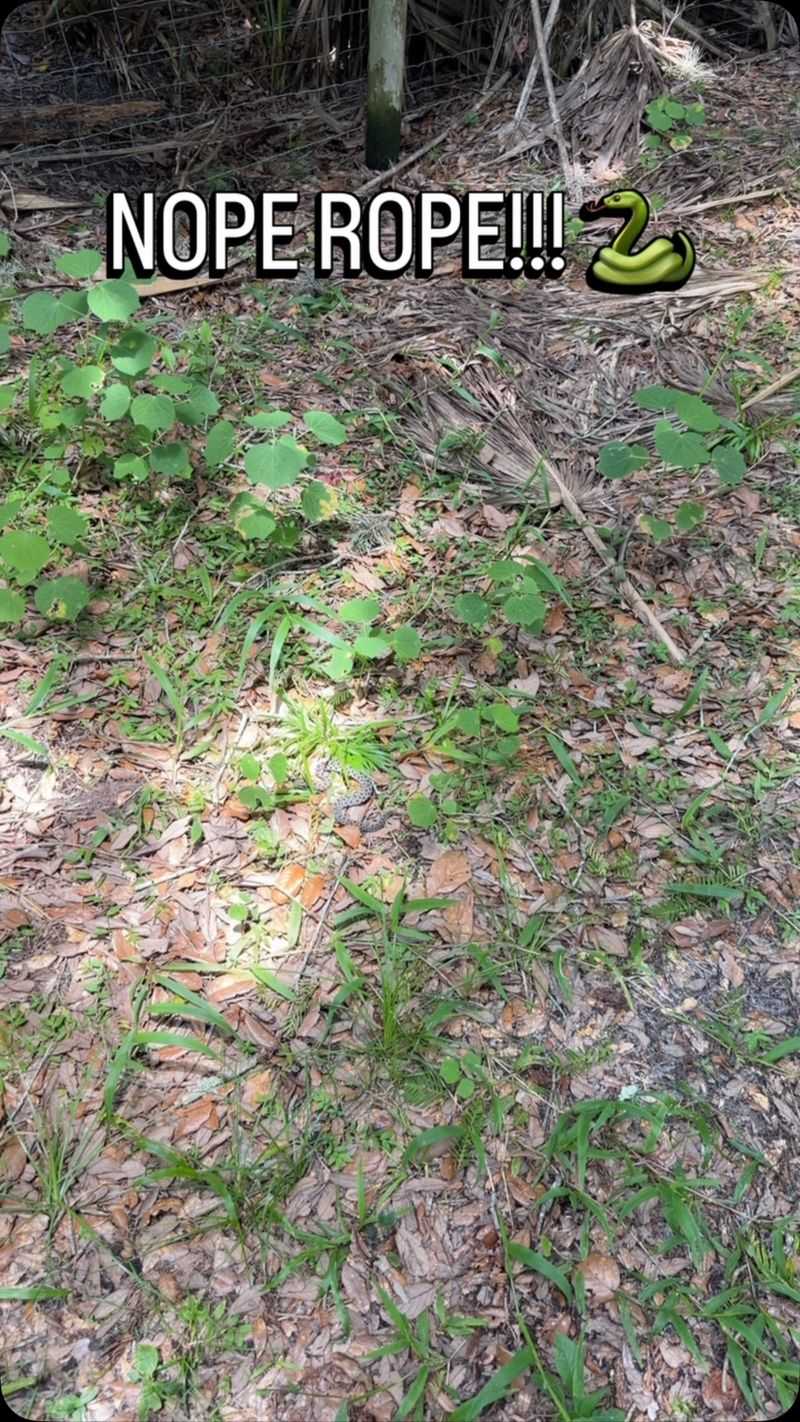
The trouble often starts right beside the house, where shrubs grow thick and leaves collect where nobody looks closely. In many Florida yards, azaleas, viburnum, podocarpus, ligustrum, and overgrown hollies can form a shaded skirt that traps fallen leaves beneath the branches.
That hidden layer can stay cooler and damper than open lawn, especially after afternoon storms or irrigation. Pygmy rattlesnakes are small, often less than two feet long, and their gray or reddish-brown pattern blends well with dry leaves, pine needles, and sandy mulch.
Foundation beds become even more attractive when shrubs touch the wall, hide the ground, or leave small tunnels along the house. Lizards, frogs, insects, and small rodents may also use the same cover, which gives snakes a reason to linger.
Keep shrubs lifted a few inches off the ground so you can see the soil line. Rake leaves out with a long-handled tool, not your hands, and prune plants so air and light reach the base.
A clean edge, open visibility, and a thinner mulch layer make this spot less like a private shelter and more like a managed planting bed.
2. Stacked Firewood and Yard Debris Beside Leaf Piles
Firewood piles have a way of becoming the yard corner everyone forgets. Add oak leaves, palm boots, sticks, and a few old plant pots around the base, and the whole area can become a layered hiding spot with cracks, shade, and easy escape routes.
Unlike a simple leaf pile on open ground, stacked wood creates little rooms. Those gaps can shelter insects, skinks, anoles, tree frogs, and mice, which are all part of the backyard food web.
A pygmy rattlesnake does not need a large space to disappear, and the broken pattern of bark and leaves makes spotting one difficult.
Florida humidity makes the lower pieces of wood especially appealing to many small animals. When leaves pack against the stack, they hold moisture longer and reduce foot traffic, giving shy wildlife a quiet place to rest.
Store firewood at least several inches off the ground on a rack, and keep it away from doors, patios, and children’s play areas. Clear leaves from the base often, especially after storms.
If you need to move old wood, wear closed-toe shoes and gloves, lift pieces with care, and avoid reaching blindly into gaps.
3. Low Decks, Raised Sheds, and Shaded Crawl Spaces
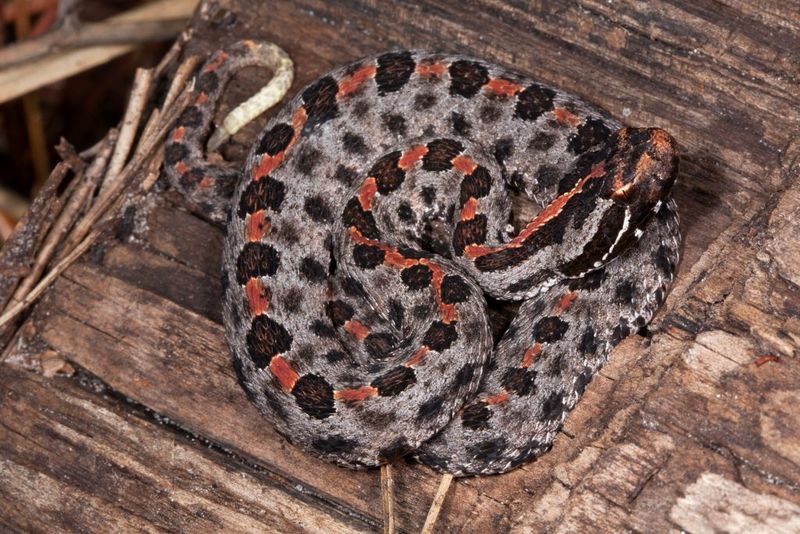
Under a low deck, the yard can feel like a secret basement. Leaves blow in, rainwater drips through, and the space stays shaded while the rest of the lawn bakes in Florida sun.
Raised sheds, playhouses, and low porches create similar conditions. They protect leaf piles from wind, slow drying after rain, and give small animals a place to move without being exposed to hawks, pets, or people.
For a pygmy rattlesnake, that combination can be useful, especially in neighborhoods near wetlands, pine flatwoods, retention ponds, or natural areas.
The biggest risk for homeowners is poor visibility. You may only notice the leaves when a ball rolls under the deck or when you reach for a stored hose.
Because pygmy rattlesnakes often stay still instead of fleeing, a hand or foot can get too close before anyone realizes what is there.
Block leaf buildup before it starts by installing sturdy lattice, hardware cloth, or screening that still allows airflow. Keep storage bins sealed and off the soil, and use a rake or blower to clear the edges.
A bright, open, easy-to-inspect space is far less inviting than a dark pocket packed with leaves.
4. Thick Groundcovers That Trap Oak Leaves
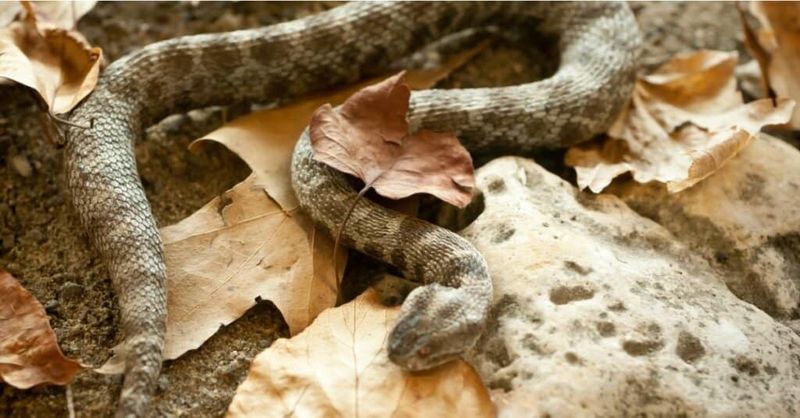
A lush groundcover looks tidy from the sidewalk, but the view from ground level can be very different. Dense plantings such as Asiatic jasmine, wedelia-like mats, sprawling liriope, or thick ornamental peanut can catch oak leaves and hide them under a green surface.
That makes groundcover different from regular mulch. With mulch, you can usually see where leaves are piling up.
With a dense mat, leaf litter slips below the top growth and forms a soft, insulated layer that is hard to inspect without parting the plants.
Florida gardeners like groundcovers because they reduce mowing and help fill sandy beds, but they still need maintenance. When they grow too deep or creep into unused corners, they can shelter lizards, insects, frogs, and other small creatures.
In areas where pygmy rattlesnakes live, that hidden activity can make the bed more appealing.
Choose groundcovers you can keep trimmed and open at the edges. Thin dense mats once or twice a year, and avoid letting them swallow irrigation boxes, stepping stones, or fence lines.
When cleaning, use a rake, hoe, or grabber instead of bare hands. The goal is not a sterile yard, but a planting you can see into and manage safely.
5. Palm Boots, Fallen Fronds, and Messy Tropical Corners
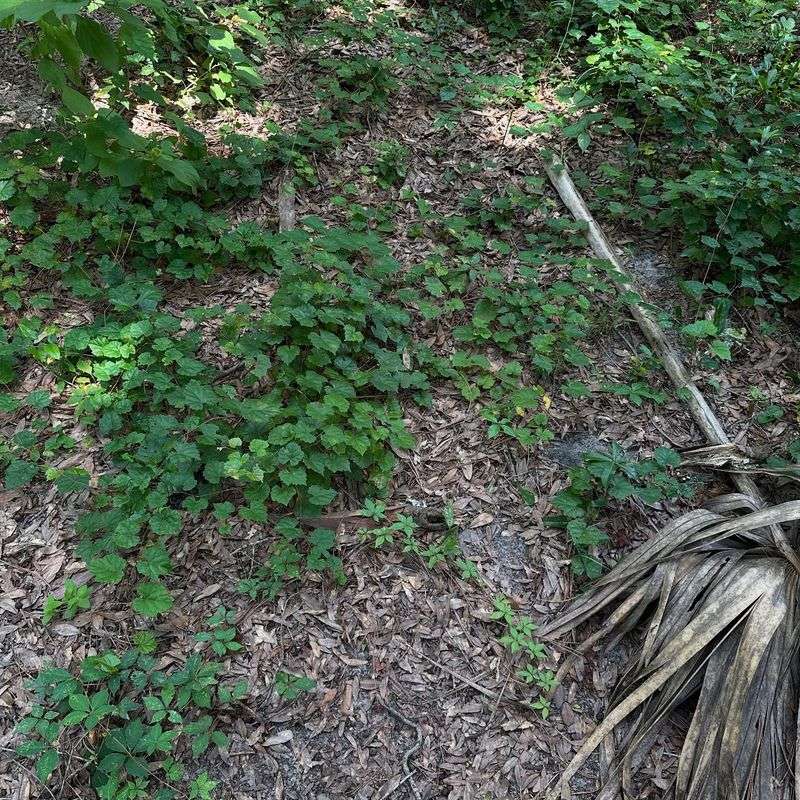
Nothing says Florida yard work quite like dragging palm fronds after a windy afternoon. When those fronds, palm boots, and broad tropical leaves get tossed into a back corner, they can create a stiff, tangled cover that is very different from a flat pile of leaves.
Palm debris leaves open pockets underneath. The ribbed stems, dried boots, and curled fronds create shade with air gaps, so small wildlife can slip through without being crushed.
Add fallen live oak leaves or pine needles, and the pile becomes even better camouflaged.
Messy tropical corners often sit near fences, utility areas, or side yards where people rarely walk. Crotons, bananas, gingers, and philodendron-type plantings can drop large leaves that hide what is happening at soil level.
In warm, humid Florida conditions, that quiet zone can attract insects and the animals that feed on them.
Set a regular cleanup day after storms or heavy winds, especially during hurricane season and fall leaf drop. Cut fronds into smaller pieces for pickup or composting rather than leaving them stacked against a fence.
If you keep a brush pile for wildlife, place it far from patios, doors, and play spaces, and make sure everyone in the household knows not to reach into it.
6. Irrigation Leaks and Damp Mulch Pockets
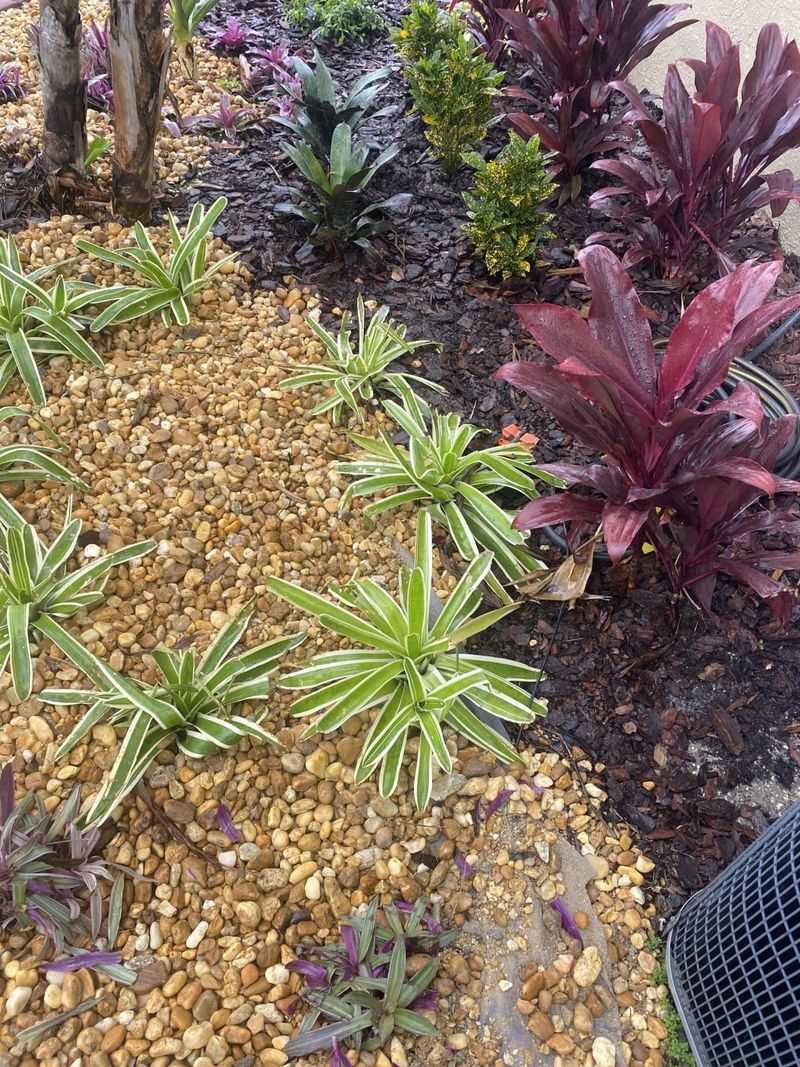
A tiny irrigation leak can turn an ordinary leaf pile into the coolest spot in the bed. In Florida’s sandy soil, water usually drains fast, so any place that stays damp stands out to insects, frogs, toads, and other small yard animals.
Moisture changes the whole feel of a hiding place. Damp leaves break down faster, smell earthy, and hold cooler temperatures during hot afternoons.
Pygmy rattlesnakes are not looking for soggy ground all day, but a shaded, moist pocket near food activity can be a useful resting or hunting area.
Watch for clues before the problem grows. Mushy mulch, algae on edging, constantly wet pavers, or one plant that looks overwatered can point to a broken emitter, misdirected sprinkler, or low spot.
Leaf piles near air-conditioner drain lines and hose bibs deserve the same attention.
Fix leaks quickly, then pull wet leaves away with a rake and let the area dry. Keep mulch at a moderate depth, generally not piled high against stems or walls, and avoid burying irrigation parts where you cannot inspect them.
A drier, cleaner bed is better for many plants and less useful as a hidden wildlife pocket.
7. Fence Lines With Vines, Weeds, and Blown-In Leaves
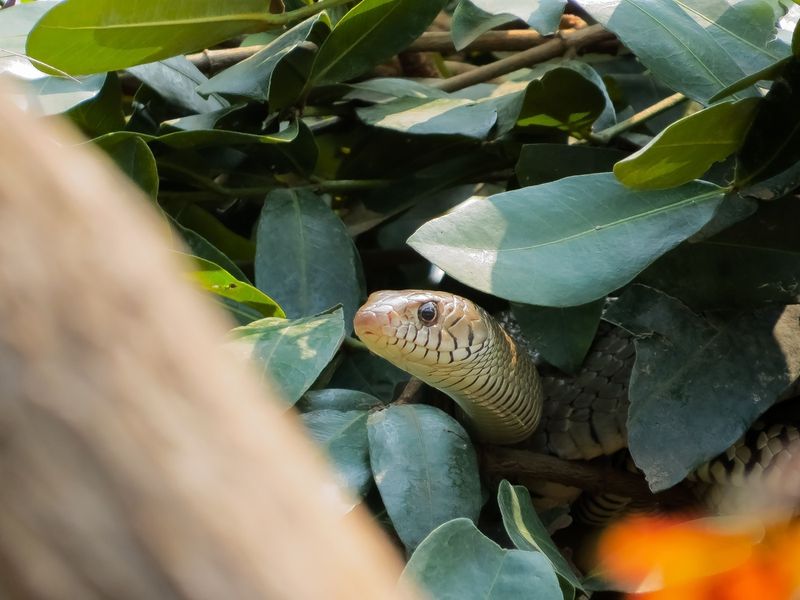
Along the fence is where leaves go to disappear. Wind pushes them into the bottom rail, vines hold them in place, and weeds fill the gaps until the edge of the yard becomes a long, narrow tunnel.
Fence lines are different from single piles because they connect hiding places. A snake, lizard, frog, or mouse can move from a shrub bed to a compost area to a shed without crossing much open ground.
In Florida subdivisions that border preserves, canals, retention ponds, or wooded lots, those connected edges can function like wildlife paths.
Climbing vines and volunteer seedlings make the problem harder to see. Air potato, smilax, grapevine, and other vigorous plants can weave through fencing and trap oak leaves, pine needles, and grass clippings.
The thicker the fence edge gets, the more likely people are to ignore it until cleanup becomes a big job.
Walk the fence line monthly with a rake and pruning shears, especially after storms. Remove blown-in leaves, cut back vines before they knit into the fence, and keep a narrow clear strip where you can see the ground.
For privacy, use maintained shrubs or panels rather than a tangled mix of weeds and leaf litter.