
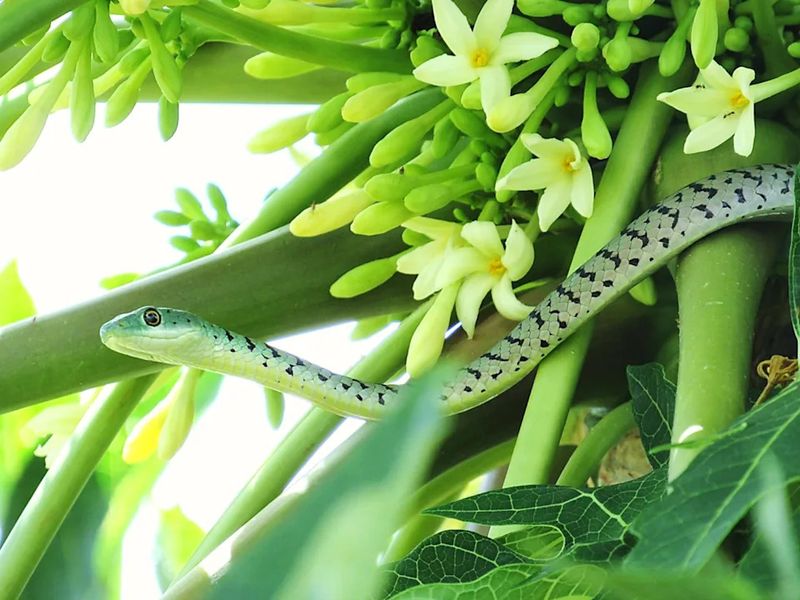
Snakes usually visit a yard for two simple reasons: food and hiding places. Some common Florida landscape plants can create cool, damp cover where frogs, lizards, insects, and rodents also feel safe.
That does not make the plants bad, but it does mean they can turn a busy yard edge into a snake-friendly shortcut. Here are seven plants to rethink, plus Florida-native swaps that keep your beds attractive without building such perfect hiding spots.
1. Asiatic Jasmine
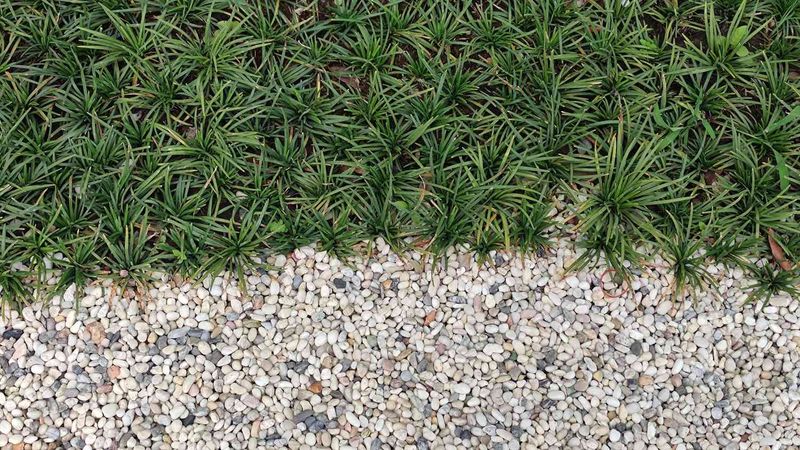
A thick carpet of Asiatic jasmine can look tidy from the driveway, but near the soil it acts like a low green roof. In Florida yards, that roof holds shade, leaf litter, insects, small lizards, and moisture after irrigation or rain.
Snakes are not coming because they love the plant itself. They are using the protected travel lane it creates, especially along fences, AC pads, patios, and foundation beds where people rarely reach in and clean.
The bigger issue is access. When Asiatic jasmine gets deep, you may not see what is moving underneath until your hand, rake, or hose is already there.
For a Florida-native replacement, try sunshine mimosa in sunny spots. It stays lower, offers soft ferny leaves and pink puffball flowers, supports pollinators, and is easier to visually check when kept clipped along walkways.
In part shade, frogfruit is another smart native option. Plant it in patches with visible mulch or shell paths between areas, so the bed still reads as designed instead of becoming one unbroken hiding mat.
2. English Ivy
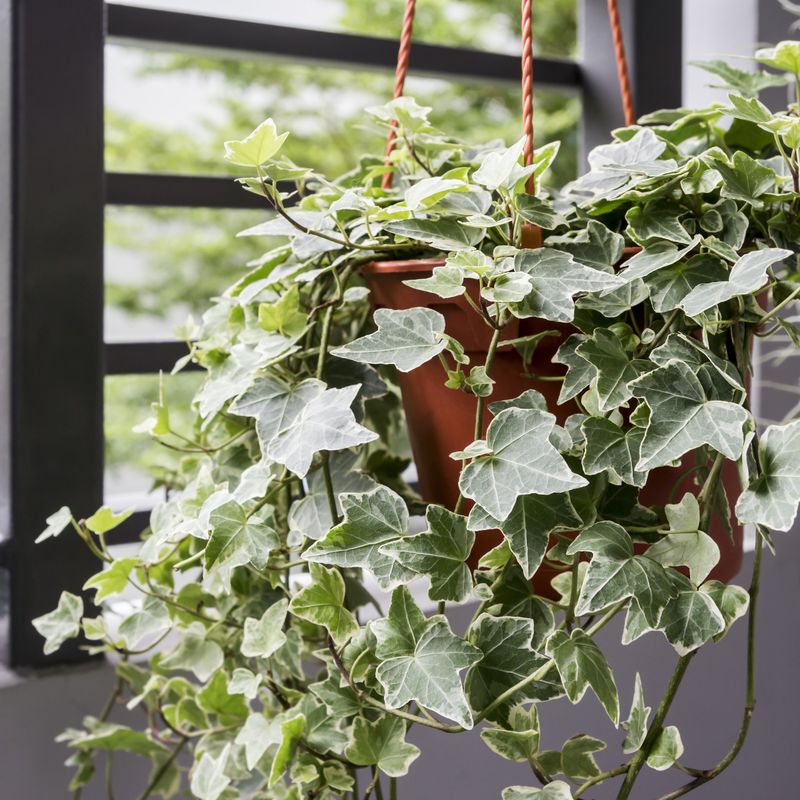
Old brick walls and shaded side yards can make English ivy look charming, almost like something from a cottage postcard. In Florida, though, that charm can quickly turn into a tangled, damp blanket that hides more than bare soil.
Ivy creates layered cover where roaches, small rodents, frogs, and anoles can move without much exposure. That little food web can attract snakes looking for an easy meal or a cool resting place during hot afternoons.
Another drawback is maintenance. Dense ivy near walls, crawl spaces, and drain areas can make it harder to spot burrows, gaps, shed skins, or pest activity before it becomes a bigger home-care problem.
A better native choice for shade is oakleaf hydrangea, especially where you want a fuller planting with seasonal flowers. It gives structure without forming the same crawling mat across the entire ground.
For lower cover, use native woodland species such as green and gold in North Florida where conditions fit, or coontie in many Central and South Florida landscapes. Keep plants grouped with open inspection space near the foundation.
3. Mexican Petunia
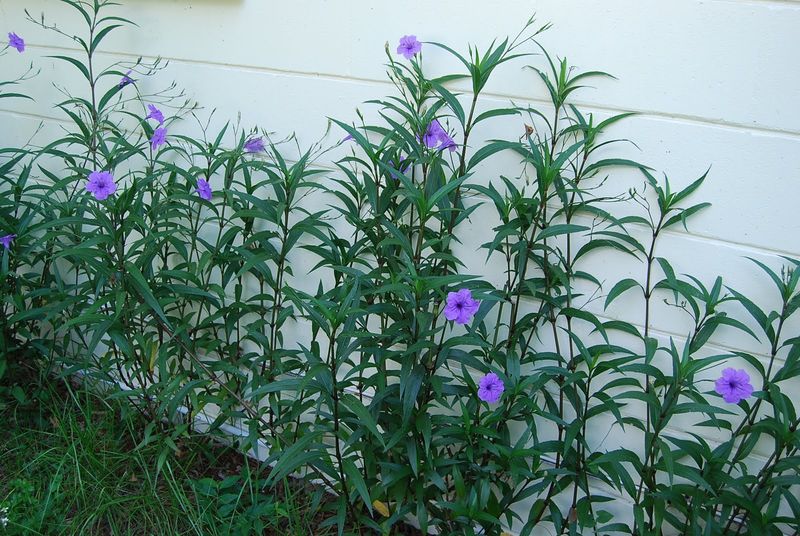
Purple blooms can fool you. Mexican petunia looks cheerful beside a patio or drainage dip, yet in many Florida landscapes it spreads into dense colonies that are hard to thin once they settle in.
Those crowded stems are especially attractive around wet spots. Frogs, insects, and small animals often gather where the soil stays damp, and snakes may follow that activity along swales, pond edges, and low corners after rain.
UF and Florida-friendly gardening resources often warn homeowners to be careful with invasive or spreading plants, and Mexican petunia is a good example of why. A pretty patch can become a thick, hard-to-see zone right where you need clear footing.
Swap it for blue-eyed grass in sunnier, moist areas where you want a grassy look with small blue-purple flowers. It is native, neat, and less likely to make a wall of stems along a path.
For a bolder native border, consider swamp sunflower where space allows. Give it room, cut it back as needed, and avoid planting tall masses tight against doors, hose bibs, and pool equipment.
4. Liriope
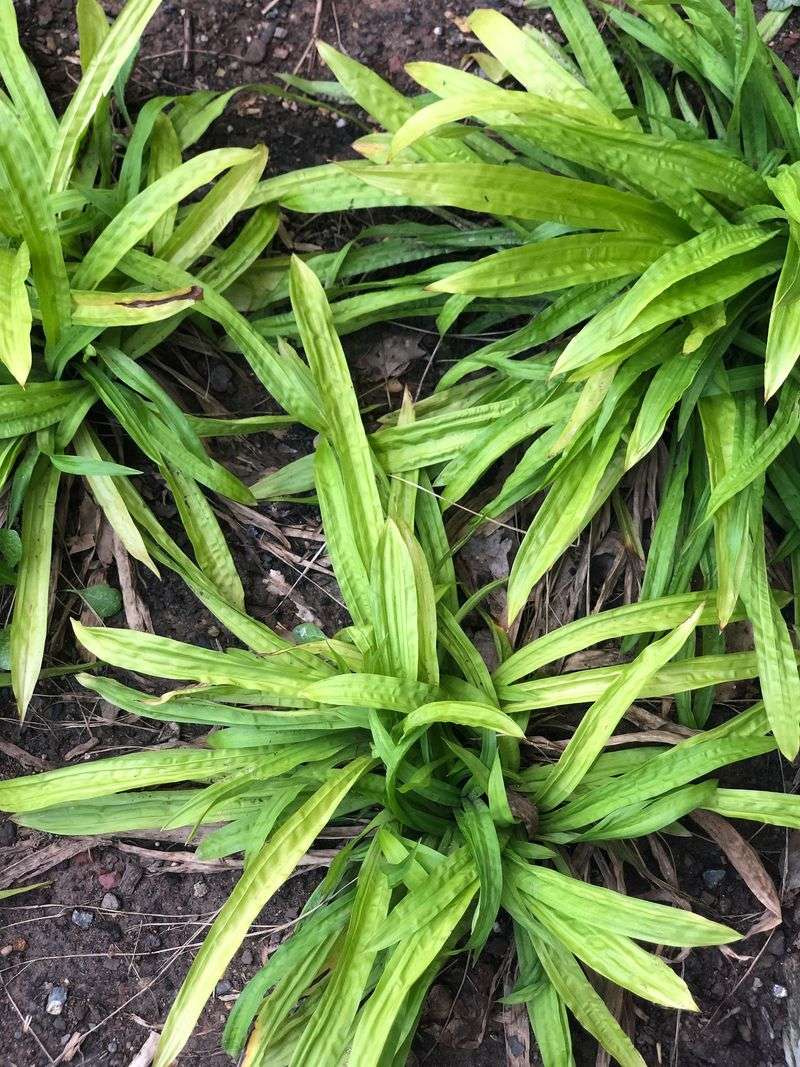
Along many Florida walkways, liriope is the dependable border that seems to survive almost anything. The problem starts when those neat clumps knit together into a shaggy edge that traps leaves, mulch, insects, and lizards.
Snakes often use edges as travel routes. A long ribbon of dense liriope beside a sidewalk, porch, garage, or pool screen gives them cover while they move from one shady pocket to the next.
Because liriope blades arch over the crown, dropped leaves and pine needles can sit inside the plant for months. That hidden litter feeds insects and gives small prey animals a reason to hang around.
For a Florida-native swap, try Elliott’s lovegrass in sunny, well-drained beds. It brings a soft, airy texture, handles sandy soil once established, and does not form the same dark tunnel at ground level when spaced correctly.
In small entry beds, dwarf fakahatchee grass can also work where there is enough room. Plant it as individual accents with visible gaps rather than a solid hedge, and keep mulch pulled back from the base of the house.
5. Podocarpus Hedge
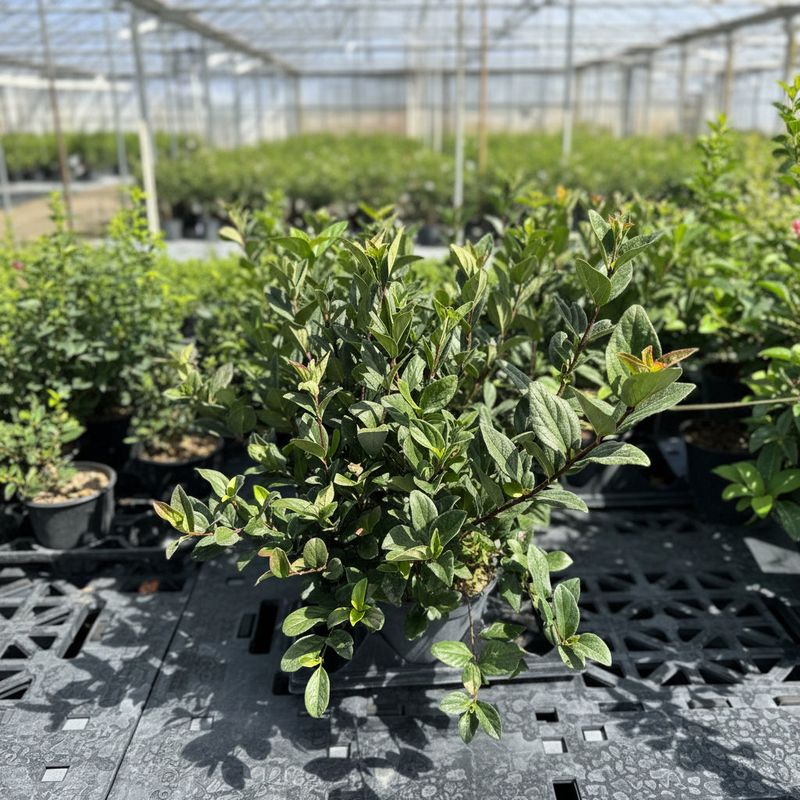
Privacy hedges are useful in Florida neighborhoods, especially where patios sit close to the next yard. Podocarpus is popular because it grows dense and can be clipped into a living wall, but that same wall can create a hidden service alley for wildlife.
At the base, old needles, dry leaves, palmetto debris, and windblown trash can collect where trimming tools do not reach. Rodents may use that protected strip, and snakes may patrol it while hunting.
The tightest spots are usually the riskiest for surprise encounters. A hedge planted too close to the house, fence, or pool enclosure leaves a narrow, shaded slot that is hard to inspect before you step in.
If you need native screening, choose wax myrtle where space allows. It is fast-growing, handles many Florida conditions, supports birds, and can be limbed up slightly so you can see beneath it.
Walter’s viburnum is another native option for a cleaner hedge look. Keep any screen several feet from the wall when possible, prune the lower branches for airflow, and remove fallen fruit or leaf piles that might invite rodents.
6. Boston Fern
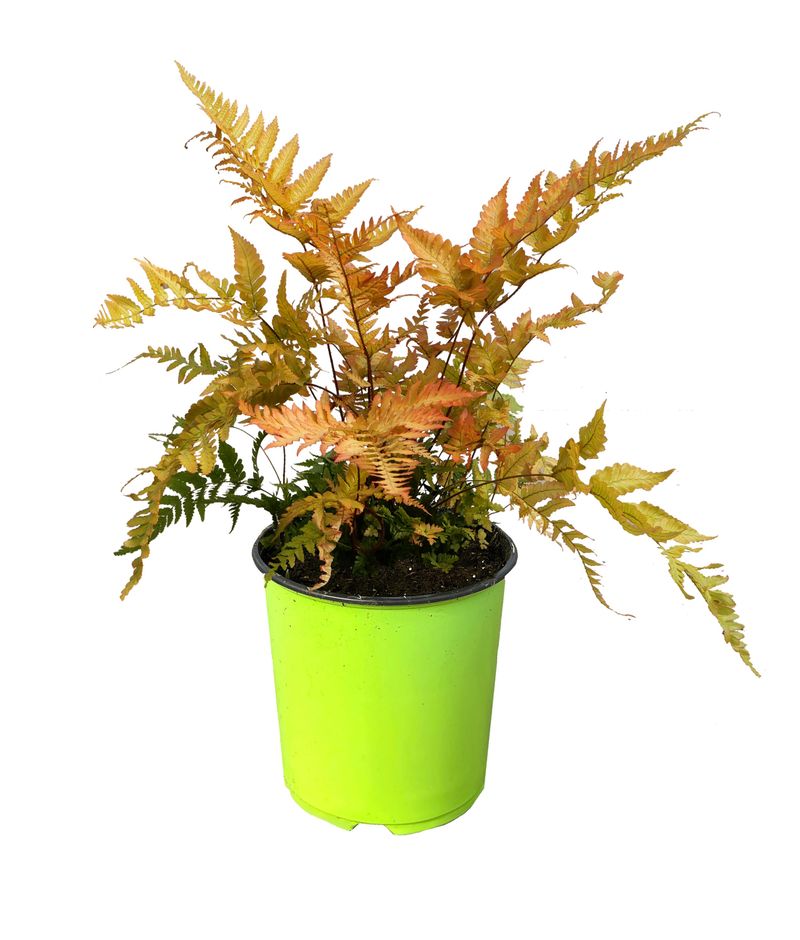
Nothing says old Florida porch quite like a big Boston fern swaying in humid shade. In hanging baskets it is usually easy to manage, but planted in thick ground masses, it can make a cool, damp pocket that hides movement at ankle height.
Ferny cover is especially appealing around leaky spigots, downspouts, shaded courtyards, and pool equipment pads. Those places often attract insects and small frogs, which can bring hunting snakes closer to daily foot traffic.
The fronds also make cleanup tricky. You may rake the top and still leave a soft layer of old stems and leaves underneath, where pests and prey can stay out of sight.
For a native fern with a more landscape-friendly habit, try leather fern in moist shade where it is appropriate for your part of Florida. It has a strong texture, looks lush, and can be planted in defined clumps instead of sprawling across every open inch.
Coontie is another excellent native for dry to average shade. It gives a fernlike look, supports the rare atala butterfly, and stays easier to inspect when grouped with open mulch between plants.
7. Elephant Ear
Giant leaves bring instant drama, and elephant ear knows how to steal attention. One clump can turn a plain fence corner into a tropical scene, but it can also create a damp umbrella over the soil.
That shaded pocket matters in Florida because heat pushes many animals toward cool cover. Under large leaves, frogs, insects, and small reptiles can wait out the day, and snakes may pass through while hunting or resting.
Wet corners make the issue stronger. Elephant ear often grows near downspouts, pond edges, or low beds, which are already busy spots for mosquitoes, frogs, and other snake prey.
For native drama without quite the same hidden cave effect, use firebush in sun to part shade. It brings red-orange tubular flowers, hummingbird appeal, and a woody form that can be pruned up for visibility at the base.
In wetter areas, canna species native to Florida can offer bold leaves and bright flowers, but spacing is key. Keep clumps away from doors and narrow paths, thin them before they become crowded, and leave a clear inspection strip along fences and walls.