
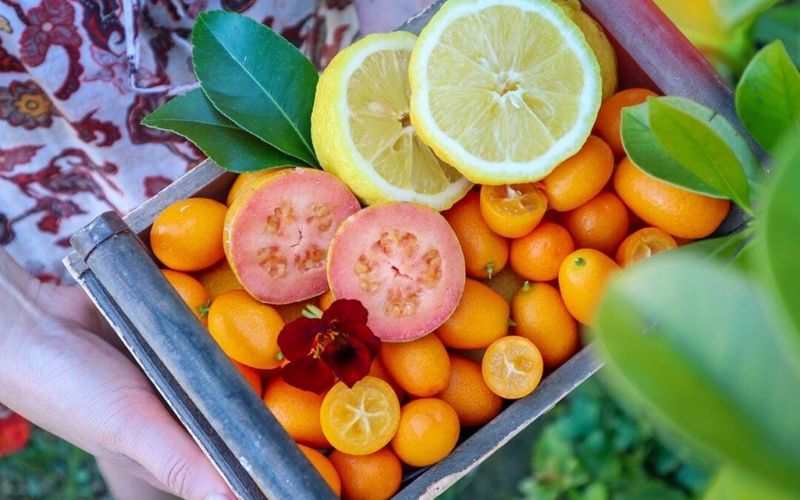
Florida gardens can look tired by late summer, especially after months of heat, sandy soil, heavy rain, and hungry bugs. But a few tough edible plants keep going when tomatoes, lettuce, and many herbs give up.
These crops can help you keep harvesting into fall without starting over from scratch. Pick the right ones, and your garden stays useful while the weather slowly cools.
1. Seminole Pumpkin
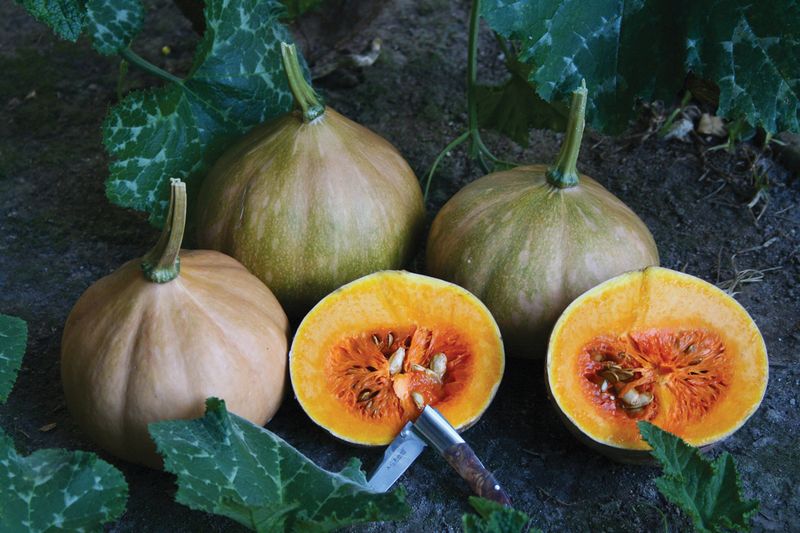
Grandma-style practicality lives in Seminole pumpkin. Long before raised beds and drip timers, this Florida heirloom was grown by Indigenous people because it could handle heat, humidity, pests, and less-than-perfect soil better than many squash types.
In a home garden, its big advantage is staying power. While zucchini and yellow squash often crash under vine borers, mildew, or summer stress, Seminole pumpkin can ramble through the hot months and keep setting fruit into fall when conditions are right.
Give it room along a fence, over a trellis, or across an unused sunny patch where the vines can wander.
The fruit is usually smaller than carving pumpkins, with sweet orange flesh that works for roasting, soups, pies, and curries. The young shoots, flowers, and seeds are also edible, which makes the plant more useful than it first appears.
For Florida’s sandy soil, mix compost into the planting area and mulch well to keep roots cooler and moisture steadier. Avoid crowding it into a tiny bed, because good airflow helps reduce leaf diseases during muggy weather.
If you want one edible that feels truly Florida-rooted and forgiving, Seminole pumpkin earns its space.
2. Okra
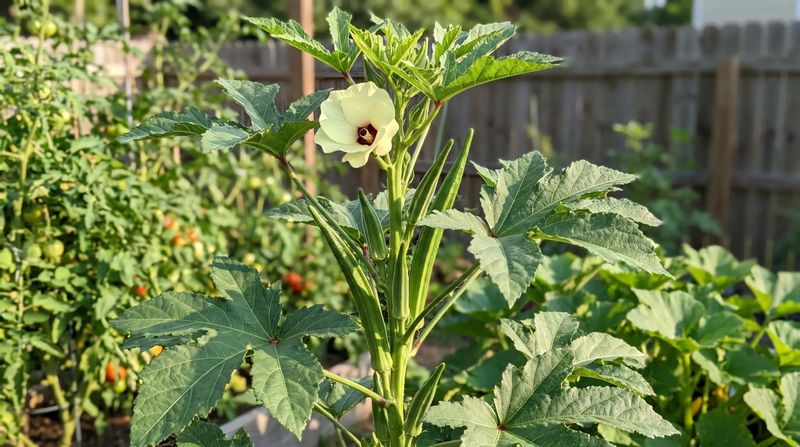
Some vegetables sulk in August, but okra seems to grin at the heat. Its tropical-looking flowers are related to hibiscus, and that family resemblance shows when the plants stand tall with creamy blooms and fresh pods even during steamy afternoons.
Okra belongs on this list because it produces fast and rewards steady picking. Once pods start forming, check plants every day or two.
Young pods are tender, while oversized ones can turn woody almost overnight. That quick harvest rhythm is perfect for gardeners who like visible results.
Florida gardeners can sow okra during warm weather and often harvest well into fall, especially in Central and South Florida. In North Florida, planting timing matters more because cooler nights arrive sooner, but established plants can still carry you past the point when many spring crops have faded.
Plant okra in full sun, give it decent spacing, and do not pamper it with soggy soil. Sandy ground is fine if you add compost and keep moisture consistent while seedlings get started.
A mulch layer helps during dry spells and heavy rain swings.
For the kitchen, okra works fried, grilled, roasted, pickled, or stirred into gumbo. If you have only grown slimy supermarket okra, try harvesting it small from your own plants.
The flavor and texture can be a pleasant surprise.
3. Southern Peas
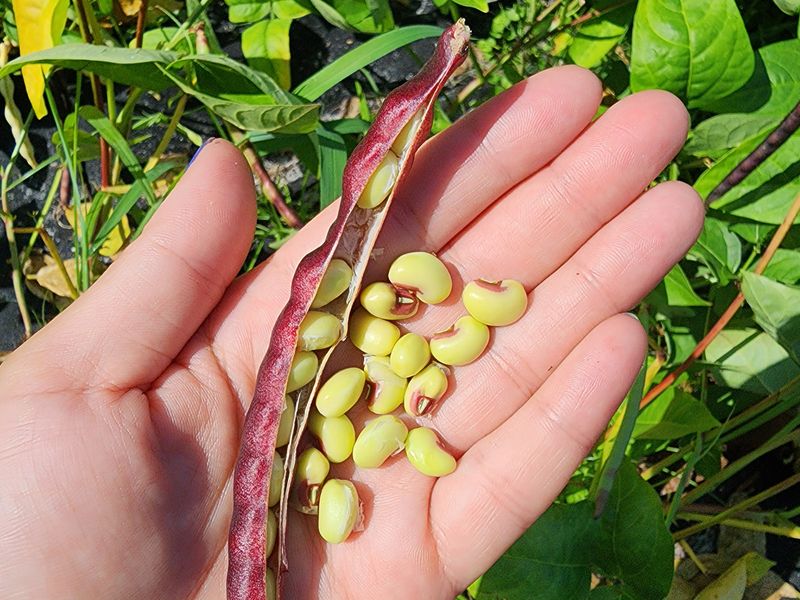
When the garden needs a hardworking helper, Southern peas step in like a neighbor with a wheelbarrow. Also called cowpeas, field peas, or black-eyed peas depending on the type, they can feed you while helping improve tired soil.
Their special strength is heat plus soil toughness. Southern peas grow in warm conditions that make English peas impossible, and they are better suited to Florida’s summer and early fall than many bean crops.
They also fix nitrogen with the help of soil bacteria, which can benefit the garden when plant residue is returned to the bed.
Choose bush types for tidy raised beds or vining types if you have a trellis, fence panel, or cattle panel arch. Pods can be picked young as snap beans for some varieties, or left to mature for fresh-shell peas.
Dried peas store well, too, which makes the harvest useful beyond one dinner.
Because Florida rain can be intense, avoid planting in a spot that stays waterlogged. Sandy soil usually drains quickly, but a little compost helps hold enough moisture for steady growth.
Mulch also keeps pods cleaner when storms splash soil onto plants.
Southern peas are a smart bridge crop between summer and fall. They fill empty space after worn-out tomatoes or squash, produce in heat, and leave the bed in better shape for the next round of greens, carrots, or herbs.
4. Malabar Spinach
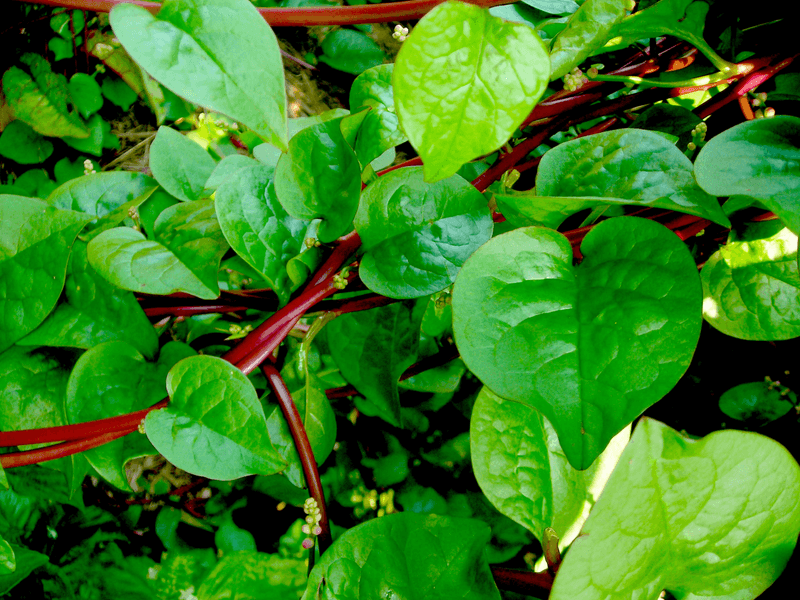
A salad green that climbs like a vine sounds almost made up, but Malabar spinach is the real deal. It is not true spinach, yet it fills the same kitchen role when regular spinach has long since bolted or melted in Florida heat.
The reason it stands apart is simple: it loves warmth. Glossy leaves keep coming through hot, humid weather, especially when the plant has something to climb.
A trellis, fence, porch rail, or cattle panel keeps the vines off the ground and makes harvesting easier.
Use young leaves raw in small amounts for salads, or cook larger leaves in stir-fries, soups, omelets, and sautés. The texture is thicker than cool-season spinach and can be slightly slick when cooked, so it shines in dishes where tender greens are stirred in near the end.
Malabar spinach likes rich soil and steady moisture, which means Florida sand benefits from compost and mulch before planting. It can handle heat, but drought stress slows leafy growth.
Give it morning sun with some afternoon relief in the hottest inland spots if leaves look tired.
One fun detail: red-stemmed types are attractive enough for edible landscaping. Tucked onto a decorative trellis near a patio, Malabar spinach can look ornamental while quietly supplying greens into fall.
That is a handy trick for small yards where every plant needs to earn its keep.
5. Longevity Spinach
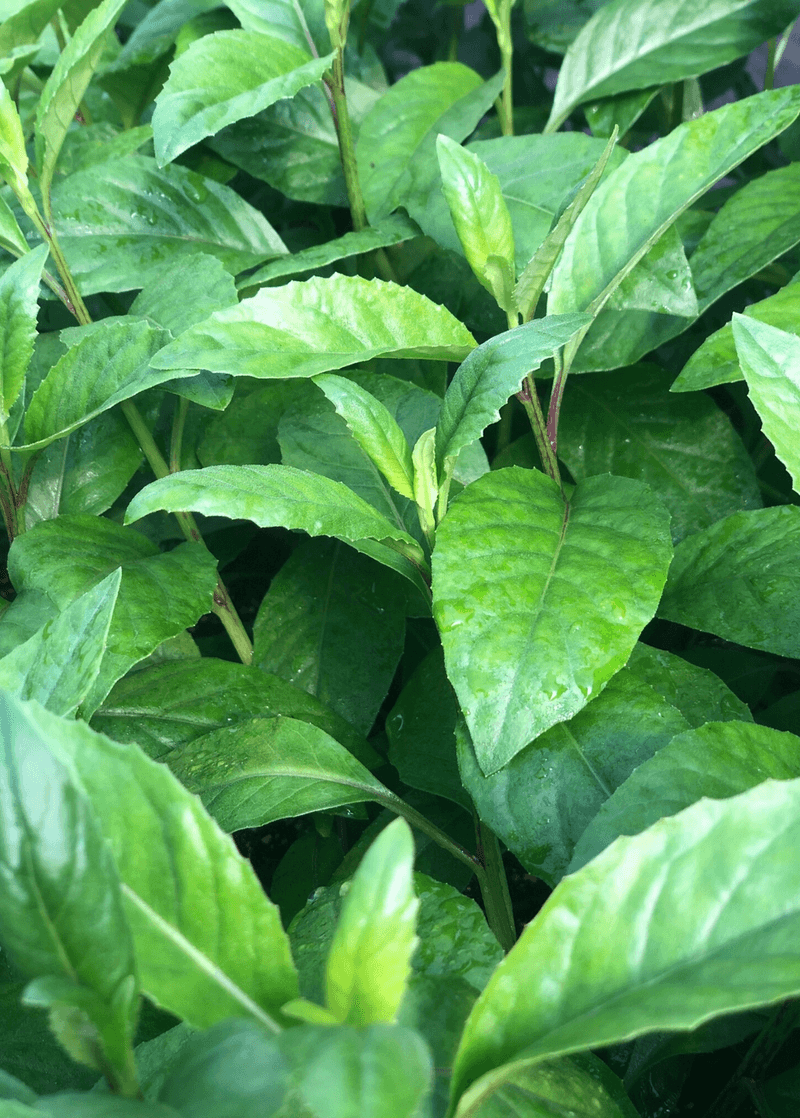
Hidden in many Florida food gardens is a leafy plant that behaves more like a living mulch than a fussy vegetable. Longevity spinach grows low, spreads steadily, and offers mild greens during weather that knocks out lettuce.
Its best role is low-effort leafy production. Instead of replanting every few weeks, you can snip tender tips and leaves as the plant fills in.
In frost-free parts of Florida, it may act like a perennial, while gardeners in colder pockets often protect it or regrow from cuttings after winter damage.
Partial shade is often a sweet spot, especially in sandy yards that bake in the afternoon. Too much harsh sun can toughen leaves or slow growth, but bright filtered light under citrus, bananas, or an open-limbed tree can work well.
Compost and mulch help the root zone stay moist without turning soggy.
In the kitchen, use young leaves fresh in salads if you like their flavor, or add them to eggs, rice bowls, soups, and quick sautés. The taste is usually mild, which makes it easy to blend with stronger herbs or garlic.
Because it spreads, plant it where you can manage the edges. A contained bed, large pot, or defined edible border keeps it useful instead of messy.
For gardeners who want greens without babying seedlings through the heat, longevity spinach is one of the easiest wins.
6. Yardlong Beans
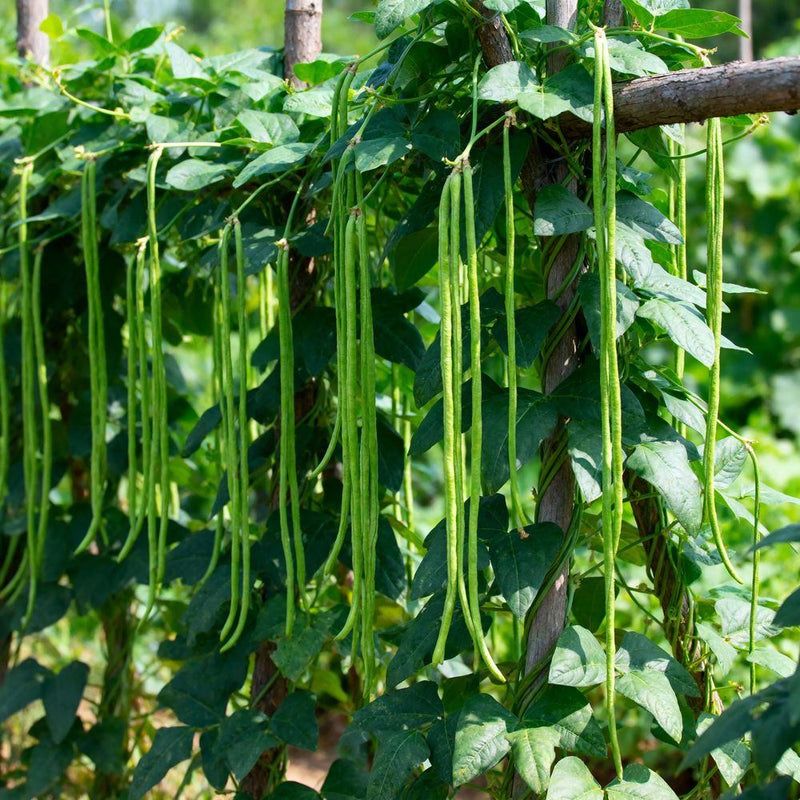
Few garden crops make visitors stop and point like yardlong beans. The pods can dangle like green ribbons from a trellis, turning a plain vegetable bed into something almost theatrical.
Their reason for making the list is heat-loving bean production. Many common snap beans slow down when nights stay hot, but yardlong beans are better matched to steamy Southern conditions.
They are especially useful in Florida gardens where a vertical crop saves space and keeps pods easy to spot.
Give them a strong trellis before they need it. Once vines start climbing, they can grow quickly, and a flimsy support becomes annoying fast.
A cattle panel, sturdy string trellis, or fence section works well as long as you can reach the harvest.
Pick pods before they become swollen and tough. Despite the name, they are usually best harvested before reaching full dramatic length, often around pencil thickness.
Frequent picking encourages more flowers and keeps meals coming.
Yardlong beans are excellent in stir-fries because they hold their shape and cook quickly. They can also be chopped for curries, sautéed with garlic, or added to rice dishes.
For sandy soil, mix in compost and keep watering consistent during flowering and pod set. Too much drying out can cause blossom drop, while steady care leads to a surprisingly generous fall crop.
7. Roselle
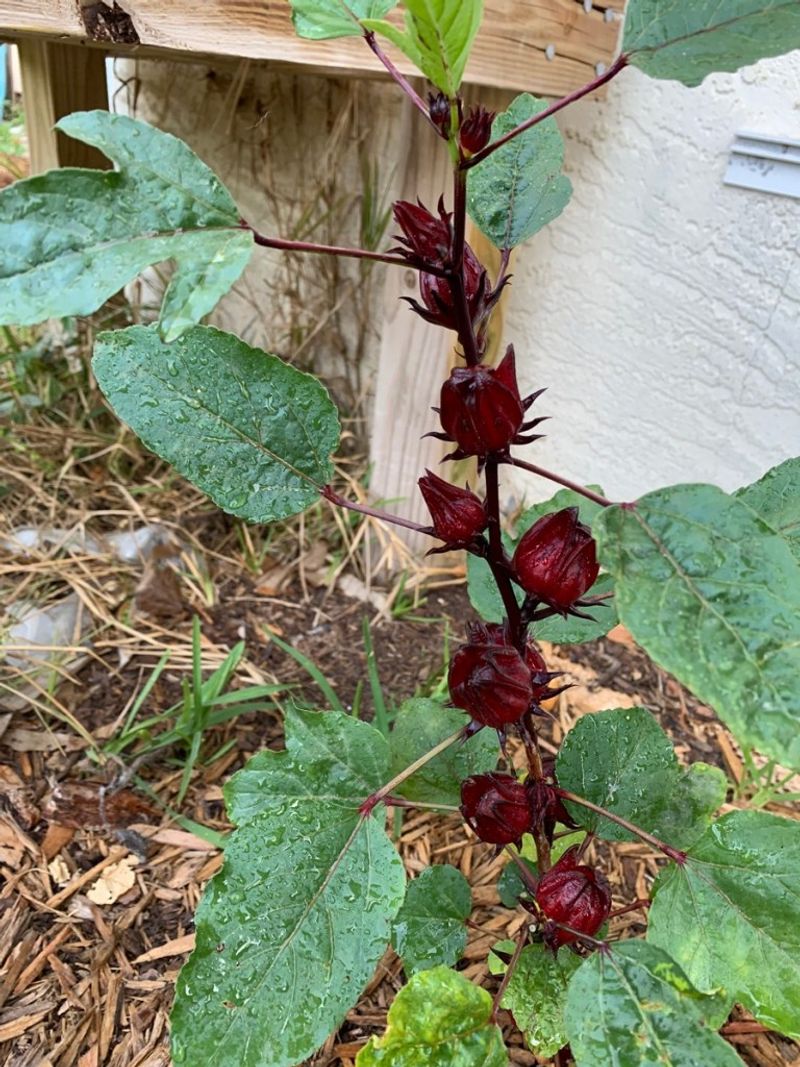
Right when many garden beds look worn out, roselle starts showing off. The plant grows like a small hibiscus shrub, then forms bright red calyces that look festive in the fall garden.
Roselle is different from the others because its main harvest is not a leaf, pod, or squash. Gardeners grow it for the tart red calyces around the seed pods, which can be used for tea, syrups, sauces, jams, chutneys, and holiday-colored drinks.
The flavor is often compared to cranberry, which makes it feel especially welcome as cooler-season cooking begins.
Florida’s long warm season gives roselle the time it needs. It appreciates full sun, warm soil, and space to branch.
In sandy ground, compost and mulch help support steady growth, but avoid planting it where stormwater sits after heavy rain.
Harvest when the calyces are plump and easy to separate from the seed pod. Wear gloves if your hands are sensitive, because processing a big batch can stain fingers.
The leaves are also edible in some cuisines and can add a tangy note to cooked dishes.
Roselle brings ornamental value as well as food value, which is helpful for front-yard edible landscapes or sunny borders. If your garden needs a fall crop that looks cheerful instead of tired, roselle delivers color, flavor, and a harvest that feels a little special.