
When cold weather settles over North Carolina, food gets scarce for chickadees, goldfinches, and juncos. The good news is that a few native perennials keep working long after their flowers fade, holding seed heads that feed hungry birds through the darkest months.
All you have to do is skip the fall cleanup and leave those dried stalks standing. Here are seven North Carolina natives that turn a tidy chore into a winter feast for your backyard birds.
1. Purple Coneflower (Echinacea purpurea)
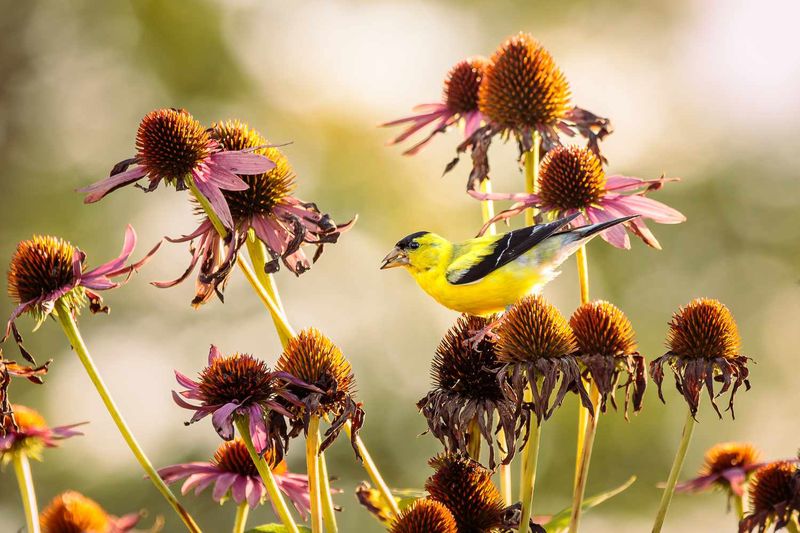
Come summer, those pink-purple petals steal the show, but the real magic happens after they drop. The spiky, dome-shaped centers dry into little seed banks packed with food.
Goldfinches especially love clinging to the stiff stems and picking out seeds one by one all winter long. In the Piedmont and mountains, coneflower stands strong through snow and ice without flopping over.
Fun fact: the prickly cone that pokes your fingers is actually a cluster of tiny seeds birds work hard to reach. Resist the urge to deadhead in fall, and you will trade a few weeks of neatness for months of bird activity.
Plant it in full sun and well-drained soil, and it will come back reliably year after year.
2. Black-Eyed Susan (Rudbeckia hirta)
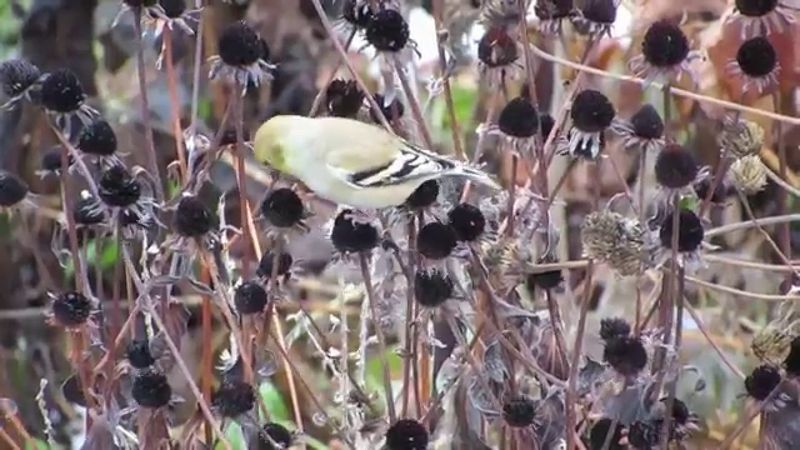
Cheerful yellow blooms make black-eyed Susan a summer favorite, yet its winter form is where songbirds cash in. Once the petals fall, the dark brown cones stay put, holding tightly packed seeds that chickadees and finches pry loose on cold mornings.
Left standing, the sturdy stems add texture to a bare winter bed and give small birds a place to perch while they feed. Across NC yards, this one thrives in poor soil and shrugs off drought, so it is about as low-effort as natives come.
Leave the dried stalks through February. You will be surprised how many little visitors line up to work over those seed heads when other food runs low.
3. Common Sunflower (Helianthus annuus)
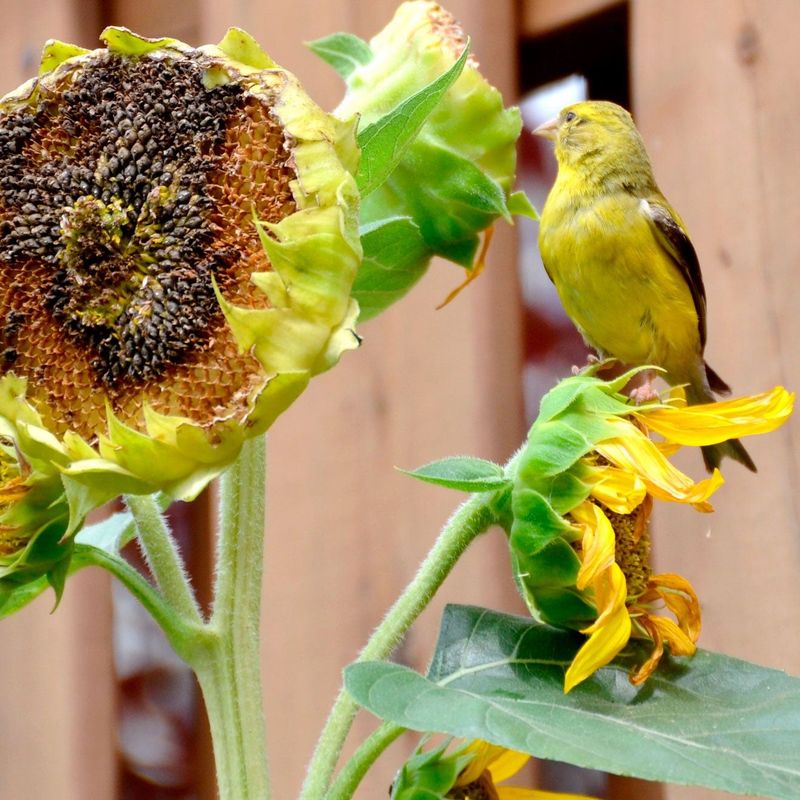
Nothing beats a sunflower head as a natural bird feeder. Each drooping face can hold hundreds of fat, oil-rich seeds that cardinals, nuthatches, and chickadees devour when temperatures drop.
Instead of harvesting or clearing the spent plants, let them stand as living feeders right in the garden. The tall stalks tower over other perennials and become a gathering spot for the whole neighborhood flock.
Native sunflowers handle NC heat and humidity beautifully, and reseeding means volunteers often pop up next spring for free. Give them a sunny corner near a window so you can watch the show all winter without lifting a finger.
4. Black-Eyed Susan’s Cousin, Brown-Eyed Susan (Rudbeckia triloba)
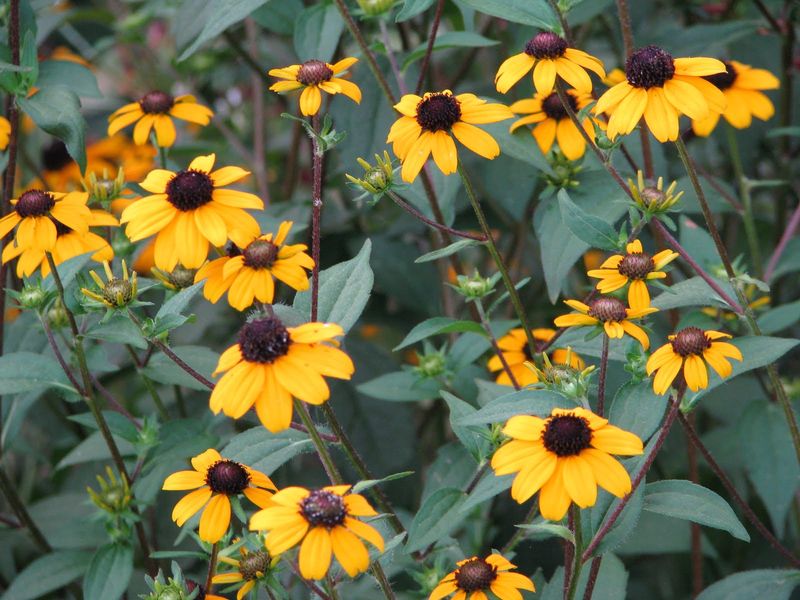
Think of this one as the overachiever of the Rudbeckia family. A single plant branches into dozens of small blooms, which means dozens of seed heads once the season winds down.
All those tiny cones add up to a big buffet, and juncos and sparrows work through them steadily from December into March. The airy, branching shape also gives birds plenty of perches close to their food.
Well suited to the Piedmont and coastal plain, brown-eyed Susan reseeds gently and fills gaps in a naturalized bed. Skip the shears in autumn and let the whole plant stand, seed heads and all, to keep hungry beaks busy through the cold stretch.
5. Wild Bergamot (Monarda fistulosa)
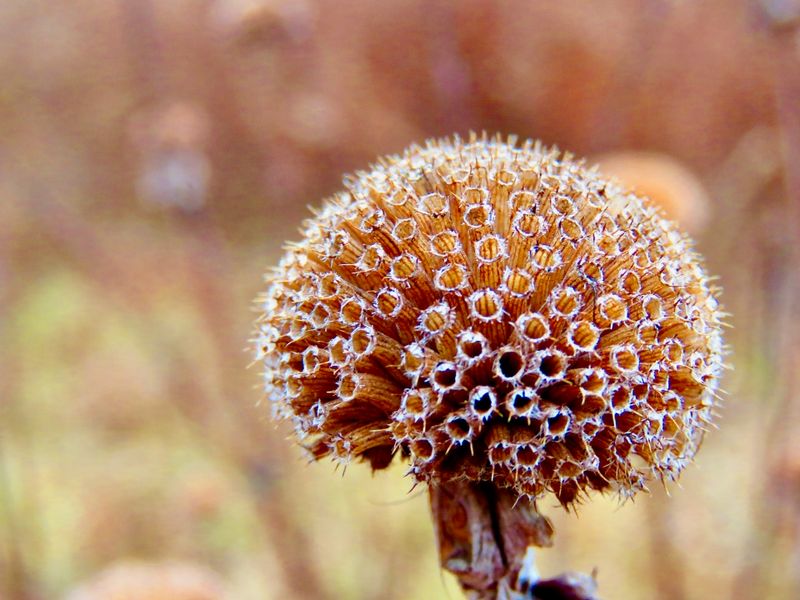
Bees and hummingbirds adore its lavender summer flowers, but wild bergamot earns its winter keep too. The tubular blooms dry into round, ball-shaped seed heads that hold tiny nutlets songbirds pick clean over the season.
Finches and sparrows appreciate the reachable seeds, and the aromatic stems add a nice minty scent when you brush past a snowy bed. It spreads slowly by rhizome, so a patch fills in over time into a dependable feeding ground.
This NC native handles clay soil and partial shade, making it flexible for tricky spots. Let the seed heads stand and you get double duty: winter food for birds and a head start on next summer’s pollinator party.
6. Joe-Pye Weed (Eutrochium purpureum)
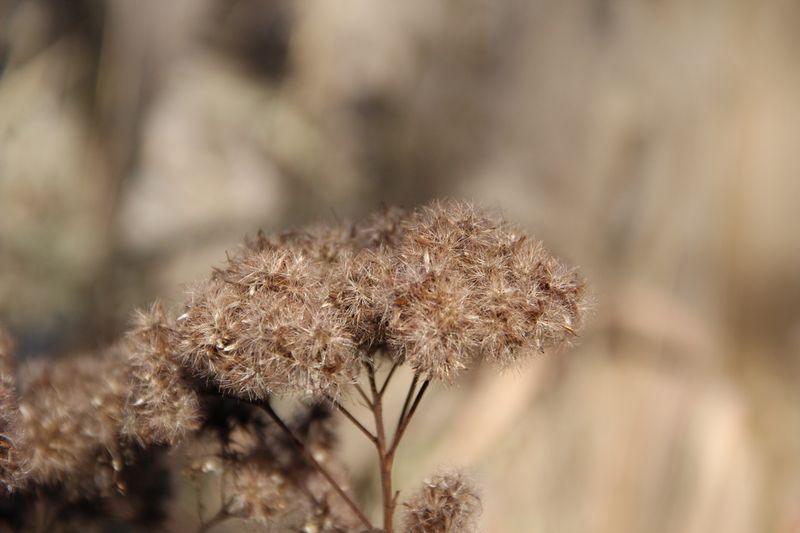
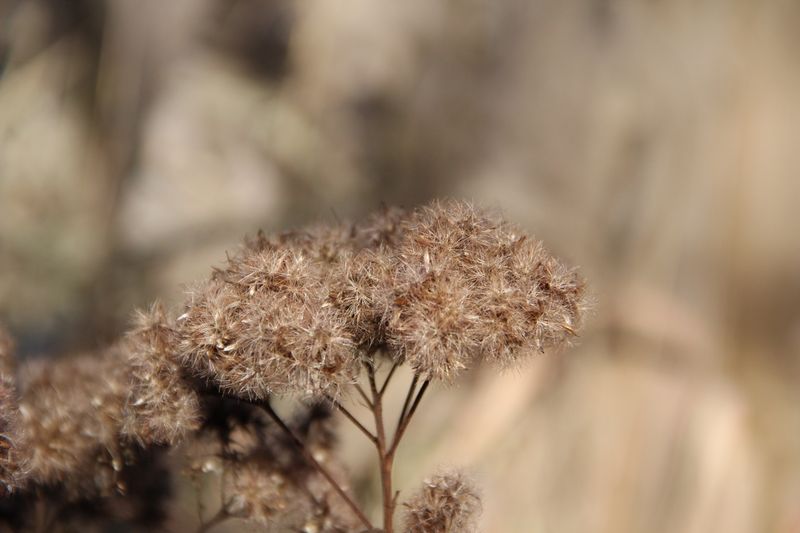
Standing head and shoulders above the rest of the border, Joe-Pye weed makes a statement even after frost. Its big, fluffy seed clusters turn a soft tan and catch the low winter sun beautifully.
Small songbirds like goldfinches and sparrows pull seeds from those airy heads, and the tall stalks give the winter garden real backbone. Because it grows so large, a single clump provides a surprising amount of forage.
Joe-Pye weed loves the moist spots many gardeners struggle with, thriving along rain gardens and low areas across NC. Leave it standing through winter and it doubles as a striking silhouette and a steady food source when the flock needs it most.
7. Little Bluestem (Schizachyrium scoparium)
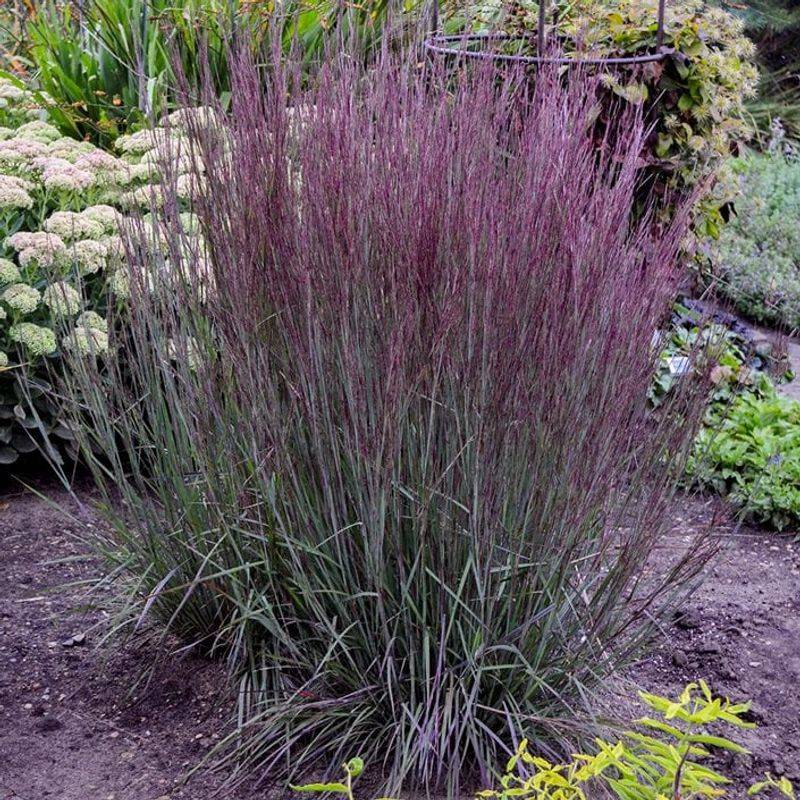
Not all winter bird food comes from flowers. This native bunchgrass shifts to gorgeous coppery-orange in the cold months, and its fluffy seed tufts feed sparrows, juncos, and finches straight through the season.
Beyond the seeds, the dense clumps offer shelter where small birds can hide from wind and hawks between meals. That combination of food and cover makes little bluestem a quiet workhorse in any wildlife-minded yard.
Tough as nails, it laughs off NC heat, drought, and lean soil, and it never needs babying. Leave the golden clumps standing all winter for texture, movement in the breeze, and a reliable source of seed when the flowerbeds go quiet.