
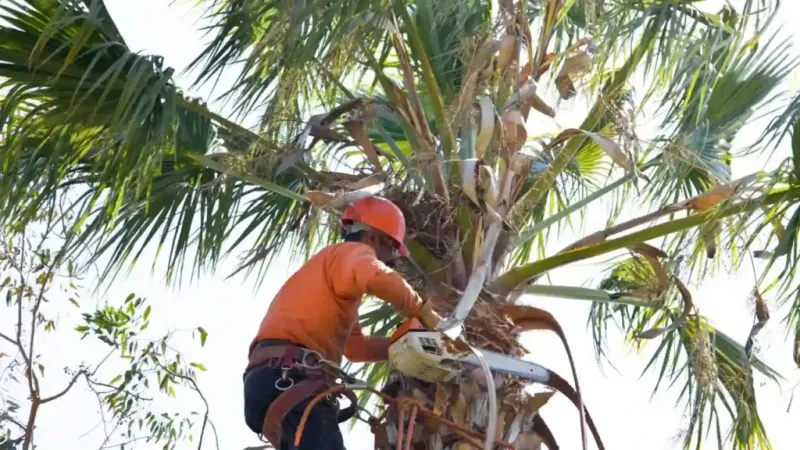
Palm trees can make a Florida yard look clean, tropical, and ready for company. But right before hurricane season peaks, one bad pruning choice can leave a palm weaker instead of safer.
Many homeowners trim too much, too late, or for the wrong reason. Here are the palm pruning mistakes to avoid so your yard looks better and handles storm season with less trouble.
1. Cutting Off Healthy Green Fronds
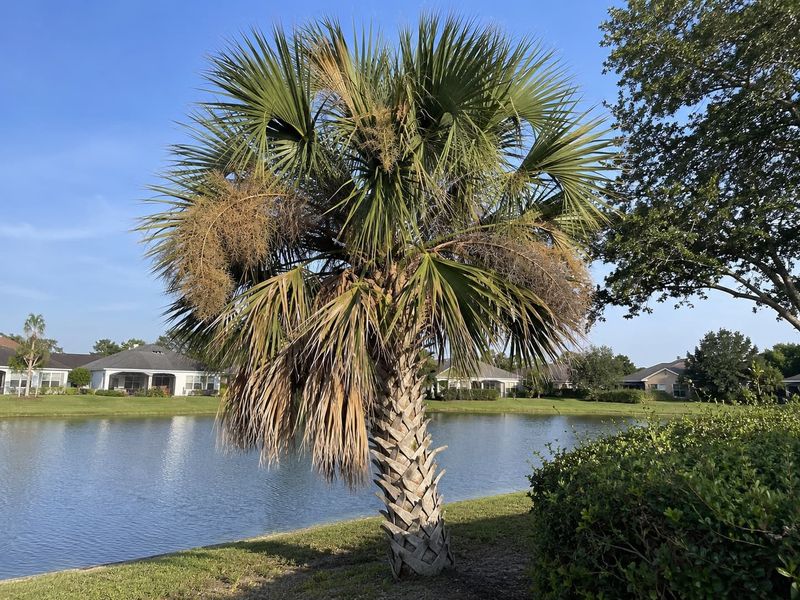
A palm that looks a little wild can tempt even careful homeowners to start cutting. The problem is that healthy green fronds are not just decoration.
They are the palm’s food-making system, and removing too many can leave the tree stressed right when hurricane season is at its roughest.
Many Florida palms naturally keep a full crown for a reason. Green fronds help the palm store energy, recover from wind damage, and keep growing after heavy rain or salt spray.
When those fronds are removed for a skinny, over-cleaned look, the palm may have fewer resources to handle storm stress.
A safer rule is to remove dead, brown, broken, or clearly hanging fronds first. If a frond is still mostly green and attached firmly, think twice before cutting it.
UF-IFAS guidance generally warns against over-pruning palms because it can weaken the plant and make some problems worse.
For Florida homeowners, neat does not always mean strong. A full, healthy crown may look less manicured than a freshly shaved palm, but it often gives the tree a better chance to stay vigorous through peak storm season.
2. Hurricane Cutting the Crown Into a Pencil Shape
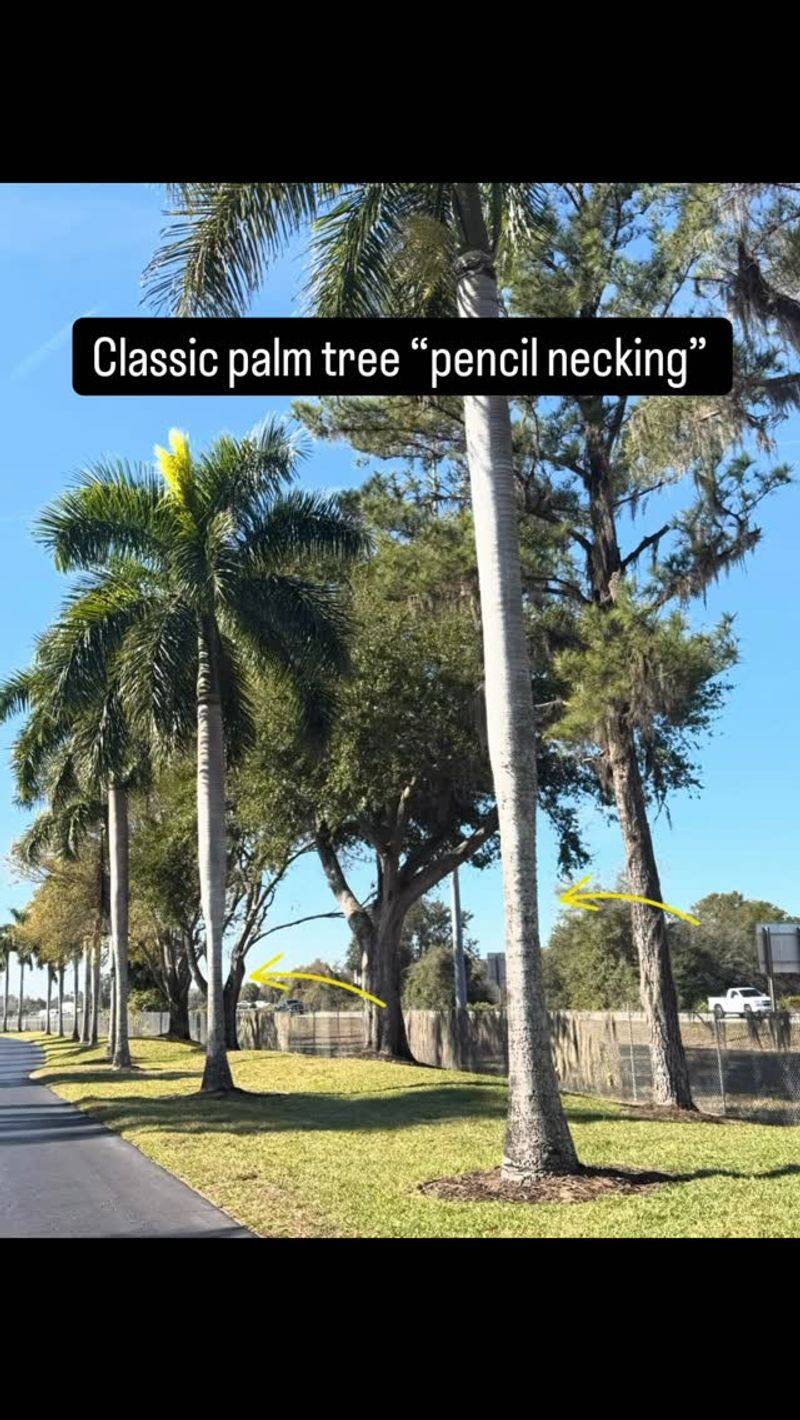
That sharp, stripped-down palm look shows up in plenty of Florida neighborhoods before big storms. People often call it a hurricane cut, but the name is misleading.
A palm shaved into a narrow pencil shape is not automatically safer, and it may be less prepared for storm season.
Palms are built differently from shade trees. They do not branch out in the same way, and their growing point sits near the top.
When too many fronds are removed from the crown, the palm loses a large part of its energy factory and may struggle to replace what was cut away.
A pencil-shaped crown can also create false confidence. Homeowners may think they have reduced wind risk, but the palm still has a tall trunk, a heavy crown area, and roots working in Florida’s sandy or wet soils.
Bad pruning does not fix poor root health, weak planting, or decay.
Instead of stripping the crown, aim for selective cleanup. Remove loose, dead, diseased, or storm-damaged fronds.
Keep the natural shape of the palm as much as possible, especially on healthy trees. A palm should still look like its species when the work is done, not like it survived a buzz cut.
3. Pruning Too Close to Peak Storm Weather

The week before a tropical system arrives is a stressful time to start major yard work. Ladders come out, saws get rushed, and fronds pile up by the curb.
In that hurry, homeowners can make rough cuts that leave palms with fresh wounds just as wind and rain move in.
Palms do not heal like people do. Cut areas stay exposed, and ragged wounds can invite decay, insects, or disease issues, especially in Florida’s warm, humid weather.
A clean cut in calm conditions is far better than a rushed cut made because the forecast suddenly looks scary.
Timing also matters for debris pickup. If piles of palm fronds sit at the curb when storm bands arrive, they can become messy projectiles or clog drains.
In flood-prone neighborhoods, loose yard waste can move fast and create problems well beyond your property line.
Plan palm cleanup earlier in the season when possible. Walk your yard in late spring or early summer, before storms stack up in the forecast.
If a storm is close, focus on securing loose items, clearing drains, and calling a qualified professional for dangerous hanging material instead of attempting a last-minute overhaul.
4. Leaving Ragged Cuts and Torn Frond Bases
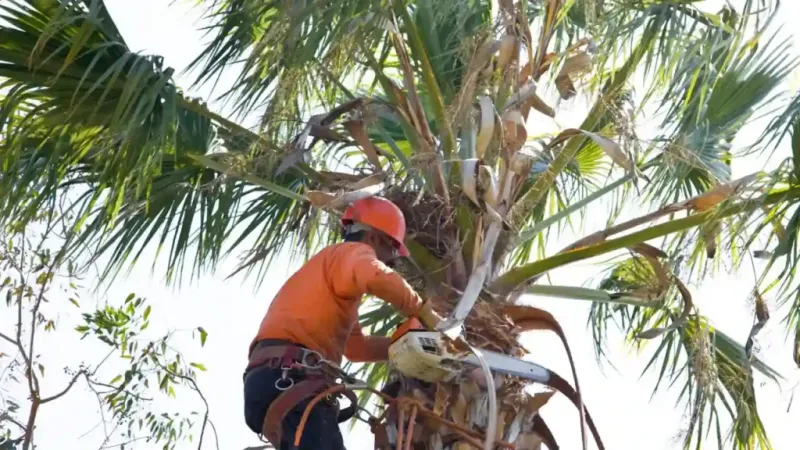
A jagged cut may look small from the ground, but the palm notices. Dull tools, yanking fronds by hand, or chopping too fast can tear tissue around the frond base.
Those rough edges make a simple cleanup job harder on the tree.
Clean pruning is especially useful in Florida because warm, wet weather can keep plant wounds damp. Torn areas may hold moisture and organic debris, creating a better hiding place for pests or decay organisms.
While one rough cut will not doom every palm, repeated sloppy pruning can add stress over time.
Use sharp, clean tools sized for the job. Hand pruners work for small palms, loppers handle moderate fronds, and a pruning saw is better for thicker bases.
Avoid hacking with a machete unless you truly know what you are doing and can make a controlled, clean cut.
Frond bases should not be ripped off the trunk for cosmetic reasons. Many palms naturally shed old bases when they are ready, while others hold them longer.
If the base does not release easily, forcing it can damage the trunk. A tidy yard is nice, but a torn-up palm trunk is not a storm-readiness win.
5. Ignoring Dead Boots, Seed Stalks, and Loose Debris
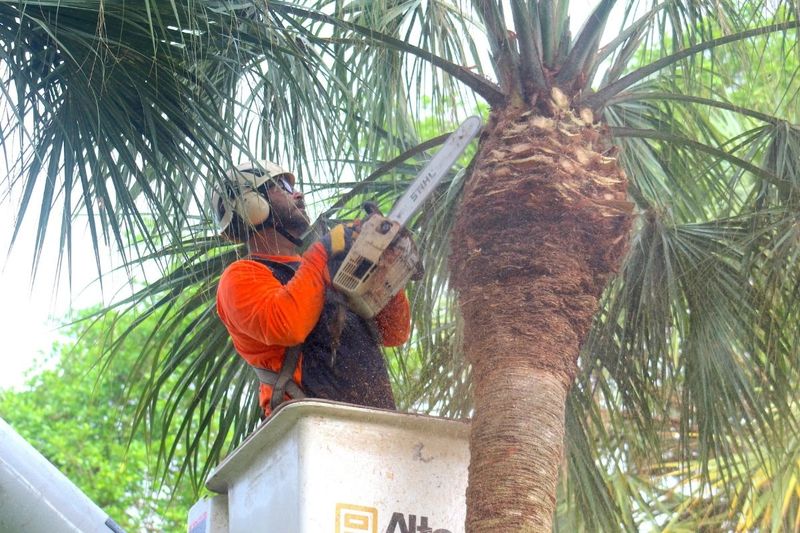
Not every pruning mistake comes from cutting too much. Sometimes the bigger problem is leaving loose material hanging over a driveway, roof, pool cage, or walkway.
Dead fronds, old boots, flower stalks, and heavy seed clusters can become trouble when winds pick up.
Florida palms vary in how they shed. Some drop old material quickly, while others hang onto dead pieces for months.
During calm weather, that may only look messy. During a strong squall or tropical storm, loose debris can snap free and land where you least want it.
Seed stalks are easy to overlook because they can seem harmless at first. On some palms, though, fruiting clusters become heavy and messy.
They can stain hardscapes, attract wildlife, or fall during bad weather. Removing spent flower or fruit stalks before storm season peaks can reduce cleanup and make the yard safer to walk through.
The key is to target material that is already dead, loose, or clearly spent. Do not use debris removal as an excuse to strip healthy fronds.
If material is high, near power lines, or above a structure, bring in an insured tree professional instead of climbing. Storm prep should lower risk, not add a ladder accident to the list.
6. Using Dirty Tools Between Palms
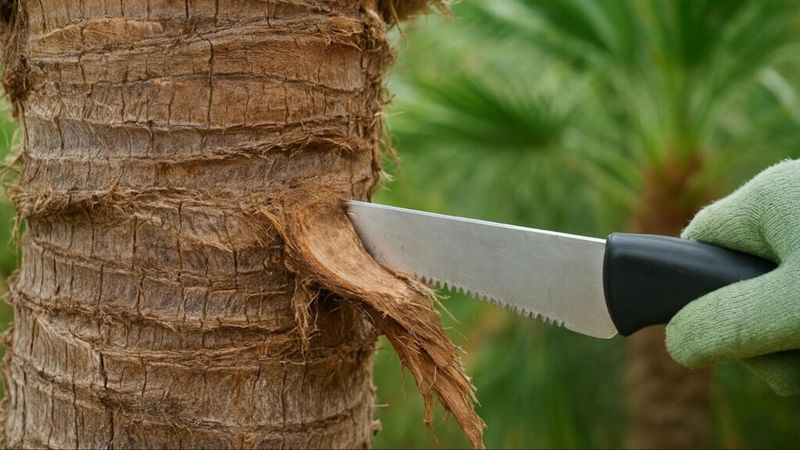
One dirty saw can turn a quick trim into a yard-wide problem. Florida palms can face serious diseases, and pruning tools that move from tree to tree without cleaning may spread trouble.
Homeowners often remember to sharpen tools, but forget the sanitation step.
Tool hygiene matters most when a palm looks sick, has unusual wilting, shows odd discoloration, or is being removed because it declined. Even when a disease is not confirmed, cleaning tools between palms is a simple habit that lowers risk.
It is a small pause that can protect expensive landscape plants.
Before pruning, remove sap, soil, and plant bits from blades. Then disinfect according to label directions with an appropriate product, and give tools time to work before using them again.
Drying metal afterward can help limit rust, especially in salty coastal air.
Be extra cautious with palms in neighborhoods where disease has been reported. If a palm is declining fast or the spear leaf pulls out, ask your county Extension office or a certified arborist for guidance before cutting.
Guessing with a saw in hand can make the situation worse. Clean tools are not fancy, but they are one of the easiest storm-season habits to build.
7. Trying to Prune Tall Palms Without a Professional
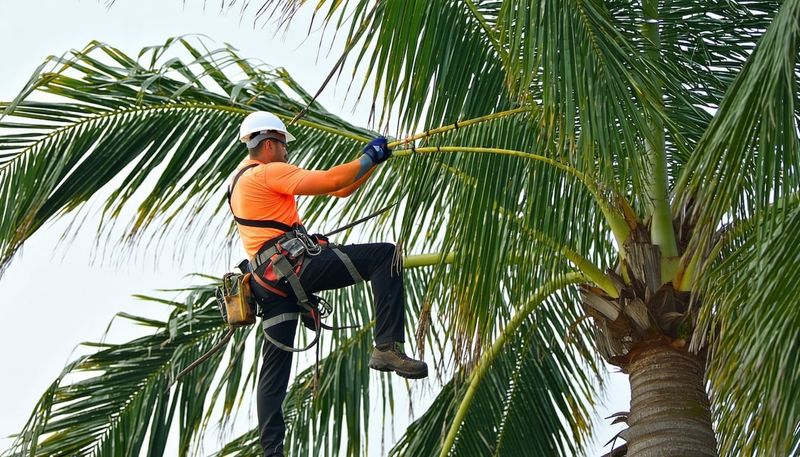
A tall palm can make a confident DIY gardener suddenly look very small. Once fronds are above roof height, pruning becomes less about yard work and more about fall risk, falling debris, and power line safety.
Saving money is appealing, but the wrong climb can cost far more than a service call.
Ladders and palms are a risky mix because palm trunks are narrow, slick, and often surrounded by uneven sandy soil or mulch. Add heavy fronds, a pole saw, heat, and afternoon storms, and the job can turn dangerous fast.
Cutting from the wrong angle can also send fronds swinging into gutters, screens, vehicles, or nearby plants.
A qualified palm professional brings the right equipment and should understand how much to remove without over-pruning. Look for proper insurance, local experience, and knowledge of Florida palm care.
If a company recommends stripping green fronds into a severe hurricane cut, consider getting another opinion.
Homeowners can still handle ground-level cleanup, small young palms, and routine checks after windy weather. For tall palms, palms near power lines, or trees leaning toward a house, call a certified arborist or experienced insured tree service.
Smart pruning is not just about how the palm looks. It is about getting through peak hurricane season with fewer hazards in the yard.