
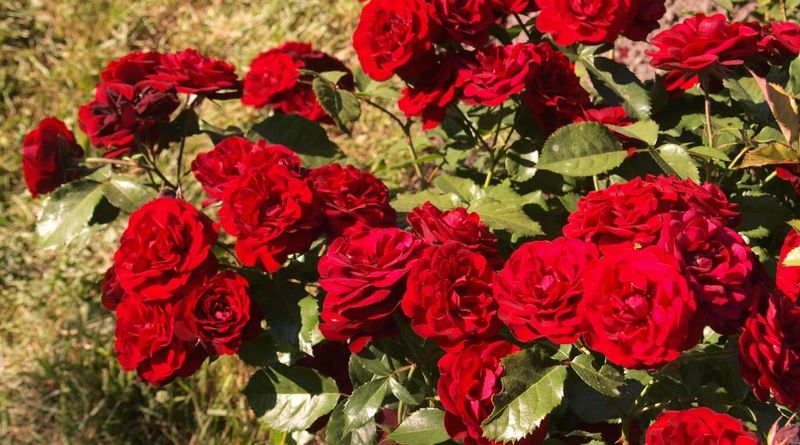
Florida summer can make many roses quit just when the yard should look full and bright. Heat, humidity, sandy soil, and black spot pressure all work against weak plants.
The good news is that some roses keep pushing out flowers even when August feels like a sauna. These seven choices are known for stronger heat performance, steady bloom, and better odds in Southern gardens.
1. Belinda’s Dream
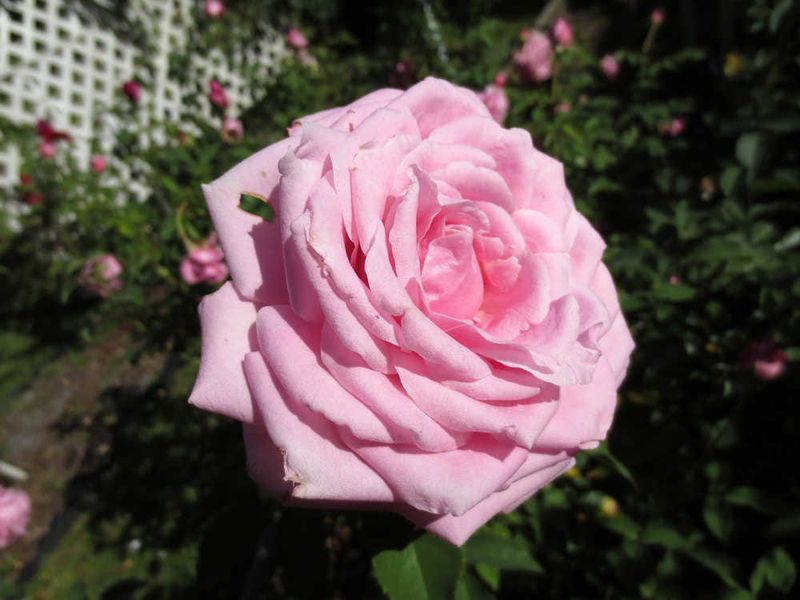
A rose that looks fancy but behaves like a workhorse earns a spot in many Florida yards. Belinda’s Dream has the full, old-fashioned pink blooms people love, yet it is far less fussy than many hybrid tea roses in hot, humid weather.
Gardeners in the Southern U.S. often appreciate it because it can bloom in repeated flushes through long warm seasons. In Florida, that matters because a rose that only looks good in spring can feel like a wasted bed by late summer.
Belinda’s Dream tends to hold its form better than many delicate roses, and the flowers are large enough to make a front border or entry bed feel polished.
Give it full sun, steady water while it settles in, and mulch to help keep roots cooler in sandy soil. Good air movement is still important, especially where summer rains hang on the leaves.
It is also a smart choice for gardeners who want a romantic rose look without signing up for constant spraying and pampering.
2. Knock Out Rose
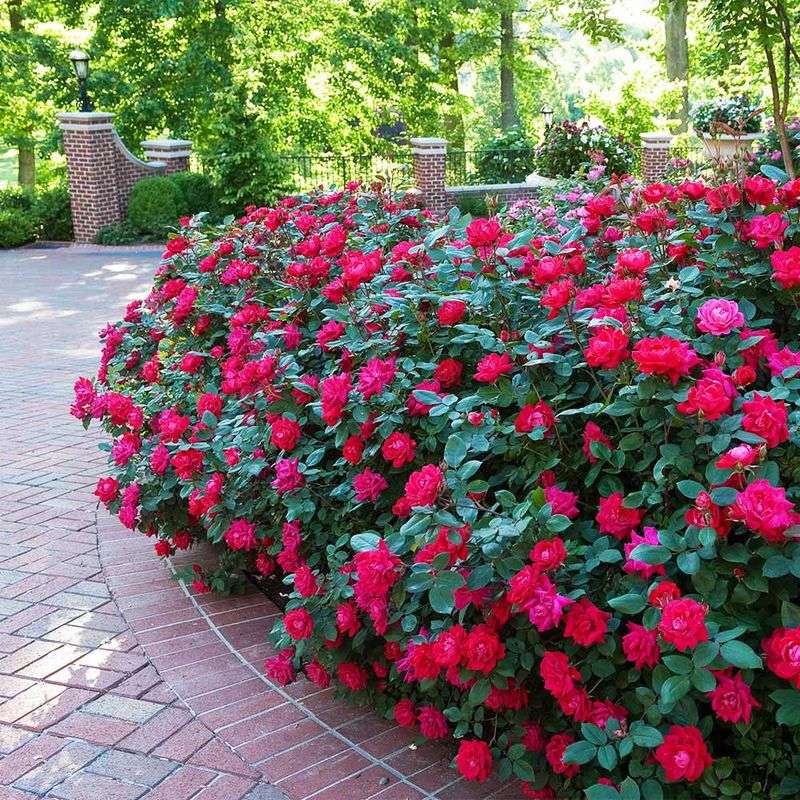
Few roses have changed everyday landscaping like Knock Out. It became popular because it gave homeowners color without the stiff rules that used to come with rose growing.
In Florida, Knock Out roses are useful when you need repeat bloom, simple care, and a shrub shape that works in foundation beds. They are not immune to every disease or pest, but they usually rebound better than many older roses when heat and humidity crank up.
Their smaller, bright flowers keep coming in waves, so the plant does not depend on one perfect spring show.
Use Knock Out where you want bold curb appeal rather than delicate cut flowers. Red, pink, coral, and double forms can all work, but spacing is key.
Crowding them against a wall can trap moisture and invite leaf problems.
For best results, plant in a spot with at least six hours of sun and avoid overhead watering late in the day. A light trim after heavy bloom cycles can help keep the plant full.
In sandy Florida soil, compost and mulch make a real difference by slowing moisture loss and reducing heat stress around the roots.
3. Drift Rose
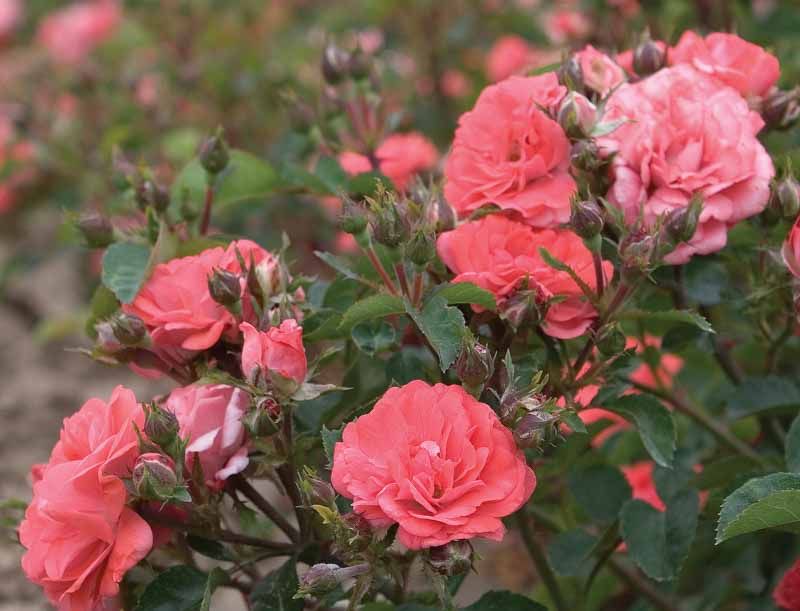
Small spaces deserve roses too, and Drift roses make that possible without swallowing the whole bed. Their low, spreading habit is the reason they stand apart from taller shrub roses on this list.
Drift roses work well along walkways, mailbox beds, patios, and the front edge of sunny borders. They bring the flower power of a rose in a size that fits modern Florida yards, where planting beds are often narrow and close to driveways or lanais.
Because they stay compact, they are also easier to prune, inspect, and clean up after summer storms.
The blooms are smaller than Belinda’s Dream, but the plant often makes up for that with quantity. Colors like peach, coral, pink, red, and white can be mixed with heat-tough companions such as pentas, blue daze, coontie, or muhly grass.
That combination gives a bed color, texture, and better wildlife value.
Drift roses still need sun and decent drainage. If your yard has pockets that flood after heavy rain, raise the bed before planting.
In hot parts of Florida, mulch is not just decoration, it helps protect shallow roots from baking.
4. Louis Philippe
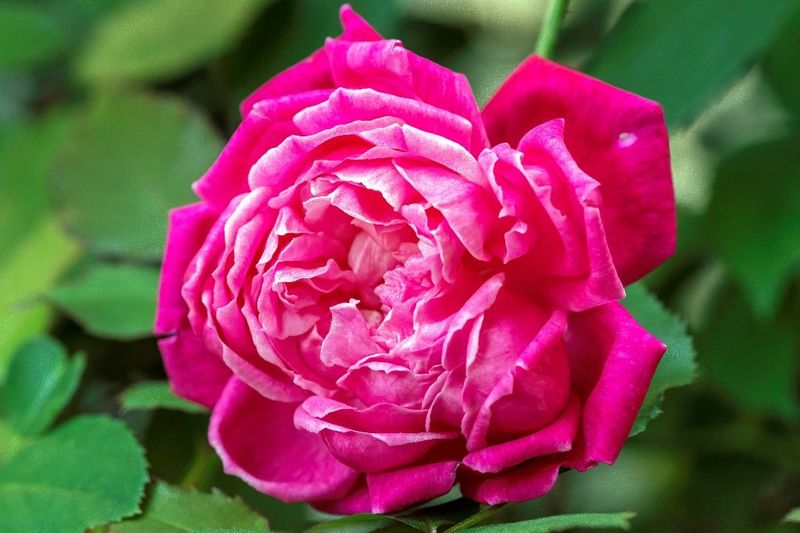
Old Florida gardens have a way of proving which plants can take the weather, and Louis Philippe has earned that kind of trust. Also called the Cracker rose by many Southern gardeners, this China rose has a long history in warm climates.
Its deep red to crimson flowers are not stiff florist roses. They have a looser, charming shape with visible yellow stamens that can be more welcoming to pollinators than tightly packed blooms.
That gives Louis Philippe a different role in the yard: part heritage plant, part wildlife-friendly flowering shrub.
Heat is where it shines. Once established, it can handle Florida summers with a toughness that many modern roses lack.
It is especially appealing for gardeners who like a relaxed cottage look rather than a formal hedge. The plant may bloom in repeated cycles through warm weather, with flowers that stand out beautifully against glossy green leaves.
Plant it where air can move around the branches, and give it room to grow into its natural shape. A layer of mulch helps in sandy soil, but avoid burying the crown.
If you want a rose with Florida character instead of garden-center sameness, Louis Philippe is hard to beat.
5. Mutabilis
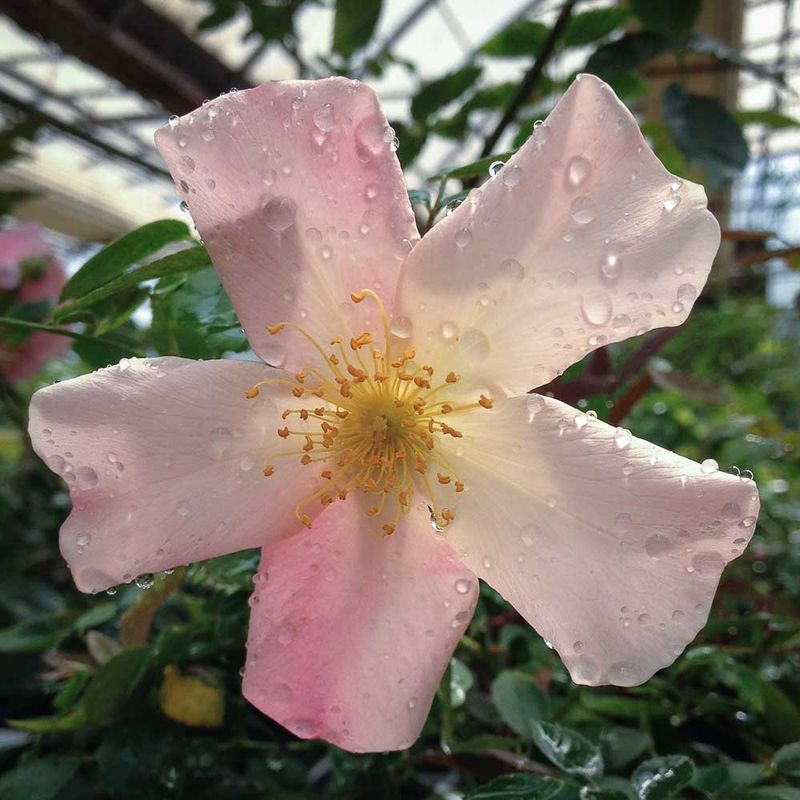
One plant can look like three different roses when Mutabilis is in bloom. Its single flowers open yellow to peach, shift to pink, then deepen toward crimson, so the shrub often carries several colors at the same time.
That color-changing habit makes Mutabilis feel lively in a Florida landscape, especially near patios or paths where people can notice the daily changes. The flowers are open and simple, with a butterfly-like look that suits informal gardens.
Instead of a heavy, formal rose display, it gives movement and a softer shape.
Mutabilis is a China rose, a group often valued in warm climates for repeat bloom and heat tolerance. It can grow into a large, airy shrub, so it is best for gardeners who have space rather than a tiny foundation bed.
In return, it offers months of color when many plants are either resting or struggling.
Place it in full sun with room for airflow, and prune lightly to guide shape instead of forcing it into a tight ball. That natural habit is part of its charm.
For Florida gardeners who want a rose that feels cheerful, unusual, and surprisingly tough, Mutabilis brings personality without needing constant attention.
6. Mrs. B. R. Cant
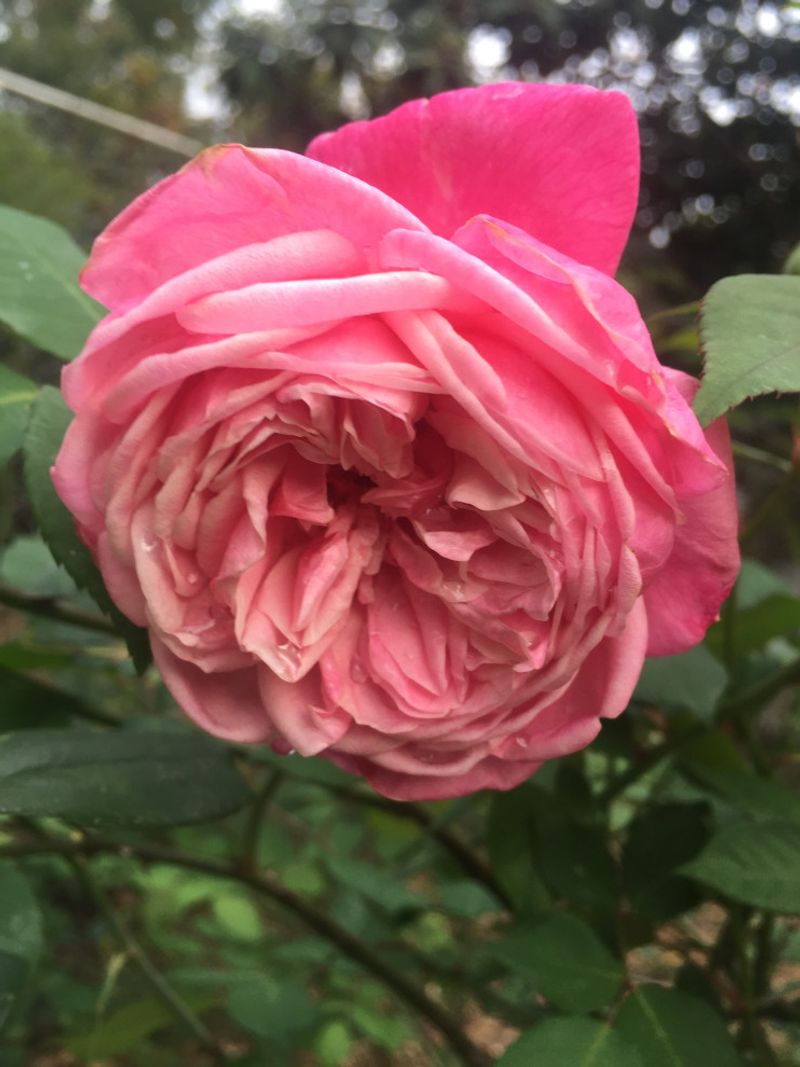
Big, blowsy blooms in Florida heat sound too good to be true, but Mrs. B. R.
Cant has been proving itself in warm gardens for more than a century. This old tea rose brings size and softness without acting as fragile as many modern exhibition roses.
The flowers are full, pink, and generous, often giving the shrub a lush look that feels right at home near porches, fences, or sunny side yards. What makes it different from compact roses is its presence.
Mrs. B. R.
Cant can become a substantial shrub, so it works best where it has breathing room and a place to anchor a bed.
Tea roses are often better suited to mild-winter, hot-summer regions than roses bred mainly for colder climates. In Florida, that can mean stronger performance across a long growing season.
The plant still benefits from good care, but it does not need to be treated like a delicate greenhouse flower.
Use compost at planting, mulch well, and water deeply rather than sprinkling often. After summer rain, remove fallen petals or leaves if disease pressure builds.
If your yard needs a rose with old-fashioned beauty and Southern stamina, Mrs. B. R.
Cant deserves serious attention.
7. Caldwell Pink
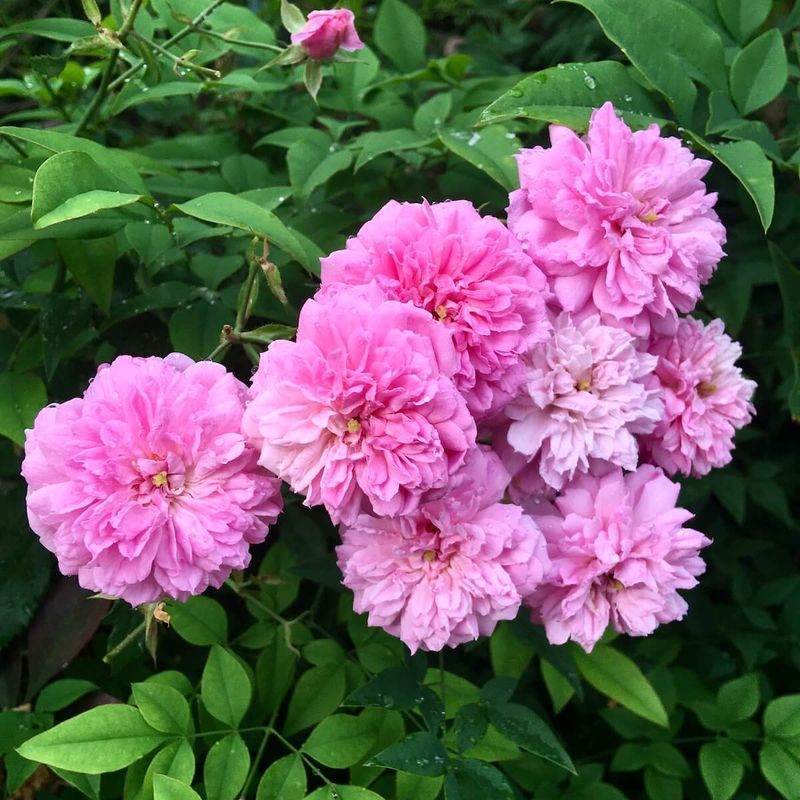
Sometimes the best rose is not the one with the biggest flower, but the one that keeps showing up. Caldwell Pink is loved for clusters of small pink blooms that give steady color without demanding center-stage treatment.
Its rounded shrub form makes it easy to use in mixed borders, cottage gardens, and sunny beds near fences. Unlike roses grown mainly for single perfect stems, Caldwell Pink works as a landscape plant.
That is a major advantage in Florida, where a plant must look decent from the street even after a week of heat, rain, and humidity.
The flowers have a soft, cheerful look, and the plant can bloom repeatedly through warm weather once established. It is often described as tough in Southern gardens, especially where gardeners want beauty with lower maintenance.
Pair it with salvia, gaillardia, native grasses, or pollinator-friendly perennials for a bed that still has life between rose flushes.
Good sun, drainage, and spacing will help it perform at its best. If your soil is very sandy, add organic matter and keep mulch refreshed before the hottest stretch of the year.
Caldwell Pink is a practical choice for gardeners who want a dependable rose that blends easily into a real working yard.