
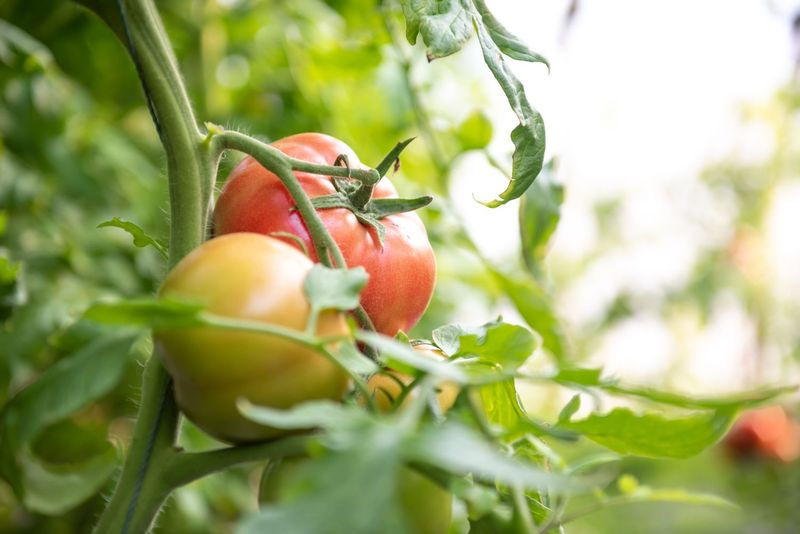
Florida tomato gardeners know the heartbreak of healthy plants that flower like crazy, then drop every bloom when the heat turns up. Hot nights, sandy soil, humidity, and pest pressure can make regular tomatoes quit just when you expect fruit.
The right variety will not fix every problem, but it can give you a much better shot at real tomatoes in spring, early summer, and fall. Here are seven heat-smart picks that belong on a Florida short list.
1. Heatmaster
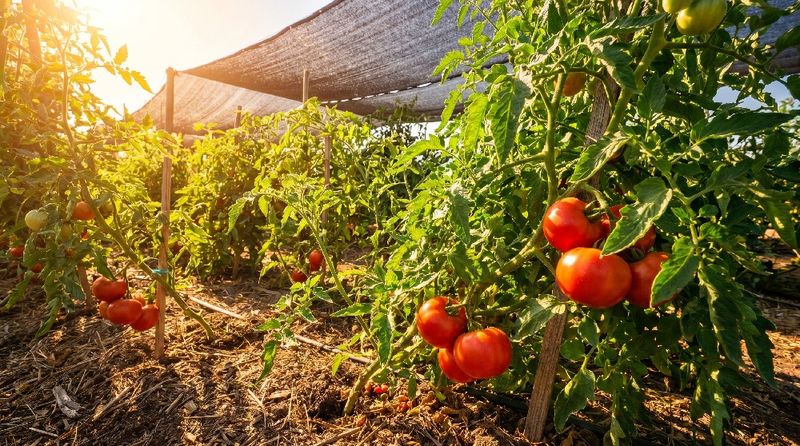
Heatmaster earns its name in the most practical way possible: it was bred for gardeners who cannot wait for cool weather to get tomatoes. In Florida, where warm nights often cause pollen trouble and blossom drop, that matters more than a pretty seed packet photo.
Expect a determinate plant, which means it grows to a more compact size and sets a concentrated crop instead of sprawling all season. That habit is helpful for patios, raised beds, and small suburban yards from Central Florida down into warmer coastal areas.
Fruit is usually medium to large, red, and useful for sandwiches, salads, and quick sauces. The flavor is not usually as rich as a slow-grown heirloom, but the tradeoff is reliability when many big slicing types are sulking in the heat.
Plant Heatmaster where it gets morning sun and some relief from the harshest late-afternoon blast if possible. Keep moisture steady with mulch and drip irrigation, because sandy Florida soil can swing from soaked to dry fast, and that stress can still cause blossom drop even on a heat-tolerant plant.
2. Solar Fire
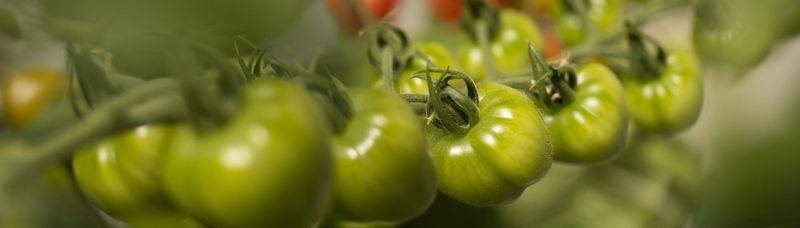
A tomato named Solar Fire sounds dramatic, but Florida gardeners understand the point by late May. UF/IFAS helped develop this variety for hot, humid conditions, so it has a real regional reason to be on the list.
Solar Fire is a determinate slicer that can set fruit during warmer periods better than many standard garden tomatoes. For home growers, the big appeal is timing: it can stretch the tomato window when spring weather is warming up fast or when a fall planting still faces steamy afternoons.
The fruit is red, round, and usually in the medium-size range, making it handy for everyday kitchen use. It is not the tomato you grow for odd colors or old-fashioned heirloom bragging rights, but it is a workhorse for gardeners who want actual harvests.
Give Solar Fire a spot with strong air movement to help leaves dry after rain. Florida humidity can invite leaf disease, and even tough varieties perform better when they are not crowded against fences, shrubs, or other tomatoes.
For best results, transplant sturdy young plants rather than oversized, root-bound ones. A younger plant often settles in faster before the weather turns punishing.
3. Florida 91
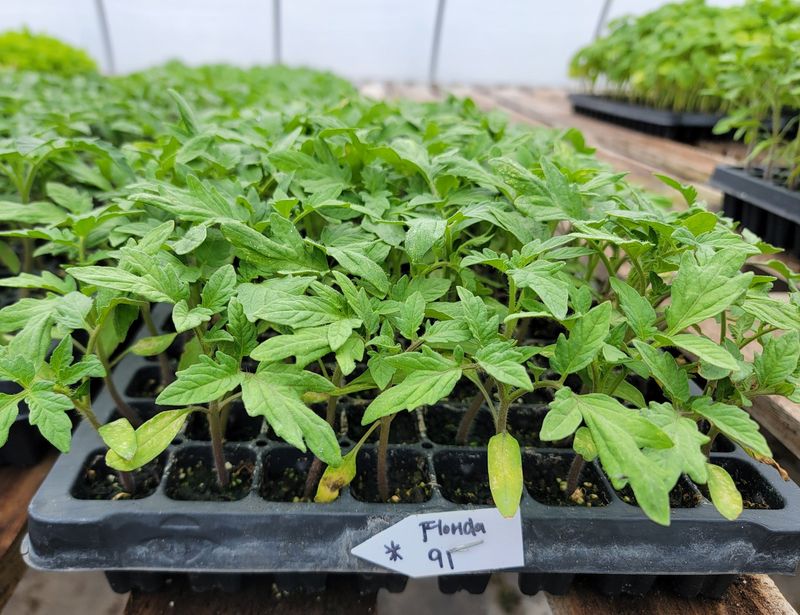
Old Florida tomato growers often talk about timing, but variety choice is just as important. Florida 91 was bred with hot conditions in mind, and that makes it a useful pick when regular tomatoes start dropping yellow flowers instead of setting fruit.
Its biggest strength is heat-set ability, especially during warm stretches that would shut down many large-fruited types. The plant is determinate, so it tends to stay more manageable than long-vining indeterminate tomatoes, which is nice if you garden in a raised bed or along a sunny side yard.
Fruit is red, smooth, and good for slicing. Gardeners who want a dependable tomato for burgers, lunch plates, and fresh salsa will likely appreciate its no-nonsense style.
Florida 91 still needs smart Florida care. Mulch deeply, water evenly, and avoid pushing too much nitrogen, because lush leafy growth is not the same as fruit production.
In South Florida, it may fit best in the fall, winter, or early spring tomato season rather than the most brutal summer stretch. In North and Central Florida, it can be a strong choice for spring plantings that run into early heat.
4. Phoenix
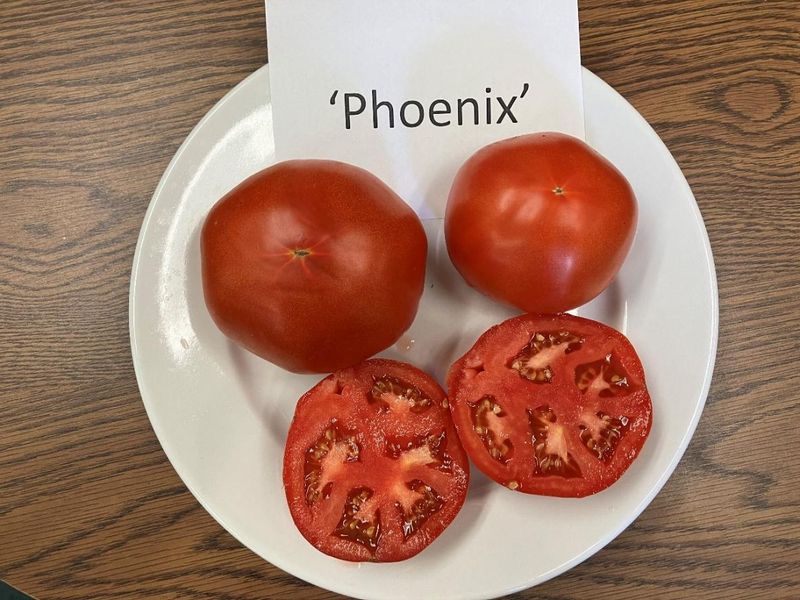
Phoenix is the kind of tomato you try when the weather forecast looks rude and you still want slicers. It was developed for hot growing regions, and that background gives it a better chance when daytime heat and warm nights make other varieties act dramatic.
The plants are determinate and fairly sturdy, which helps in home gardens where space and time are limited. You can cage them, mulch them, and keep the bed tidy without fighting a jungle of vines by midsummer.
Phoenix produces red, medium to large fruit with the familiar look most gardeners expect from a slicing tomato. It is a practical pick for families who want fresh tomatoes for sandwiches without gambling everything on fussy heirlooms.
Because Florida weather can turn from dry to drenching overnight, consistent soil care is key. Raised beds, compost worked into sandy soil, and a thick mulch layer can help the root zone stay more even.
Phoenix is also a good candidate for gardeners in hot parts of Texas and the lower Gulf Coast, where similar heat-set problems show up. Still, local disease pressure varies, so rotate planting spots and remove tired plants quickly instead of letting them become pest hotels.
5. Bella Rosa
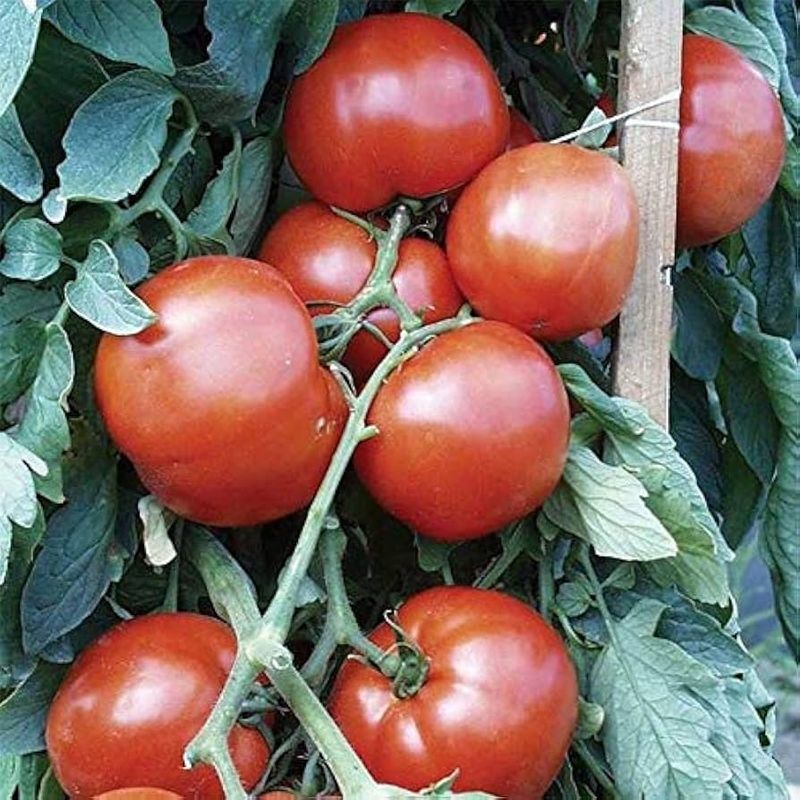
Bella Rosa brings a little more old-school tomato satisfaction to the heat-tolerant group. Many heat-set types are chosen mainly because they survive tough weather, but Bella Rosa is often liked for producing attractive, larger fruit while still handling warm Southern conditions better than many standard varieties.
The plant is determinate, yet it can carry hefty red tomatoes when it is well grown. That makes it appealing for gardeners who want a heat-aware tomato but do not want to give up the joy of a thick slice on a plate.
Its disease package can be useful in humid regions, though no tomato is trouble-free in Florida. Leaf spots, wilts, nematodes, and insects can still show up, especially in beds where tomatoes or peppers have been planted year after year.
Bella Rosa likes steady feeding, but do not overdo it. A balanced fertilizer plan and regular watering are better than a heavy nitrogen push that creates a gorgeous green plant with fewer tomatoes.
Try it in a spring bed where you can harvest before the worst summer pressure builds. In warmer zones, a fall crop can also work well if you protect young transplants from early heat and keep pests in check.
6. Sun Gold
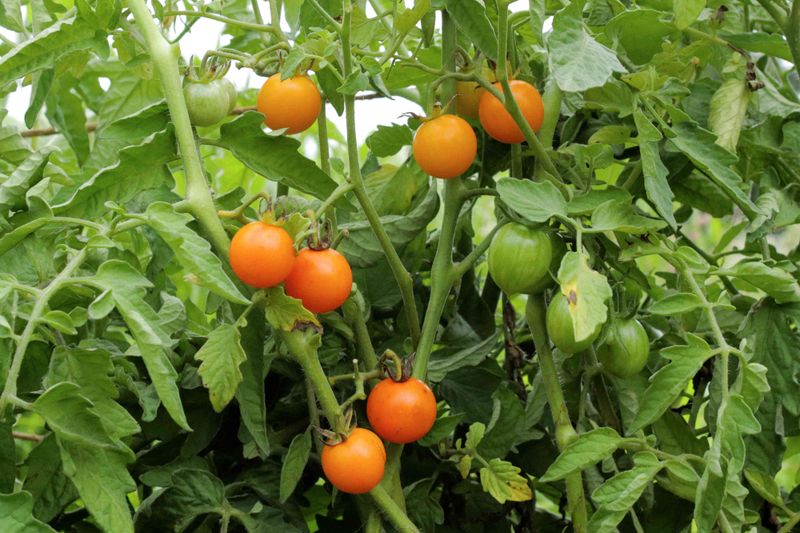
Cherry tomatoes are the sneaky winners of many Florida gardens, and Sun Gold is one reason why. While big slicers may drop blooms in hot spells, small-fruited tomatoes often keep setting because they need less from the plant to finish each fruit.
Sun Gold is an indeterminate cherry tomato, so it can grow tall and keep producing over a long stretch if disease and pests do not take it down. The golden-orange fruit is sweet, bright, and easy to snack on while you are still standing in the garden.
Its flavor is the hook, but its usefulness is bigger than taste. For families, it is often the tomato that gets kids interested in picking, rinsing, and eating from the yard.
Give Sun Gold a strong trellis or tall cage from the start, because it can outgrow flimsy supports fast. Good airflow matters in Florida humidity, so prune lightly and avoid packing multiple vines into a tiny space.
One caution: splitting can happen after heavy rain, especially when soil moisture jumps suddenly. Pick ripe fruit often, and consider harvesting just before a big storm if clusters are already turning orange.
7. Everglades Tomato
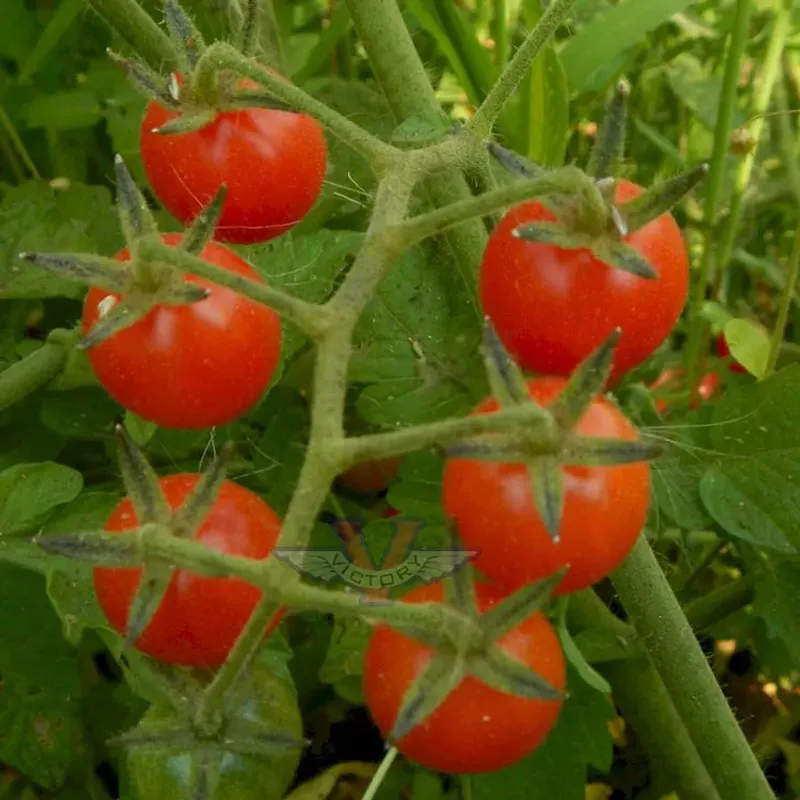
For pure Florida character, Everglades tomato is hard to beat. The fruits are tiny, often currant-sized, but the plant has a reputation for shrugging off heat that makes larger tomatoes quit.
Everglades tomato is especially loved in South Florida, where gardeners may struggle to keep traditional tomatoes happy for long. It can reseed, sprawl, and pop up in surprising places, which feels more like a wild garden gift than a formal crop.
The flavor is sweet-tart and intense for such a small fruit. You will not use it for big sandwich slices, but it is excellent for snacking, tossing into salads, or roasting by the handful when the plant is loaded.
Because it can grow vigorously, give it room or guide it onto a fence, cage, or trellis. In a tidy front-yard edible bed, you may need to prune it more often than a compact determinate variety.
Everglades tomato also fits gardeners who prefer lower-input plants with local toughness. It still appreciates mulch, compost, and steady water during dry stretches, but it is one of the best choices when the goal is fruit in heat rather than perfect-looking tomatoes.