
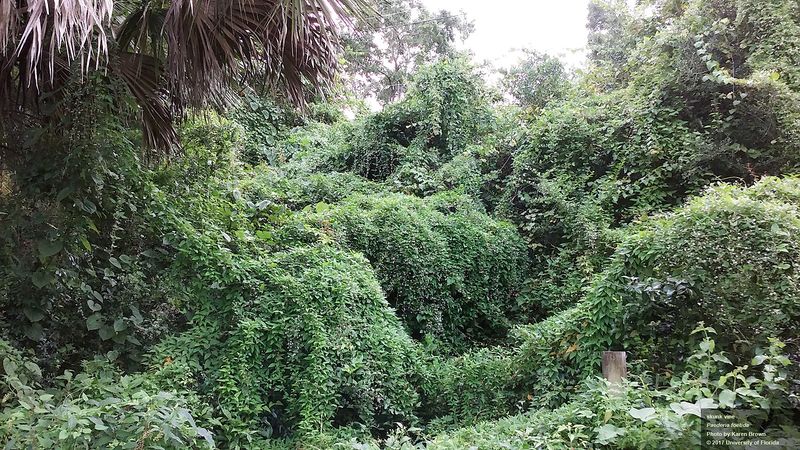
A pretty vine on a Florida fence can look harmless until a child, pet, or curious gardener touches the wrong leaf or berry. Some vines common in warm Southern yards carry toxins that can burn skin, upset the heart, or cause serious poisoning if eaten.
Knowing what to spot helps you clean up fence lines safely and choose better plants for a yard that still looks lush. Here are seven vines Florida homeowners should learn before the next weekend cleanup.
1. Rosary Pea
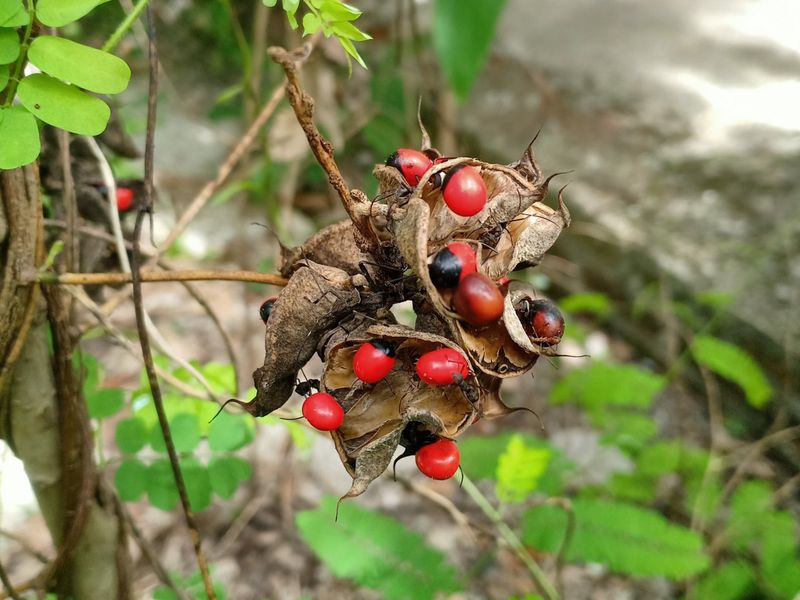
A string of shiny red-and-black seeds can feel like something from a craft box, but rosary pea is one of the most dangerous vines a Florida gardener can find. The seeds contain abrin, a highly toxic compound, and chewing even a small amount can cause severe poisoning.
Along fence lines, rosary pea often slips in quietly through shrubs, chain-link, and neglected corners. Its small leaflets can make it look soft and ferny, which is part of the problem because it does not shout danger at first glance.
Wear gloves before handling it, and do not pull seed pods bare-handed. Bag the plant material carefully, keep children and pets away from the cleanup area, and check local guidance because rosary pea is also considered invasive in Florida.
If anyone eats the seeds, treat it as an emergency and contact poison control right away.
2. Carolina Jessamine
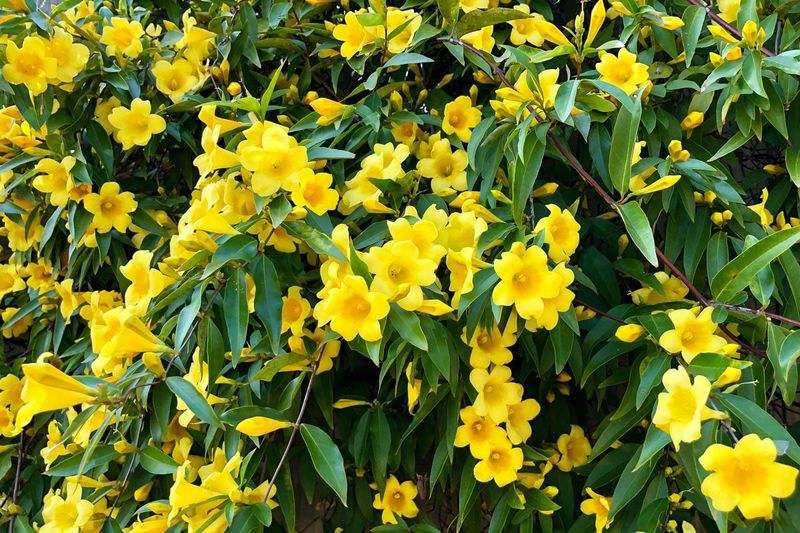
Those cheerful yellow trumpets may be one of the prettiest sights on a Southern fence, especially in late winter and spring. Carolina jessamine is native to the Southeast and can be beautiful in the right place, but every part of the plant is poisonous if eaten.
The danger is easy to underestimate because the vine looks garden-worthy rather than weedy. Leaves, flowers, and nectar contain toxic alkaloids that can affect the nervous system, and pets or children should not be allowed to nibble it.
Florida homeowners sometimes let Carolina jessamine climb arbors, gates, and boundary fences for fast color. If you already grow it, keep it away from play areas, vegetable gardens, chicken runs, and spots where pets graze.
Prune with gloves, wash your hands afterward, and label the plant if you have guests or family members who pick flowers for indoor jars.
3. Poison Ivy
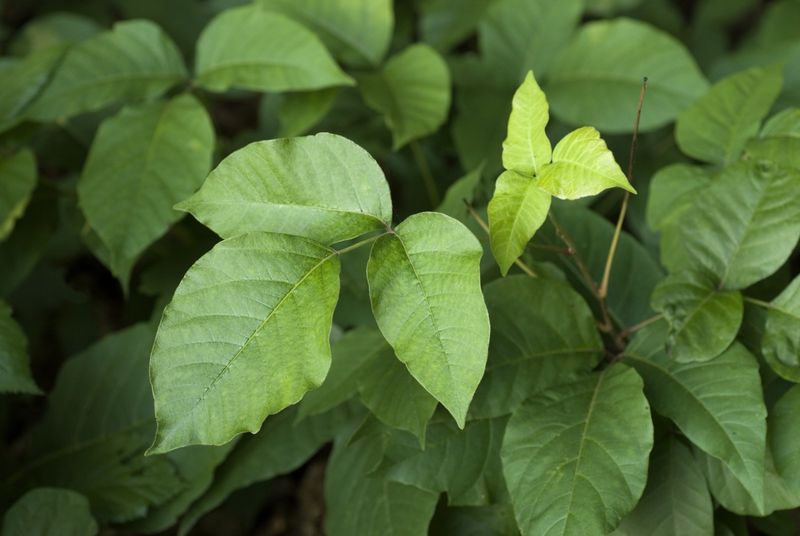
After a rainy stretch, poison ivy can race up a fence faster than many people expect. The old warning, leaves of three, let it be, still matters in Florida, where this vine can grow as a groundcover, shrub, or climbing vine.
Poison ivy is different from the others on this list because its main threat is skin contact, not eating it. The plant oil, urushiol, can trigger an itchy rash, blisters, and swelling, and the oil can cling to gloves, tools, pet fur, and fence wire.
Never burn poison ivy. Smoke can carry the irritating oil and may cause serious breathing problems if inhaled.
For fence-line removal, cover your skin, use disposable or washable gloves, and clean pruners afterward with care. If the vine is thick or growing through a shared fence, a professional removal service may be the safest route.
Recheck the area because birds spread the seeds, and fresh shoots can return during Florida’s long warm season.
4. Moonflower Vine
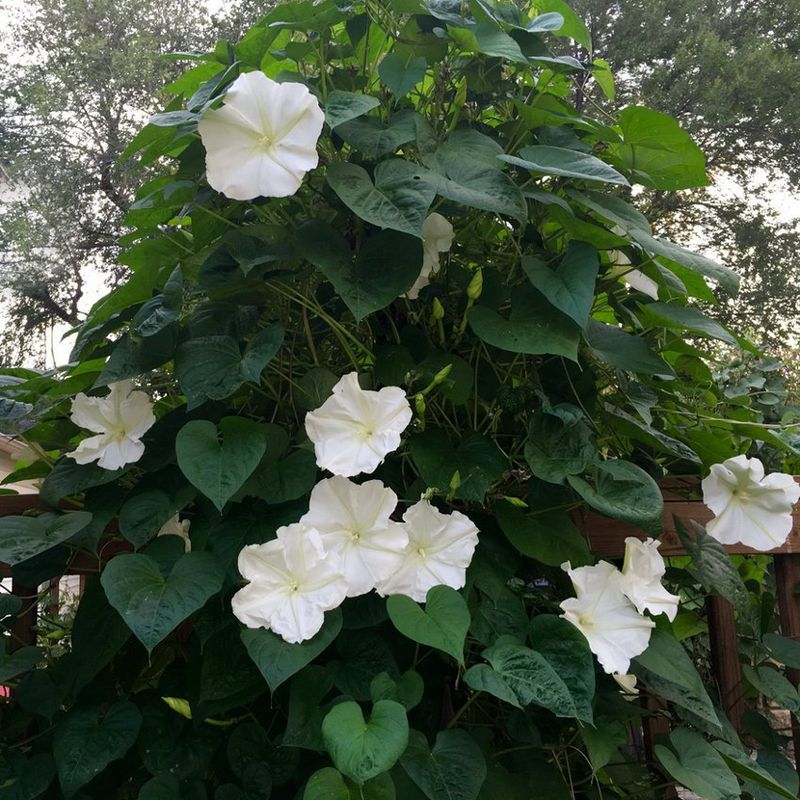
One huge white bloom opening at dusk can make a fence look magical, almost like the yard planned a little show for after dinner. Moonflower vine is often grown for that night-blooming drama, but it belongs in the same caution zone as morning glories and other plants with risky seeds.
The seeds are the biggest concern. They can contain compounds that may cause hallucinations, confusion, rapid heartbeat, nausea, and other serious symptoms if eaten.
Curious teens, small children, and pets make this vine a poor choice near gates, patios, and play spaces.
In Florida’s warm climate, moonflower can grow with real energy, especially where irrigation or summer rains keep the fence line moist. Deadhead spent flowers before seed pods mature if you choose to keep it, and do not compost seed-heavy material where it can sprout later.
A safer nighttime garden can still have pale flowers. Consider non-toxic, well-sited alternatives and check UF-IFAS resources before planting vigorous vines near natural areas.
5. Yellow Allamanda
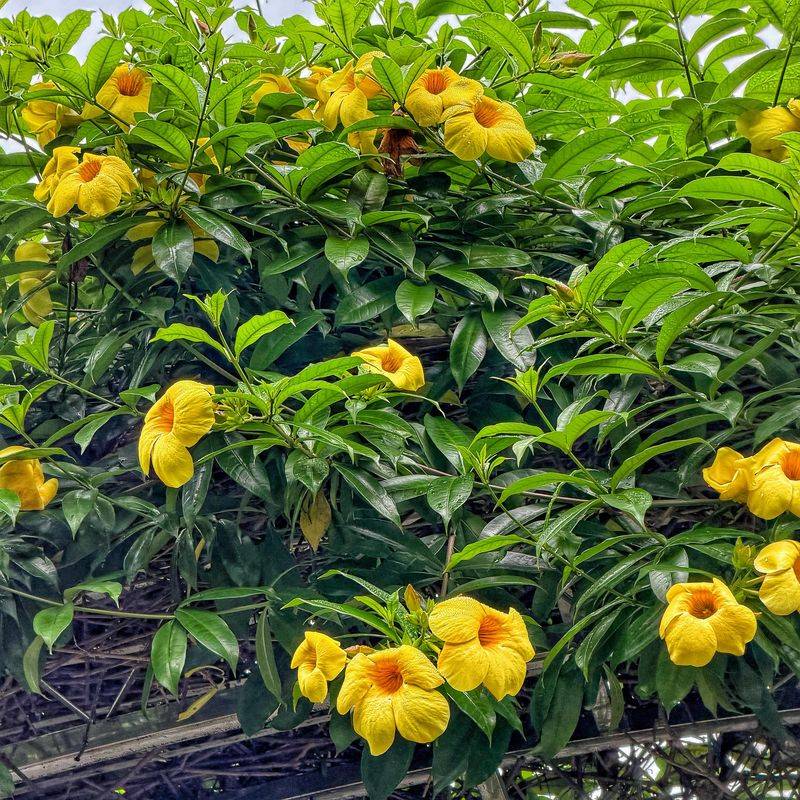
Glossy leaves and golden flowers give yellow allamanda that vacation-yard look many Florida gardeners love. In frost-free parts of the state, it can sprawl along fences, spill over walls, and bulk up quickly with very little encouragement.
The catch is its milky sap and poisonous plant parts. Allamanda can irritate skin and eyes, and eating leaves, stems, or flowers may cause vomiting, diarrhea, and other unpleasant symptoms.
It is not the vine to let mingle with a dog run or a child’s backyard fort.
Pruning is where many homeowners get surprised. Cut stems can leak sap, so gloves and eye protection are smart, especially when trimming overhead growth from a fence.
Bag clippings instead of leaving them where pets might chew them.
Yellow allamanda is best treated as a look-but-do-not-snack ornamental. If your fence borders a sidewalk or neighbor’s yard, keep it clipped back so flowers and trimmings do not drop into places where others may handle them without knowing what they are.
6. Skunkvine
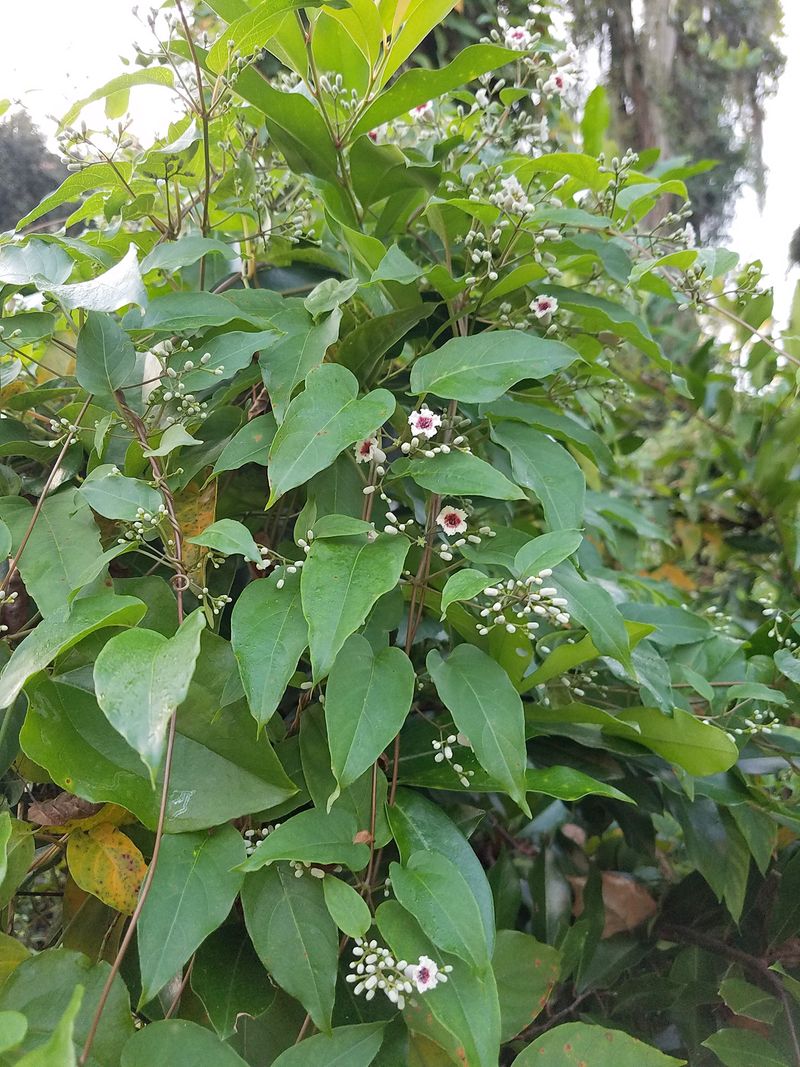
Crush a leaf and the smell gives skunkvine its name, which is helpful because the vine itself can look like just another green tangle. In Florida, this invasive climber is a fence-line troublemaker that can smother shrubs, young trees, and native plants.
Skunkvine is not famous for dramatic berries or showy flowers, but it earns a place here because of its nuisance chemistry and yard impact. Contact with the plant may bother sensitive skin, and grazing animals can be affected by some Paederia species.
For most homeowners, the bigger danger is letting it spread until removal becomes a miserable, repeated job.
Fence lines are perfect launch pads because birds move seeds and vines can weave through wire where mowers cannot reach. Pull small plants after rain when sandy soil loosens, but try to remove roots and bag any flowering or seeding material.
UF-IFAS and Florida invasive plant resources are worth checking before you choose a control method. Staying ahead of skunkvine protects the cleaner, lower-maintenance yard most people actually want.
7. English Ivy
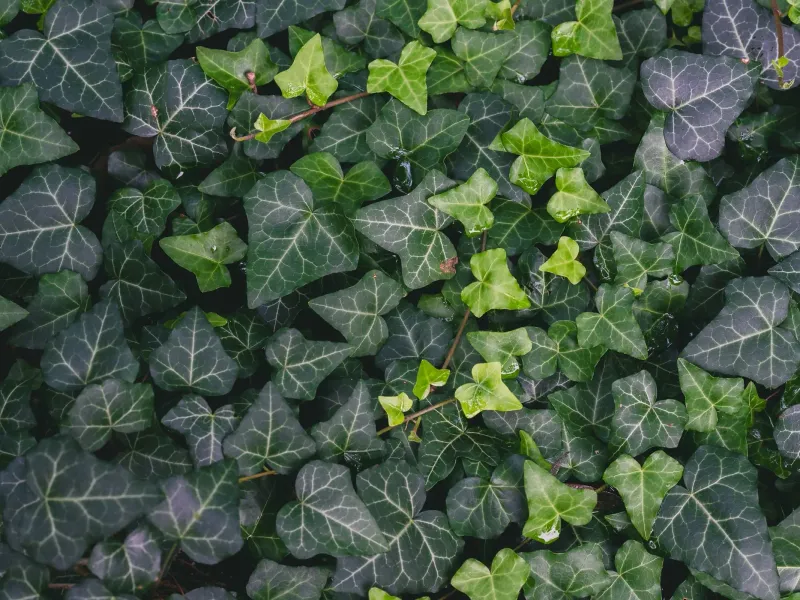
In older neighborhoods, English ivy can feel almost historic, crawling over brick, fences, and shaded corners like it has always belonged there. Florida’s climate, though, can turn that familiar look into a stubborn maintenance problem.
The leaves and berries contain compounds that can cause mouth irritation, stomach upset, drooling, and vomiting if eaten by pets or people. Skin contact may also irritate some gardeners, especially during long pruning sessions in sweaty weather.
English ivy stands apart because it combines toxicity with a talent for hiding damage. Thick vines can trap moisture against wooden fences, pry into gaps, and create shelter for pests.
In hurricane season, heavy vine growth can also add weight and wind resistance to already-stressed fencing.
If you remove it, cut climbing stems near the base and let upper growth die back before pulling hard, so you do not rip fence boards or bark from nearby trees. Replace it with Florida-friendly groundcovers or native vines suited to your light and soil, and you will get a cleaner look with less worry.