
Fireflies need more than darkness to show up in a Florida yard. Their young live low to the ground, where damp soil, leaf litter, and shelter help them survive.
The right native shrubs can make those quiet spaces without turning your garden into a mess. These UF/IFAS-friendly Florida natives are often passed over, but they can help build a yard that feels alive after sunset.
1. Walter’s Viburnum
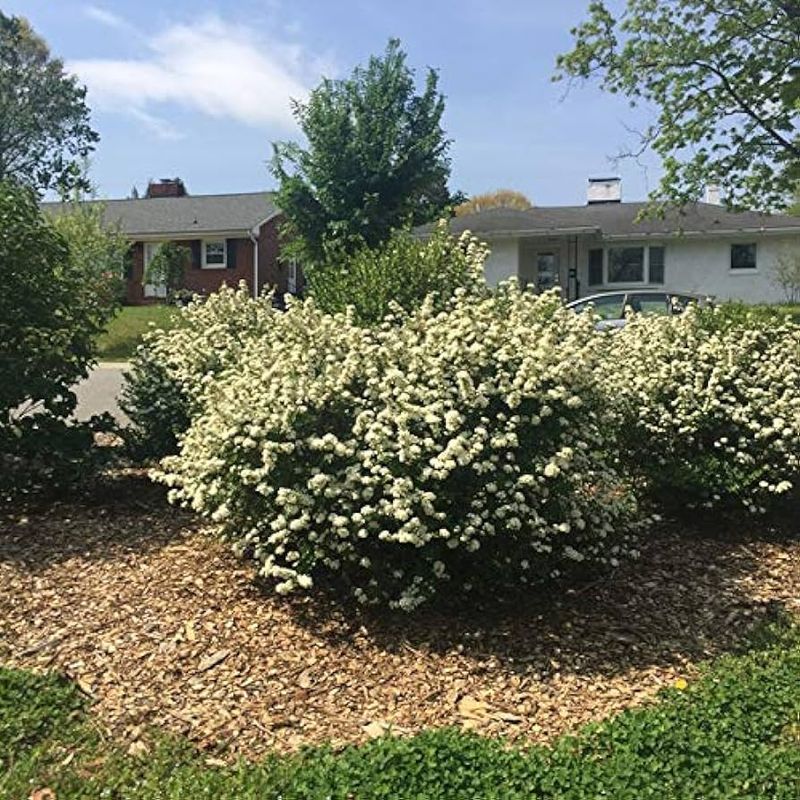
A tidy shrub that still knows how to act wild, Walter’s viburnum is one of the best choices for gardeners who want habitat without a shaggy look. UF/IFAS often highlights it as a Florida native that works in home landscapes, and its small leaves, white flowers, and dense branching make it easy to use near patios, fences, or foundation beds.
Fireflies are not feeding on the shrub like butterflies visit nectar flowers, but the plant helps build the kind of low, protected world they need. A natural mulch layer under Walter’s viburnum can stay cooler and moister than bare sand, which matters because firefly larvae live close to the soil and hunt tiny soft-bodied prey.
Use it as a loose hedge, a privacy screen, or a rounded anchor at the back of a pollinator bed. Dwarf forms fit smaller yards, while larger selections can handle screening duty in much of Florida.
For the best firefly value, skip heavy pruning at the base and avoid blasting the planting with landscape lights. Let fallen leaves collect lightly under the shrub, especially in a backyard corner where the soil stays a little damp after rain.
2. Simpson’s Stopper
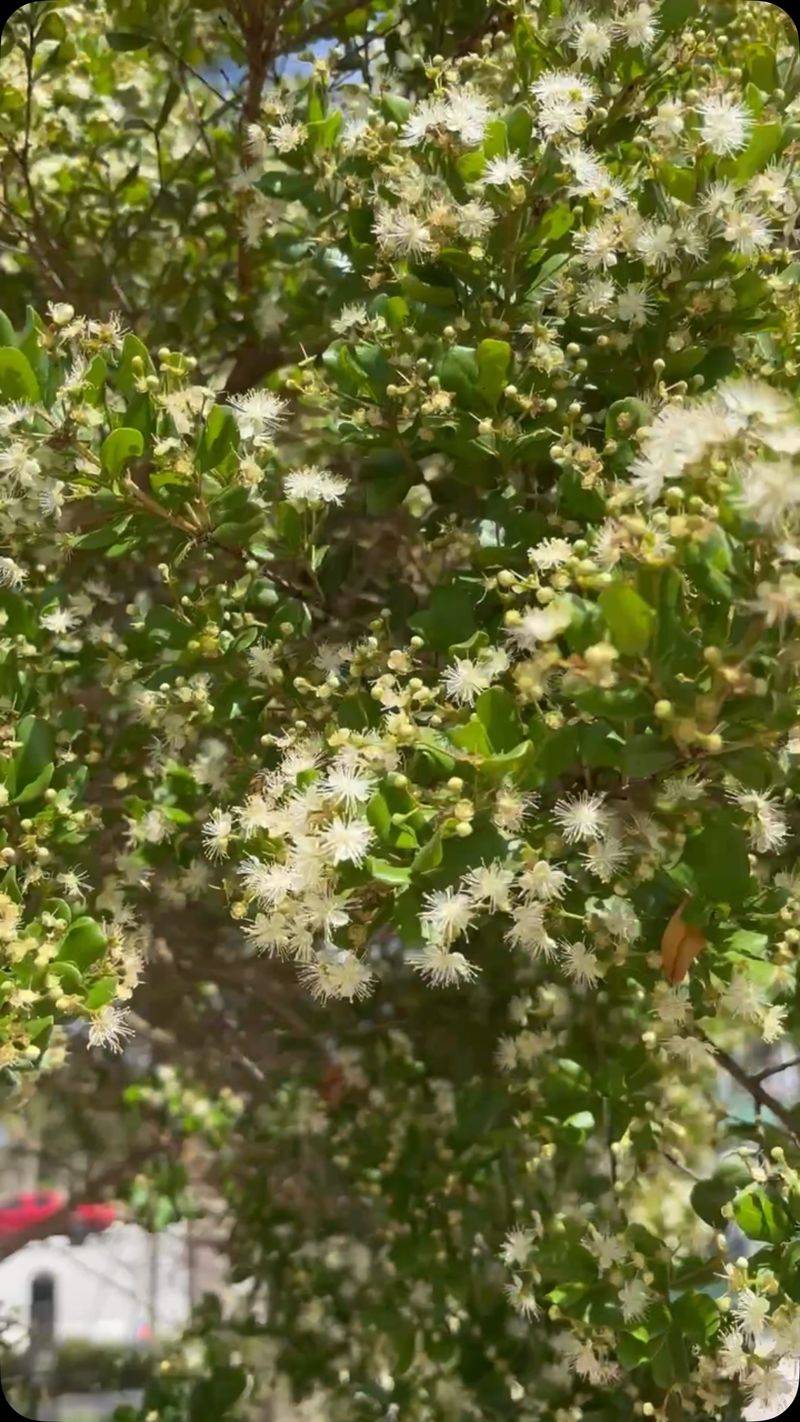
Walk past Simpson’s stopper too quickly and you might miss its best tricks. Up close, the bark has a warm, peeling look, the leaves stay neat, and the small white flowers give way to bright berries that birds notice long before most people do.
In a firefly-minded yard, Simpson’s stopper shines because it creates layered cover without demanding rich soil or constant care. Its evergreen habit helps protect the ground during Florida’s long warm season, and a ring of leaf litter beneath it can shelter the damp, low spaces where firefly larvae are most likely to thrive.
Gardeners often choose showier hedge plants first, but this native earns its spot by being useful in narrow areas. It can work beside a driveway, along a side yard path, or near a porch where you want structure without a stiff wall of green.
Give it sun to part shade and decent drainage, then let it grow with a softer outline. If you are trying to invite fireflies, avoid routine insecticide sprays around it, since larvae feed on small invertebrates in the soil zone and can be harmed by broad pest control.
3. Wild Coffee
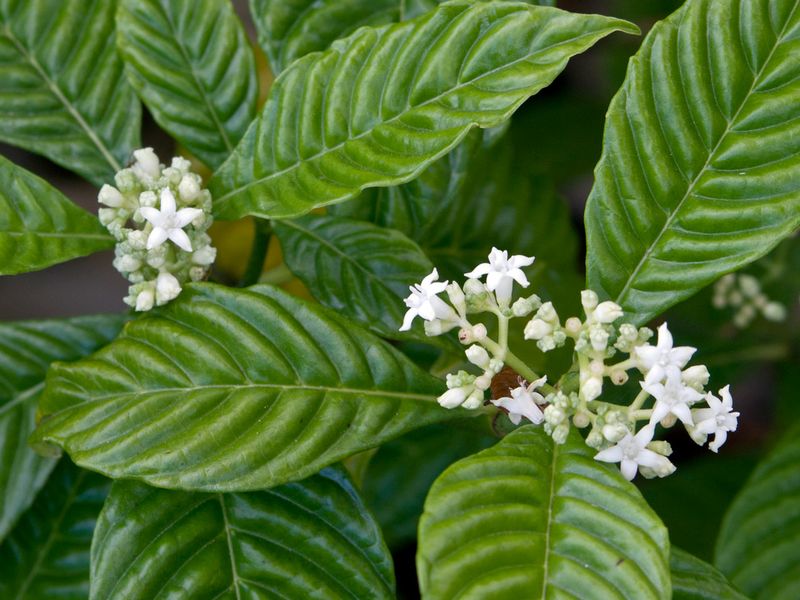
Shade under oaks can feel like a dead zone in many Florida yards, but wild coffee turns that space into a green, living room for wildlife. Its glossy leaves look almost tropical, yet it is a Florida native that UF/IFAS recognizes for shaded landscapes and wildlife plantings.
Wild coffee brings something different from the sun-loving shrubs on this list: it helps make firefly-friendly habitat where the yard is already cooler. Fireflies often need moisture and cover near the ground, and shaded beds with native shrubs, decomposing leaves, and limited disturbance can be far better than raked, exposed sand.
The red berries are popular with birds, while the flowers attract small pollinators. That extra insect activity is part of a healthier backyard food web, and healthier food webs tend to support more nighttime life overall.
Plant wild coffee in part shade to shade, especially under high tree canopies or on the east side of a house. It is not a true coffee plant for brewing, which makes the name a fun conversation starter, but its real gift is making dark corners feel intentional.
Keep irrigation gentle rather than soggy, and use leaves as mulch instead of bagging every bit of natural litter. A quiet, lightly managed shade bed is exactly the kind of place fireflies have a chance to return.
4. Beautyberry
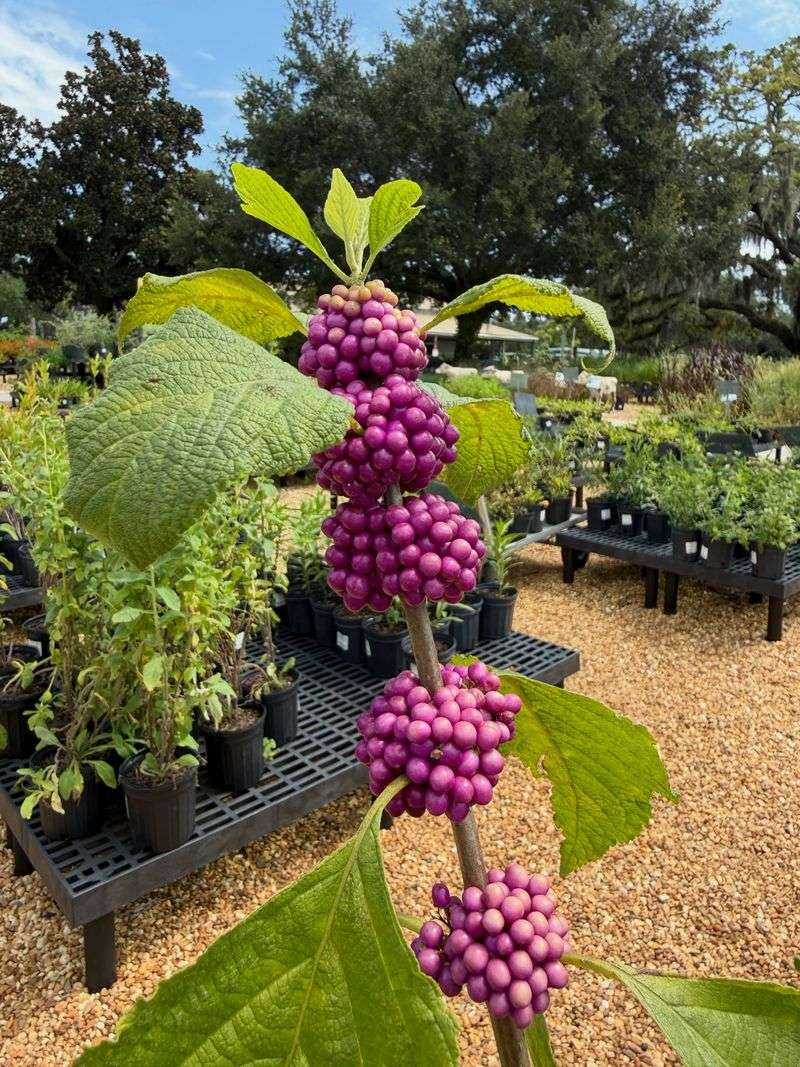
Few shrubs look as surprising in late summer as beautyberry, when purple berry clusters hug the stems like beads. Many gardeners admire it in photos, then skip it at the nursery because it looks loose or twiggy when it is not in fruit.
That relaxed shape is part of why it belongs in a firefly garden. Beautyberry lets light and air move through the planting while still giving the ground broken shade, fallen leaves, and a less manicured edge where small creatures can hide.
UF/IFAS lists American beautyberry as a Florida native wildlife plant, and birds are the obvious winners when the berries ripen. For fireflies, the quieter benefit is at soil level, especially when the shrub is planted near other natives and allowed to keep a soft mulch layer under its branches.
Use beautyberry along a back fence, at the edge of a woodland garden, or behind lower perennials where its arching form feels natural. It can take sun or part shade, though it usually looks fullest with some light and enough moisture during dry spells.
Cutting it back hard every year is not always needed, but light renewal pruning can keep it from getting too lanky. Leave the base a little wild, and avoid turning the area beneath it into bare, weed-free sand if your goal is more evening sparkle.
5. Coralbean
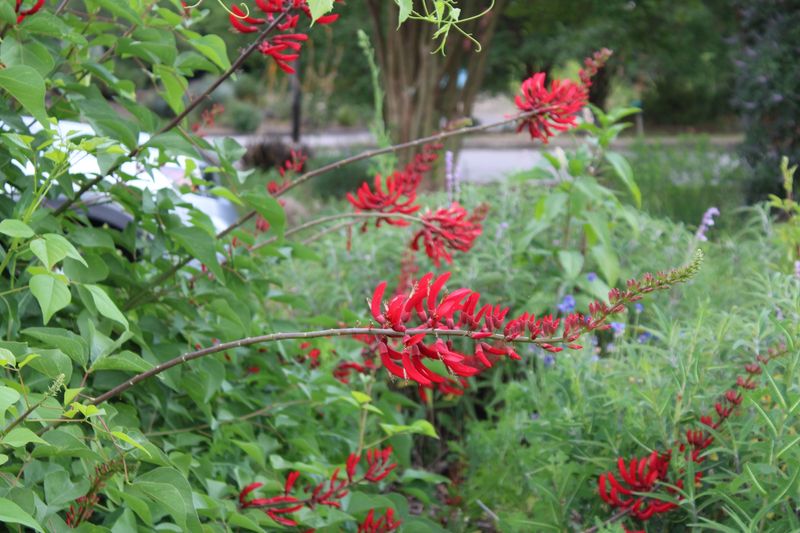
Coralbean has a bit of drama in its bones. Before many shrubs look awake, it can send up red tubular flowers that hummingbirds find fast, then settle into a rougher, more natural shape that fits the wilder side of a Florida yard.
Gardeners who want everything clipped into a ball may pass it by, but coralbean is useful where a bed needs texture, seasonal color, and a native plant that does not look like every other hedge. UF/IFAS recognizes coralbean as a Florida native, and it is often valued for wildlife gardens and dry, sandy conditions.
Its firefly value comes from the kind of planting style it encourages. Coralbean looks best in a mixed, layered bed with mulch, leaves, grasses, and nearby shrubs, not in a bare island surrounded by hot turf.
Place it toward the middle or back of a native border where its winter or dry-season leaf drop will not bother you. In North and Central Florida it may die back after cold snaps, while in warmer areas it can behave more shrubby.
One caution belongs in any home garden: coralbean seeds are toxic if eaten, so avoid planting it where curious children or pets might handle the seeds. If that is not a concern, it can bring a lively, slightly untamed look that pairs well with low light, moist mulch pockets, and fewer chemical treatments.
6. Yaupon Holly
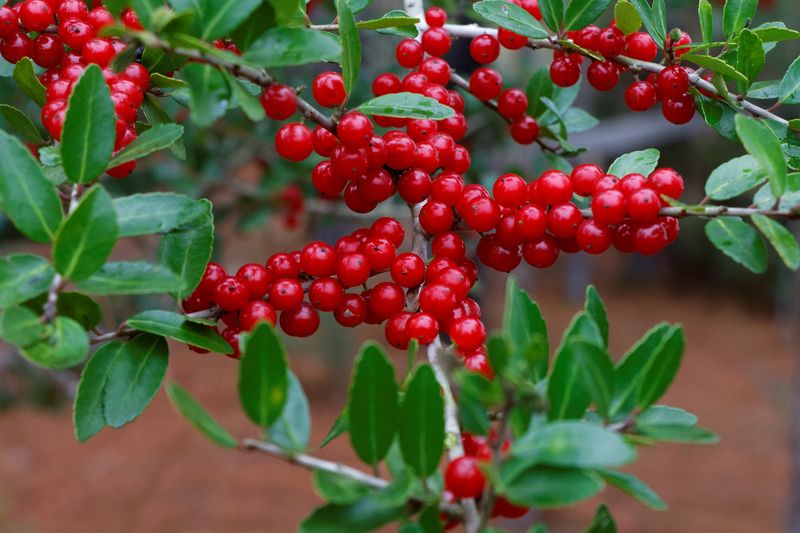
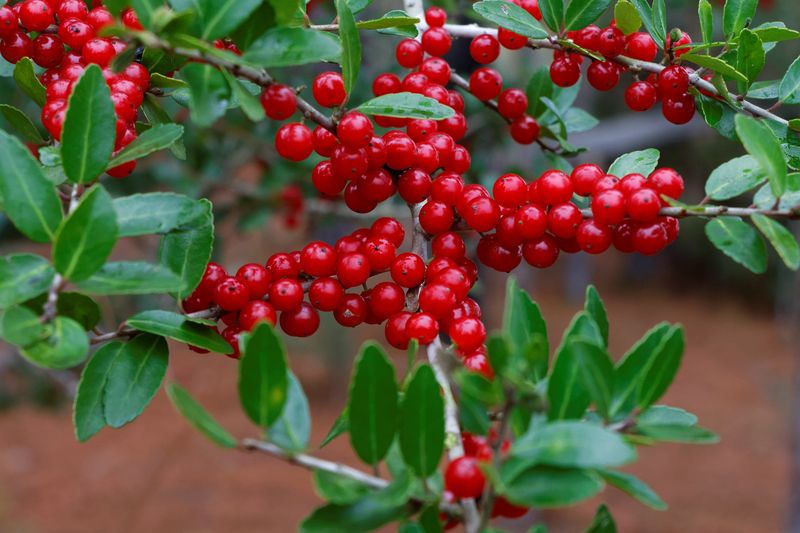
Yaupon holly is the practical one in the group, the shrub that can handle a front-yard job and still support wildlife. It has small evergreen leaves, good tolerance for pruning, and bright berries on female plants that bring birds into the landscape.
For homeowners who worry that habitat gardens will look messy, yaupon is a strong bridge plant. It can be shaped as a screen, small tree, hedge, or loose shrub, while the area under it can still be managed in a firefly-friendly way with mulch and fallen leaves.
UF/IFAS includes yaupon holly among Florida native landscape options, and it is well suited to many sandy, well-drained sites. Once established, it is tougher than many ornamental shrubs that struggle through heat, pests, or irregular rain.
The firefly connection is not about berries or flowers alone. A yaupon planting can create shaded soil, reduced mowing, and protected edges, especially along fences, drainage swales, or the back of a property where night lighting is lower.
If you want berries, choose female plants and include a male nearby for pollination. Keep the base planted or mulched rather than scalped with a string trimmer, since the real firefly nursery is down at ground level, not in the glossy top growth.
7. Florida Privet
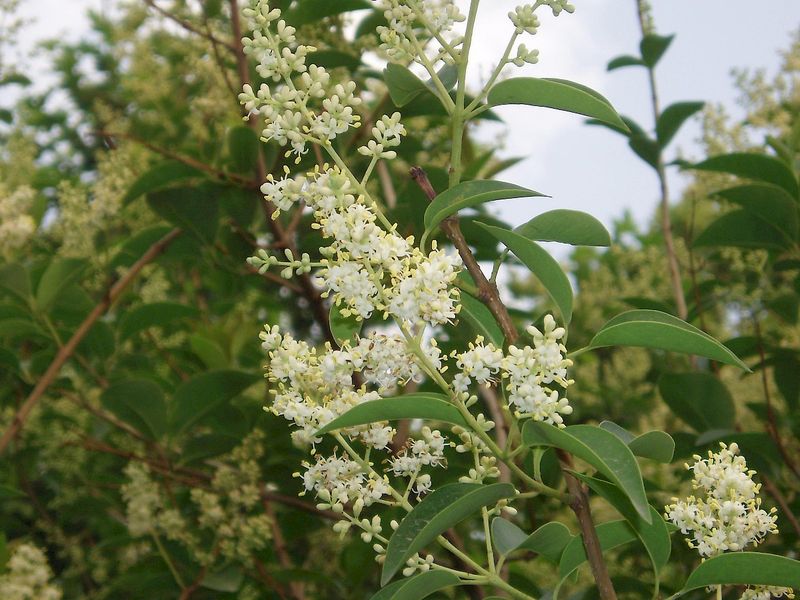
Despite the name, Florida privet is not the same as the invasive privets that give gardeners headaches. Also called forestiera, this native shrub is a low-key workhorse for tough edges, coastal yards, and natural screens where a polished exotic hedge might fail.
Its biggest gift is structure in places that often get ignored. Along a back fence, beside a ditch, or near the edge of a less formal lawn, Florida privet can help turn a hot, empty strip into a layered habitat zone.
That matters for fireflies because open turf is usually poor shelter. Shrubs that cast broken shade, catch leaves, and reduce mowing pressure create safer ground conditions for larvae and the small prey they hunt.
UF/IFAS native plant guidance often points gardeners toward right plant, right place thinking, and Florida privet fits that idea well in sunny to partly shaded sites with good drainage. It is especially useful where salt tolerance or wind exposure makes fussier shrubs a bad bet.
Let it grow as an informal hedge rather than shearing it into a hard green box. Pair it with native grasses, coontie, or low wildflowers, then keep outdoor lights aimed away from the planting so adult fireflies can signal in the dark.
For a yard that needs privacy, storm-tough texture, and better wildlife cover, Florida privet quietly earns more attention than it gets.