
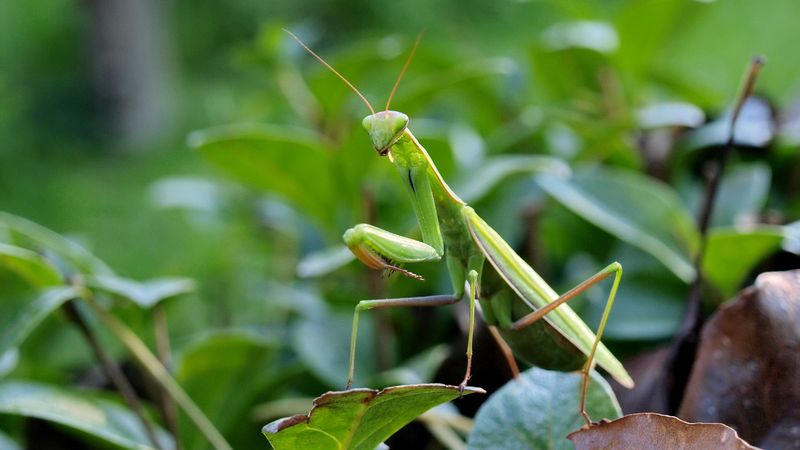
Aphids can turn tender garden growth into a sticky mess fast. Praying mantises will not solve every pest problem, but a yard with the right shrubs gives them better places to hunt, hide, and lay egg cases.
UF/IFAS recommends many Florida native shrubs that also handle sandy soil, heat, and stormy weather better than fussy ornamentals. Plant a few near vegetable beds, roses, herbs, or pollinator borders, and you build a small hunting zone that works with nature instead of against it.
1. American Beautyberry
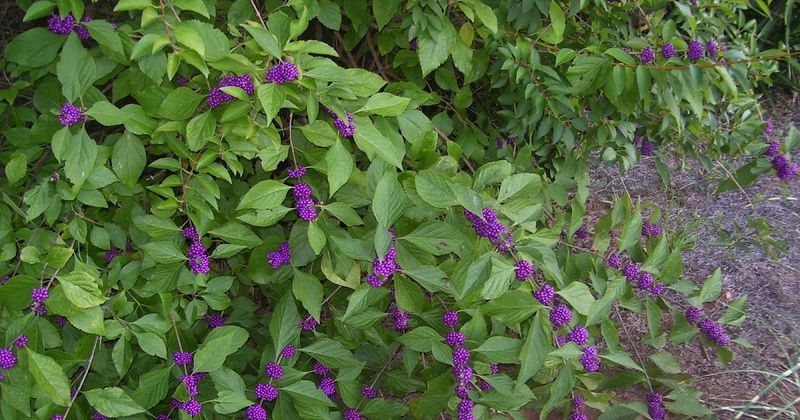
A flash of purple berries in fall makes American beautyberry feel almost too pretty to be practical, but it earns its keep in a working Florida yard. UF/IFAS recognizes this native shrub as a strong wildlife plant, and its loose, arching branches create the kind of layered cover small predators can use while moving through a bed.
For praying mantises, structure matters. Beautyberry gives them thin stems, open leaves, and quiet resting spots where they can wait for soft-bodied insects such as aphids, small flies, and leafhoppers that gather on nearby tender growth.
Plant it along the back of a vegetable border, beside a sunny herb bed, or near roses that often get aphids on new shoots. It usually performs best in part sun to full sun and can handle many Florida soils once established, though regular water during establishment helps it fill in faster.
What makes beautyberry different from denser shrubs is its airy shape. It does not form a hard green wall, so mantises can move, perch, and strike without being buried in foliage.
2. Firebush
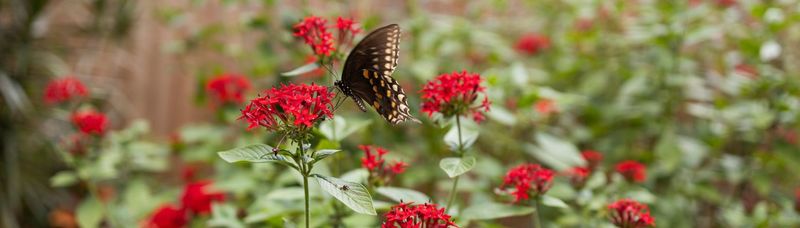
Few Florida natives bring as much backyard traffic as firebush. Its orange-red tubular flowers pull in hummingbirds, butterflies, bees, and plenty of small insects, which turns the shrub into a lively feeding station for predators higher up the backyard food chain.
Praying mantises are ambush hunters, so a busy plant can be useful when it offers both prey movement and good hiding places. Firebush has leafy stems and a relaxed, tropical shape that gives mantises room to blend in while watching for aphids that drift in from tender vegetables, ornamentals, or nearby new growth.
UF/IFAS often points to firebush as a Florida-Friendly choice for warm landscapes, especially in Central and South Florida. In North Florida, cold may knock it back, but it can regrow in warmer seasons when aphid pressure also rises.
Use firebush where you want color plus pest-supporting habitat, such as the sunny end of a raised bed area or near a pollinator strip. Give it space, because in frost-free parts of Florida it can become a broad, showy shrub rather than a small accent.
3. Yaupon Holly
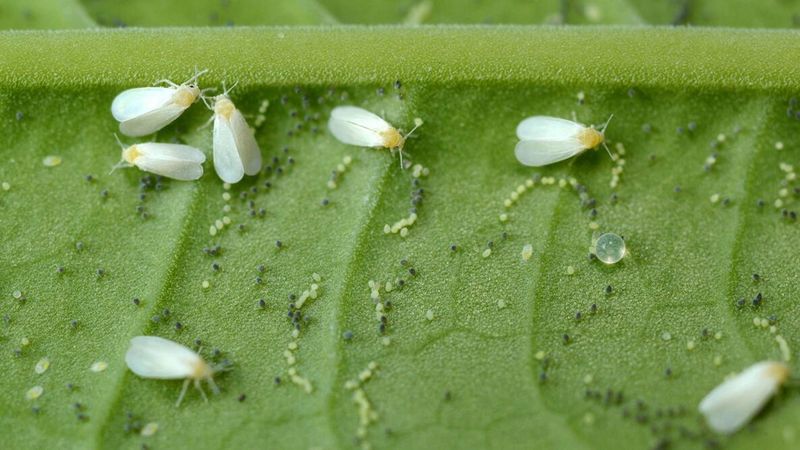
Evergreen bones are what many pest-fighting gardens are missing. Yaupon holly supplies that steady framework, giving mantises and other beneficial insects shelter even when annual flowers fade or vegetable beds get replanted.
UF/IFAS lists yaupon holly as a Florida native shrub or small tree, and it is valued for toughness, small leaves, and wildlife-friendly berries on female plants. Its twiggy branching is especially helpful because mantis egg cases, called oothecae, are often attached to stems, fences, or other firm surfaces where they can ride out quiet stretches in the garden.
Place yaupon holly near beds that need a permanent backdrop, not in the middle of a space you till or clear every season. A hedge, corner planting, or foundation bed near vegetables can act like a safe launch point for hunting insects.
Compared with flashier flowering shrubs, yaupon is the steady neighbor. It may not scream for attention, but it keeps habitat in place through heat, wind, and the stop-start rhythm of Florida gardening.
4. Wax Myrtle
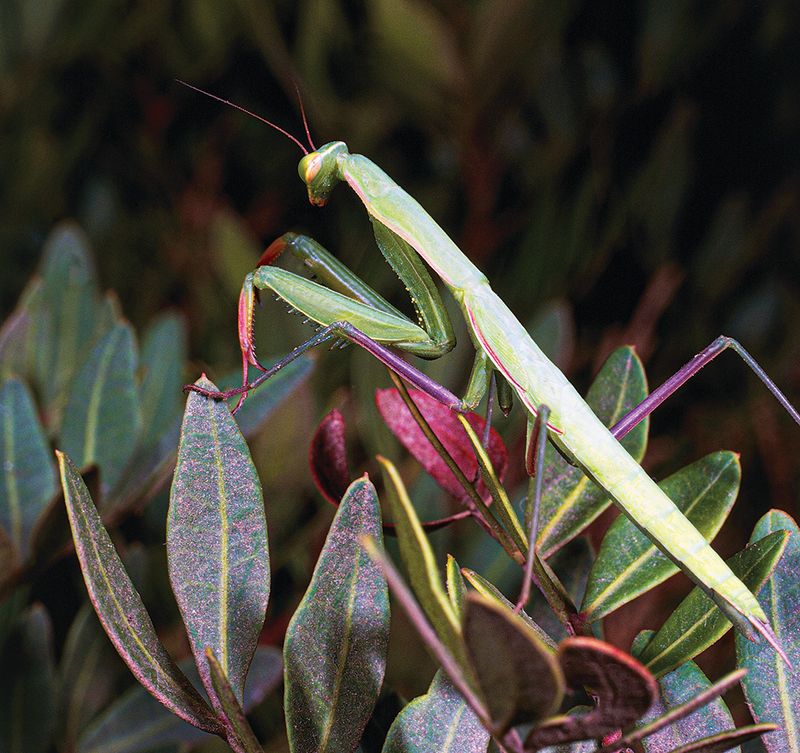
When a garden needs a windbreak, privacy, and wildlife value all at once, wax myrtle steps up with very little drama. This Florida native is known for fast growth and tolerance of many site conditions, including the sandy soils that frustrate many homeowners.
Its value for mantises comes from mass and cover. A wax myrtle screen can soften harsh winds around a vegetable patch and create a protected edge where beneficial insects can pause instead of being exposed in open lawn.
Aphids often flare on lush new growth, especially when plants are stressed or overfed with nitrogen. By planting wax myrtle near, but not crowding, your beds, you add a nearby hunting corridor where mantises can patrol stems and then move into problem areas when prey is present.
Give wax myrtle enough room because it is not a tiny shrub. It fits best along property lines, behind larger beds, or in wildlife corners where its informal look feels natural.
A bonus for Florida gardeners is storm resilience when the plant is well-sited and maintained. Avoid shearing it into a stiff box, since a looser form offers more useful perches and hiding pockets.
5. Simpson’s Stopper
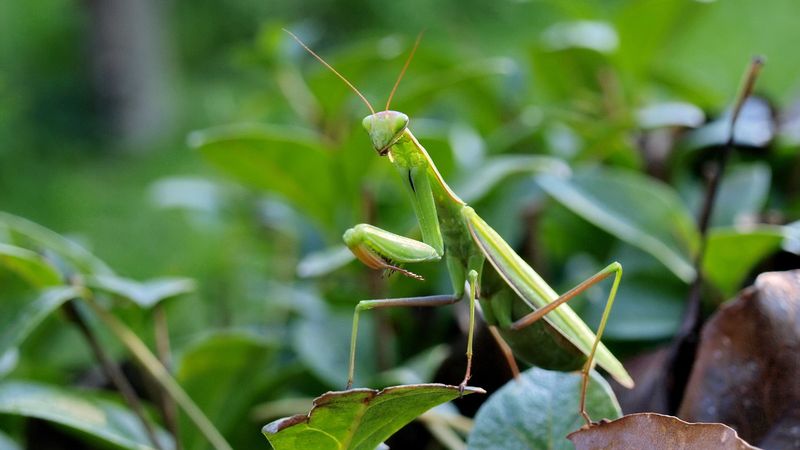
Neat enough for the front yard but useful enough for a habitat garden, Simpson’s stopper is a smart pick when you do not want a wild-looking shrub by the walkway. Its glossy leaves, small white flowers, and colorful berries make it feel polished without losing its native-plant value.
UF/IFAS highlights Simpson’s stopper as a Florida native that can serve as a hedge, specimen, or small tree depending on pruning. That flexibility matters in home gardens where pest control plantings need to look intentional, especially near patios, entrances, or HOA-visible spaces.
For praying mantises, Simpson’s stopper offers a tidy maze of stems. The flowers bring small insects, the foliage gives shade and cover, and the branching can support egg cases in a part of the yard that is less likely to be cleared every season.
Use it near ornamental beds that suffer from aphids on tender tips, such as hibiscus, milkweed, or soft new perennial growth. Keep some natural branching instead of clipping every surface flat, because mantises hunt better when they have uneven perches.
This shrub stands out because it bridges curb appeal and backyard function. It helps a pest-aware planting look designed, not messy.
6. Cocoplum
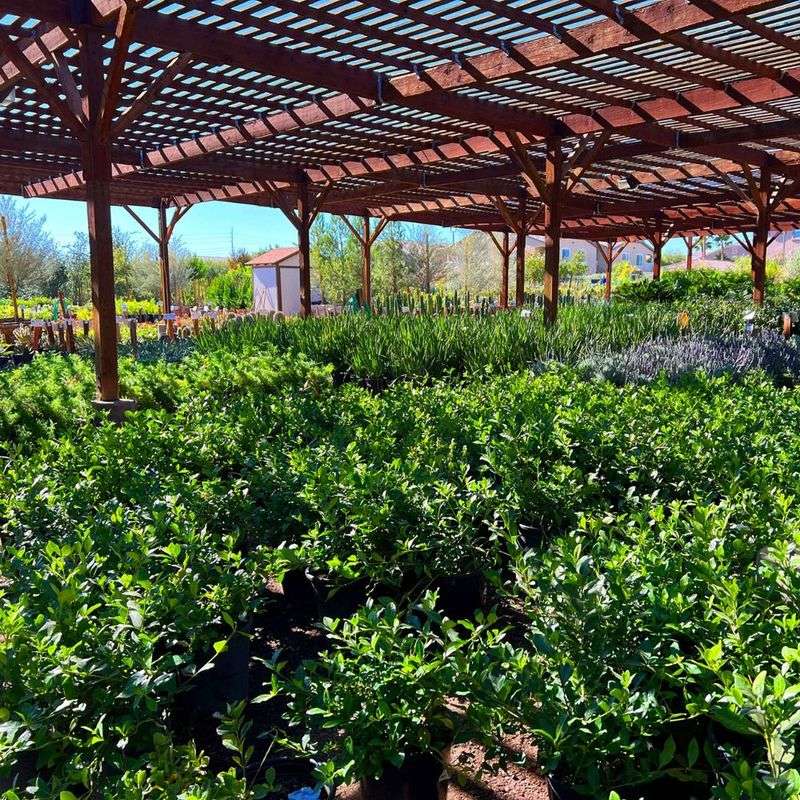
South Florida gardeners know the power of a tough hedge, and cocoplum is one of the native choices that can look crisp while still feeding a living landscape. Its rounded leaves and dense habit make it a strong border plant for warm coastal and inland yards.
Praying mantises do not need a special invitation as much as they need safe cover and steady insect activity. Cocoplum provides both when it is allowed to keep some leafy depth instead of being scalped into a thin, hard hedge.
Use cocoplum around the outside of edible beds, not so close that it steals light or blocks air flow. In the right place, it can create a warm, protected edge where mantises hide during the day and patrol nearby plants when aphids gather on new shoots.
UF/IFAS notes cocoplum as a Florida native shrub, particularly useful in South Florida landscapes. It also has good salt tolerance, which makes it helpful for coastal gardeners who struggle with ornamentals that burn or decline.
What sets cocoplum apart is its hedge potential. If your yard needs a living fence that still works for beneficial insects, this is a more habitat-friendly option than many sterile, high-maintenance exotics.
7. Walter’s Viburnum
Early flowers can make a big difference before the garden hits full summer speed. Walter’s viburnum brings clusters of small white blooms that support tiny insects, and that activity helps wake up the predator side of a Florida yard.
UF/IFAS recommends Walter’s viburnum as a native shrub or small tree, with forms that range from compact selections to larger landscape plants. That means homeowners can choose a size that fits the bed instead of forcing a giant shrub into a narrow strip.
Mantises benefit from the shrub’s fine branching and semi-dense cover. As aphids appear on spring flushes of vegetables, roses, and ornamentals, nearby viburnum can serve as a staging area where mantises wait out heat, birds, and foot traffic.
Plant Walter’s viburnum where it can anchor a mixed native border, especially near beds you do not spray with broad insecticides. Those sprays can knock back the very predators you are trying to invite.
This choice is different because it offers a refined look with strong habitat value. For gardeners who want a cleaner, more formal Florida native planting, Walter’s viburnum can support beneficial insects without making the yard feel overgrown.