
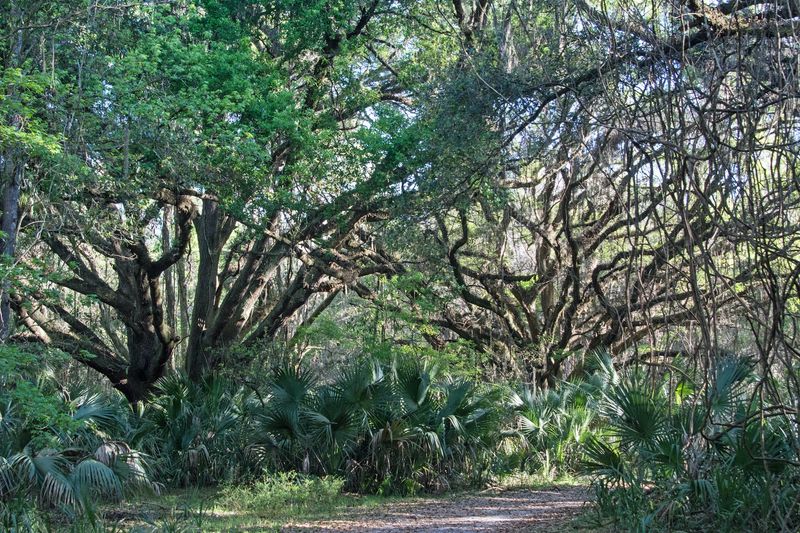
Fall is one of the best times to plant natives in Central Florida because cooler days help roots settle in before next summer. A good native nursery can save you from guessing which plants will handle sandy soil, sudden rain, dry spells, and hungry wildlife.
These eight stops are the kind of places where you can find better plants, smarter advice, and ideas you can actually use at home.
1. Green Isle Gardens
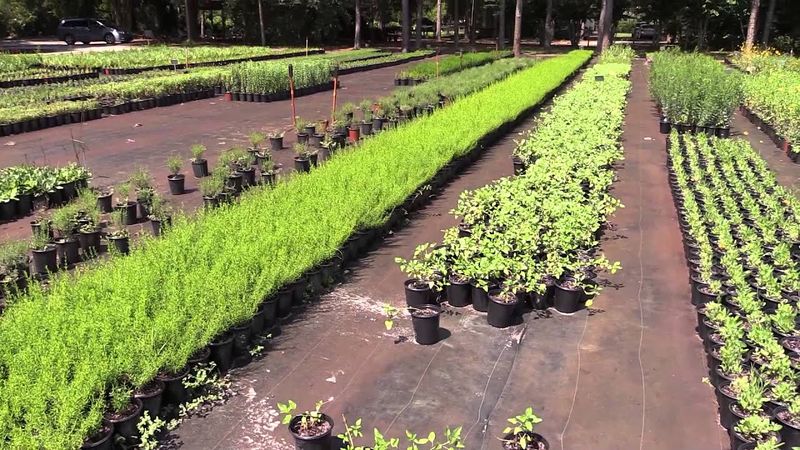
A trip to Green Isle Gardens feels like the plant version of taking the back roads on purpose. Set in Groveland, it gives home gardeners room to slow down, compare plants side by side, and think about how a real Florida yard works beyond a quick color fix.
The big draw here is range. You can usually build more than a pretty bed, since the nursery is known for Florida native trees, shrubs, grasses, wildflowers, and habitat plants that suit Central Florida conditions.
That matters if you are trying to replace a weak patch of turf, add privacy, or make a pollinator strip that does not collapse after one hot month.
Fall shoppers should come with photos of their sunniest and shadiest spots. Ask about tough plants for sandy soil, like beautyberry, coontie, yaupon holly, muhly grass, and firebush, plus which ones fit your soil moisture.
The staff can help you avoid the classic mistake of buying a lovely wetland plant for a bone-dry mailbox bed.
Plan this as a real Saturday stop, not a quick errand. Bring water, wear shoes you do not mind getting dusty, and leave space in the car for one more shrub than you meant to buy.
2. The Natives
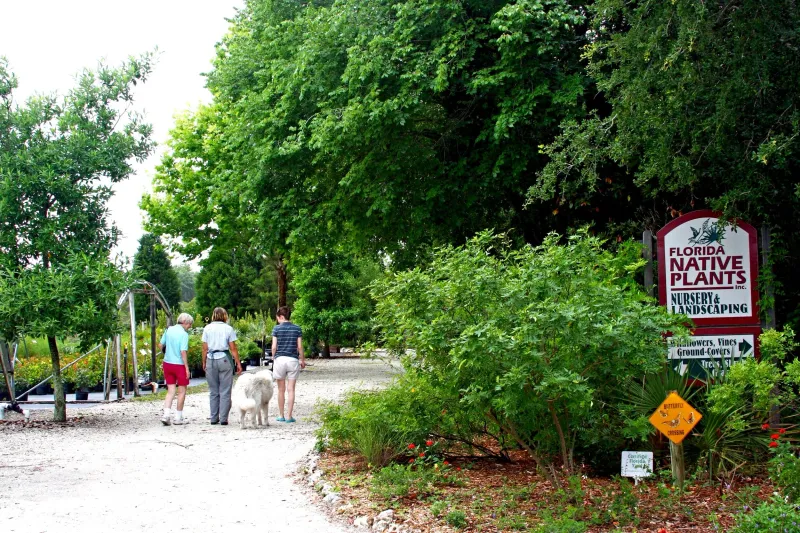
Gardeners who like a focused, no-fluff plant hunt will appreciate The Natives in Davenport. The name says exactly what the place is about, which makes it especially helpful if you are tired of finding one lonely native plant tucked between rows of tropical imports.
Its location makes it a handy stop for people in the Orlando, Kissimmee, Lakeland, and Four Corners area. That part of Central Florida can be tricky because many yards have sandy fill, reflected heat from driveways, and irrigation habits left over from turf-heavy landscapes.
A native-centered nursery helps you match plants to those realities instead of fighting them every season.
Look for plants that support butterflies, bees, and birds while still behaving well in a home landscape. Fall is a smart time to ask about native milkweeds, nectar plants, larval host plants, and evergreen backbone shrubs that can keep a bed looking intentional after flowers fade.
If your goal is a front-yard pollinator patch that neighbors admire rather than question, this is a good place to ask about spacing and height.
Call or check current hours before heading over, since specialty nurseries can adjust schedules seasonally. A little planning helps you arrive when staff have time to talk through your yard goals.
3. Lukas Nursery
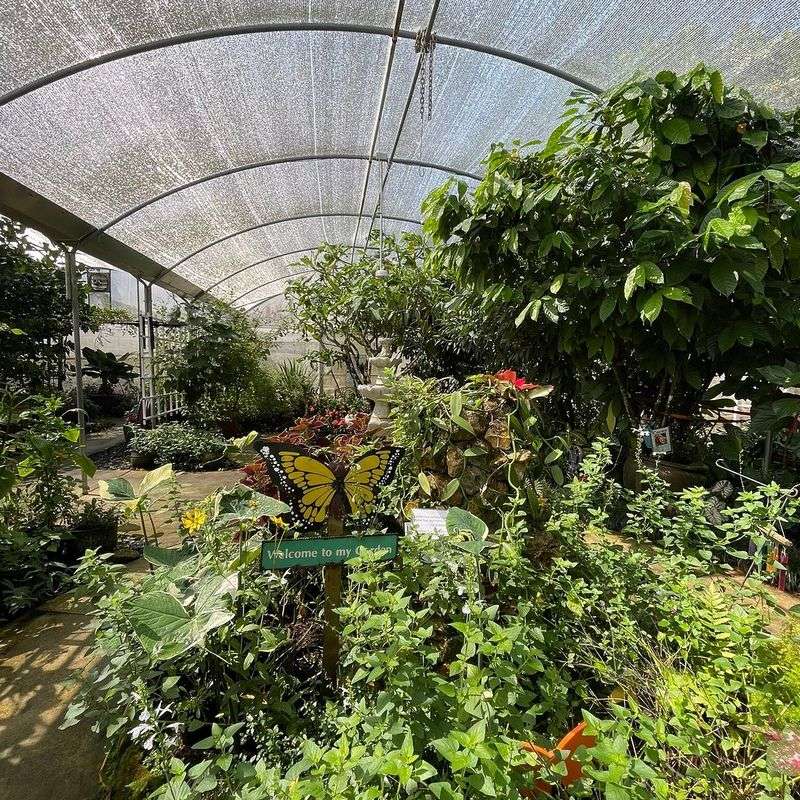
Not every native plant shopping day has to feel like a field trip down a dirt road. Lukas Nursery in Oviedo is a big, well-known garden center with enough variety to please the person who wants natives and the person who came along for houseplants, pottery, or a stroll through the butterfly area.
The reason it belongs on this list is accessibility. Newer gardeners can feel overwhelmed at specialty nurseries, especially when every plant name is unfamiliar.
At Lukas, you can ease into Florida-friendly choices while still finding native options that work for foundation beds, porch borders, pollinator pockets, and wildlife-minded corners of the yard.
For fall, focus on structure first. Ask about native shrubs and small trees that give a bed bones, then layer in flowering perennials for butterflies and seasonal color.
Coontie, firebush, Simpson’s stopper, Walter’s viburnum, and native grasses can do more long-term work than a cart full of short-lived annuals.
Because it is a larger retail nursery, inventory can shift quickly on busy weekends. Go early if you can, take pictures of plant tags, and ask which native choices are best for your exact light and irrigation setup.
4. Wilcox Nursery and Landscape
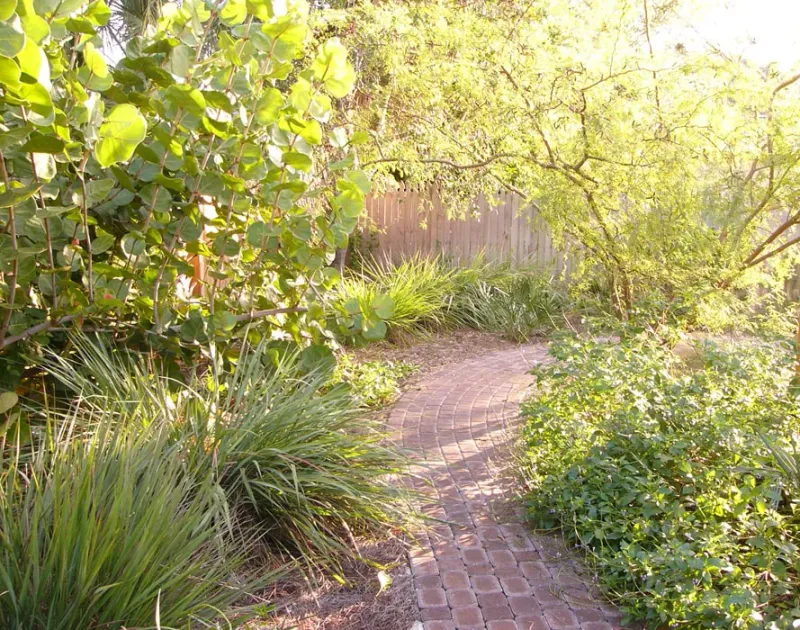
Wilcox Nursery and Landscape in Largo is the stop for gardeners who want native plants with a design-minded eye. The nursery has long been tied to Florida native and Florida-friendly landscaping, so it is a strong pick if your goal is not just more wildlife, but a yard that looks polished from the street.
Central Florida gardeners on the western side of the region can learn a lot here, especially if they deal with sandy soil, salt breeze, dry spells, or blazing afternoon sun. Many Tampa Bay area yards share the same problems as inland yards, only with added coastal pressure.
That makes plant choice even more important.
Use a fall visit to gather ideas for replacing thirsty hedges, refreshing tired foundation beds, or softening a driveway edge. Native options like railroad vine for sandy areas, muhly grass for texture, necklace pod for flowers, and marlberry or Simpson’s stopper for screening can make landscapes feel finished without demanding constant pampering.
The helpful part is that you can think in layers. Ask which plants should form the evergreen base, which should bring bloom, and which ones will handle the harshest strip near pavement.
That kind of advice can save a lot of replanting later.
5. Hickory Hammock Native Plant Nursery
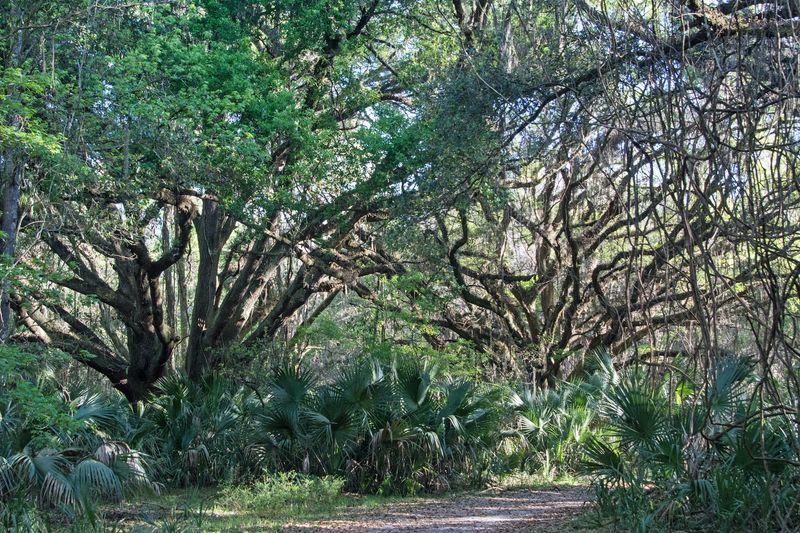
Some nurseries make you feel like you stepped closer to old Florida, and Hickory Hammock Native Plant Nursery has that kind of pull. For gardeners willing to wander toward the Gainesville and Micanopy area, it can turn a plant-buying errand into a slower, more thoughtful Saturday.
Its strength is especially clear if your yard has shade, tree cover, or a wilder edge that never looked right with standard big-box bedding plants. Central and north Central Florida share many native plant communities, so a nursery in this zone can be useful for homeowners trying to work with hammocks, sandy rises, and mixed light rather than flatten everything into lawn.
Fall is a good time to look for native shrubs, understory plants, groundcovers, and trees that can settle in while temperatures ease. Ask about plants for dappled shade, woodland borders, and bird-friendly thickets.
Beautyberry, wild coffee, sparkleberry, coral honeysuckle, and native ferns may be worth discussing depending on your site.
Bring clear notes about sun exposure because shade changes fast under live oaks and pines. A plant that thrives in bright shade may sulk in deep shade, and a good nursery conversation can help you sort out the difference before you load the trunk.
6. Chiappini Farm Native Nursery
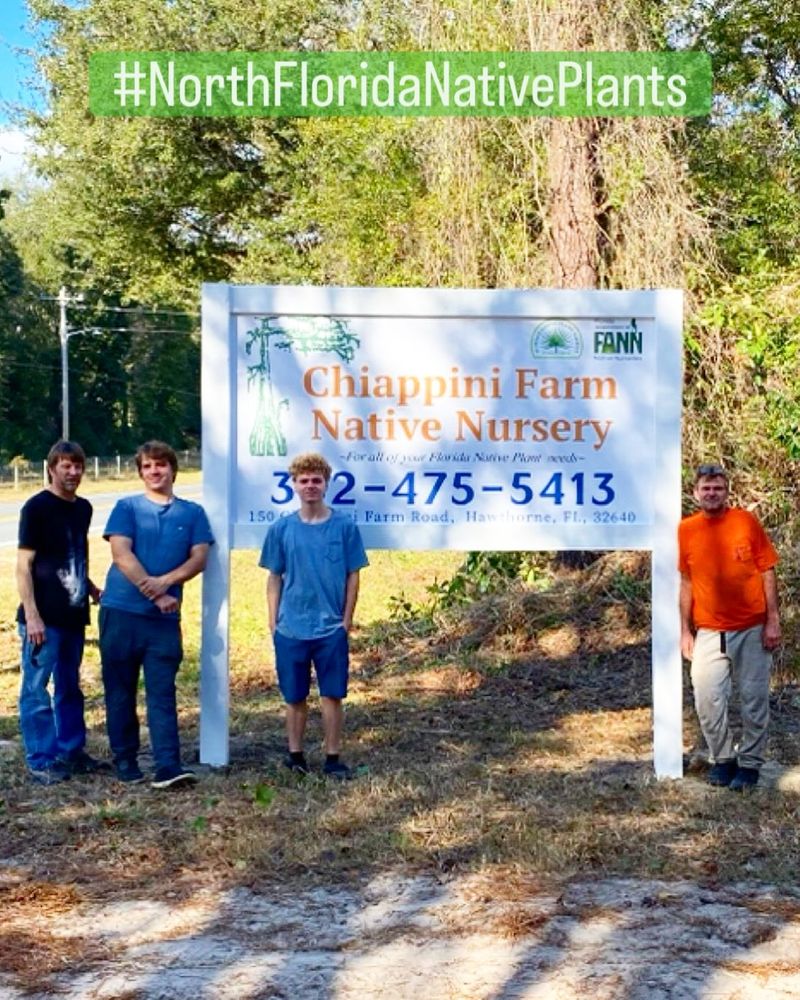
Over on the Space Coast side, Chiappini Farm Native Nursery is a smart stop for gardeners who want plants with a wilder, more habitat-focused feel. It is the kind of place that can make you rethink a plain fence line or unused side yard as a mini refuge for birds, bees, and butterflies.
Coastal Central Florida has its own set of headaches. Sandy soil dries quickly, storms can dump water all at once, and salty air can punish plants that looked fine on a nursery bench inland.
A native nursery familiar with local conditions can point you toward plants that are better suited for that push and pull.
On a fall visit, ask about species for dry sunny beds, pine flatwoods-style plantings, and pollinator patches that can handle heat without heavy irrigation. Native grasses, goldenrod, blazing star, dune sunflower, blanketflower, and sturdy shrubs can create movement and bloom while feeding wildlife.
The right combination can look relaxed without looking abandoned.
This is also a good stop if you are trying to reduce mowing. Instead of converting the whole lawn at once, start with a sunny island bed or a strip along the back fence.
Smaller native areas are easier to weed, water, and learn from.
7. Florida Native Plants Nursery
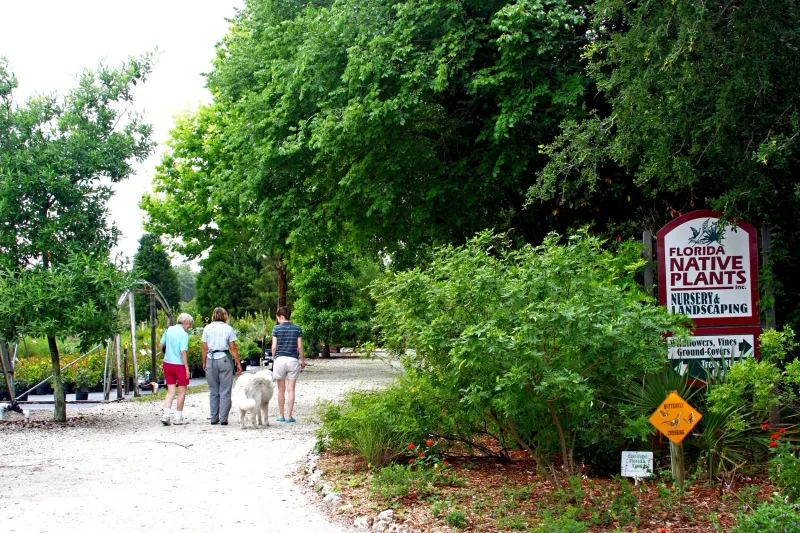
A longer Saturday drive can pay off when the nursery teaches you how plants behave in real Florida landscapes. Florida Native Plants Nursery, associated with the Sarasota and Myakka region, is especially appealing for gardeners who want more than a quick burst of color near the front walk.
The value here is breadth with a strong native focus. If you are planning a bigger fall project, such as a backyard habitat corner, a privacy screen, a rain-garden edge, or a lawn-reduction bed, you need more than a few pretty flowers.
You need trees, shrubs, grasses, and seasonal bloomers that can work together.
Fall is ideal for building that layered plan. Start with canopy or understory choices if your yard has room, then add shrubs for birds and perennials for pollinators.
Ask about drought tolerance, mature size, and whether a plant prefers dry sand, moist soil, or a spot that floods briefly after storms.
Southwest and Central Florida gardeners both face heat, sandy soil, and long growing seasons, so many lessons carry across the region. Still, your exact yard matters.
Bring photos, know your irrigation pattern, and be honest about how much maintenance you will actually do after the excitement wears off.
8. Quality Green Specialists
For the gardener who secretly enjoys a plant list, Quality Green Specialists can feel like finding the source behind many polished Florida landscapes. It is often known more in professional and large-project circles, which makes it interesting for homeowners who want sturdy, landscape-ready native and Florida-friendly plants.
The main reason to consider it is scale and practicality. Some yards need more than one accent plant.
Maybe you are filling a long bed along a driveway, creating a low-maintenance privacy screen, or replacing a patchy slope where turf never looked good. A nursery geared toward reliable landscape material can help you think in groups, masses, and repeatable patterns.
Fall is a strong season for those bigger upgrades because plants have time to root before the toughest heat returns. Ask about availability for native shrubs, grasses, groundcovers, and small trees that suit Central Florida’s sandy soils and stormy summers.
Repeated plantings of dependable species often look cleaner than one of everything.
Before you go, confirm retail access, hours, and whether appointments or availability lists are needed. If the setup is more trade-oriented, a quick call can save frustration and help you arrive prepared with measurements, sun notes, and a realistic plant count.