
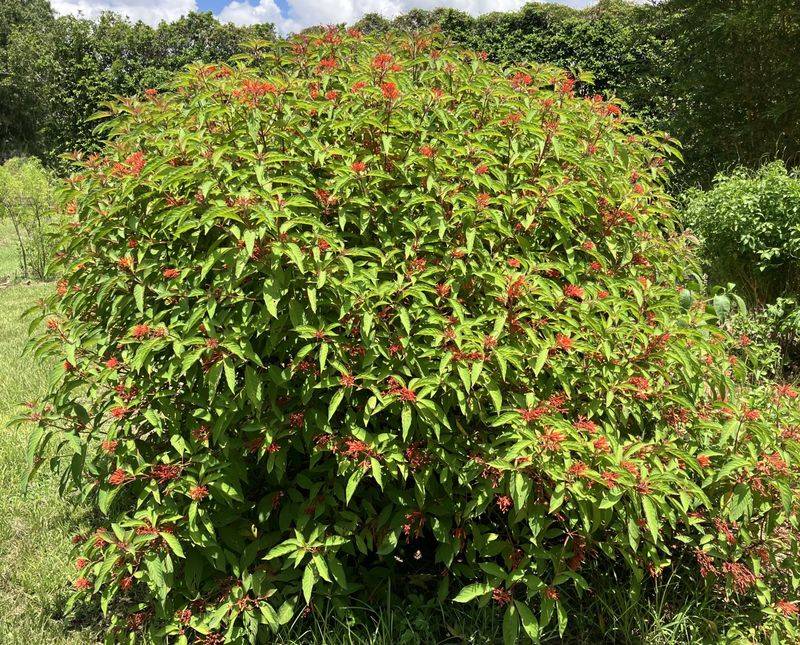
A stronger Florida yard starts with plants that already know the weather. Native plants can handle sandy soil, heavy rain, hard sun, and hungry wildlife better than many fussy imports.
These Central Florida nurseries are worth the drive because they offer local know-how, useful plant choices, and picks that can help your garden bounce back after rough storms.
1. Green Isle Gardens
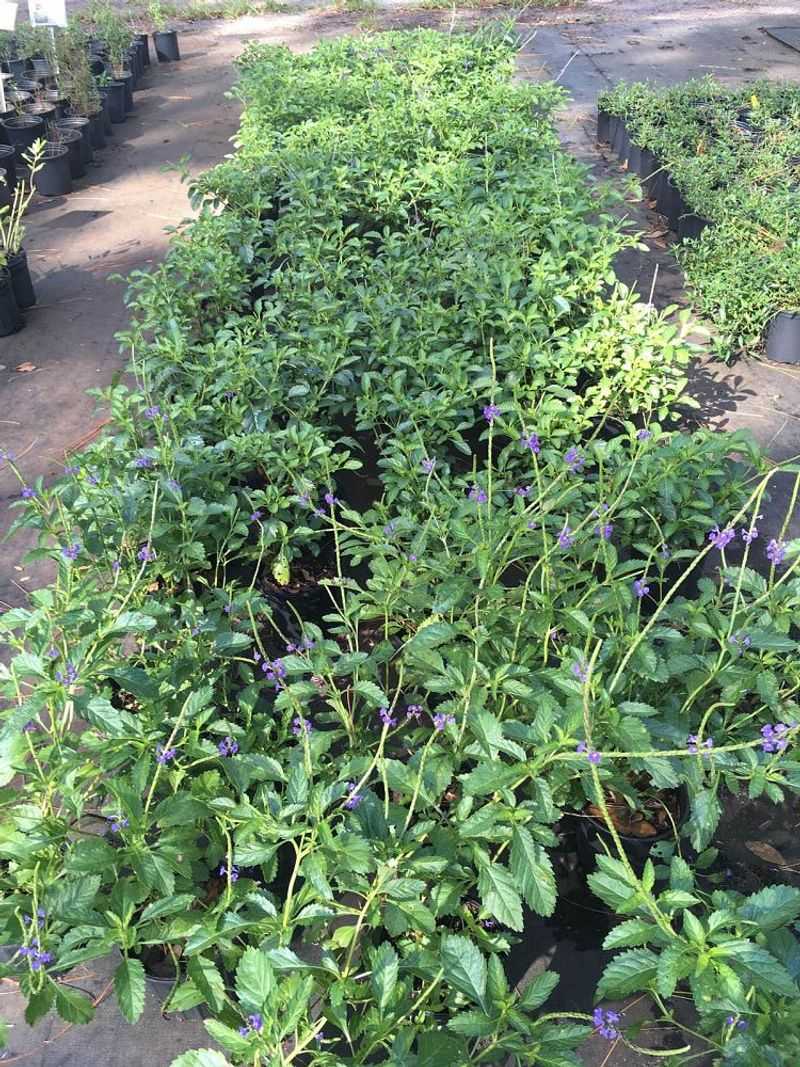
A long plant-shopping trip feels easier when the benches are packed with Florida natives that actually belong in local yards. Green Isle Gardens in Groveland has built a strong reputation with gardeners who want more than pretty flowers, especially those looking for habitat value, tough roots, and plants that can settle into sandy Central Florida soil.
The draw here is selection. You can often find native shrubs, grasses, wildflowers, groundcovers, and trees that big-box stores rarely carry, which matters when you are trying to design a whole bed instead of buying one impulse plant.
For storm-tough landscapes, look for deep-rooted choices such as Simpson’s stopper, yaupon holly, Walter’s viburnum, coontie, and native grasses that flex in wind instead of snapping.
Staff knowledge is another reason the drive pays off. A good nursery visit can help you match the plant to the site, such as dry full sun near a driveway, damp edges near a swale, or part shade under live oaks.
That kind of matching is what keeps a native garden from becoming a weekend repair project after every heavy rain.
2. Florida Native Plants Nursery
Gardeners who have ever watched a new planting melt in August will appreciate a nursery focused on plants raised for Florida conditions. Florida Native Plants Nursery near Sarasota is especially useful for homeowners who want coastal plain toughness, pollinator support, and landscape plants that do not need constant pampering.
The nursery is a smart stop if your yard gets blazing sun, salty breezes, fast drainage, or sudden downpours. Many native species from this part of Florida are built for extremes, making them helpful choices for gardeners from Tampa Bay to inland Central Florida.
Think dune sunflower for bright, lean spots, muhly grass for movement, firebush for hummingbirds, and wax myrtle for screening where space allows.
What makes this nursery different is its usefulness for real-world Florida yards that are part garden, part wildlife stopover, and part stormwater puzzle. You can shop with a specific problem in mind, such as replacing a weak hedge, filling a hot mailbox bed, or adding nectar plants before fall migration.
The best purchases here are not just pretty, they earn their space when the weather turns messy.
3. The Natives
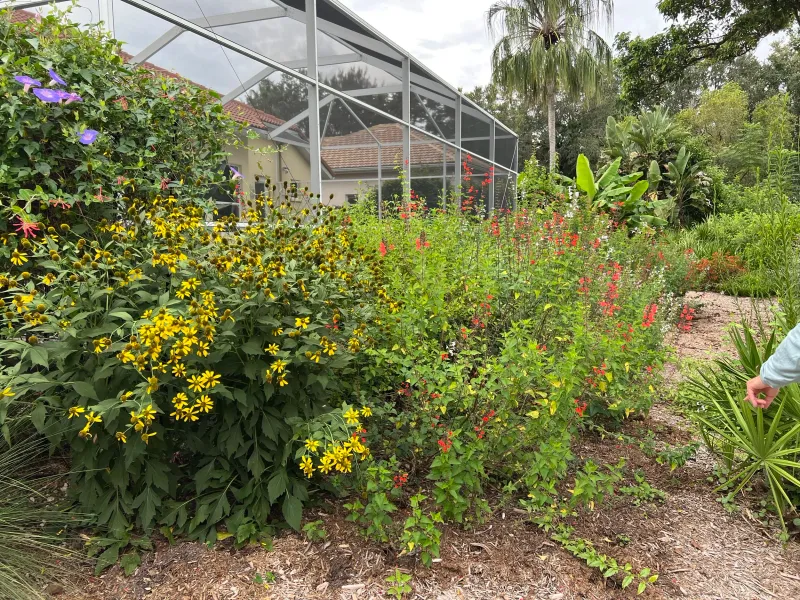
Not every great nursery feels like a giant garden center, and that is part of the charm at The Natives. For many Central Florida gardeners, the appeal is practical and personal, with plant choices that fit neighborhood lots, HOA front beds, and wildlife corners instead of only large restoration projects.
A stop here can be especially rewarding if you are building a pollinator patch that still looks tidy from the street. Native milkweeds, blanketflower, frogfruit, salvia, coreopsis, and compact shrubs can help bring in butterflies and native bees without making the yard look abandoned.
In storm season, low-growing groundcovers and flexible perennials can also help cover bare sand that might otherwise wash, crust, or sprout weeds after heavy rain.
The best way to shop this kind of nursery is with photos of your space on your phone. Show the sun exposure, drainage patterns, and nearby trees, then ask what will stay manageable.
Native plants are not magic, but a well-matched plant from a knowledgeable grower can save you from repeated replanting.
For homeowners who want a friendly first step into Florida natives, this stop has a neighborhood-garden feel. It is a good fit for people who care about butterflies, curb appeal, and less watering once plants are established.
4. Chiappini Farm Native Nursery
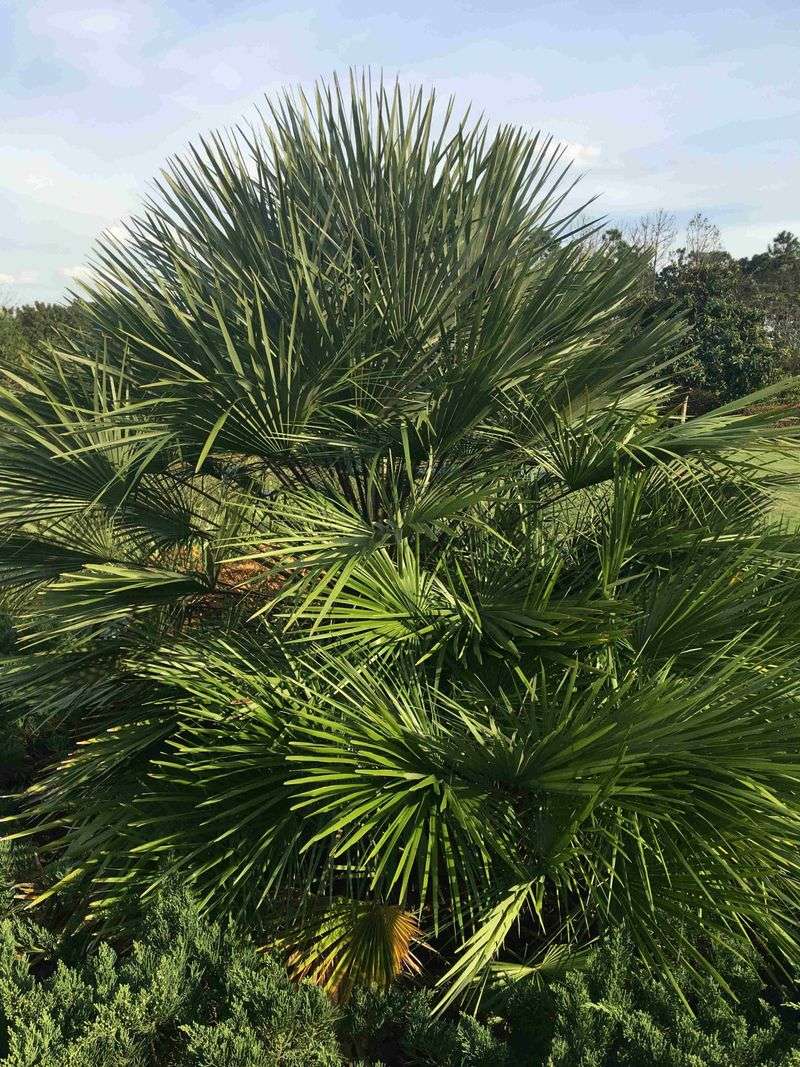
There is a backroads Florida feeling to Chiappini Farm Native Nursery that suits the plants it grows. Located in Hawthorne, it is a worthwhile drive for gardeners who want tough native material with a more natural, old-Florida flavor.
The standout reason to visit is the nursery’s strength in native trees, shrubs, and plants suited to naturalistic landscapes. If your goal is a yard that shades the house, feeds birds, and stands up better to wind than a row of brittle ornamentals, this is the kind of place to ask about canopy structure and layered planting.
Live oak, sparkleberry, wax myrtle, yaupon holly, native blueberries, and hollies can create a resilient backbone when planted with enough room to grow.
Storm-tough does not mean storm-proof, of course. Even native trees need proper placement, good structure, and space away from roofs and power lines.
Still, choosing species adapted to Florida soils and weather gives you a better starting point than forcing a thirsty, weak-wooded plant into a harsh site.
Bring measurements before you go. A tree that looks cute in a pot may become the main character of your yard in ten years, and this nursery is well suited to those bigger decisions.
5. Wilcox Nursery and Landscape
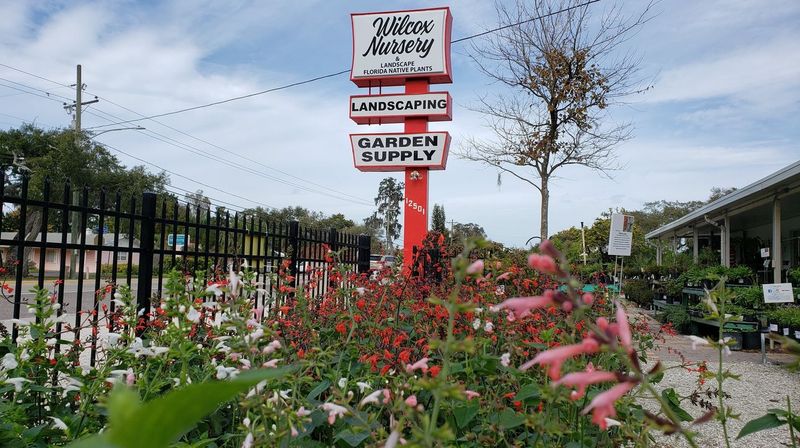
Some nurseries sell natives as a small side shelf, but Wilcox Nursery and Landscape in Largo treats Florida-friendly and native landscaping like a serious design tool. That makes it a strong destination for homeowners who want their beds to look polished, not random.
The difference here is design guidance. If you are replacing a thirsty lawn strip, rebuilding after a storm-damaged hedge, or trying to make a front entry look intentional, a nursery with landscape experience can help you think in layers.
Low plants handle edges, grasses add motion, shrubs give structure, and small trees bring shade without turning the whole yard into a jungle.
For storm-aware planting, ask about natives that tolerate both dry spells and temporary wet feet, because Central Florida yards often swing between the two. Walter’s viburnum, fakahatchee grass, blue porterweed, coontie, and firebush can all have a place depending on site conditions.
The right combination can soften runoff, support wildlife, and reduce the bare mulch look that washes around in downpours.
Wilcox is also useful for gardeners who feel overwhelmed by native plant names. Seeing mature examples, asking layout questions, and grouping plants by purpose can turn a vague wish for a better yard into an actual shopping list.
6. Sweet Bay Nursery
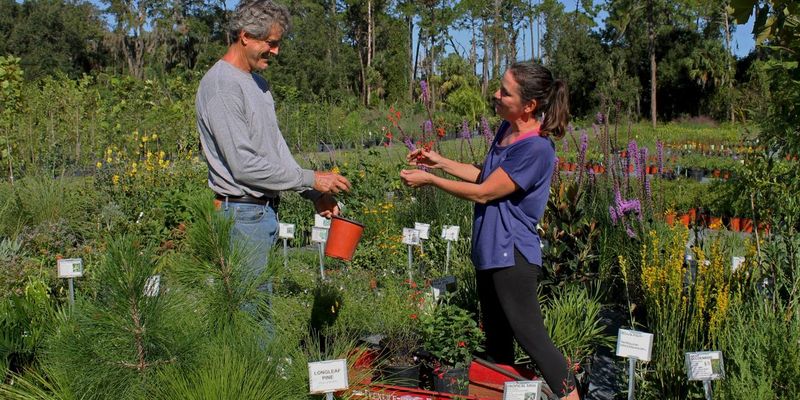
Butterflies have a way of making plant shopping feel urgent, and Sweet Bay Nursery in Parrish is a favorite for gardeners who want a yard that moves, blooms, and buzzes. The nursery is known for Florida native plants that support wildlife, especially pollinators and birds.
Its special strength is helping gardeners connect beauty with function. A bed with native salvia, sunshine mimosa, coreopsis, frogfruit, firebush, and milkweed can look cheerful while feeding insects that birds depend on.
After storms, dense mixed plantings can also help a yard recover visually faster than bare mulch islands dotted with lonely shrubs.
Sweet Bay is a good long-drive choice if you are planning a backyard habitat, a butterfly strip along a fence, or a sunny border that can handle heat. Ask about bloom timing so your garden offers nectar across more of Florida’s long warm season.
Also ask which plants prefer dry sand and which are better for lower spots that collect water after a hard afternoon storm.
A fun reason to visit is the chance to think like a wildlife gardener instead of just a decorator. The best plant might not be the showiest one in the pot, but the one a caterpillar, bee, or hungry songbird will actually use.
7. Coccoloba Chapter Native Plant Sales
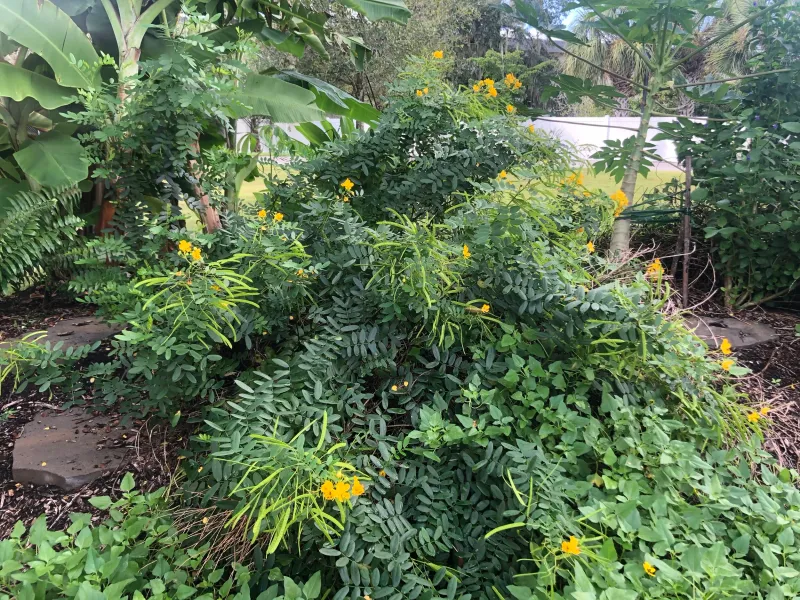
A plant sale run by native plant people can feel like getting the cheat codes for your yard. The Coccoloba Chapter of the Florida Native Plant Society serves Southwest Florida, and its native plant sales are worth watching if you are willing to time your trip around an event.
The reason this belongs on the list is education. Chapter sales often connect shoppers with volunteers who grow, observe, and use native plants in real Florida landscapes.
That means you can ask direct questions about salt exposure, sandy soil, hurricane cleanup, pollinator value, and which plants behave well near walkways or patios.
Inventory can vary, so this is not the same as visiting a retail nursery on any random Saturday. That is part of the appeal.
You may find regionally appropriate choices such as coontie, firebush, marlberry, necklace pod, beach sunflower, native grasses, and other plants that fit warm, storm-prone yards.
Check sale dates, plant lists, and payment details before driving. Arrive early if you are hunting for something specific, and bring a box or tarp for the car.
For gardeners who like community knowledge with their plant haul, this kind of sale can beat a cart full of mystery ornamentals.
8. Green Seasons Nursery
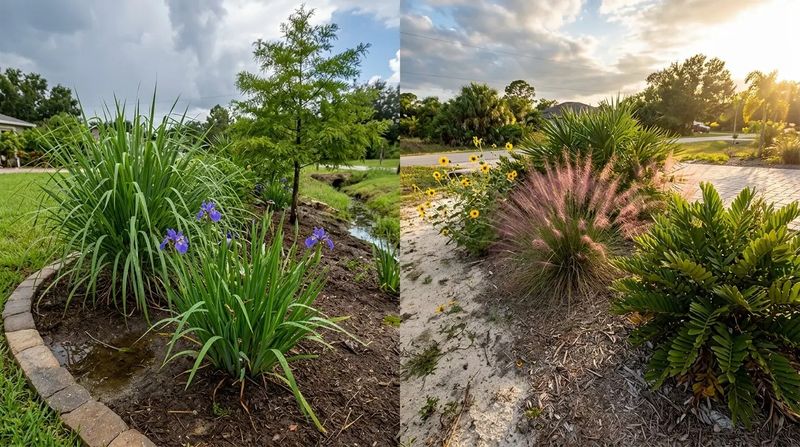
When a yard has both soggy corners and bone-dry sand, plant shopping gets tricky fast. Green Seasons Nursery is a helpful stop for gardeners looking beyond basic flower color and toward plants that solve site problems.
The nursery is especially useful for larger landscape projects, restoration-minded plantings, and homeowners who need sturdy native material for buffers, drainage areas, or wildlife edges. Florida yards often need plants that can handle heat, short-term flooding, and wind exposure, sometimes all in the same month.
Native grasses, saw palmetto, wax myrtle, buttonbush, swamp milkweed, and other site-specific plants can help turn trouble spots into working parts of the landscape.
Before making the drive, call ahead about retail availability and the kinds of plants you need. Some nurseries that grow natives also serve landscape professionals, so a quick check can save time and help you plan around current stock.
Go in with details about sun, soil moisture, and the size of the area you are planting.
The payoff is a more practical plant palette. Instead of fighting Florida with constant watering, staking, and replacing, you can choose plants that fit the wet-dry rhythm of the region and make your yard feel more settled after storm season.