
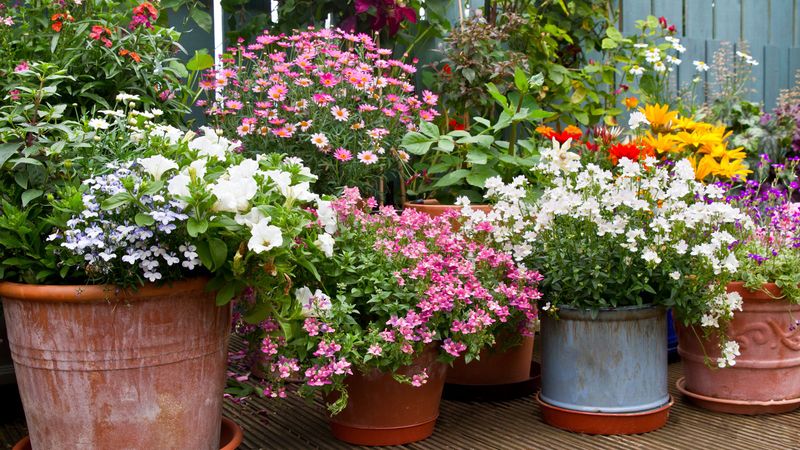
Florida patios work hard from late winter through fall, so the plants around them should do more than look pretty. The right native flowers and shrubs can add fragrance, feed pollinators, and handle sandy soil better than many fussy imports.
Pick a few with different bloom times, and your sitting area can smell fresh for much of the year. Here are eight Florida natives that bring scent close to the places where you actually relax.
1. Walter’s Viburnum
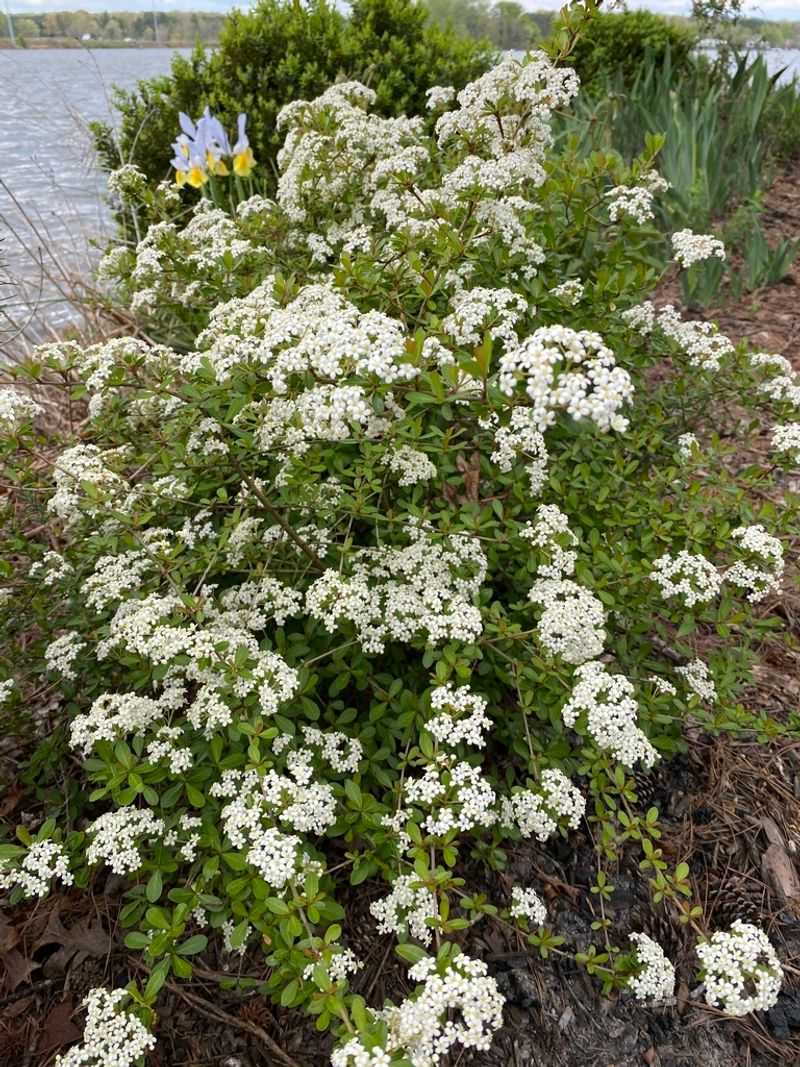
A cool morning on the patio feels richer when Walter’s viburnum is in bloom, because its tiny white flowers can perfume the air before the day gets warm. This Florida native shrub earns its spot by giving you fragrance, screening, berries for birds, and a tidy evergreen look in one plant.
Use it where you want a living wall near a seating area, especially along a fence, driveway edge, or patio corner. The smaller cultivars can fit tighter spaces, while the straight species can become a substantial hedge if you let it grow.
Walter’s viburnum is especially useful in Florida yards because it tolerates sun to part shade and adapts to many soils once established. In sandy spots, water it regularly during the first year, then ease back as roots settle in.
The spring bloom is the fragrant show, but the plant keeps working after that. Birds may visit for the dark berries, and the dense branching gives small wildlife a safe place to tuck in during rough weather.
2. Simpson’s Stopper
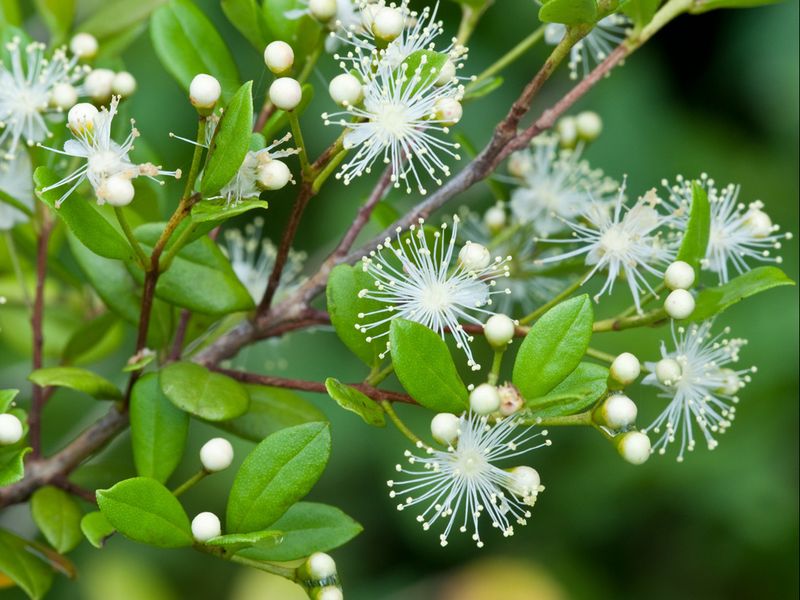
Open a patio door near Simpson’s stopper in bloom and you may catch a sweet, spicy scent that feels almost too fancy for such a tough shrub. Its fragrance is different from the soft floral smell of many patio plants, which makes it memorable in a mixed native border.
Simpson’s stopper is a smart choice for gardeners who want structure without a lot of fuss. It has glossy evergreen leaves, white puffy flowers, and colorful berries that can attract birds, so it looks alive through more than one season.
Plant it as a loose hedge, a small patio tree, or a privacy screen near an outdoor dining area. It handles full sun to part shade, and in many Florida landscapes it settles into sandy soil with less complaining than thirstier ornamentals.
Give it room if you want a relaxed, natural shape, or prune lightly after flowering if you prefer a cleaner edge. The berries are part of the charm, so avoid heavy clipping if wildlife value matters to you.
For patios that feel too bare after spring annuals fade, Simpson’s stopper brings a polished, native backbone. It smells good, screens well, and does not need to be babied every weekend.
3. Wild Lime
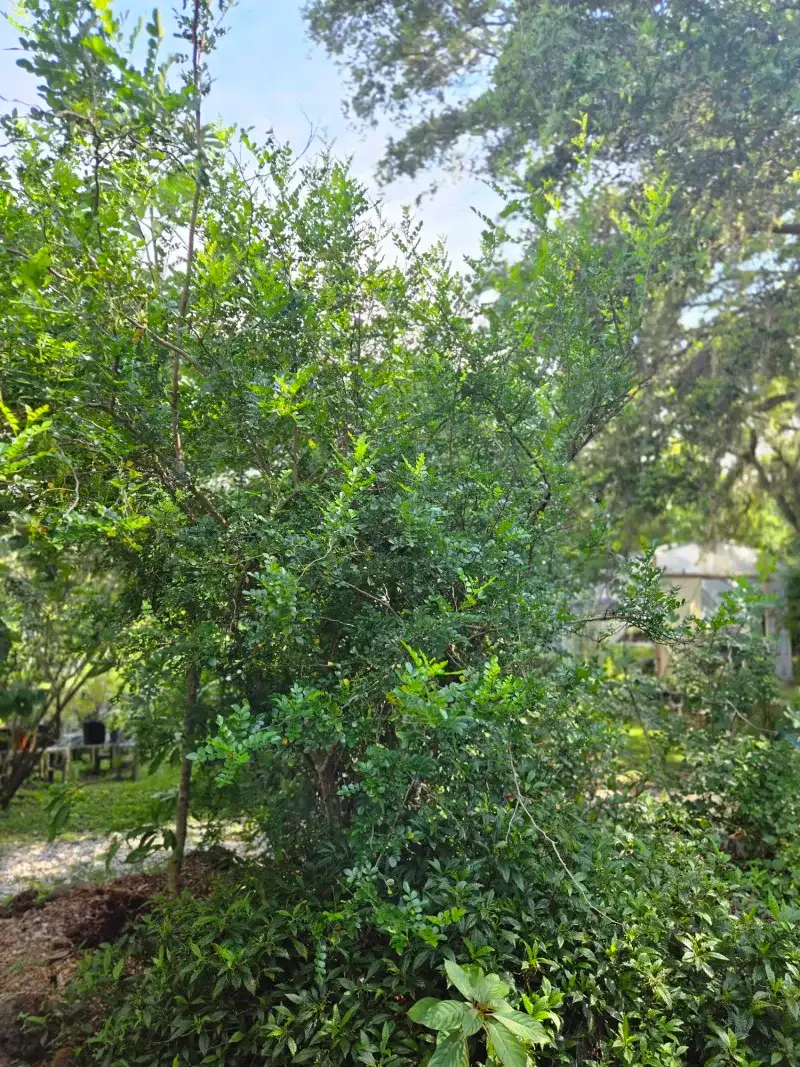
Butterfly gardeners know the secret: wild lime is not flashy at first glance, but it can turn a patio edge into a tiny wildlife station. Its small blooms are fragrant, and its leaves feed giant swallowtail caterpillars, giving this shrub a reason to exist beyond looks alone.
Wild lime has a citrus-family scent, though it is not the same as planting a sweet orange tree. The flowers are modest, but they can draw pollinators, and the plant’s airy texture works well behind lower native flowers.
Place it where people will not brush against it constantly, since the stems can be thorny. A back corner of a patio bed, the outside edge of a screen planting, or a sunny side yard near seating can all make sense.
Florida gardeners with sandy soil often appreciate plants that do not pout when conditions are lean. Once established, wild lime can handle dry spells better than many lush-looking nursery shrubs, though new plantings still need steady water at first.
Its big payoff is movement. You get scent, pollinators, possible caterpillars, and birds hunting insects, all from a plant that fits naturally into a Florida native yard.
4. Sweet Acacia
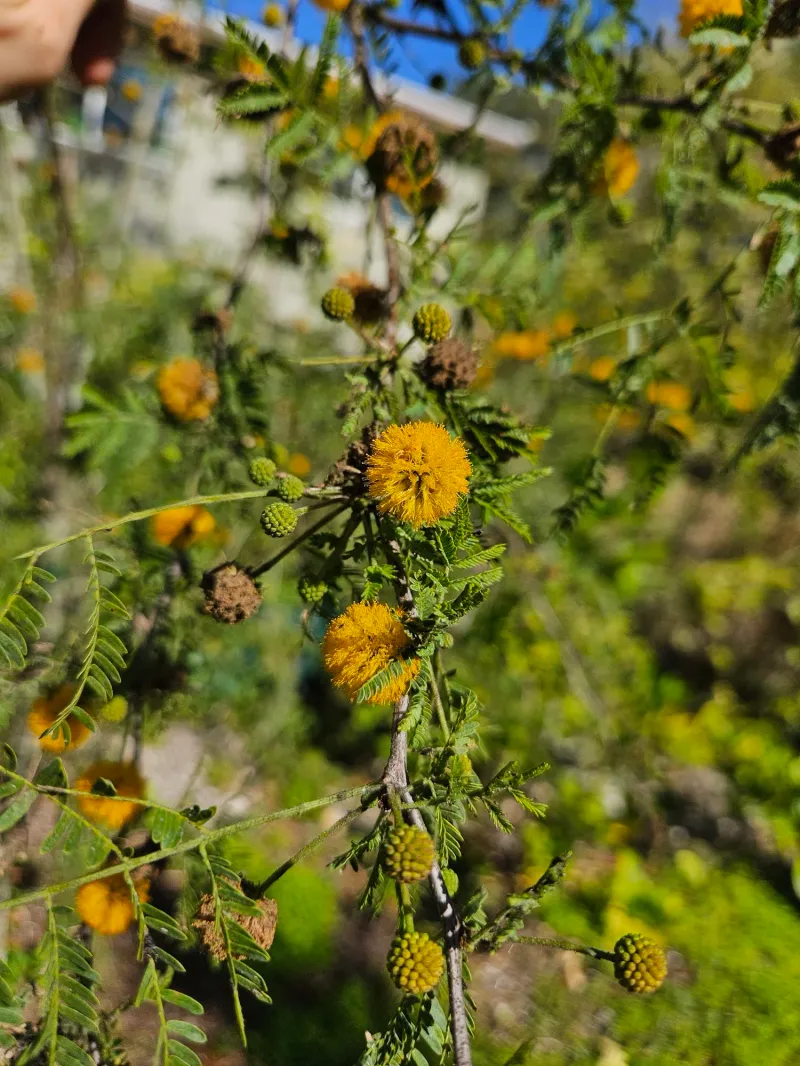
Few native trees announce warm weather with more cheer than sweet acacia covered in golden puffball blooms. The scent can be rich and honeyed, making it a standout for patios where you want fragrance that travels on a light breeze.
Sweet acacia is best for gardeners who have a sunny, dry, open spot rather than a narrow walkway. It can be thorny, so think of it as a small accent tree or background plant, not something to squeeze beside a chair.
In South and Central Florida, it can be a tough performer in sandy, well-drained soil. It also suits low-water areas once established, which is helpful for homeowners trying to reduce irrigation without losing seasonal color.
The bright flower clusters are a strong pollinator draw, especially when many yards still look plain. If your patio garden leans wildlife-friendly, this plant adds nectar and shelter while keeping a distinctly Florida feel.
Use pruning carefully when young to shape a cleaner canopy and keep branches away from sitting areas. With space and sun, sweet acacia becomes the fragrant plant guests notice before they ask what it is.
5. Carolina Jessamine
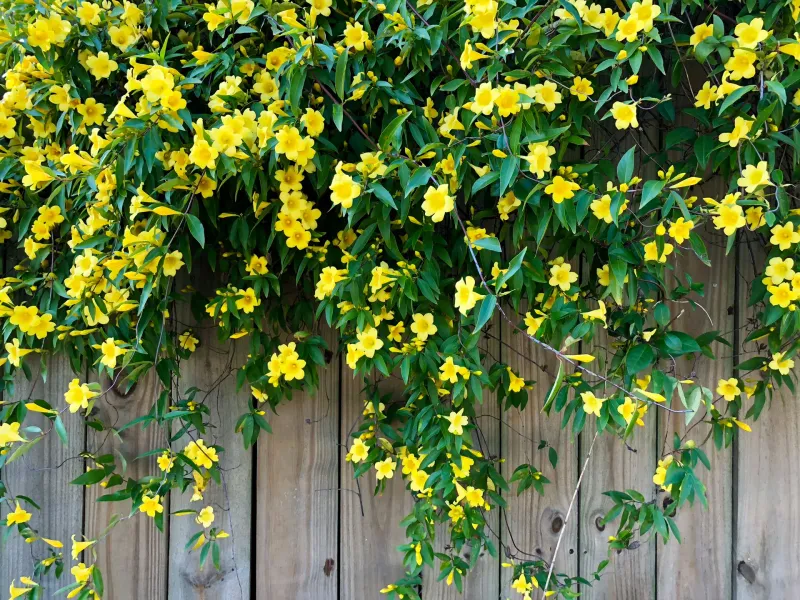
A bare trellis can look useful but dull, and Carolina jessamine fixes that with yellow trumpets that glow like little porch lights. Its sweet spring fragrance makes it one of the best native vines for wrapping scent around a patio without needing a giant footprint.
Train it on a pergola post, fence panel, arbor, or sturdy trellis where you can enjoy the flowers up close. The vine is evergreen to semi-evergreen in much of Florida, so it keeps some cover even when the bloom show is over.
Carolina jessamine prefers good drainage and can handle full sun to part shade, though flowering is usually stronger with more light. In sandy soil, mulch helps keep roots cooler and steadier during dry stretches.
One practical note matters: all parts of the plant are poisonous if eaten. That does not make it a bad patio plant, but it does mean you should use judgment around pets, children, and grazing animals.
What sets it apart is vertical fragrance. Instead of filling another bed, you can turn a plain patio edge into a scented wall for early-season evenings outdoors.
6. Coral Honeysuckle
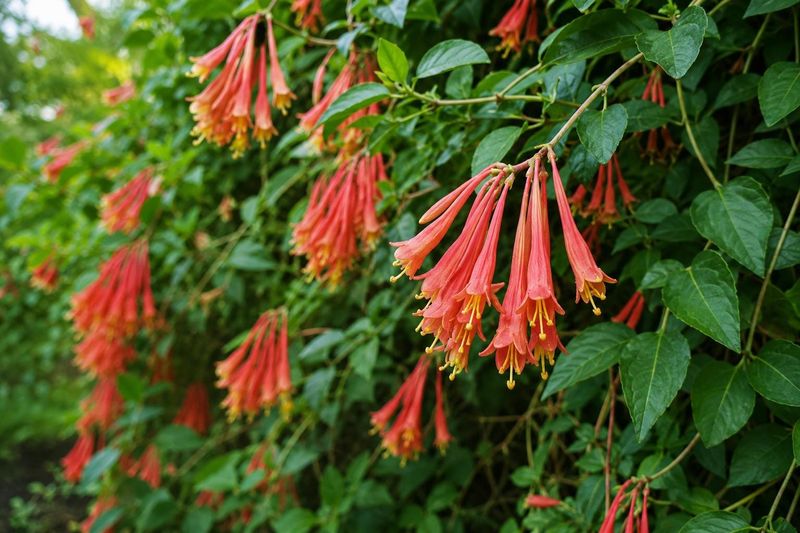
Hummingbirds often find coral honeysuckle before people do, which is part of the fun. The fragrance is lighter than some old-fashioned honeysuckles, but this native vine brings a cleaner garden conscience, bright color, and real wildlife value to patio spaces.
Unlike invasive Japanese honeysuckle, coral honeysuckle is a Florida-friendly native choice that belongs in the landscape. Its red to coral tubular flowers can appear over a long warm-season window, especially when the plant is happy and not stressed.
Grow it on a trellis, fence, porch rail, or arbor near a sitting area where you can watch hummingbirds and butterflies visit. It needs support, but it is usually easier to guide than heavy, woody vines that take over small spaces.
Full sun encourages better blooming, though part shade can work in hot sites. Give it well-drained soil, mulch, and regular water while it establishes, then keep an eye on training rather than constant pampering.
Coral honeysuckle is the pick for gardeners who want fragrance as part of a bigger patio experience. You get flowers, motion, color, and native habitat without planting a vine that causes problems beyond your fence.
7. Dune Sunflower
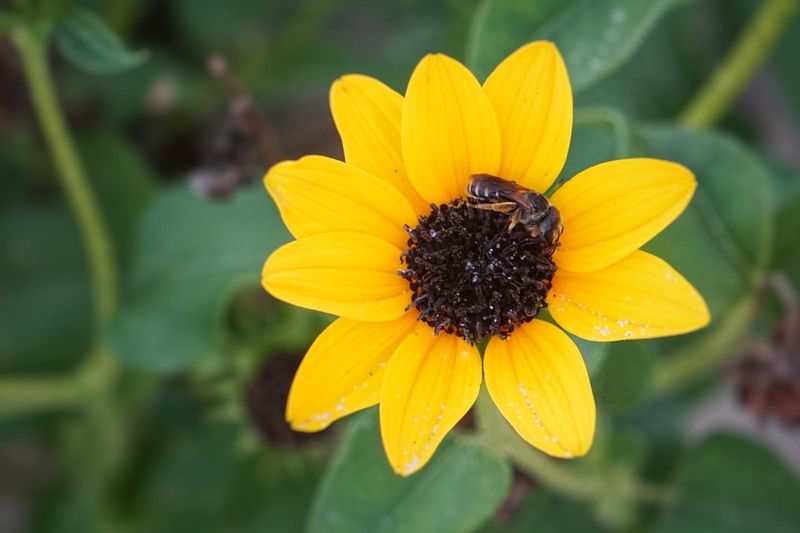
Salt air, sandy soil, and full sun do not scare dune sunflower, which is why it feels made for many Florida patios. Its scent is subtle compared with shrubs and vines, but the cheerful blooms help create that warm, beachy garden smell of sun, pollen, and fresh leaves.
Dune sunflower deserves a place here because it fills the ground-level role. While taller fragrant plants perfume the air above, this native groundcover softens patio edges, spills around stepping stones, and keeps bare sand from looking unfinished.
Use it in sunny beds, coastal yards, driveway strips, or open patio borders where reflected heat can be tough on softer plants. It handles drought once established and can bloom for long stretches, especially in frost-free or mild areas.
Expect a casual look rather than a clipped formal one. Trim it back when it gets rangy, and it often responds with fresh growth and more flowers.
Pollinators love the bright yellow blooms, and the plant’s easy spread can be an advantage where turf struggles. For Florida homeowners who want a low, sunny, native carpet around outdoor seating, dune sunflower brings color and a light living fragrance without drama.
8. Frogfruit
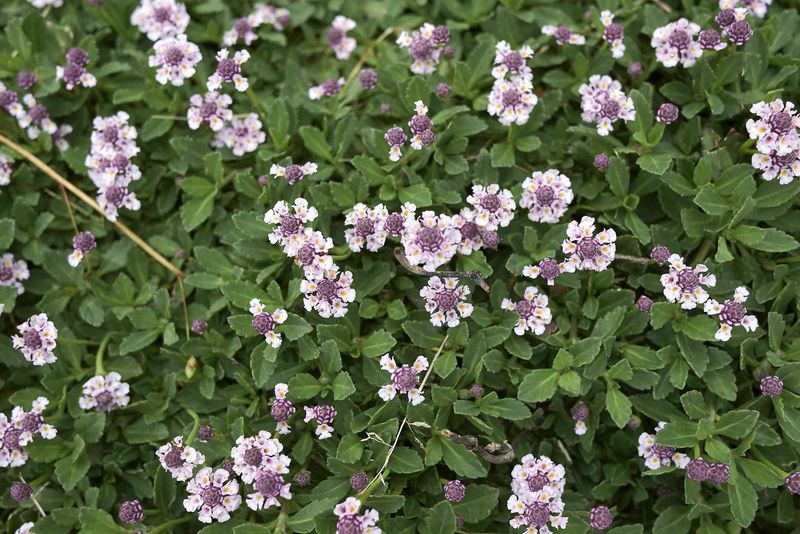
Look closely at frogfruit and the tiny flowers seem almost playful, like miniature lollipops tucked into the green. The fragrance is not the heavy perfume of a shrub, but this native groundcover adds a fresh, herbal quality underfoot and pulls pollinators right to the patio edge.
Frogfruit is different from the others because it can function as a lawn alternative in small areas. In places where grass thins from heat, foot traffic, or sandy soil, it can create a living mat that still flowers.
Plant it between stepping stones, along patio borders, or in a sunny strip where you want something lower than ankle height. It can tolerate some mowing and occasional walking, though it is not a replacement for a sports-field lawn.
The tiny blooms attract small bees and butterflies, including species that need low nectar sources. That makes frogfruit useful for gardeners who want wildlife value but do not have room for another large shrub.
Keep it watered as it fills in, then let it knit across open ground. Around a Florida patio, frogfruit helps cool the look of hard surfaces, reduces bare-soil glare, and gives your seating area a softer, more alive feeling through much of the warm season.