
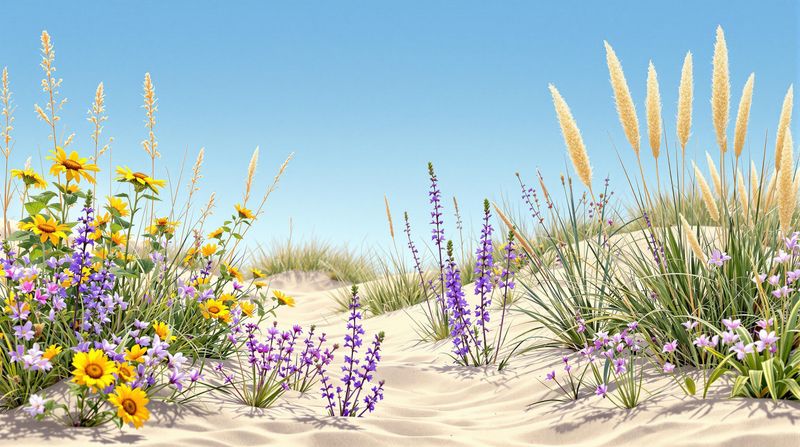
Florida sand can make gardening feel unfair. Water drains fast, roots hit dry pockets, and many pretty plants give up before they settle in.
Native plants that grew up with these conditions can turn a thin, sandy yard into a tougher, better-looking space. Here are nine Florida natives that bring color, texture, wildlife value, and a lot less fuss.
1. Blanket Flower
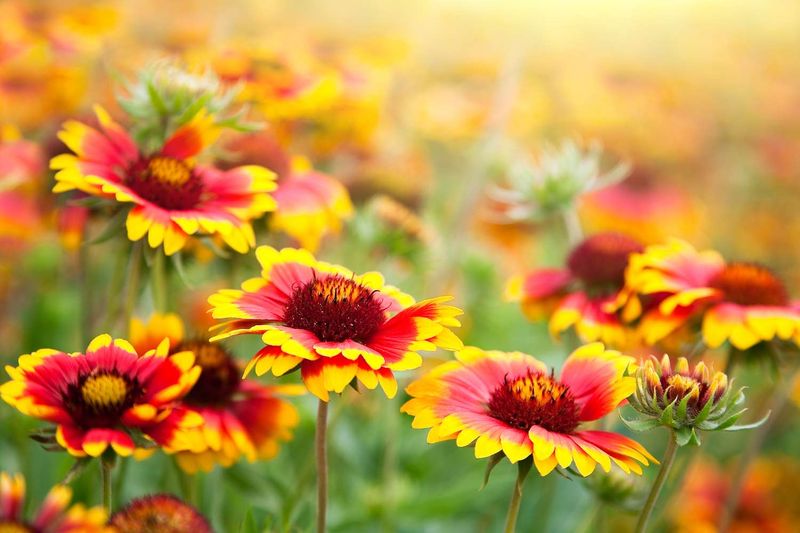
A hot, open patch of sand can look hopeless until blanket flower starts blooming like it owns the place. Its red, orange, and yellow petals bring a beachy, cheerful look that fits right into Florida yards, especially near driveways, mailbox beds, and sunny front borders.
Blanket flower is different from many showy flowers because it does not need rich soil to perform. In fact, overly fertile or soggy ground can make it floppy and short-lived, while lean, sandy soil keeps it more compact and happy.
Once established, it handles drought well and keeps pushing out blooms through long warm stretches.
For home gardeners, the payoff is simple: color without pampering. Plant it where it gets strong sun and good air movement, then avoid overwatering.
Deadheading can keep it tidy, but leaving some seed heads can feed birds and help the plant reseed lightly in friendly spots.
Pollinators also notice it fast. Bees, butterflies, and other small beneficial insects visit the blooms, making blanket flower a strong choice for a low-maintenance sandy bed that still feels lively.
2. Coontie
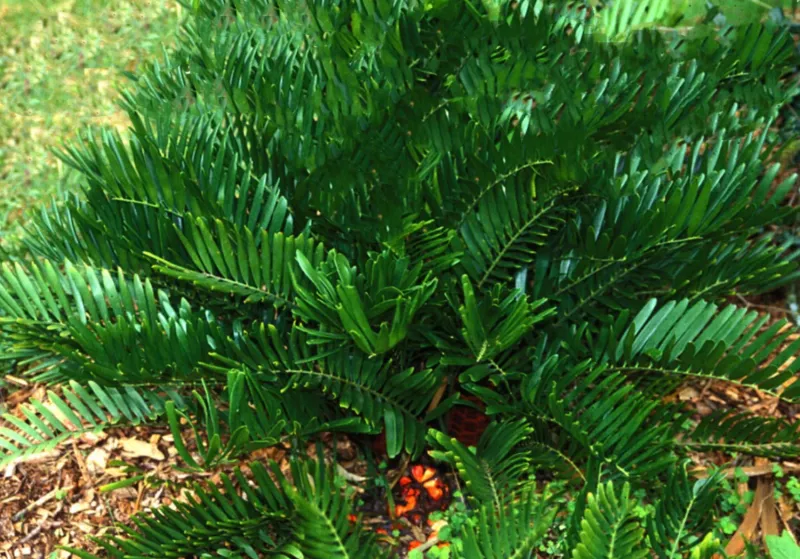
Under a palm, beside a walkway, or tucked near a shaded porch, coontie brings an old-Florida look without demanding much attention. Its stiff, glossy fronds look almost fern-like, but the plant is actually a native cycad that has handled Florida conditions for a very long time.
Coontie earns its spot because it tolerates the kind of shallow, sandy soil that can stress fussier foundation shrubs. It grows slowly, stays neat, and works in sun to part shade, which makes it useful in those tricky areas where roof overhangs or tree roots compete for moisture.
Wildlife value is another major reason to plant it. Coontie is the larval host plant for the atala butterfly, a small dark butterfly with bright red and blue markings.
If caterpillars chew the leaves, that is often a sign your yard is supporting a native species rather than failing.
Give coontie room to form a rounded clump, and avoid planting it in wet, poorly drained soil. It is especially good for homeowners who want a tidy, Florida-native alternative to small ornamental shrubs in sandy beds.
3. Dune Sunflower
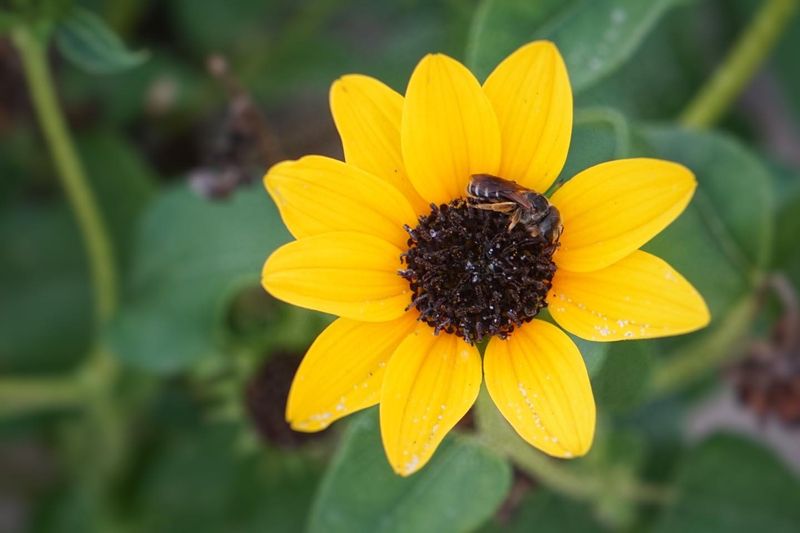
Few plants say Florida sunshine as clearly as dune sunflower. It spreads low across sandy ground, throwing out bright yellow blooms that look casual, happy, and right at home near patios, sidewalks, and coastal-style beds.
Dune sunflower stands apart because it behaves like a living mulch in difficult sand. Instead of leaving bare soil exposed to heat and erosion, it forms a mat that helps cover open areas where turf struggles.
That makes it handy on gentle slopes, along curb strips, and in spots where irrigation does not reach evenly.
In full sun, it can bloom for much of the year in warm parts of Florida. It is also a magnet for bees and butterflies, so a simple patch can quickly become one of the busiest parts of the garden.
Trim it back when it wanders too far, since it can spread with enthusiasm in the right conditions.
Homeowners who want a softer, wilder look will appreciate its easygoing habit. Pair it with muhly grass or beach verbena for a sandy-soil planting that looks designed instead of accidental.
4. Muhly Grass
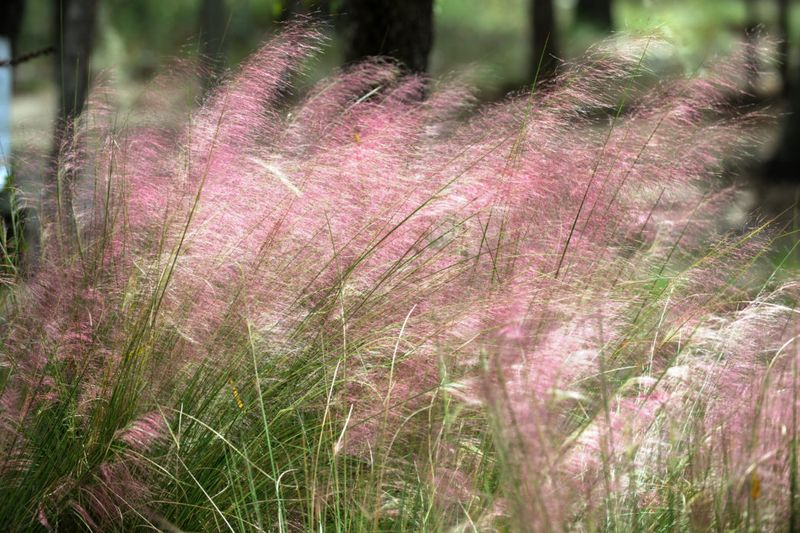
When fall light hits muhly grass, the whole plant can look like a pink cloud floating over the sand. That soft, glowing texture gives Florida yards a seasonal moment without the work of high-maintenance flowers.
Muhly grass belongs on this list because its roots handle dry, sandy sites while its form adds structure. Many shallow-soil gardens look flat because plants stay small or sparse.
Muhly solves that by forming neat clumps of fine green blades, then sending up airy pink to purple plumes in the cooler part of the year.
Use it where the yard needs movement: along a driveway, at the back of a sunny bed, or in groups near a porch. It looks best planted in sweeps of three, five, or more, especially when wind can move through the flowers.
Full sun brings the strongest bloom display, and good drainage is key.
Maintenance is refreshingly light. Cut back old growth in late winter before new blades fill in, then let it do its thing.
For sandy Florida landscapes, muhly grass offers curb appeal, drought tolerance, and a polished native look all at once.
5. Beach Verbena
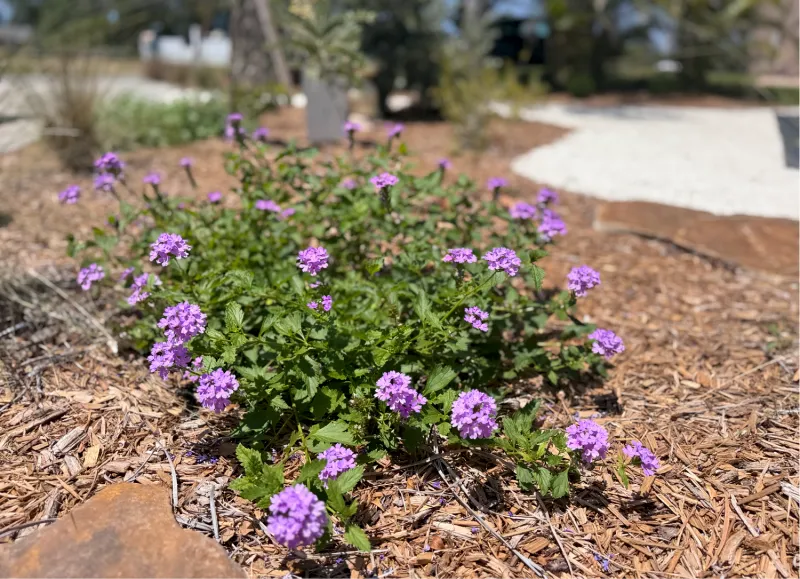
A small plant with a surprisingly big presence, beach verbena brings purple blooms to places that feel too dry and exposed for many groundcovers. It creeps along sandy soil instead of standing tall, which makes it perfect for softening edges.
Beach verbena is useful because it fills the low layer of a native planting. In shallow sand, taller plants may look lonely if bare ground surrounds them.
This native helps knit the bed together, covering hot soil while adding color that pairs beautifully with yellow dune sunflower or silver-toned coastal plants.
It prefers sun and well-drained sandy soil, making it a smart fit for beachside yards, curb strips, and rock-edged beds. Once established, it can handle dry spells better than many traditional bedding plants.
The flowers also draw butterflies and other pollinators, giving a small planting more life than its size suggests.
Keep foot traffic away from it, since it is better as a visual groundcover than a walking surface. If the stems stretch or get thin, light trimming can encourage fresh growth.
In the right spot, beach verbena turns harsh sand into a colorful, low-growing carpet.
6. Simpson’s Stopper
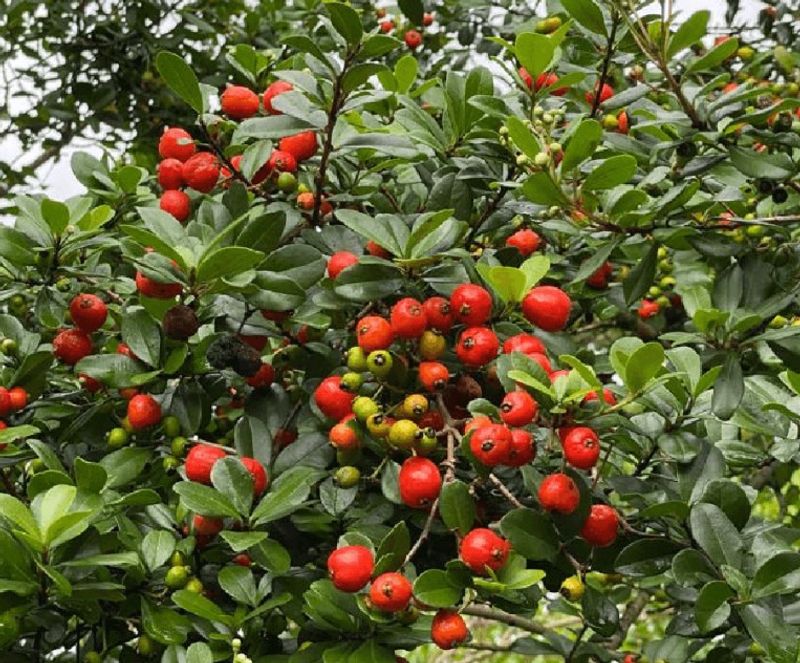
Need something tougher than a delicate flowering shrub but prettier than a plain hedge? Simpson’s stopper fits that gap with glossy leaves, small white flowers, and red-orange berries that birds love.
Unlike low groundcovers and grasses, Simpson’s stopper gives sandy yards height and privacy. It can be grown as a shrub, small tree, screen, or informal hedge, which makes it one of the more versatile natives for homeowners dealing with poor soil.
It tolerates sandy ground once established and can handle sun to part shade.
The wildlife value is a major bonus. Flowers attract pollinators, while berries bring birds into the yard.
In a Florida landscape where many ornamental hedges offer little habitat benefit, this plant helps create a more useful living screen.
Give it space, because mature plants can become broad and handsome with time. It responds well to pruning if you want a tighter shape, but it also looks good with a looser, natural form.
For shallow sandy soil near property lines or outdoor seating areas, Simpson’s stopper adds structure without feeling stiff.
7. Sunshine Mimosa
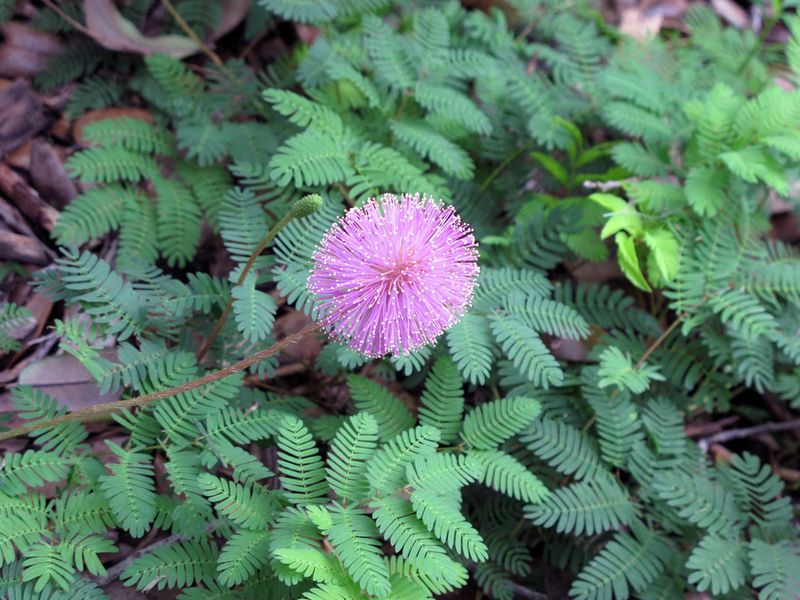
Step near sunshine mimosa and you may notice its leaves fold when touched, a little trick that makes this plant feel almost playful. The pink powderpuff flowers are just as charming, popping up above a low mat of green foliage.
Sunshine mimosa is different because it can work as a lawn alternative in some sunny sandy areas. It stays low, spreads by runners, and handles poor, well-drained soil better than many conventional groundcovers.
For gardeners tired of patchy turf in dry spots, it offers a softer and more wildlife-friendly option.
It is especially useful in informal areas with light foot traffic, such as side yards, open spaces near a patio, or sunny strips where grass thins out. The flowers attract bees and butterflies, while the foliage brings a relaxed meadow feel.
It is not a perfect replacement for every lawn, especially high-use play areas, but it can reduce mowing where conditions fit.
Start with small plugs spaced across prepared sandy soil, then keep them watered while they establish. After that, sunshine mimosa can become a resilient, cheerful cover that makes a sandy yard feel intentional.
8. Firebush
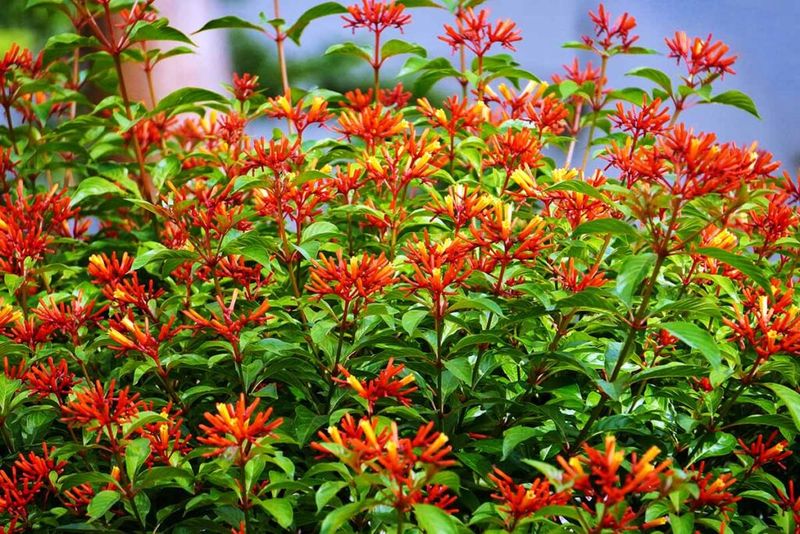
Hummingbirds do not need a formal invitation when firebush is in bloom. The red-orange tubular flowers act like bright little flags, turning a sandy backyard into a feeding stop for butterflies and nectar-loving birds.
Firebush deserves attention because it brings bold color and wildlife activity at shrub size. While many sandy-soil natives stay low or grassy, firebush can fill a larger space with tropical-looking foliage and steady warm-season flowers.
In much of Florida, it grows quickly during warm weather and can bounce back from pruning.
Plant it in sun for the heaviest flowering, though it can take part shade with fewer blooms. Sandy, well-drained soil is fine once the roots are established, but young plants benefit from regular water at first.
In colder parts of North Florida, it may die back after a freeze and return from the roots.
Use firebush where you want movement and color near a patio, fence, or back border. It has a looser shape than a clipped hedge, so it looks best in naturalistic plantings.
For gardeners who want pollinators without fragile flowers, firebush is a standout.
9. Railroad Vine
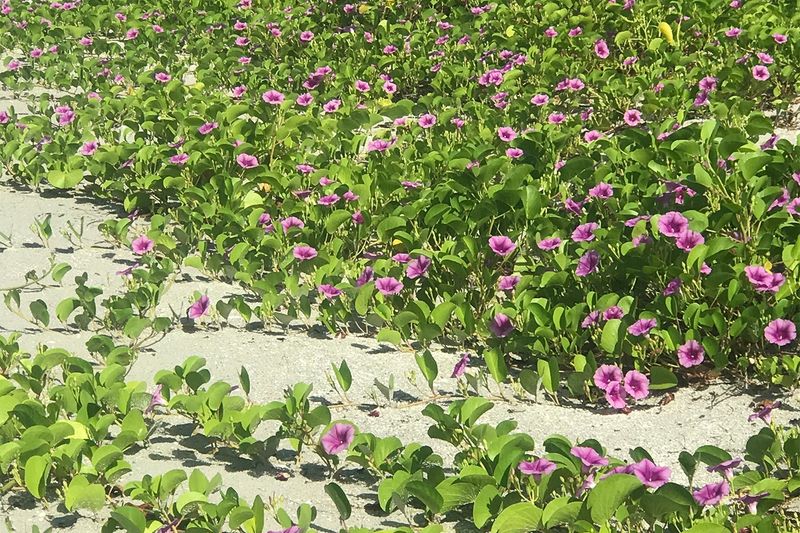
On bare coastal sand, railroad vine can look almost unstoppable. Its long runners stretch across hot ground, and the purple morning-glory-like flowers add a calm, coastal beauty to one of the harshest planting sites in Florida.
Railroad vine is the specialist of this group. While many natives tolerate sand, this one is built for deep, loose, coastal conditions and can help stabilize sandy areas where wind and runoff move soil around.
It is especially valuable for beachside properties where salt, sun, and drought narrow the plant choices.
Because it spreads widely, placement matters. Give it room on open sandy banks, dune-like areas, or large sunny spaces where its trailing habit will be an asset instead of a nuisance.
It is not the right plant for a tiny, tightly edged flower bed, but in the right setting it can cover ground beautifully.
Railroad vine also supports coastal habitat by sheltering small wildlife and reducing bare exposed sand. For homeowners near the shore, it offers a practical native solution that looks natural because it is natural.
Use it where Florida sand is not a problem to fix, but a condition to work with.