
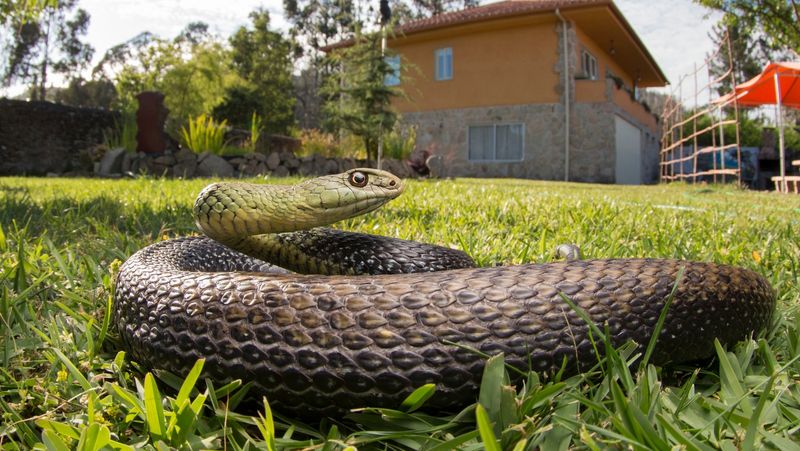
Snakes do not show up in a yard by accident. They come looking for food, shelter, and cool hiding spots, and a lot of ordinary backyard stuff gives them exactly that.
If you live in Florida, Texas, or anywhere warm across the South, small changes can make your yard far less inviting. Here are nine common things worth clearing out so slithery visitors keep moving.
1. Tall, Overgrown Grass
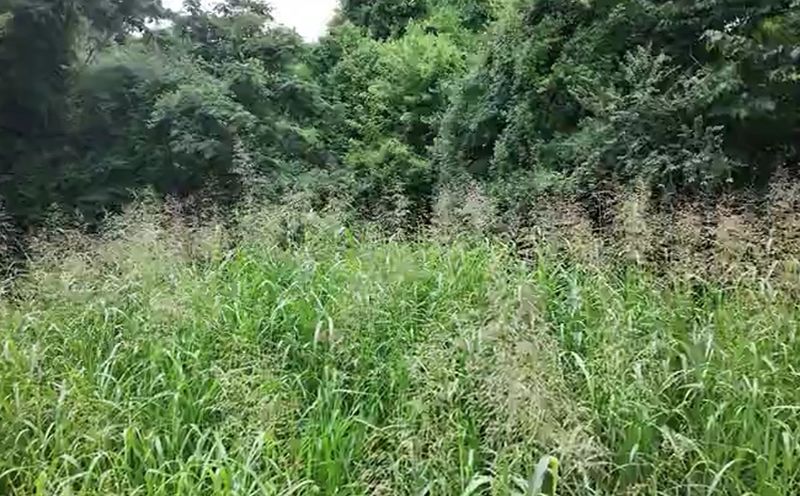
Nothing rolls out the welcome mat quite like grass that has not seen a mower in weeks. Long blades give snakes cover to move around unseen, which is exactly what they want when hunting or hiding from hawks.
Tall grass also attracts crickets, grasshoppers, and rodents, and those critters are the buffet that keeps snakes hanging around. Cut off the food and the cover, and the yard loses a lot of its appeal.
In Florida and Texas, warm months mean grass shoots up fast, so a regular mowing schedule matters more than folks think. Keeping your lawn trimmed to a few inches removes the shady tunnels snakes love to travel through.
Pay special attention to edges along fences, sheds, and flower beds, since those spots often get skipped. A string trimmer can knock down the messy borders your mower misses.
Shorter grass will not guarantee a snake-free yard, but it makes the space far more open and exposed. Most snakes prefer to avoid wide-open areas where predators can spot them easily, so a tidy lawn quietly nudges them elsewhere.
2. Woodpiles and Stacked Firewood
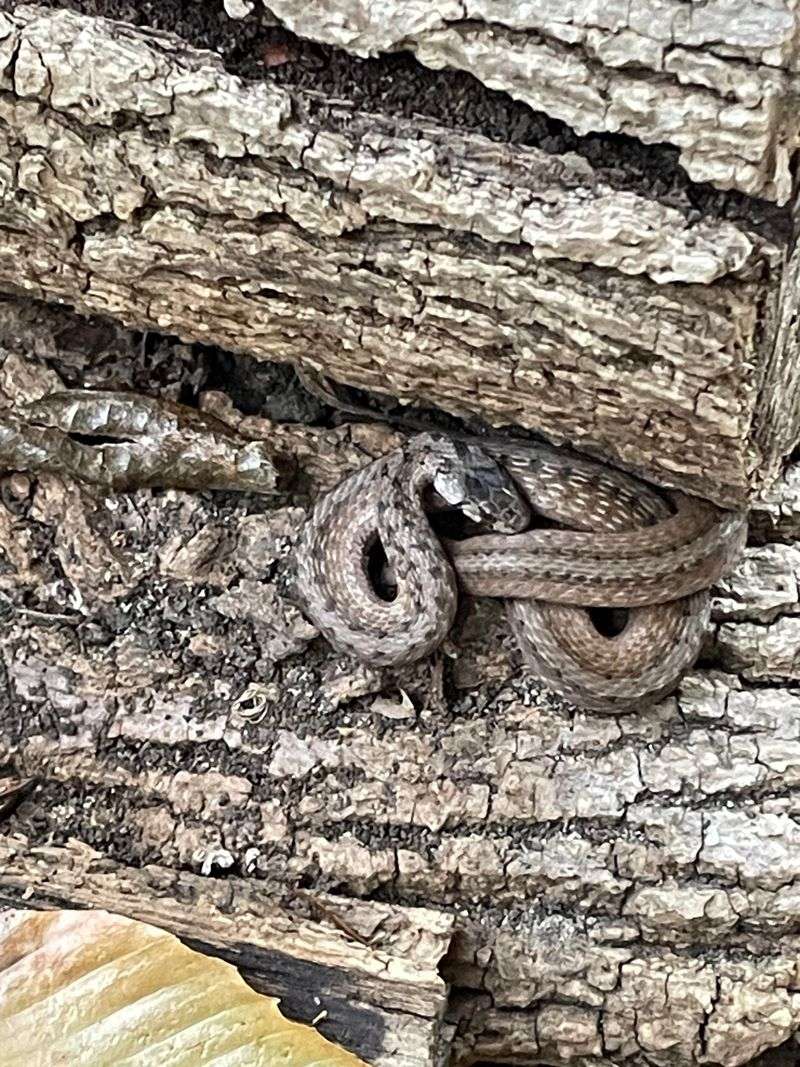
That neat stack of firewood by the porch might be doing double duty as a snake hotel. The gaps between logs stay cool, dark, and quiet, giving snakes a perfect place to rest, hide, and even lay eggs.
Firewood piles also draw in mice and insects that squeeze into the crevices, and where prey gathers, snakes tend to follow. A single woodpile can support a surprising little food chain right against your house.
If you heat with wood or keep logs for fire pits, try storing them off the ground on a rack. Raising the pile removes the ground-level hiding spots and makes it easier to spot anything living underneath.
Keeping firewood away from exterior walls and doorways is smart too, since you do not want a snake shelter within striking distance of your entry. A distance of several feet from the home helps.
Before grabbing an armload of logs, especially in warm weather, it can help to knock the pile or wear gloves. Snakes may not be aggressive, but nobody enjoys a surprise reaching into shadowy wood.
3. Piles of Leaves and Yard Debris
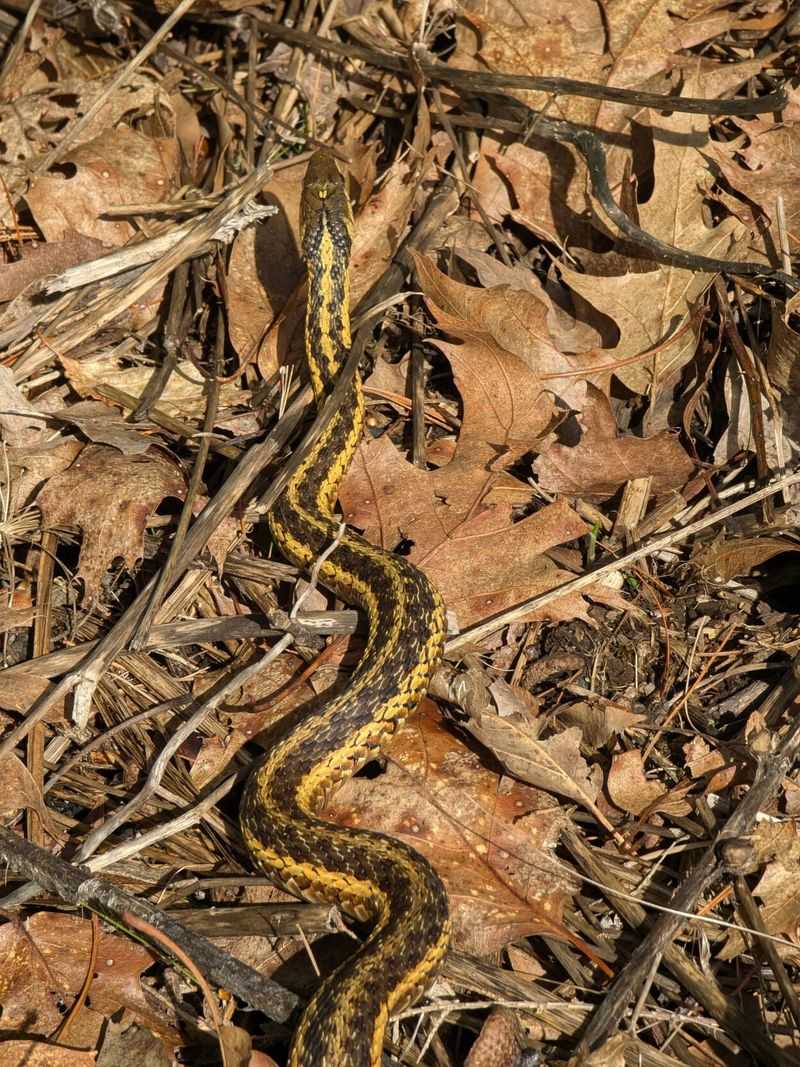
Raking leaves into a corner and forgetting about them creates a cozy little world for snakes. Damp leaf litter holds moisture and warmth, and it hides all the beetles, worms, and small frogs that make a snake think dinner is served.
Debris piles made of branches, grass clippings, or old plant trimmings work the same way. They give reptiles a soft, sheltered spot to tuck into during the heat of a Southern afternoon.
Clearing these piles regularly takes away both the hiding place and the buffet in one move. Bagging leaves or composting them in a sealed bin keeps the mess from turning into wildlife housing.
Fall and winter tend to bring the biggest buildup, but in Florida and Texas leaves and clippings can pile up nearly year-round. Staying on top of cleanup matters across seasons, not just in autumn.
Watch the shady, low corners of your yard where debris naturally collects and dries slowly. Those damp, undisturbed pockets are exactly the kind of spot a snake will happily settle into if you let it linger.
4. Cluttered Sheds and Storage Areas
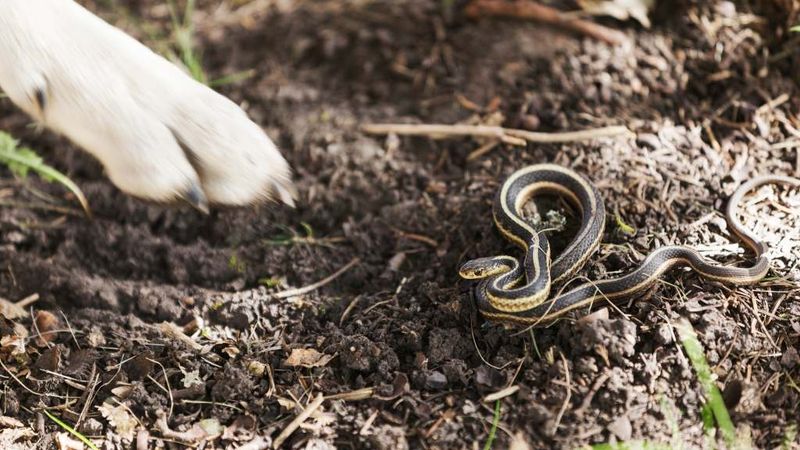
Ever open the shed door and feel like something scurried away? Cluttered storage buildings are prime snake territory because they offer everything a reptile wants: darkness, stillness, and plenty of gaps to disappear into.
Stacked boxes, loose tarps, and forgotten equipment create endless nooks. Add in the mice that love raiding sheds, and you have a setup that quietly invites snakes right through the gap under the door.
Decluttering the space and lifting items off the floor removes those tempting hideaways. Clear plastic bins with tight lids beat cardboard boxes, since they seal out both rodents and the snakes that hunt them.
Sealing gaps around doors, walls, and the foundation goes a long way too. A snake can slip through a shockingly small opening, so weather stripping and patching cracks pays off.
Give the shed a good sweep and inspection a couple of times a year, especially before the warm season ramps up in the South. Keeping things organized means fewer surprises when you reach for the rake, and a much less appealing hideout for anything with scales.
5. Standing Water and Leaky Faucets
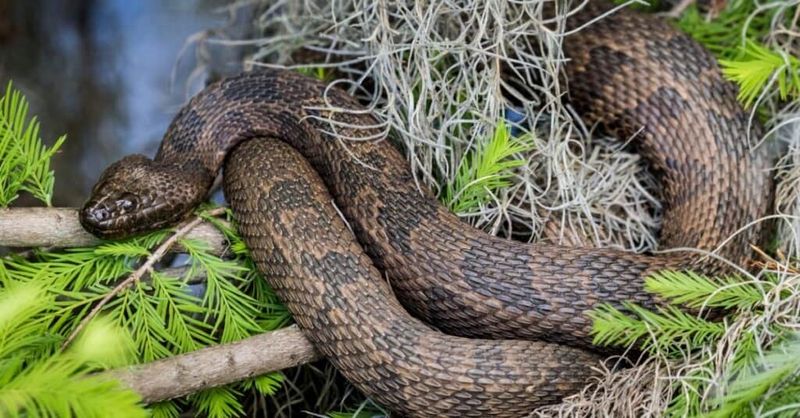
Water is a magnet for wildlife, and snakes are no exception. A leaky spigot, a forgotten bucket, or a low spot that never drains gives them a reliable drink and draws in the frogs and insects they like to eat.
In hot Florida and Texas summers, any dependable water source becomes a real draw. Snakes need to stay hydrated too, and a yard with steady moisture keeps them close instead of sending them roaming elsewhere.
Fixing drips, emptying containers, and clearing clogged gutters removes those easy watering holes. Even small dishes under potted plants can collect enough water to matter over time.
Grading soggy areas so they drain properly helps with the bigger, persistent puddles. Standing water also breeds mosquitoes and attracts the amphibians that certain snakes hunt, so drying things out solves more than one problem.
If you keep a birdbath or garden pond, position it away from doors and dense cover. Water features are lovely, but pairing them with lots of nearby hiding spots can quietly turn a peaceful corner into a spot snakes are happy to visit.
6. Dense Shrubs and Ground Cover
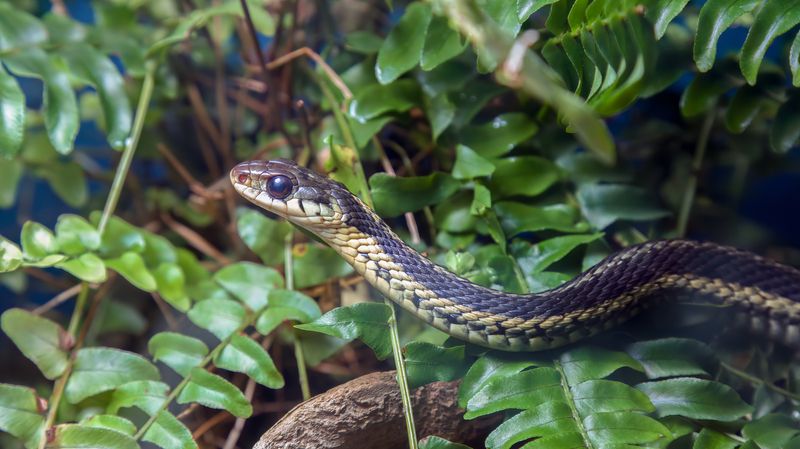
Lush, thick landscaping looks gorgeous, but it can double as a snake’s favorite hideaway. Dense shrubs and sprawling ground cover create shaded, humid tunnels at soil level where reptiles can travel and hunt in privacy.
Plants like thick ivy, tall ornamental grasses, and low junipers packed tightly together give snakes cover right up against your home. The closer that cover sits to your foundation, the closer snakes get to entry points.
Thinning out overgrown beds and pruning shrubs so their bottoms stay open lets light and air reach the ground. Snakes generally dislike bright, exposed spaces, so a little trimming makes a real difference.
Leaving a gap of open ground or gravel between planting beds and your walls creates a buffer. That clear strip removes the sneaky corridor snakes use to slip alongside the house.
You do not have to rip out every plant you love. Choosing tidier, well-spaced plantings and keeping them trimmed can give you curb appeal and fewer hidden reptile highways, which is a win worth aiming for in any Southern yard.
7. Bird Feeders and Spilled Seed
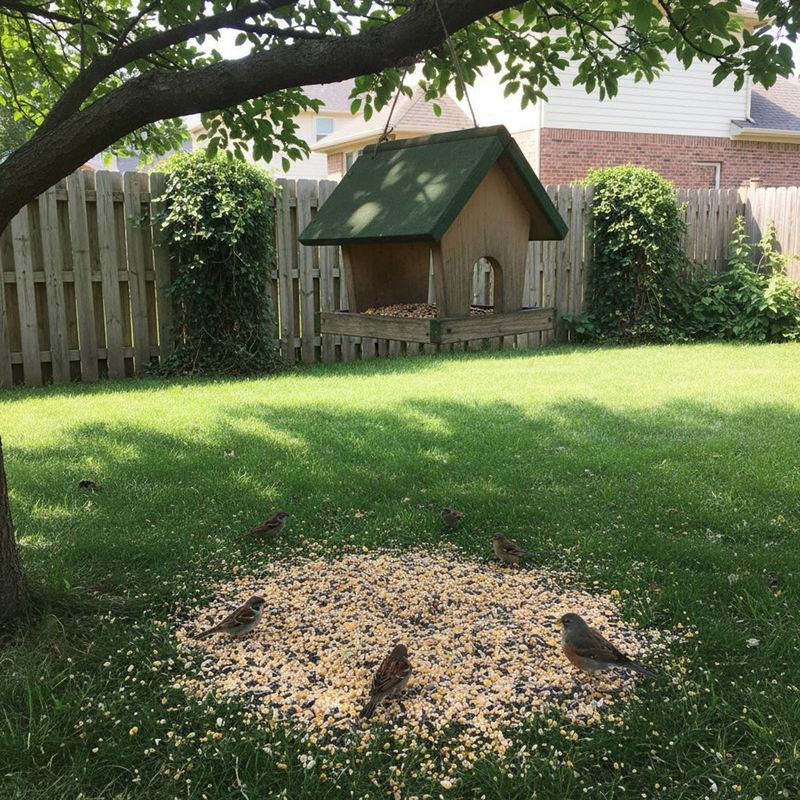
Feeding the birds feels harmless, but the seed scattered below the feeder tells a longer story. Fallen seed attracts mice, rats, and chipmunks, and those rodents are basically a dinner bell for hungry snakes.
A snake does not care about the seed itself. It cares that your feeder created a steady rodent population right in your yard, and it will happily hang around where the easy meals gather.
Cleaning up spilled seed regularly cuts down on the rodents that draw snakes in. Using a tray or catch basin under the feeder keeps most of the mess off the ground.
Storing bird seed in sealed metal containers rather than open bags also helps, since it stops rodents from raiding your supply. Fewer rodents on the property means fewer reasons for snakes to linger.
If snakes have been a repeat problem, consider moving feeders farther from the house or pausing them during peak snake season. You can still enjoy backyard birds while making sure the buffet you set out is not quietly feeding a whole food chain.
8. Gaps Under Decks, Porches, and Foundations
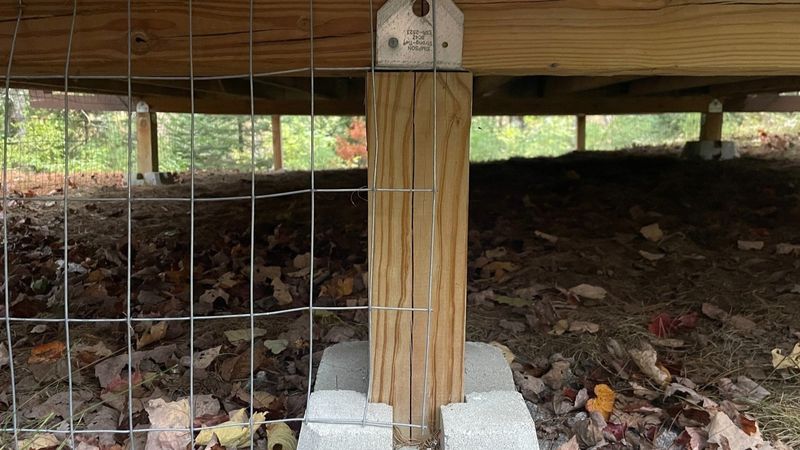
The shadowy space under a deck or porch might be the most overlooked snake magnet on the whole property. It stays cool, dry, and undisturbed, which is pretty much a snake’s dream apartment.
Cracks in the foundation and gaps around crawl space vents give snakes a way in too. Once they find a quiet, protected spot, they often return to it again and again.
Sealing these openings with hardware cloth or mesh keeps snakes from setting up shop underneath your structures. Small mesh works best, since snakes can push through surprisingly large gaps.
Checking for cracks around the base of your home, especially where pipes and wires enter, closes off sneaky entry routes. A little caulk and mesh go a long way here.
Keeping the area under decks clear of stored junk and debris also removes extra hiding layers. In warm Southern climates, these sheltered spots stay comfortable nearly all year, so blocking them off is one of the most effective steps you can take to make your yard genuinely less inviting to snakes.
9. Rock Piles and Landscape Boulders
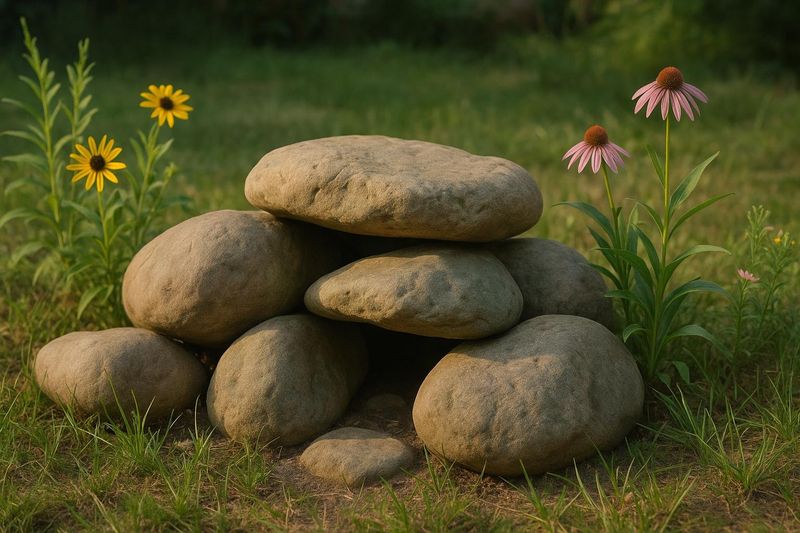
Decorative rock features add texture to a garden, but the crevices between stones make ideal snake shelters. Rocks soak up the sun during the day and hold warmth into the evening, giving cold-blooded reptiles the perfect basking and hiding combo.
The gaps also shelter lizards, insects, and small rodents, which means a rock pile can quietly stock its own little pantry for visiting snakes.
You do not have to give up your landscaping to reduce the risk. Setting stones on solid, packed ground instead of leaving loose piles removes many of the deep pockets snakes tuck into.
Keeping rock features away from doors, patios, and play areas puts a little distance between potential snake spots and where your family spends time. Placement matters as much as the rocks themselves.
Checking rock borders now and then, especially in warm weather when snakes bask, helps you catch any unwelcome tenants early. With smart placement and a bit of upkeep, you can enjoy the look of stone in your Southern yard without turning it into a sun-warmed reptile lounge right by the back door.