
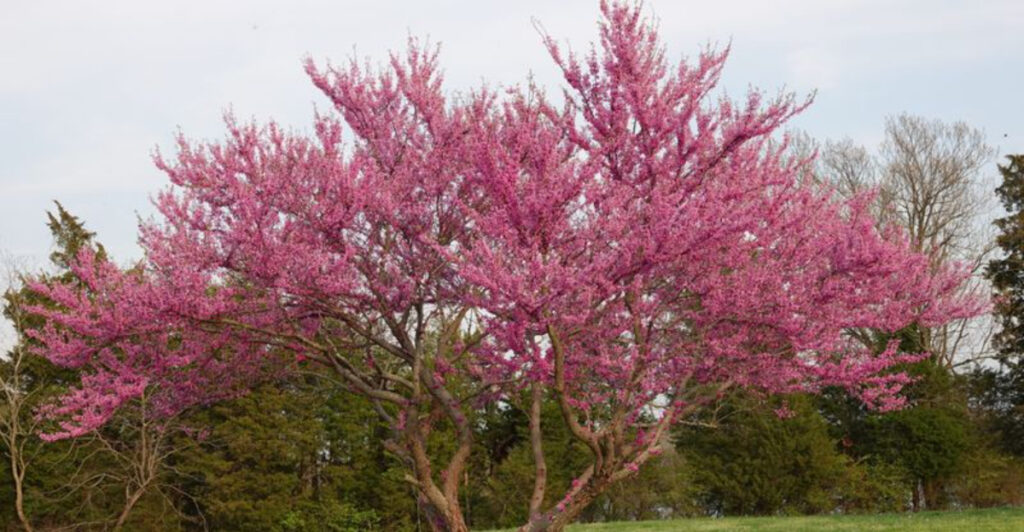
Explore a selection of small trees that offer not only attractive appearances but also ample shade.
Discover how these tiny wonders can transform your garden or landscape.
1. Japanese Maple
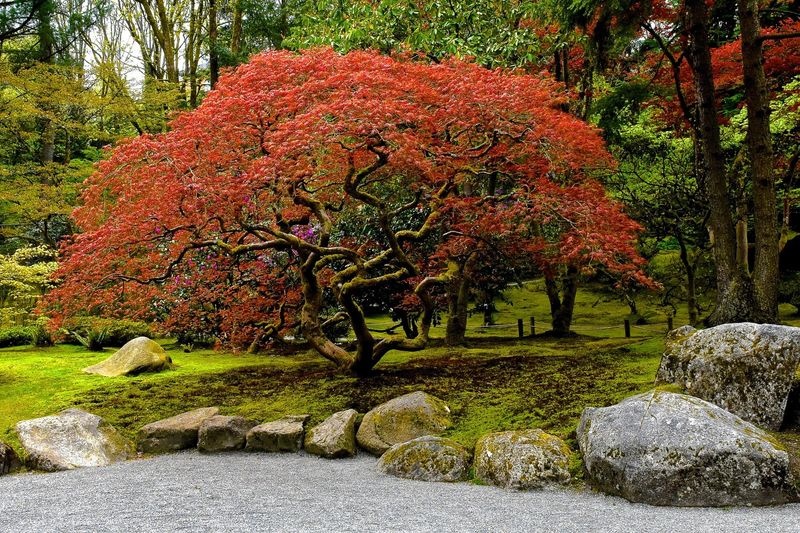
Nestled within the tranquil corners of many gardens, the Japanese Maple boasts not only elegance but a surprising ability to throw vast shadows. Its deeply lobed leaves flutter gracefully in the wind, creating a dance of light and shade beneath its canopy.
With a variety of shapes and colors, this tree is a favorite among landscape artists, providing a painterly touch to any environment. Whether it’s the fiery reds or gentle greens, each Japanese Maple species brings its own unique charm.
A symbol of peace in Japanese culture, it’s a perfect choice for serene settings.
2. Serviceberry
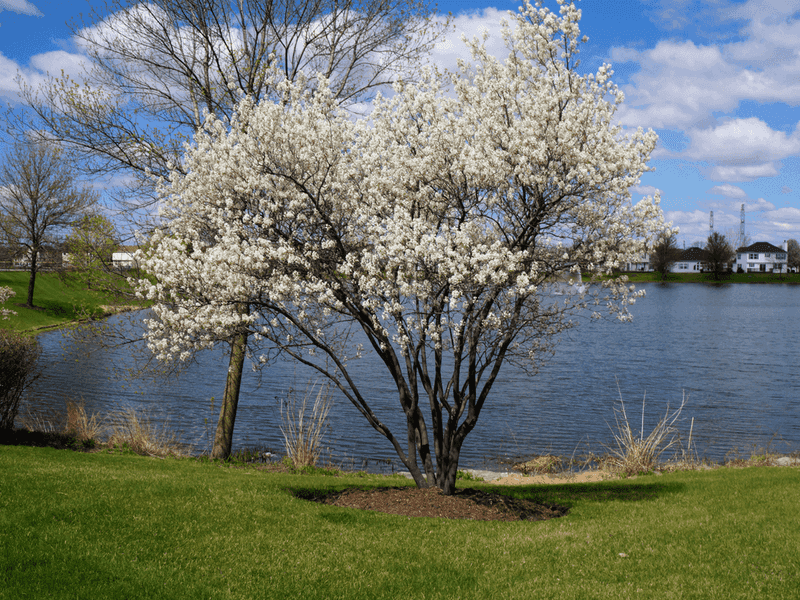
With the first signs of spring, the Serviceberry bursts into a cascade of white blossoms, heralding warmer days to come. Its blossoms attract various pollinators, making it a lively centerpiece in any garden.
As the seasons change, its leaves transition to brilliant orange and red tones, maintaining a colorful presence year-round.
Aside from its visual appeal, the Serviceberry produces small, edible fruits that are a hit among local bird species. A delightful blend of beauty and utility, this tree deserves a spot in every yard.
3. Eastern Redbud
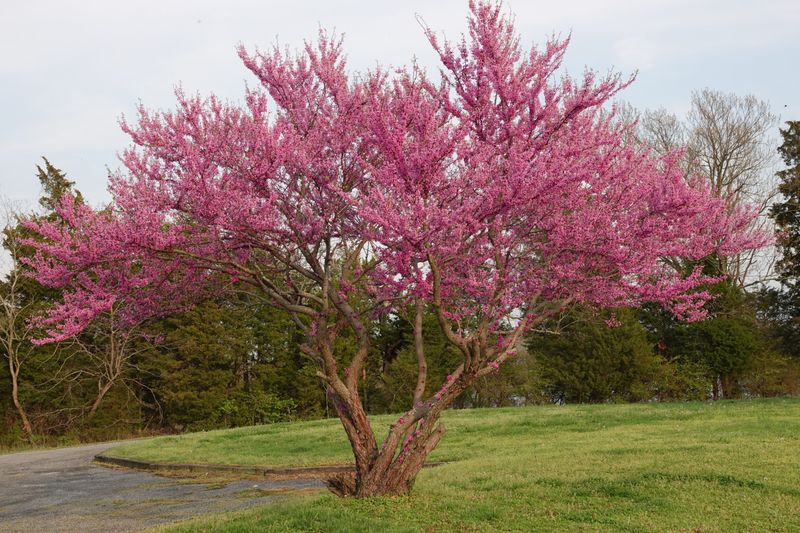
Famous for its heart-shaped leaves and bright pink flowers, the Eastern Redbud is a charming herald of spring. Its branches gracefully reach out, forming a sweeping canopy that provides ample shade.
Often found lining streets and garden edges, it’s a popular choice for those looking to bring a splash of color to their landscape.
As autumn approaches, the leaves turn golden, adding another layer of beauty to its repertoire. With its changing appearance, the Redbud never fails to captivate.
4. Amur Maple
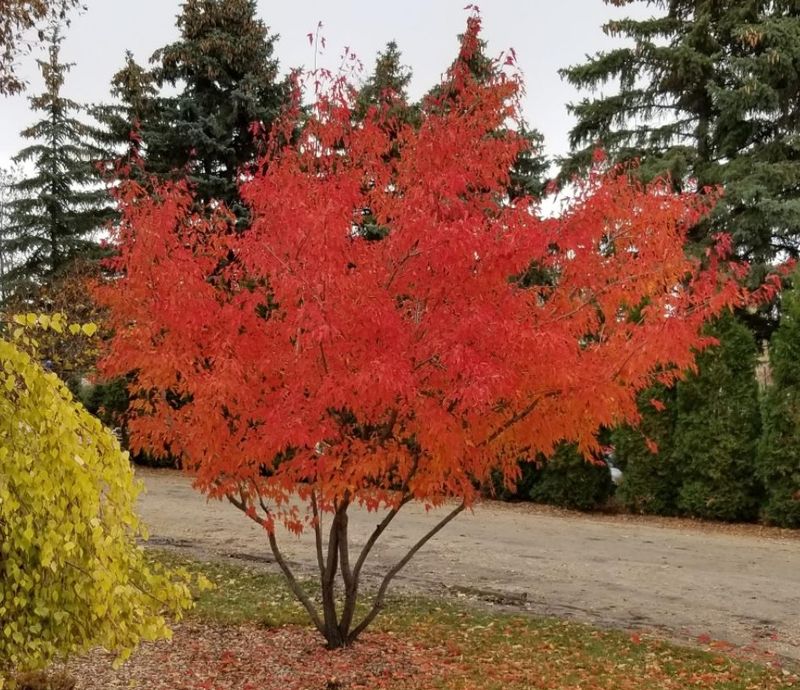
Compact yet vibrant, the Amur Maple is renowned for its fiery red fall foliage. This small tree is ideal for those seeking beauty in a limited space.
Despite its size, the Amur Maple provides substantial shade, thanks to its dense canopy of leaves. Its adaptability to different soil types makes it a versatile option for various gardens.
Beyond its visual allure, this tree is known for its resilience in colder climates. The Amur Maple is a testament to nature’s ability to thrive in diverse conditions.
5. Crape Myrtle
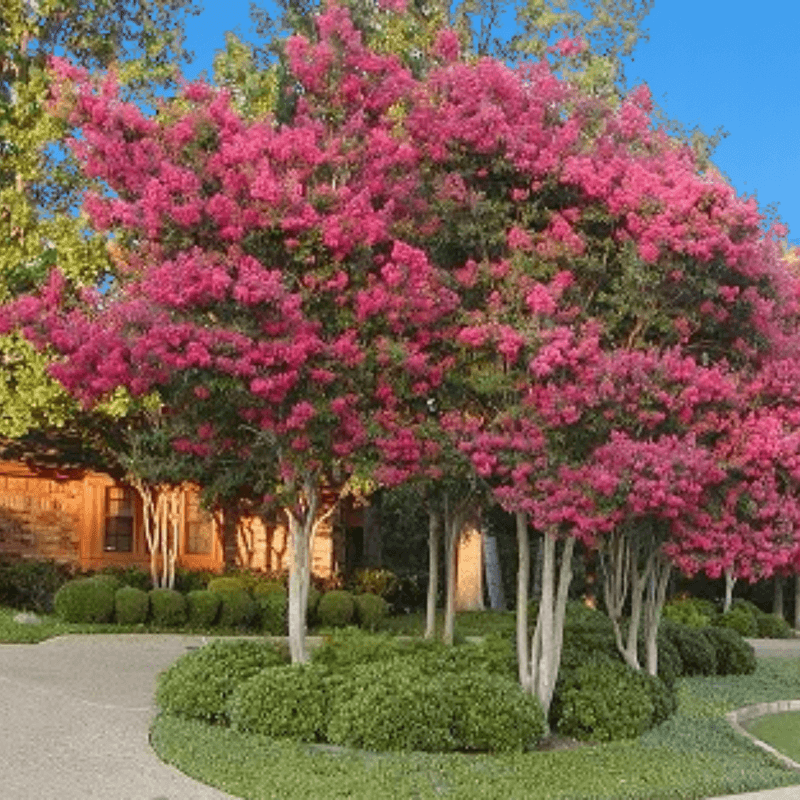
In the height of summer, the Crape Myrtle explodes into a riot of colors with its vibrant flowers. Its multi-trunk form adds an architectural element to gardens, enhancing visual interest.
As the petals fall, they create a beautiful carpet beneath the tree, adding to its enchanting presence. Its bark, smooth and exfoliating, is a feature in itself, drawing admiration from visitors.
Not just a visual delight, the Crape Myrtle provides generous shade, making it a treasured addition to any sunny landscape.
6. Flowering Dogwood
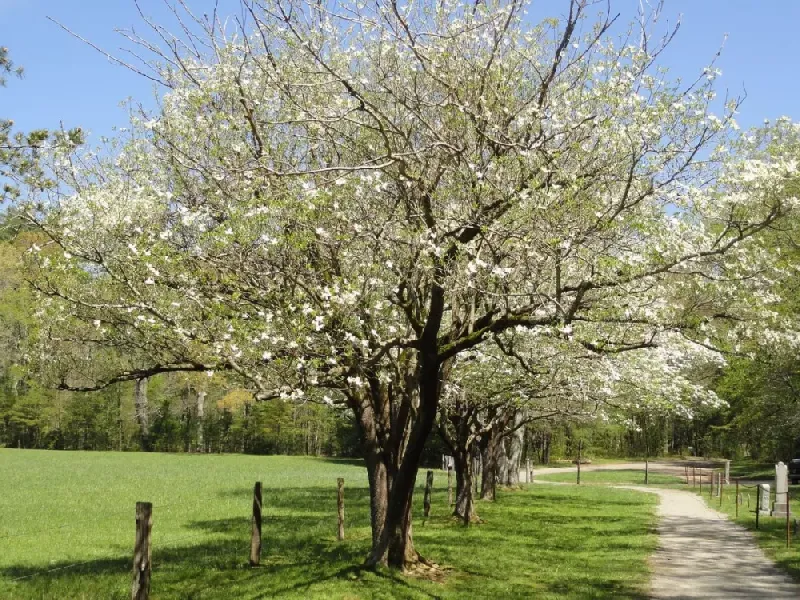
The Flowering Dogwood is synonymous with spring beauty. Its branches, adorned with white or pink blossoms, create a picturesque scene that feels straight out of a painting.
This tree’s striking horizontal branching pattern offers a unique structure that adds depth to any garden. Come autumn, its leaves transform into a blend of reds and purples, ensuring year-long visual interest.
Beyond aesthetics, the Flowering Dogwood provides essential shade, enhancing comfort in outdoor spaces.
7. Dwarf River Birch
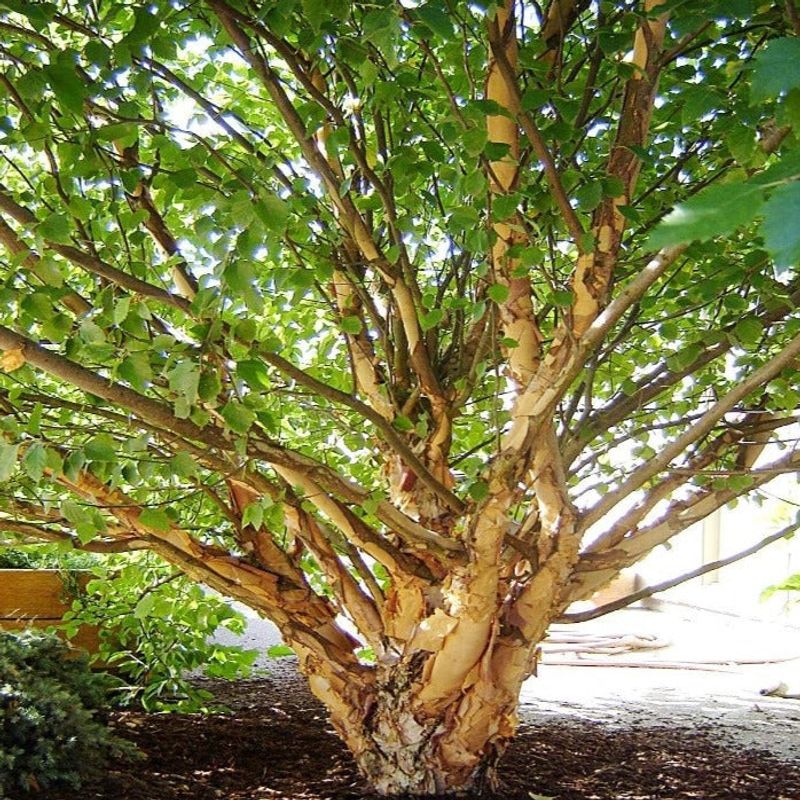
The Dwarf River Birch is a resilient tree known for its distinctive peeling bark. This unique feature adds texture and interest to gardens, ensuring it stands out even in winter.
Its thick leaves create a dense canopy, making it perfect for those seeking shade in smaller spaces. Often found near water sources, it thrives in moist conditions.
The Dwarf River Birch’s adaptability and endurance make it a favorite among gardeners looking for both form and function.
8. Saucer Magnolia
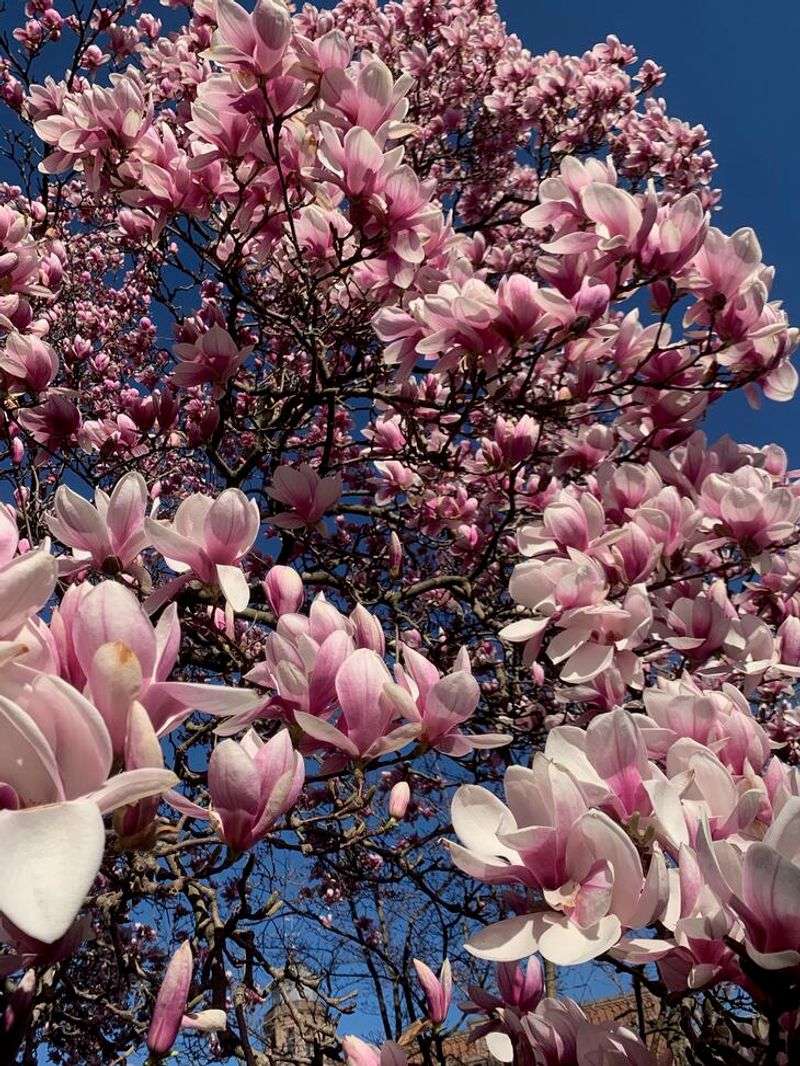
In early spring, the Saucer Magnolia unveils its show-stopping blossoms, capturing the hearts of all who see it. Its large, saucer-shaped flowers sit atop bare branches, creating a striking contrast against the sky.
As the flowers fade, glossy green leaves emerge, maintaining the tree’s appeal throughout the summer. Its wide-spreading branches offer ample shade, making it a favored spot for relaxation.
The Saucer Magnolia’s blend of beauty and practicality makes it a classic choice for those who value aesthetics.
9. Hornbeam
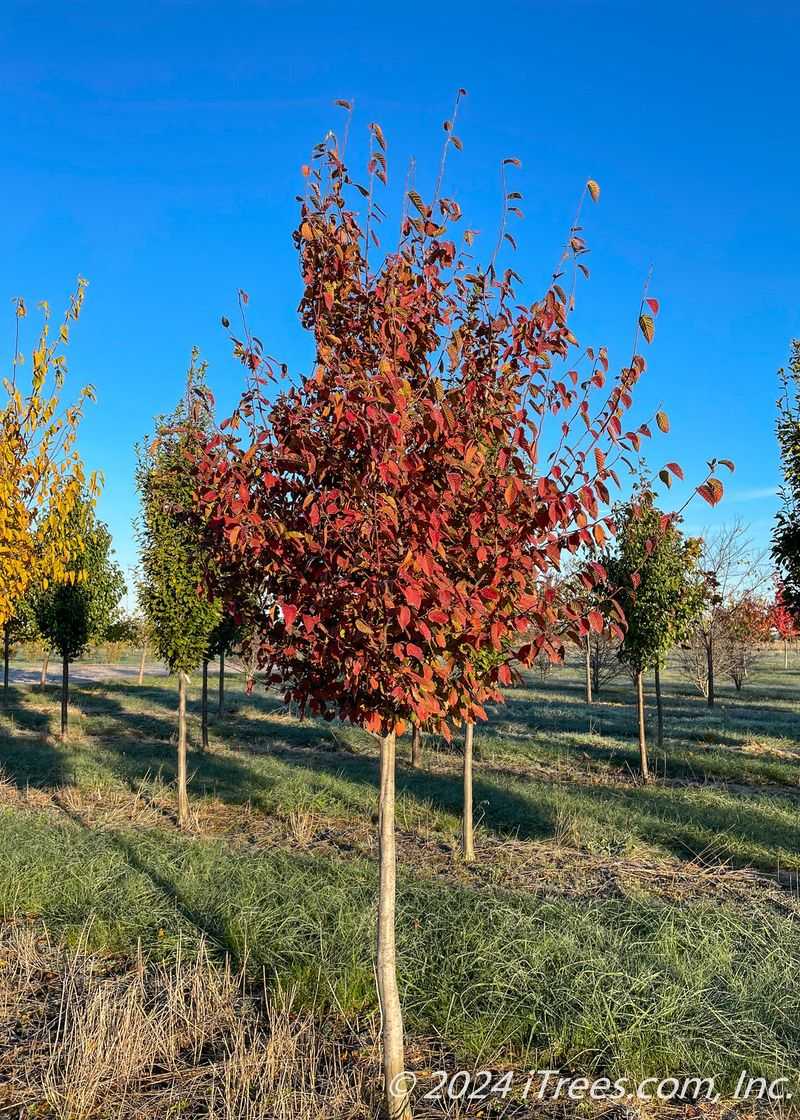
The Hornbeam is often celebrated for its stately presence and dense foliage. Its leaves form a thick canopy, providing excellent shade throughout the warmer months.
Favored for its versatility, the Hornbeam can be shaped into hedges or left to grow naturally, making it suitable for various landscaping needs. Its strength and resilience are matched by few, ensuring it stands tall through the seasons.
For those seeking a combination of elegance and shade, the Hornbeam is an outstanding choice.
10. Strawberry Tree
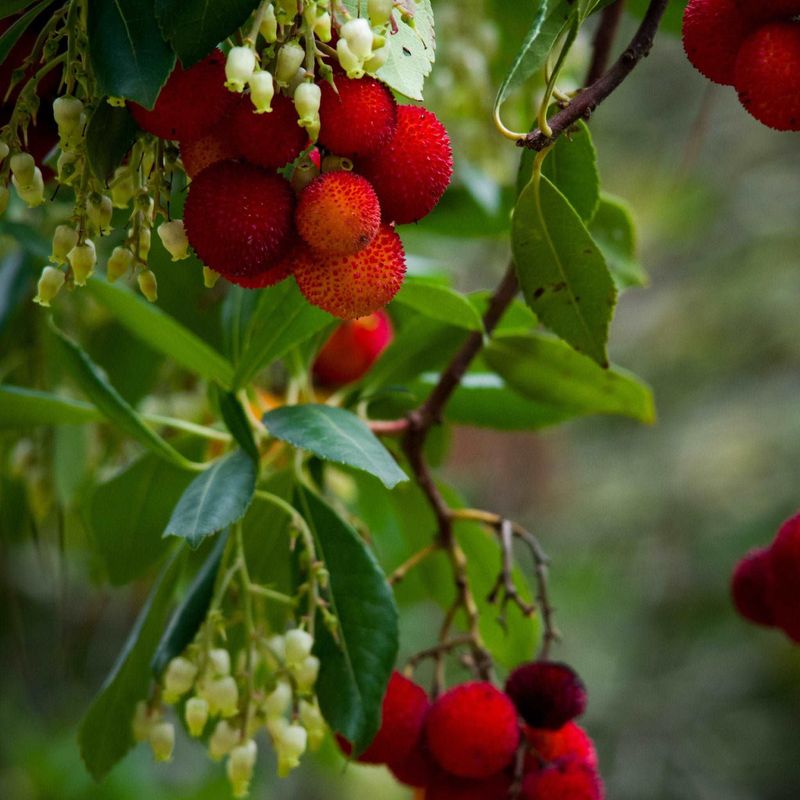
Known for its vibrant red fruits resembling strawberries, the Strawberry Tree adds a splash of color to any setting. Its evergreen leaves ensure year-round appeal, while its rough bark provides additional texture.
The tree’s ability to thrive in rocky, challenging environments makes it a popular choice in diverse landscapes. Its fruits are not only eye-catching but also attract a variety of wildlife.
For those wishing to add uniqueness to their garden, the Strawberry Tree offers both visual interest and practical benefits.
11. Littleleaf Linden
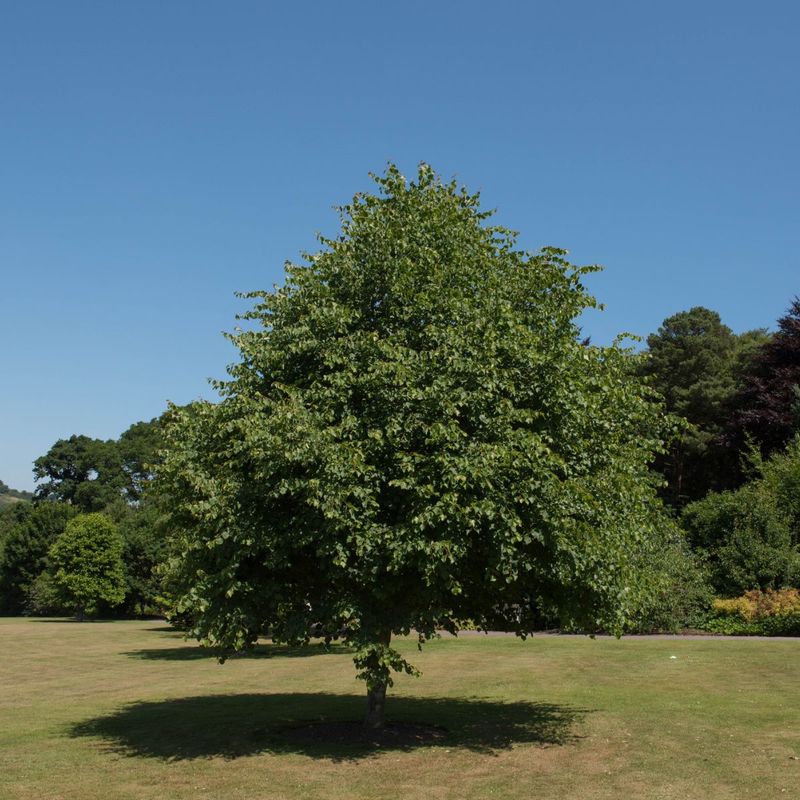
The Littleleaf Linden is cherished for its heart-shaped leaves and sweet-smelling flowers. Its branches form a broad canopy, offering generous shade to those beneath.
Popular in urban settings, this tree is known for its ability to endure pollution and poor soil conditions. Its fragrant blossoms attract bees, making it an important contributor to local ecosystems.
With its combination of resilience and beauty, the Littleleaf Linden is a treasured addition to any garden or park.