
Creating your own all-natural tick spray is easier than you might think. With simple ingredients and a few quick steps, you can protect both your family and furry friends from these pesky critters.
This guide will walk you through seven essential steps, ensuring you craft an effective and safe tick repellent. Whether you’re preparing for a hike or just enjoying your backyard, these tips will keep everyone tick-free and happy.
1. Start with a Natural Base

Begin your tick spray journey with distilled water. It’s the purest form, free from minerals that could interfere with essential oils. This ensures a gentle base that won’t irritate skin or fur. Imagine the calm of pouring clear water into a bowl, knowing it’s the start of something protective and beneficial. This base sets the stage for a potent spray that’s safe for everyone. As you prepare, consider the simplicity of using nature’s purest resources to create something powerful. The beauty of distilled water lies in its simplicity and effectiveness, offering a clean slate to build upon.
2. Add Witch Hazel or Apple Cider Vinegar
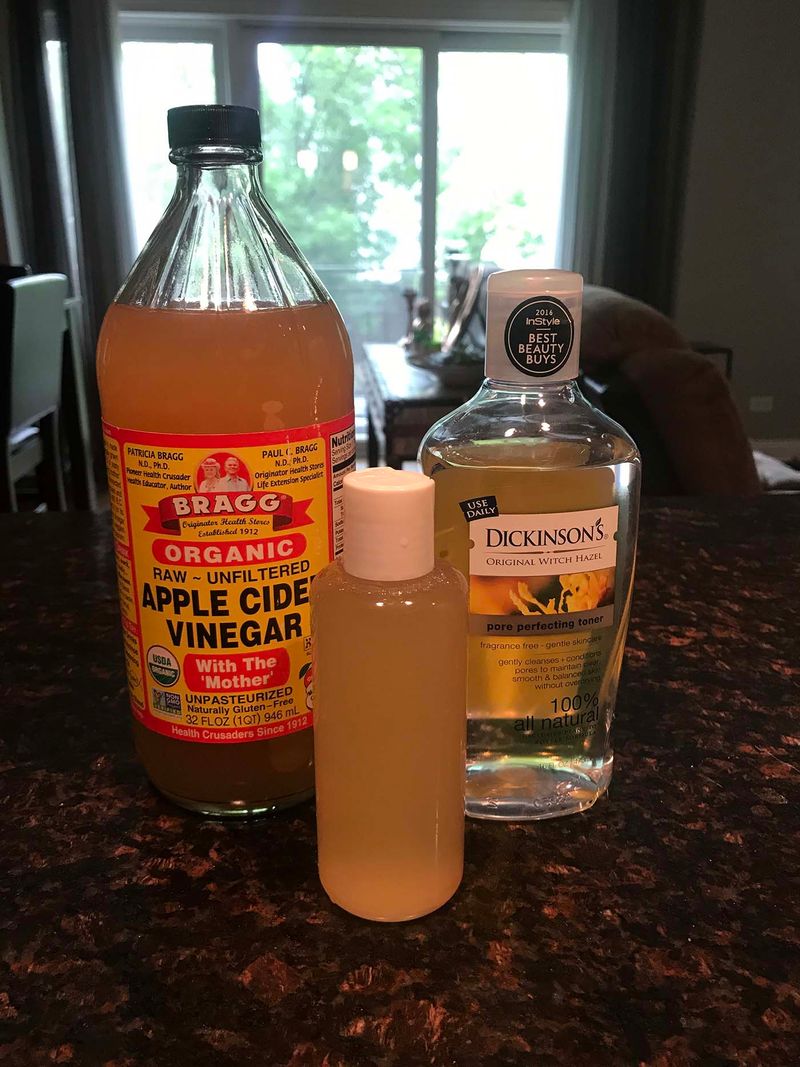
Next, enhance your spray with witch hazel or apple cider vinegar. These ingredients are more than just preservatives; they bring natural tick-repelling properties to the mix. Picture the earthy aroma as you pour carefully measured tablespoons into your preparation. This step adds an extra layer of defense, harnessing nature’s own protectors. Witch hazel offers astringent properties, while apple cider vinegar brings a tangy twist. Together, they form a dynamic duo that supports the natural oils, creating a harmonious blend. This addition marks a pivotal point in crafting your tick-repelling masterpiece.
3. Use Tick-Repelling Essential Oils

Essential oils are the heart of your natural tick spray. Cedarwood, Geranium, and Lavender provide a robust defense against ticks. Imagine the rich scent of cedarwood driving ticks away, complemented by geranium’s effectiveness and lavender’s calming presence. Optional additions like Lemongrass offer extra strength for humans. This aromatic blend not only repels ticks but also adds a soothing scent. Each drop contributes to a powerful shield, emphasizing the synergy of nature’s finest. Avoid using tea tree or eucalyptus oils directly on cats, as they may pose risks. This step crafts a fragrant and effective repellent.
4. Add a Carrier Oil (Optional)

Consider adding a carrier oil like jojoba, almond, or vegetable glycerin to your mix. These oils help the essential oils adhere to skin or fur, enhancing their longevity and effectiveness. Visualize the silky texture as you gently mix in a teaspoon, ensuring every drop melds seamlessly. This optional step provides an additional layer, ensuring the spray remains potent longer. The choice of carrier oil can also add subtle, nourishing benefits for the skin or coat. By including this, you’re creating a comprehensive shield, making sure the spray works harder and lasts longer, protecting your loved ones effectively.
5. Mix Everything in a Spray Bottle

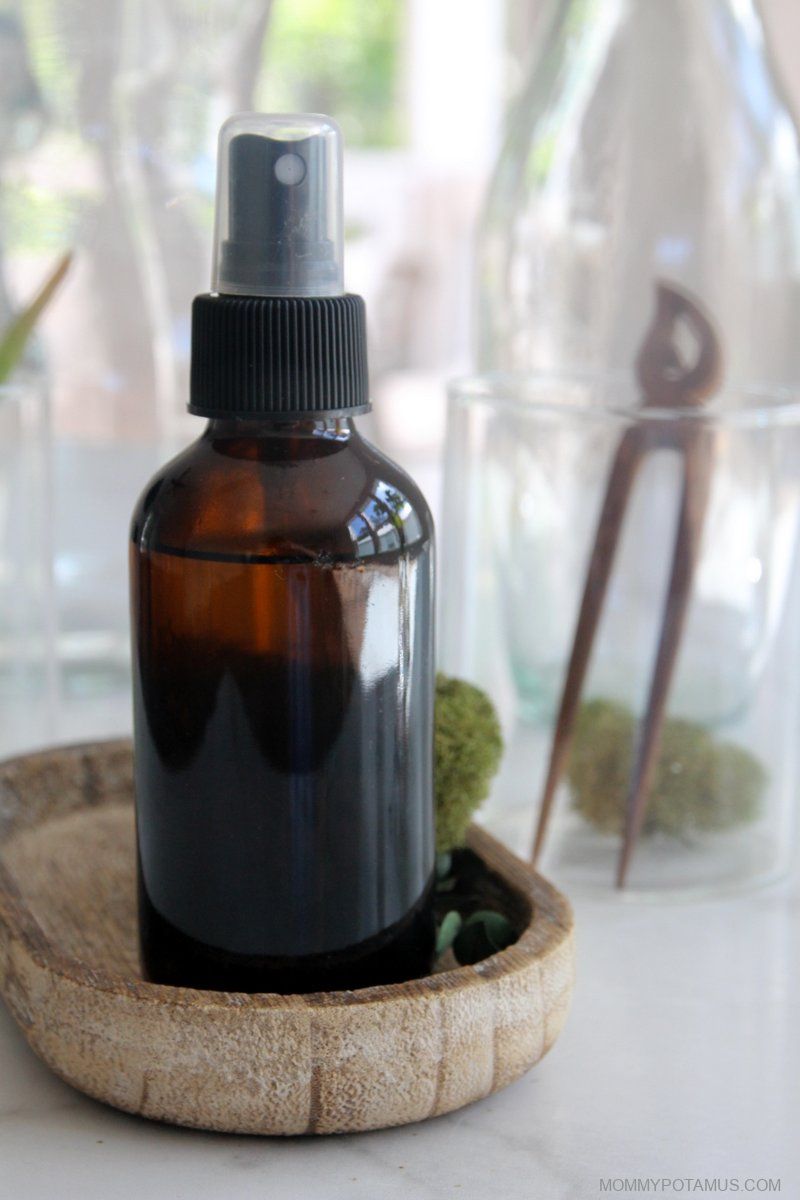
Now, it’s time to combine all the ingredients in a spray bottle. Preferably, use a dark-colored bottle to protect the oils from light. Picture yourself carefully pouring each ingredient through a small funnel, ensuring nothing is wasted. This step is about precision and care, creating a harmonious blend that’s ready to use. The bottle should feel balanced in your hand, easy to carry on outings. By mixing everything properly, you ensure every spray delivers maximum effectiveness. This assembly phase is the culmination of your efforts, bringing together each element into a cohesive whole, ready to combat ticks.
6. Shake and Spray Safely
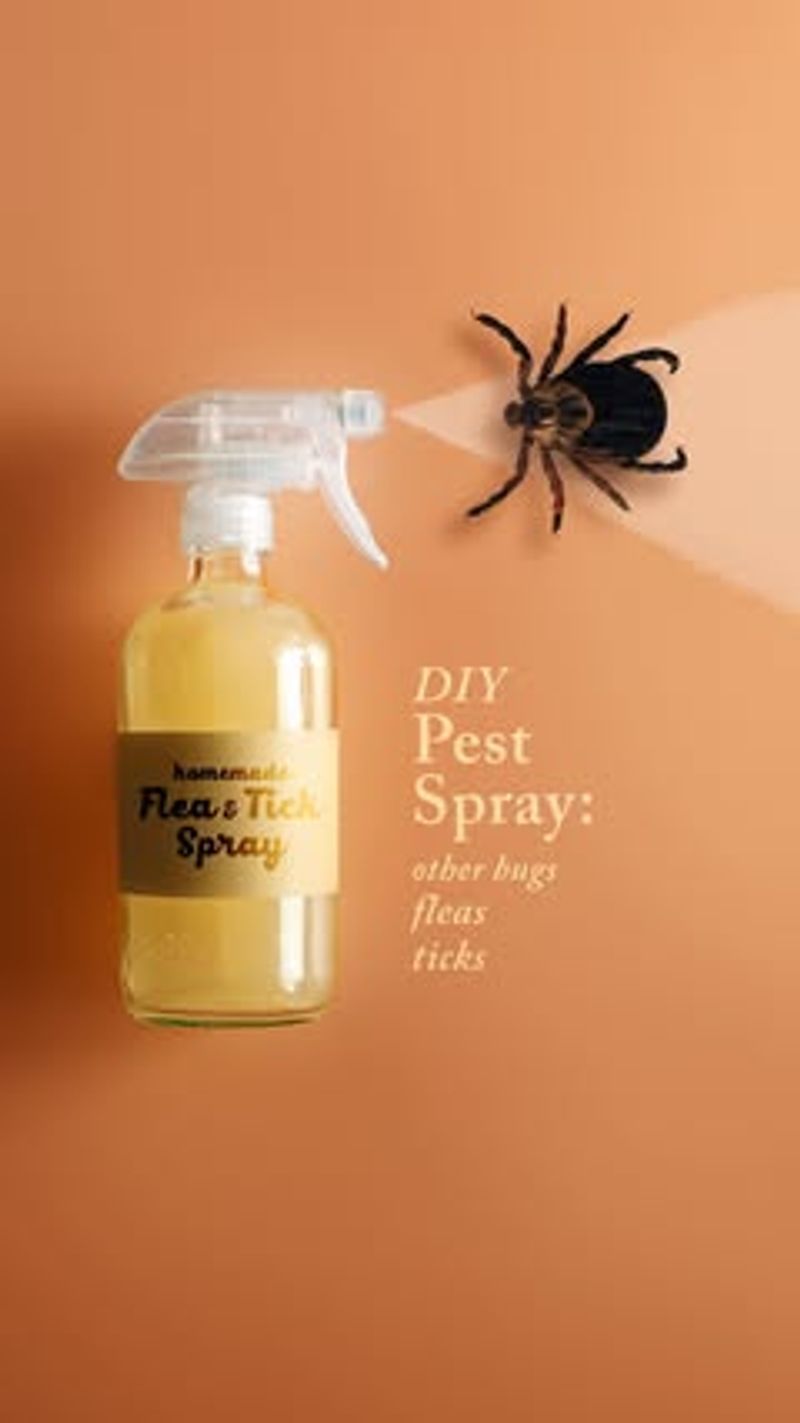
Before each use, remember to shake the bottle well. Essential oils separate from water, so this step ensures a consistent mix. As you spray, imagine the mist coating your clothes, dog’s fur, or around your home’s entryways. Each spritz provides peace of mind, knowing you’re protected. Ensure you apply it safely, avoiding sensitive areas like eyes or nose on pets. This routine becomes a comforting ritual, a proactive measure in tick prevention. Patch tests are wise, especially for sensitive skin. With these precautions, your homemade spray becomes a trusted companion in the fight against ticks, providing ongoing protection.
7. Reapply as Needed & Stay Vigilant
Natural sprays need reapplication. Every 2-4 hours when outdoors, a quick spritz keeps ticks at bay. Imagine being out on a hike, the spray bottle within reach, ready to refresh protection. This step reinforces vigilance, reminding you to check for ticks after outdoor activities. Regular use creates a habit of awareness, ensuring you’re always one step ahead of ticks. By staying attentive, you protect against potential bites. This awareness becomes second nature, a seamless part of outdoor adventures. These precautions not only shield but also educate, fostering a proactive approach to tick safety, ensuring fun without the worry.