
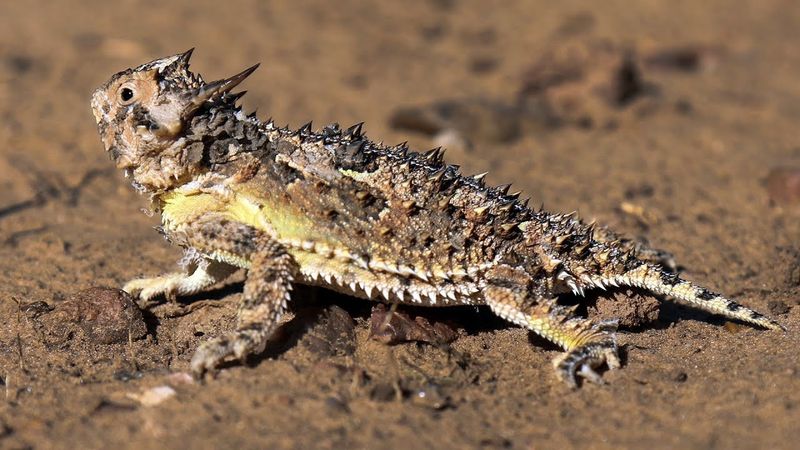
Spotting a Texas horned lizard in your yard can stop you cold, especially if you grew up catching them as a kid and haven’t laid eyes on one in decades. That flat, spiny little creature carries a lot of Texas memory with it, and its sudden reappearance raises a genuine question: what does this actually mean? The answer is more layered than a simple comeback story, but it is still worth paying attention to. Understanding what that lizard’s presence can and cannot tell you about your yard may change how you think about the land around your home.
A Yard Sighting Signals Possibility, Not a Miracle
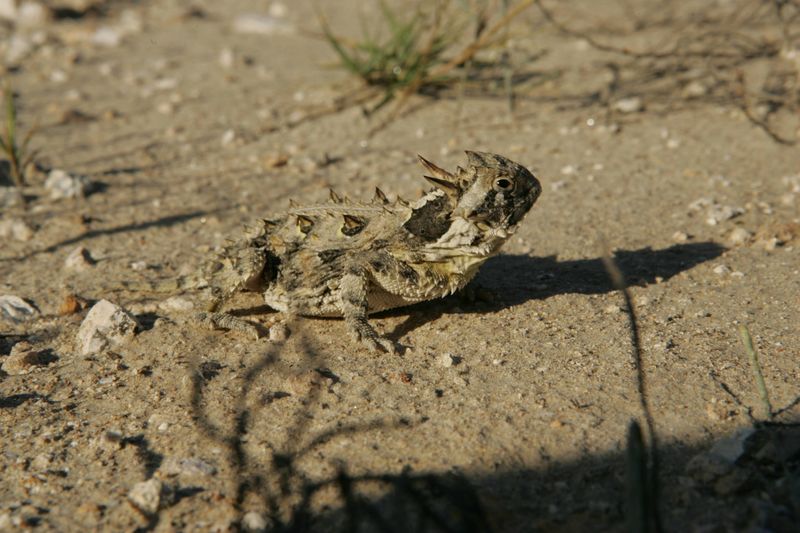
Seeing a horned lizard cross your yard on a warm Texas afternoon is one of those moments that hits differently than spotting a mockingbird or a garden snake. For many longtime Texans, it lands somewhere between surprise and a quiet rush of childhood memory. The instinct is to call it a miracle, a return, a sign that something has been restored. That feeling is real and worth honoring, but the ecological picture behind it is more careful and more interesting than a storybook comeback.
What a single sighting most plausibly tells you is that your immediate surroundings still offer some combination of conditions the lizard can use: open ground, warmth, loose soil for burrowing, and access to the native ant prey it depends on. Texas Parks and Wildlife Department’s Texas horned lizard profile describes the species as a flat-bodied, camouflaged lizard with prominent head horns and rows of fringed scales along its sides, built to blend into bare or sparsely vegetated ground. That camouflage works so well that the animal can sit in plain view and go completely unnoticed.
Texas is home to more than one horned-lizard species, which is why a photograph and your precise location matter before drawing any conclusions. A casual nickname like “horny toad” has been applied to several different animals across the state, and what looks like one species at a glance may be another. TPWD’s Eye on Nature feature on horned lizards notes that the Texas horned lizard was once one of the most familiar reptiles in the state, historically widespread enough that most Texans of a certain age encountered one regularly.
A yard sighting does not prove that a breeding population has returned, that the species has recovered in your neighborhood, or that the landscape has healed in some measurable way. What it does signal is that a wildlife connection remains possible right where you live, and that is genuinely meaningful even without the miracle framing. TPWD’s 10-year Horned Lizard Watch background report frames such encounters as evidence of surviving local habitat threads, not confirmed recoveries.
Years Without a Sighting Do Not Prove Years Without Lizards
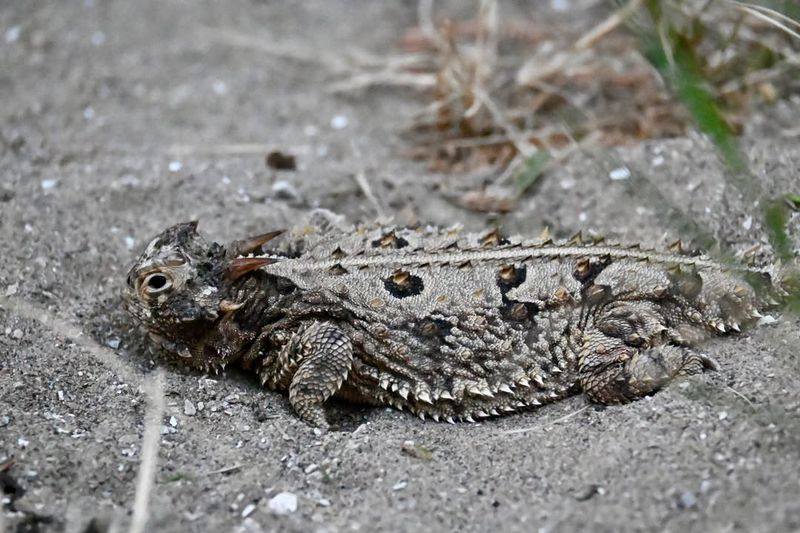
The gap between your last sighting and this one may say more about the limits of human observation than about the lizard’s actual history in your area. Horned lizards are cryptic animals by design. Their coloring and body shape match bare or sparsely vegetated ground so closely that a lizard can be sitting within a few feet of a person and simply not register. Add underground inactivity during cooler months, shifting vegetation that blocks sightlines, and the simple reality that most people are not scanning their yard for small reptiles on any given morning, and long gaps in sightings become easy to explain without requiring that the lizard was truly absent.
TPWD monitoring materials on horned lizard detection emphasize that these lizards are difficult to find even in areas where suitable habitat persists. Weather plays a role too: a string of cool, cloudy, or unusually dry days can keep a lizard underground or inactive for stretches that span an entire season. Temperature thresholds matter to a cold-blooded animal in ways they simply do not matter to the person looking for one.
Changing vegetation is another quiet factor. A yard that was more open and bare in the 1980s may have grown in with ornamental plantings, turf grass, or leaf litter that reduces the open-ground patches the lizard needs and simultaneously narrows the window in which it would be visible at the surface. The lizard’s habitat may have shrunk without the animal disappearing entirely, and the observer’s line of sight may have shrunk along with it.
One sighting cannot tell you whether the lizard survived continuously in your yard, whether it arrived recently from a nearby patch of suitable land, or whether it belongs to any kind of viable local population. The TPWD Horned Lizard Watch background report is explicit that observation history and actual population history are not the same thing. The more defensible interpretation of a long gap followed by a single sighting is a range of possibilities, not a confirmed decades-long absence followed by a confirmed return.
The Yard Still Offers Some of What Horned Lizards Need
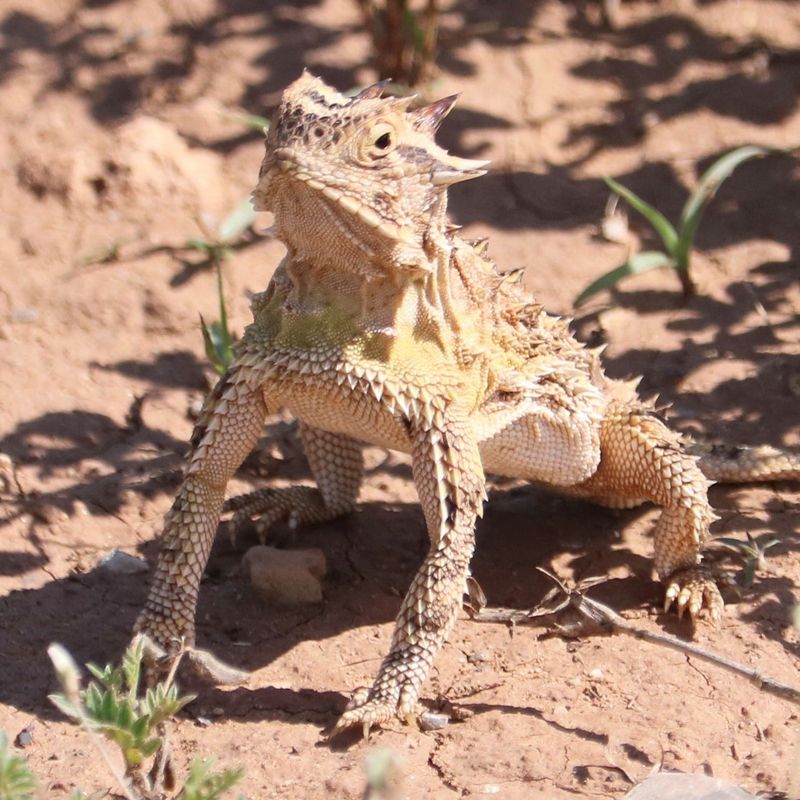
A horned lizard does not wander into just any yard. Its presence in yours suggests that something about the immediate landscape still meets at least a minimum threshold of usable conditions. That combination typically involves warm, open or sparsely vegetated ground, loose sand or loamy soil that allows burrowing, and a reliable supply of native ant prey within foraging range. TPWD’s species profile places the Texas horned lizard in arid and semiarid open areas across the state, from grasslands and plains to desert edges, thornscrub, and some disturbed or urban-edge settings where basic habitat requirements remain intact.
The soil matters more than most people realize. Horned lizards need loose, workable ground to bury themselves for overnight shelter and to escape temperature extremes. Compacted clay, heavy turf, or deep mulch layers can make a yard functionally unusable even if the surface looks open. National Park Service lizard habitat notes from Big Bend reinforce that loose substrate is a consistent feature of horned lizard habitat across the range.
Food supply is the other half of the equation. Harvester ants are the primary prey, and NPS Big Bend lizard resources note that an individual may consume roughly 30 to 100 ants per day, though that range is an estimate rather than a fixed rule. The diet can include other insects and arthropods as well, but native harvester ant availability is strongly tied to where horned lizards can persist. A yard where native ant colonies still exist and forage across bare ground patches is providing something genuinely valuable.
None of this means the yard has passed some overall health test. Research on urban Texas horned lizard populations shows that the species can persist in fragmented or edge settings, but persistence in one season does not guarantee long-term viability. The sighting reflects a surviving thread of habitat, not a certification. No single ornamental plant, garden product, or deliberate landscaping change can be credited with drawing the lizard in.
Warm Weather Can Bring a Hidden Lizard Into View
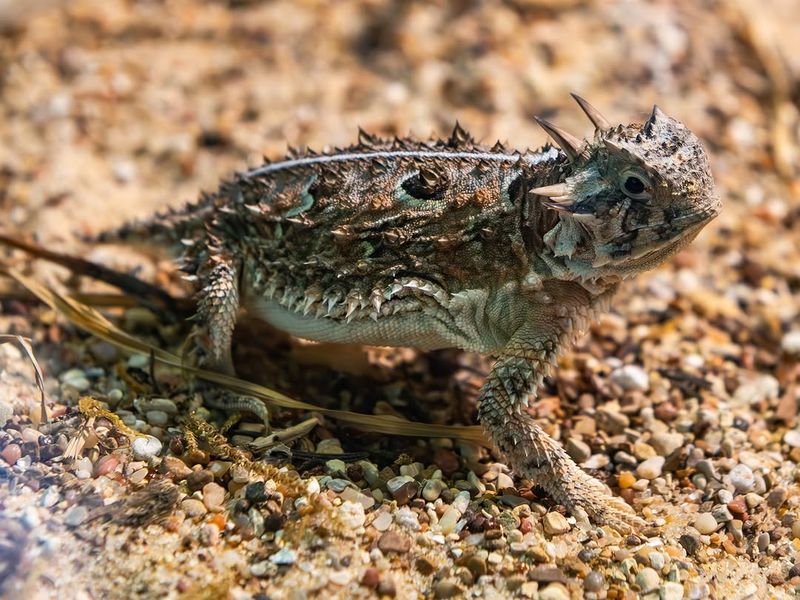
Timing a horned lizard sighting is not random. These are cold-blooded animals whose activity tracks temperature closely, and in Texas that means the window of likely surface activity runs roughly from late spring through early fall. TPWD’s horned lizard habitat guide describes peak activity occurring on warm days in the range of roughly 80 to 95 degrees Fahrenheit, with reduced or no surface activity during cooler months. Local variation is real: a mild February in South Texas looks nothing like a February in the Panhandle, and the lizard’s calendar adjusts accordingly.
Underground inactivity during colder months is one of the most overlooked reasons people go years without a sighting. TPWD’s Eye on Nature account notes that horned lizards commonly hibernate underground from approximately September or October through March or April, though that range shifts with local conditions and year-to-year weather variation. A lizard that was present all along may simply have been below the surface for months at a stretch, invisible to anyone walking the yard.
Spring deserves particular attention. Male Texas horned lizards appear to move more widely during this season, and a peer-reviewed USGS study on male Texas horned lizard movement found that males increased both their daily movement distance and the area they covered in spring compared with later in the season, likely in connection with mate searching. That expanded ranging means a male lizard may appear in a yard it does not regularly use, crossing from a neighboring property or a patch of undeveloped land nearby.
A spring sighting should not automatically be read as evidence of breeding or a resident population. The lizard may be passing through rather than residing. What the timing does tell you is that the sighting is seasonally plausible and that the animal was warm enough and active enough to be moving, which is itself useful information about local conditions.
The Childhood Icon Declined Without Disappearing Everywhere
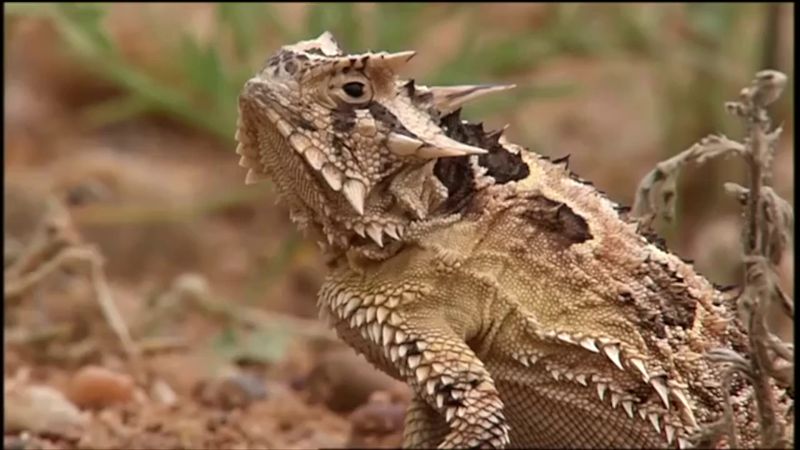
Ask any Texan who grew up in the 1950s, 60s, or 70s about horned lizards and you will likely hear a story about catching one in the backyard or finding one near a sidewalk crack. The animal was woven into ordinary Texas childhood in a way that made its gradual disappearance feel personal. TPWD’s 10-year Horned Lizard Watch background report documents that the Texas horned lizard was historically widespread across the state, and that its range and abundance have contracted significantly across much of that former territory.
The pressures behind that decline are multiple and overlapping, and no single cause accounts for the full picture. Habitat loss and urbanization removed large stretches of the open, sparsely vegetated land the species depends on. Pesticide and contaminant exposure affected both lizards and the native insect communities they rely on for food. Collection for the pet trade removed animals from wild populations over many decades.
Invasive red imported fire ants spread across Texas and are associated with declines in native harvester ant populations, which are the lizard’s primary food source. TPWD’s Eye on Nature feature identifies this combination of pressures without pointing to a single proven statewide explanation.
TPWD’s reptile research highlights explicitly acknowledge unresolved questions and the need for additional replicated study, which means the full causal picture remains an active area of scientific inquiry rather than a closed case. What is documented is that the cumulative effect of these pressures pushed the species to a point where Texas Parks and Wildlife Department lists the Texas horned lizard as threatened in Texas. That state-level status carries specific protections under Texas law and should not be confused with federal Endangered Species Act listing, which involves a separate process and separate legal standards. Other horned-lizard species in Texas have their own status designations and are not automatically covered by the same rules.
A yard sighting in this context carries genuine cultural weight. The lizard has not vanished from Texas, but finding one in a residential yard is no longer routine in most parts of the state, which makes each encounter a meaningful data point rather than an everyday event.
What Should You Do When One Appears?
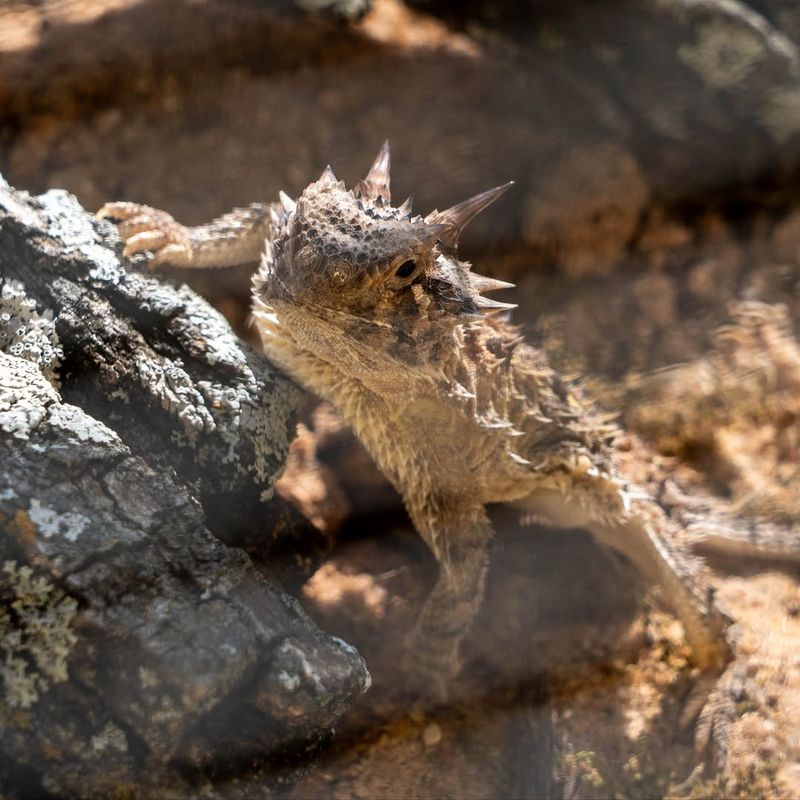
The most useful thing you can do the moment you spot a horned lizard is stop moving. Give the animal space, keep your distance, and resist the urge to get closer for a better look. These lizards are not aggressive, but they are wild animals that experience stress when approached, cornered, or handled, and stress has real physiological costs for a small reptile trying to regulate its body temperature and conserve energy.
TPWD’s horned lizard habitat guide recommends observing from a distance, and that guidance reflects both the animal’s welfare and practical respect for a state-threatened species. Take photographs from where you stand or move slowly and indirectly to improve your angle without crowding the lizard. If you have a dog, leash it or bring it inside. Children who want to see the lizard should watch quietly from a few steps back rather than rushing toward it.
Do not pick it up, feed it, bring it indoors, move it to a different part of your property, or attempt to relocate it to what seems like better habitat nearby. TPWD’s wildlife guidance is clear that horned lizards do not survive well in captivity, and possessing or transporting a state-threatened species without the appropriate permit can put you in violation of Texas law. Buying a horned lizard from any source and releasing it on your property is not an approved conservation action and carries its own legal and ecological risks.
One behavior worth knowing about: horned lizards can squirt blood from their eyes when severely stressed. TPWD describes this defense as blood forced from vessels near the eyes under extreme stress, containing chemicals that may deter canine predators. It is a genuine biological response, not a party trick, and it is one more reason to keep the encounter calm and hands-off. Once the lizard is ready to leave, let it go wherever it chooses.
Record a clear photograph and note your precise address or GPS location, because that information has real value for wildlife monitoring.
Reporting is handled through TPWD’s Texas Nature Trackers projects, where the former Texas Horned Lizard Watch has been consolidated into the Herps of Texas citizen science project. A photograph with a location pin is exactly what wildlife biologists need.
Protect the Conditions Without Protecting Every Ant
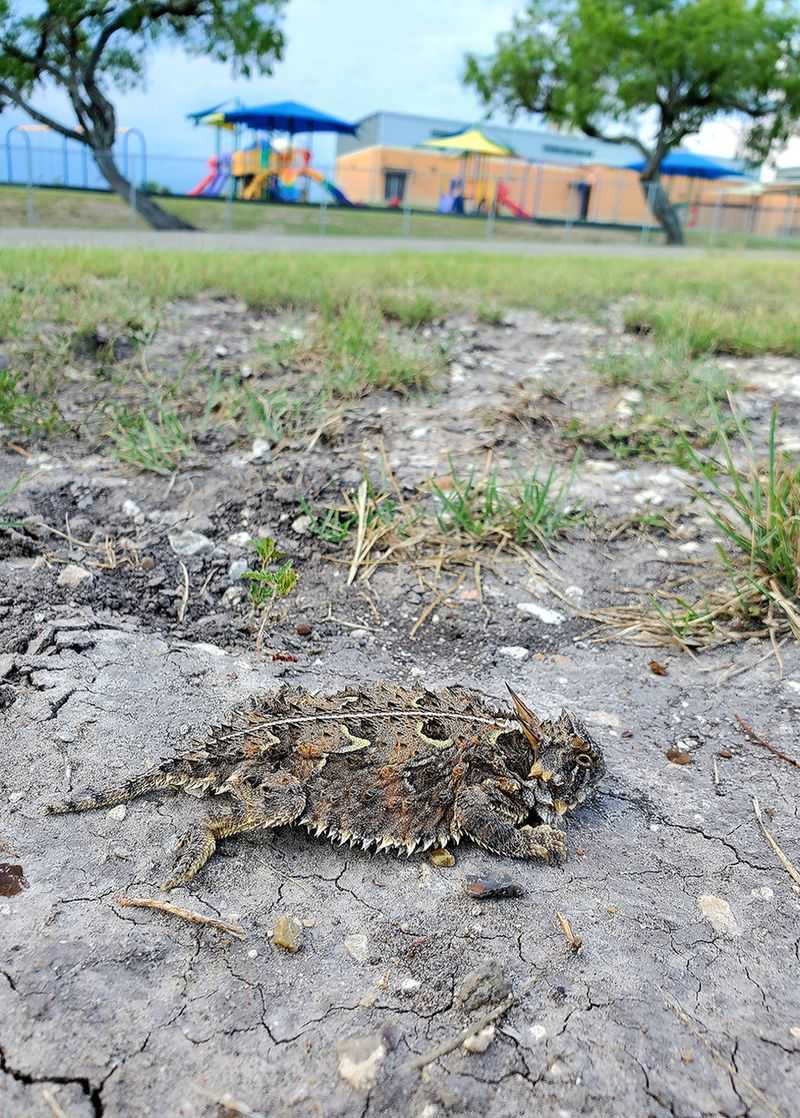
After a horned lizard sighting, the instinct to do something for it is understandable, but the most helpful thing is mostly about restraint. Preserving what already exists in the yard matters more than adding anything new. That means keeping patches of open native ground where you have them, avoiding unnecessary disturbance of loose soil areas, and leaving shelter features like rocks, woody debris, or native shrub bases that allow a small reptile to regulate its temperature and hide from predators.
The ant question is where most homeowners need a clear distinction. Native harvester ants are a primary food source for horned lizards, and broad indiscriminate insecticide treatment aimed at eliminating every ant colony in a yard can remove exactly the prey the lizard depends on. TPWD’s reptile research highlights identify prey availability and native ant community changes as significant conservation concerns tied to the species’ decline. Texas A&M AgriLife Extension’s red harvester ant resource provides context on how these native ants function in Texas ecosystems and why they are ecologically distinct from invasive species.
Red imported fire ants are a separate category entirely. They are an invasive pest associated with ecological disruption, and a fire-ant infestation near your home, children, or pets is a legitimate management concern. Ignoring a hazardous fire-ant colony in the name of protecting horned lizard prey would be both unsafe and unnecessary. AgriLife Extension’s community fire ant management guidance covers targeted control methods that follow product labels and local recommendations, allowing you to address a genuine pest problem without treating the entire yard as a target.
The practical approach is targeted rather than wholesale: manage active fire-ant hazards where they pose a real risk, and leave native ant activity in open ground areas alone where you can. No yard change carries a guarantee of attracting or retaining a horned lizard, and no specific ornamental plant or commercial product has been shown to draw the species in. What you can reasonably do is avoid making the habitat worse, and in a landscape where suitable conditions are already scarce, that restraint counts for something real.
Let the Sighting Be Encouraging Evidence, Not a Recovery Verdict
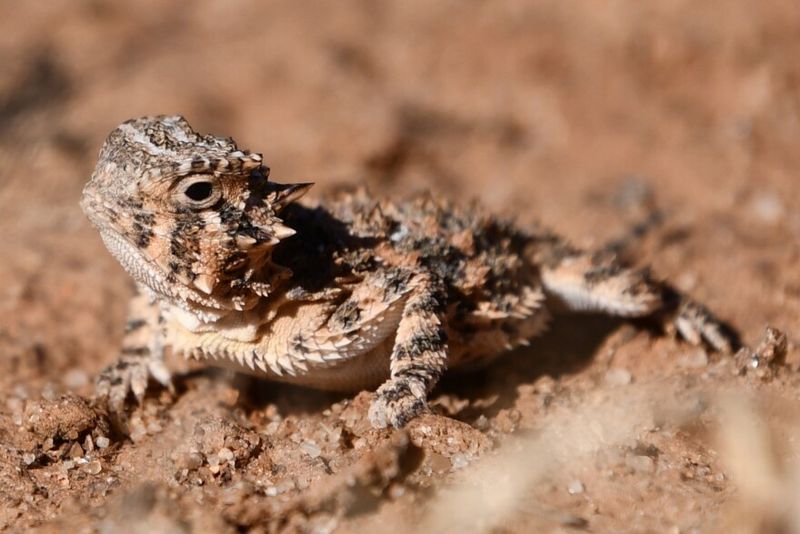
One lizard on one warm afternoon cannot settle the question of whether the species has recovered in your neighborhood, whether a breeding population exists nearby, or whether the same animal will ever appear again. What it can honestly represent is evidence that a wildlife connection to the broader Texas landscape still runs through your yard, and that is a genuinely encouraging thing to know.
Stronger evidence would accumulate over time. Repeated sightings across multiple seasons, observations of more than one adult, or a glimpse of juveniles in late summer would each add weight to the possibility of a resident or reproducing group in the area. TPWD’s Horned Lizard Watch background report frames multi-season, multi-individual observations as the kind of data that actually begins to characterize local population status, rather than a single encounter.
The best immediate action is to document and report. A clear photograph and your precise location submitted through TPWD’s Texas Nature Trackers Herps of Texas project puts your sighting into a statewide monitoring record where it can contribute to real conservation work. After that, let the lizard be wild. The most fitting response to a Texas horned lizard in your yard is not possession or intervention but the kind of quiet, respectful attention that leaves the land a little more livable for what is already there.