
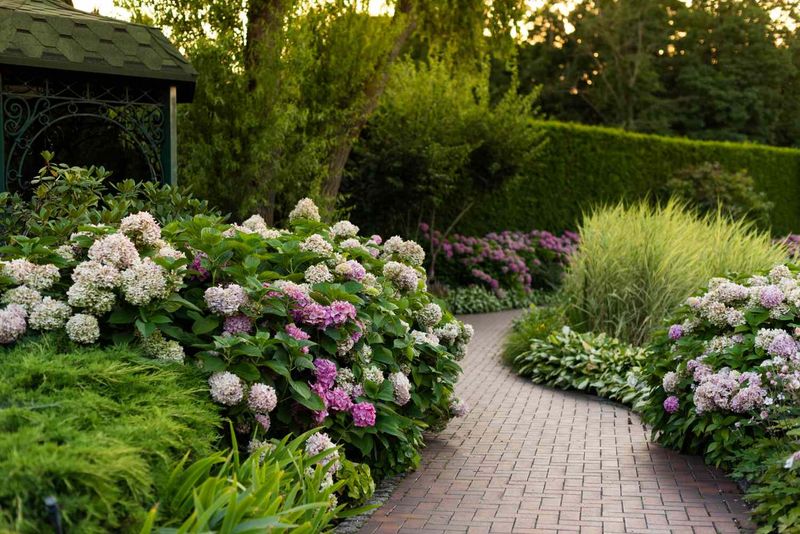
If you love the big, puffy blooms of hydrangeas but hate babysitting them through droopy leaves and wilted flowers, you are not alone. Hydrangeas can be thirsty, picky about sun, and quick to sulk when the weather turns hot. The good news is that plenty of other flowering shrubs deliver that same lush, showy look with a fraction of the drama. Here are nine tough alternatives that give you those dreamy clusters of color while letting you spend less time worrying and more time enjoying your yard.
1. Panicle Hydrangea (Hydrangea paniculata)
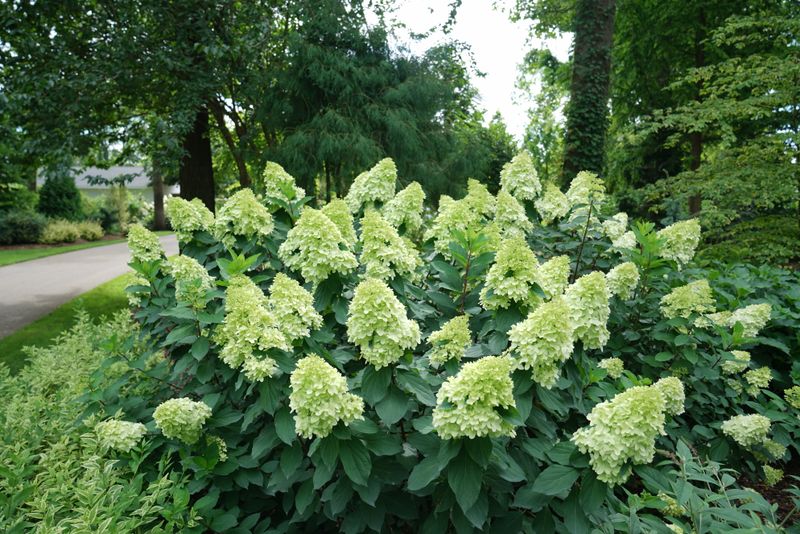
Here is a little secret for anyone who has watched their mophead hydrangeas flop in the July heat: the panicle hydrangea is the same family, just far tougher. It shrugs off full sun and heat that would leave classic hydrangeas gasping.
Cone-shaped flower clusters open creamy white and slowly blush to pink or rose as fall approaches. Because it blooms on new wood, you never have to stress about pruning at the wrong time or losing flowers to a late frost.
Fun fact: popular varieties like Limelight and Little Lime were bred specifically to handle tougher conditions than their fussy cousins. Give it decent soil and a good drink during dry spells, and it mostly takes care of itself.
Watering is easier here too, since the plant tolerates dry stretches far better than bigleaf types. If your garden bakes in afternoon sun where regular hydrangeas struggle, this shrub may finally give you the blooms you have been chasing. It can reduce the daily worry of drooping foliage while still delivering that armful of showy flowers you wanted all along.
2. Oakleaf Hydrangea (Hydrangea querc ifolia)
Named for its bold, oak-shaped leaves, this shrub pulls double duty in a way most hydrangea look-alikes cannot. It gives you the flowers in summer and a fiery show of burgundy foliage in fall.
The blooms arrive as long, creamy panicles that fade to a soft antique pink, and they hold up nicely as the season goes on. What makes it a caretaker’s friend is its tolerance for shade and its dislike of constant fussing.
Once established, it handles dry spells far better than bigleaf hydrangeas, so those panic-inducing wilted afternoons happen much less often. It thrives in the dappled light under trees where many flowering shrubs sulk.
Deer can nibble young plants, though mature shrubs often bounce back and may be less appealing than tender favorites. Plant it in well-draining soil, mulch around the base, and mostly leave it be. If you want a plant that earns its spot in every season without demanding daily attention, this native beauty rarely disappoints and quietly rewards a hands-off gardener.
3. Smooth Hydrangea (Hydrangea arborescens)
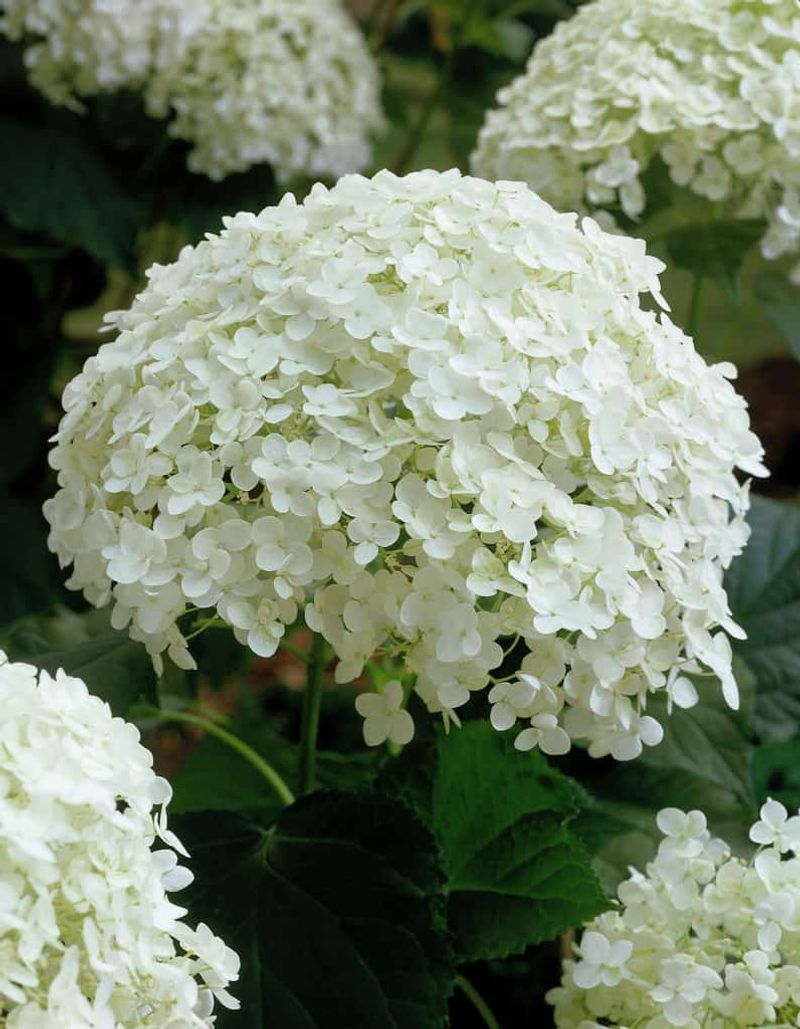
Meet the shrub behind the famous Annabelle variety, the one with flower heads so big they look almost cartoonish. Those snowball blooms can stretch wider than a dinner plate, giving you maximum drama for minimum effort.
Being a North American native, it laughs off cold winters that would wound less hardy plants. It blooms reliably on new growth, so a hard prune in late winter simply resets it for another big display.
Where classic hydrangeas throw a fit over soil pH and temperature, this one stays remarkably easygoing. It tolerates more shade than many flowering shrubs and forgives gardeners who forget the watering can now and then.
Heavy rain can weigh down those enormous heads, so a little support or a sturdier cultivar like Incrediball can help keep them upright. Otherwise, it asks for very little beyond a yearly trim and occasional deep watering during heat waves. For a big, romantic hydrangea look without the constant hand-wringing, this dependable classic delivers season after season with almost no drama.
4. Viburnum (Snowball Bush)
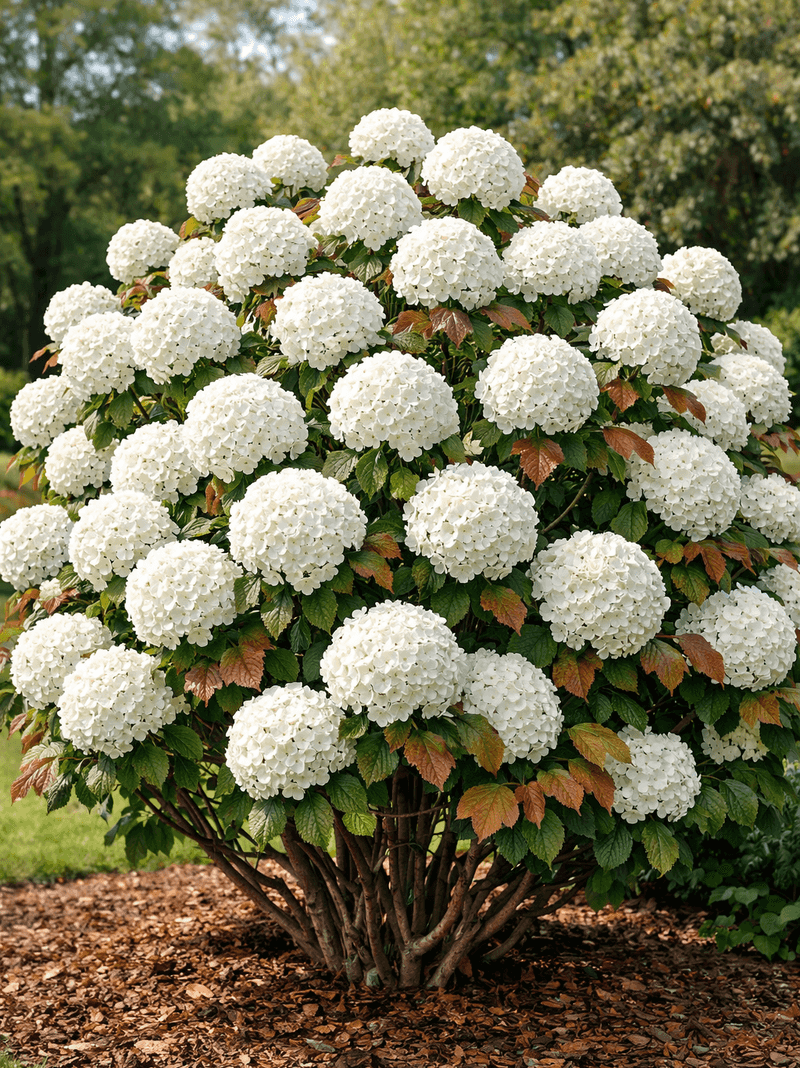
Blink in spring and you might mistake a snowball viburnum for a hydrangea in disguise. Those round, ball-shaped clusters of white flowers cover the branches so thickly the shrub looks dusted with snow.
Unlike true hydrangeas, viburnum barely flinches at heat, cold, or a missed watering. It grows fast, fills space quickly, and asks for almost nothing once its roots settle in.
Certain types add fragrant blooms, colorful berries, and rich fall leaf color, turning one plant into a season-long attraction. Pollinators love the flowers, and birds often feast on the berries in cooler months.
Because it is so adaptable, it works in full sun or part shade across most temperate US yards. Aphids can occasionally show up on new growth, but a strong spray of water may knock them back before they cause real trouble.
If your hydrangeas keep failing and you want that same billowy, flower-packed look with far less babying, this hardworking shrub is a smart swap that rarely lets a gardener down.
5. Bigleaf Rose of Sharon (Hibiscus syriacus)
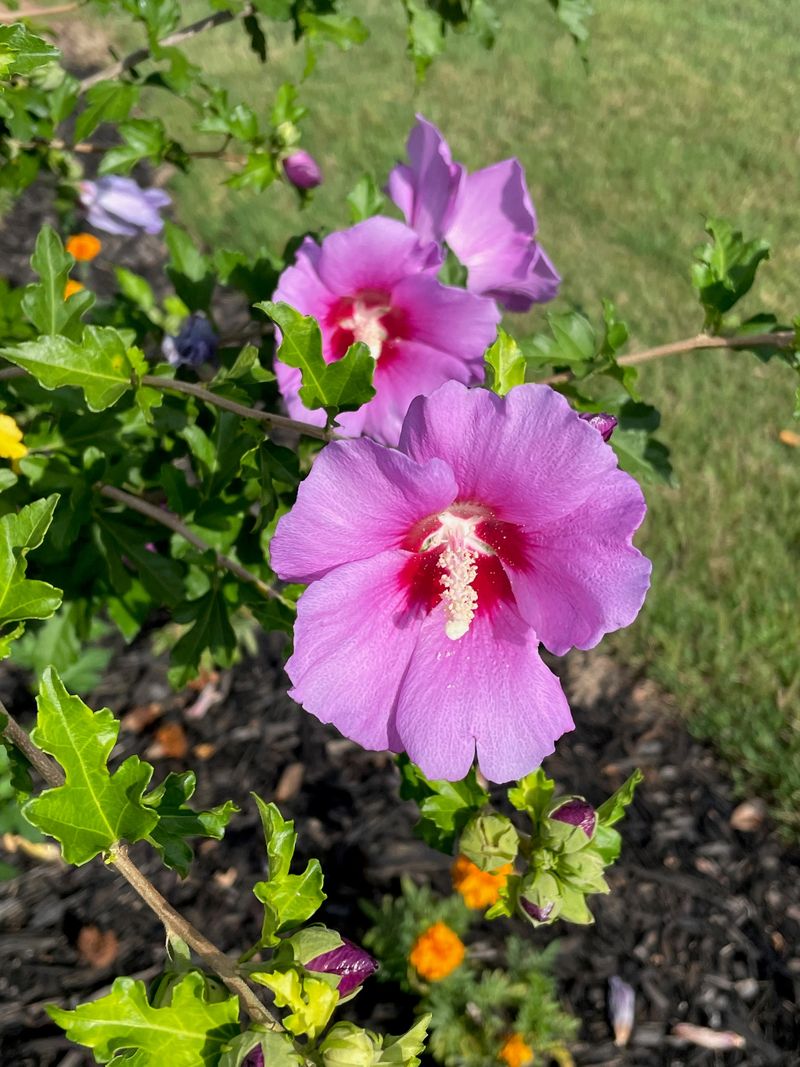
Craving tropical-looking flowers without the tropical-level maintenance? Rose of Sharon delivers wide, papery blooms all summer long, right when many hydrangeas start looking tired and thirsty.
The flowers come in shades of pink, purple, white, and blue, echoing that soft hydrangea palette people love. What sets it apart is stamina, since it keeps flowering through heat and humidity that would flatten fussier shrubs.
It handles poor soil, drought, and neglect with a shrug, making it a favorite for gardeners tired of coddling plants. Give it sun and it will reward you with weeks of steady color.
One heads-up: it self-seeds enthusiastically, so pulling stray seedlings or choosing a low-seed variety can keep it from wandering. Deer tend to leave it alone more than they leave tender hydrangeas, which is a welcome bonus in wooded suburbs.
For late-season color when your garden needs a lift, this dependable bloomer fills the gap beautifully. It offers that lush, flower-heavy look while asking almost nothing from a busy or forgetful gardener in return.
6. Lilac (Syringa)
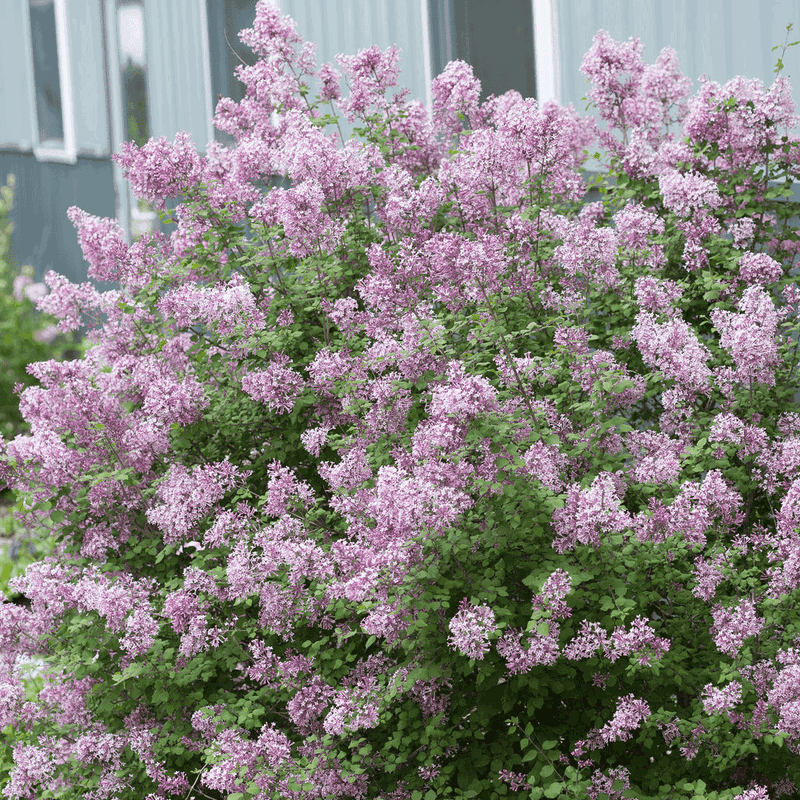
Few things say spring like the sweet perfume drifting from a lilac in full bloom. Those dense, cone-shaped flower clusters carry the same soft purple and white tones that hydrangea lovers adore.
Lilacs are famously tough, surviving cold winters and years of neglect in old farmyards long after the house is gone. Once planted, they can live for decades with barely any help from you.
They prefer full sun and well-draining soil, and they honestly bloom better when you leave them alone rather than overwater. That makes them a dream for anyone tired of monitoring moisture levels every single day.
Powdery mildew may dust the leaves in humid summers, though it rarely harms the plant and improved varieties often resist it. Deer usually pass them by, which spares you the heartbreak of chewed-up blooms.
Reblooming types like Bloomerang stretch the flower season beyond the usual quick spring burst. If you want fragrance, romance, and that clustered hydrangea shape with almost zero fuss, a lilac earns its keep for generations.
7. Butterfly Bush (Buddleia)
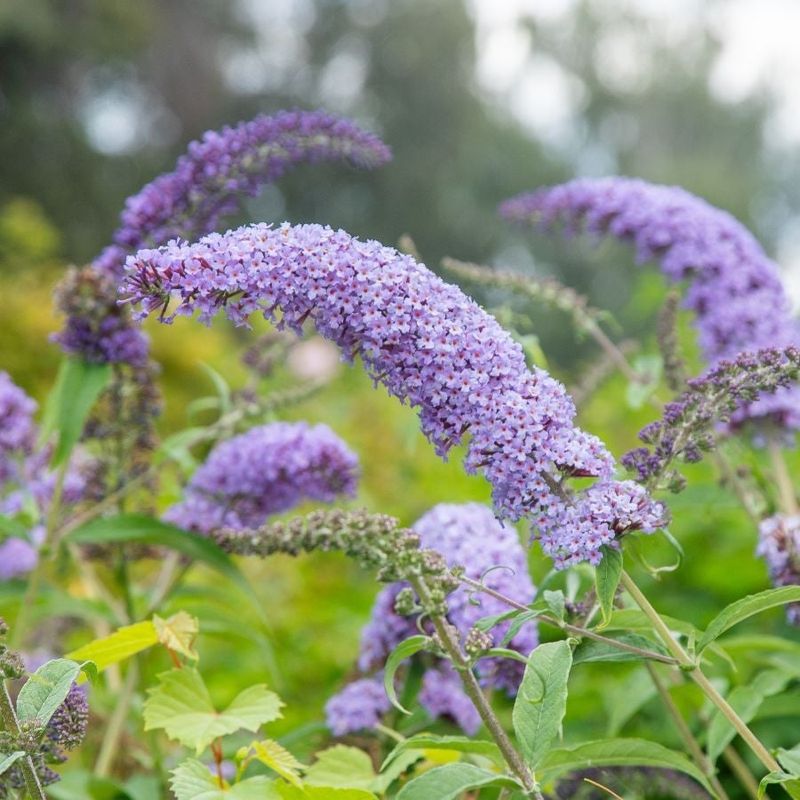
Watch a butterfly bush on a warm afternoon and you will see why it earned its name, with wings fluttering around every arching flower spike. Those long, tapered blooms bring a softer, wilder version of the clustered hydrangea look.
Drought is practically its superpower, so it thrives in hot, dry spots where hydrangeas would collapse. It flowers from summer into fall, giving you color long after other shrubs quit.
Pollinators flock to it, and the more you deadhead spent blooms, the more new flowers push out. It grows fast, recovers from hard pruning, and forgives a gardener who forgets it exists for weeks.
A word of caution: some varieties can spread beyond the garden, so seedless or sterile cultivars are the responsible pick. Deer generally ignore it, another reason it survives in tough suburban lots.
Cut it back hard in late winter and it will bounce back bigger and fuller. For heat-proof, low-effort color that also feeds butterflies and bees, this energetic bloomer is hard to beat all season long.
8. Ninebark (Physocarpus)
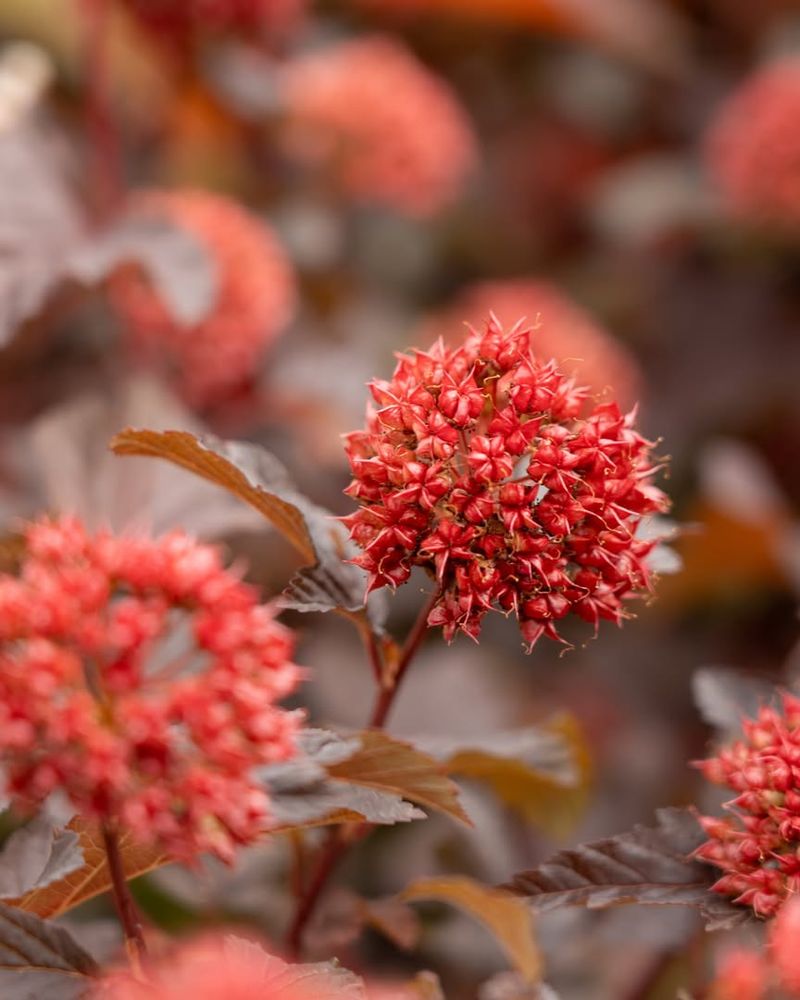
Underrated and undemanding, ninebark is the shrub that quietly does everything without ever asking for attention. Clusters of tiny white or pink flowers gather into rounded pom-poms that nod toward the hydrangea look in late spring.
What truly steals the show is the foliage, available in deep burgundy, lime green, or coppery tones depending on the variety. That colorful leaf backdrop keeps the plant interesting long after the flowers fade.
Native to North America, it handles cold, heat, drought, and poor soil like a champion. The peeling bark that gives it its name adds winter texture when the rest of the garden sleeps.
It rarely needs spraying, though occasional powdery mildew may appear on some older types in muggy weather. Deer tend to browse it less than tender favorites, sparing you some frustration in wooded areas.
Prune it lightly after flowering to keep the shape tidy, and otherwise let it do its thing. For a fuss-free shrub with flowers, foliage, and four-season appeal, ninebark deserves a lot more garden fame than it gets.
9. Spirea (Spiraea)
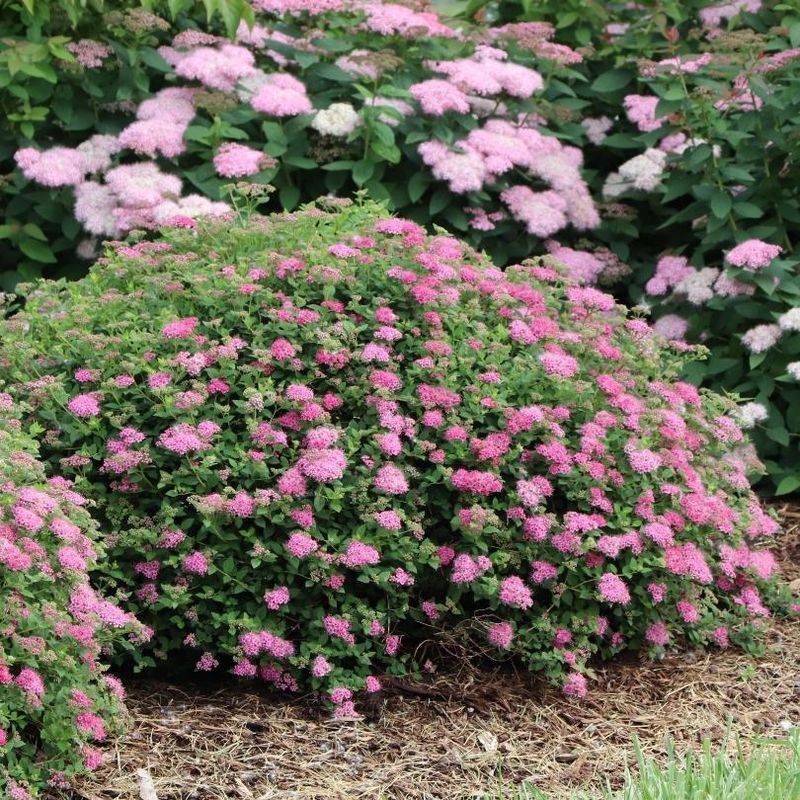
Compact, cheerful, and nearly indestructible, spirea is the go-to shrub for gardeners who want reward without the workload. Flat-topped or rounded flower clusters in pink, white, or rose blanket the plant so thickly the leaves nearly vanish.
It stays small and neat, making it perfect for borders, foundations, and tight spots where a full hydrangea would overwhelm. Best of all, it blooms happily in full sun and dry conditions that hydrangeas simply cannot tolerate.
Deadheading the first flush often triggers a second round of blooms later in the season. The foliage on many varieties shifts through gold, orange, and red, adding bonus color beyond the flowers.
Pests rarely bother it, and it bounces back fast from a hard trim, so mistakes are easy to forgive. It tolerates a range of soils and shrugs off the summer heat that leaves other shrubs wilting.
If you have been burned by demanding hydrangeas and want a low-stress plant that still delivers armloads of clustered color, spirea may be the easiest win in this whole lineup for a busy gardener.